
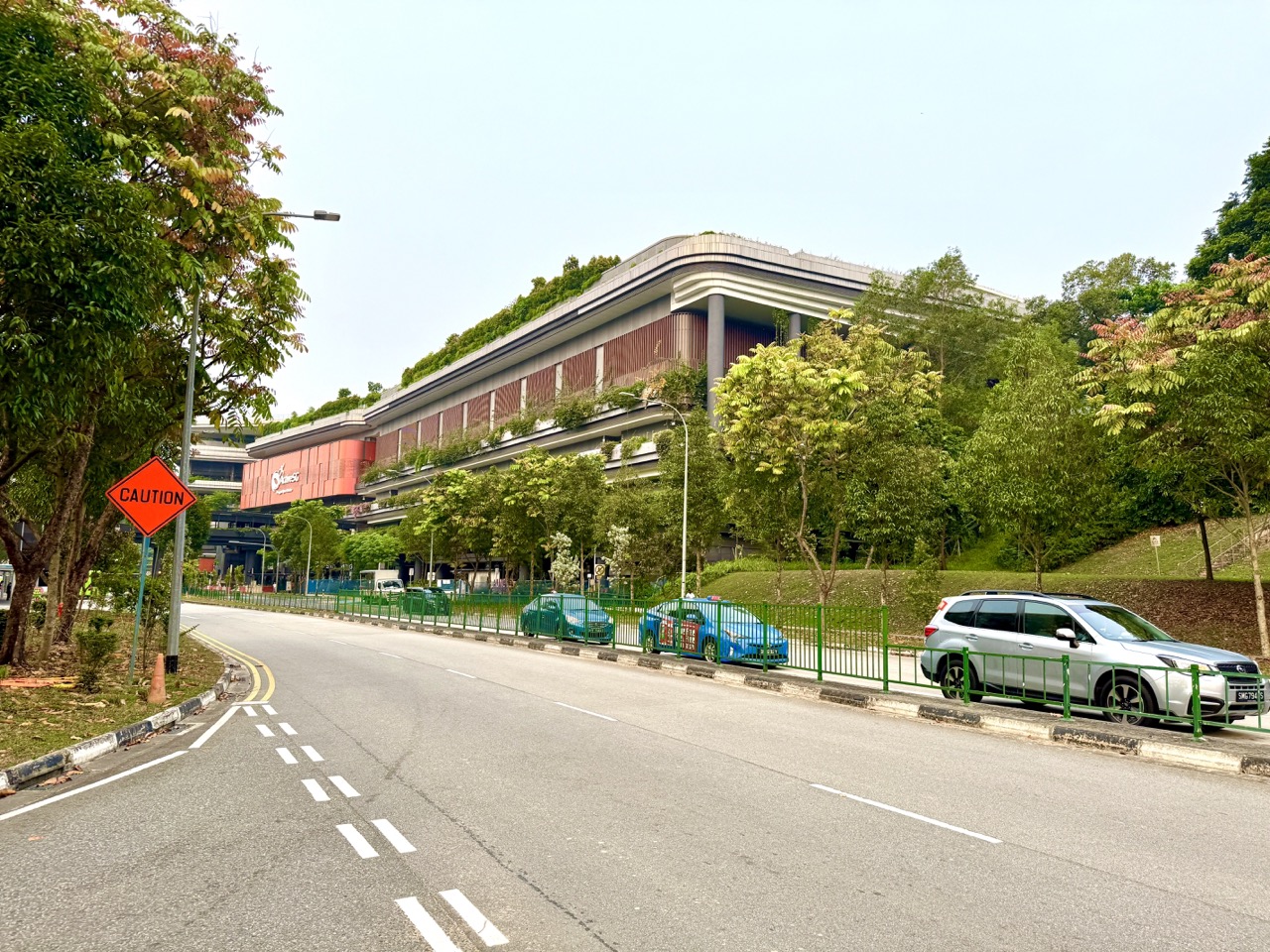
ActiveSG Punggol Sport Centre at 11 Sentul Crescent gives families a practical reason to understand the circular economy: what happens to a racket, pair of sports shoes, towel, water bottle or fitness tracker when it is worn, outgrown, damaged or no longer needed? The centre began selected public operations on 27 October 2026, with a formal opening scheduled for 22 November 2026. You do not need to buy new equipment, organise a collection drive or enter a booked court to learn the subject. Begin by inspecting only your own clean, safe household items, asking whether they are still suitable for use and choosing the correct next step. The Sport Centre has not been verified here as a shoe, textile or e-waste drop-off point; use official waste guidance rather than leaving gear at its entrance.
Singapore’s Green Plan 2030 sustainable-living strategy promotes reducing resource use, reusing materials and a circular economy. The National Environment Agency’s donation, resale and repair guide distinguishes items suitable for further use from things that must be handled differently. It specifically advises that used shoes should be repaired, donated or resold when suitable, and otherwise handled as general waste rather than simply dropped into a blue household recycling bin; specialised shoe collection programmes may have separate acceptance rules. NEA’s e-waste guidance also explains why electronic items and batteries need designated treatment. The useful lesson is that reduce, maintain, repair, reuse and recycle are different decisions, each with safety, hygiene, material and service constraints. A green-looking product is not automatically sustainable, and a disposal logo does not guarantee a local collector accepts it.
- Local context: Punggol Sport Centre, 11 Sentul Crescent; this is a learning guide, not an on-site recycling event.
- First principle: avoid unnecessary purchases and premature disposal before considering the item’s condition and genuine need.
- Maintain: dry and store suitable sports equipment as directed to preserve function and prevent avoidable damage.
- Repair: only when the repair is safe, appropriate to the item and carried out by a competent person where necessary.
- Reuse: pass clean, safe usable equipment to a suitable recipient with accurate condition information.
- Recycle: check the actual accepted material and collection channel; not all sports gear belongs in blue bins.
- Shoes: NEA’s guidance distinguishes donation/repair from general-waste disposal when unsuitable; specialised programmes have separate conditions.
- Wearables: trackers, charging accessories and batteries can be e-waste requiring official collection rather than ordinary household recycling.
- Measurement: count items, repair outcomes and avoided purchases honestly; do not invent carbon savings from one family decision.
- Safety: never use unsafe cracked equipment, damaged batteries, contaminated textiles or unverified repairs merely to avoid waste.
- This guide: material questions, common mistakes, safe household examples, ethical donation and a four-week learning plan.
Definition lock: circular economy versus a throwaway model
A circular economy seeks to keep useful products and resources in use for longer and reduce unnecessary waste, while recognising technical and practical limits. In a simple linear model, materials are extracted, made into products, used and discarded. A circular approach asks whether design, maintenance, repair, reuse or proper recovery can reduce fresh resource demand. It does not mean every object can circulate forever. Materials wear, contamination matters and some recovery processes consume energy. A child should understand the aim without believing the phrase circular automatically makes every product environmentally beneficial. Each actual decision needs appropriate evidence and consideration for safety.
How this differs from ecology at Punggol Waterway
Ecology studies organisms and environments, including plant, bird and waterway relationships. Circular economy studies how people design, use, maintain and recover products and materials. These subjects connect through waste and environmental effects, but their primary questions differ. A birdwatching guide might discuss preventing litter in a habitat, while this guide asks what to do with a worn shuttlecock tube or a pair of sports shoes before it becomes litter. The best choice may be to use an item longer, repair it, donate it or dispose of it correctly. It is not necessary to collect habitat samples or disturb wildlife to study product lifecycles.
Why public sport supplies a relatable example
Sports activities involve objects with different materials and lifespans. A racket can last through many family games, while a shuttlecock may wear more quickly and a drinking bottle may be used repeatedly. Shoes have safety and hygiene limits, and electronic trackers contain components that should not be placed casually in household recycling. Students can compare these objects and ask what affects their lifespan. But they should not claim that all sport items are identical or that SportSG publishes a specific recycling programme for every object. A local venue gives a recognisable context, not automatic permission to leave unwanted gear with public staff.

The hierarchy begins before recycling
People often begin environmental discussions with the question “Which bin?” Yet preventing unnecessary consumption or preserving a useful item may deserve earlier attention. The Singapore Green Plan emphasises reducing consumption and greater reuse alongside recycling. A family could avoid buying duplicate rackets that will rarely be used, maintain an existing pair of shoes or borrow a suitable item where safe and permitted. The environmental outcome depends on what purchases are genuinely displaced, so avoid making unsupported numerical claims. The important conceptual shift is from treating disposal as the only decision to considering choices throughout a product’s useful life.
Understand the product’s real function
A sport item exists to perform a task. A badminton racket must be safe to handle and suitable for play; a water bottle must be appropriate for storing drinking water; a shoe must provide acceptable support for its intended activity. Circular decisions should not overlook those functions. An item that looks intact may have hidden damage or be unsuitable for another user’s size. A family can describe the intended use and required condition before discussing reuse. This keeps the lesson realistic. Extending a product’s life is worthwhile only when doing so does not create unnecessary harm or misrepresent its capabilities.
Material diversity makes sorting complicated
Sports goods can combine polymers, textiles, foam, metals, adhesives and electronics. A multi-material shoe is not simply a generic plastic object, and a racket may contain fibres, metals, strings and grips bonded together. These combinations can make repair or recycling more challenging than with a single clean material. A recycling symbol on one packaging component does not establish that an entire mixed product is accepted by the local blue bin service. Students should learn to ask what the collector actually accepts, in what condition and through which channel. Good sorting begins with material and local rules rather than an optimistic guess.
Product design affects future repair
An item assembled with replaceable parts may be easier to maintain than a permanently sealed one, depending on the product and safety requirements. A student can compare two hypothetical sports water bottles: one has a replaceable lid, while the other’s lid cannot be obtained separately. If the body is still safe, the first product might be easier to keep using after a lid problem. However, not every component should be made user-serviceable; some batteries and structural assemblies require specialist handling. Circular design must consider safety, hygiene, manufacturing and practicality. The point is not that all sealed products are bad, but that repairability influences lifecycle choices.
Maintenance prevents avoidable waste
Many items deteriorate faster when left wet, stored incorrectly or exposed to conditions the manufacturer warns against. Proper drying of suitable gear, cleaning in accordance with care instructions and using intended protective storage can help preserve function. Avoid harsh chemicals that may damage materials or create health risks. A child can read an ordinary product care label and explain why the guidance exists. Do not claim every cleaning method extends life; some treatments accelerate wear. Maintenance is about appropriate care rather than obsessive restoration. The family should use equipment only when it remains safe and suitable for the activity.
When cleaning cannot restore safety
A cracked racket frame, severely damaged shoe sole or leaking battery-powered device may not be safe simply because it has been washed or polished. Students should distinguish appearance from structural or electrical condition. A repair that hides visible damage without restoring function can be misleading and dangerous. Adults should remove questionable items from use and seek manufacturer or competent repair advice where appropriate. A circular economy is not a reason to force unsafe gear back into service. Preventing injury and protecting other users remain important constraints. Responsible environmental choices include recognising when a product has reached the end of its safe useful life.
A racket has several replaceable and nonreplaceable parts
Some racket components, such as grips and strings, may be serviced or replaced by appropriate providers. The frame itself may have damage that makes continued use unsafe. Students should not assume every racket is repairable or try to glue a compromised frame for high-speed play. A simple diagram can separate frame, strings, handle and grip, then ask which parts a manufacturer or qualified technician can service. This illustrates modularity and repairability without performing a hazardous repair. The objective is to identify possible maintenance routes, not publish a blanket claim that any cracked racket can be restored to competitive safety.
Grip maintenance is not frame certification
Replacing a worn removable racket grip can be a relatively ordinary maintenance operation when carried out appropriately. It does not inspect or repair the underlying frame’s structural integrity. A new grip may improve feel while concealing unrelated damage if the user assumes the entire racket is now new. Teach children to assess the component being addressed and what remains unchecked. If the item is used for high-force sport, follow manufacturer and specialist advice. The broader lesson is that a repair has a scope. A competent decision states what was done, why it was suitable and which safety questions remain.
Strings can wear without making the whole racket waste
Racket strings may lose tension, fray or break while the main frame remains serviceable. Re-stringing by an appropriate technician can sometimes extend usable life, subject to frame condition and recommended specifications. This demonstrates how replacing one worn component may be preferable to discarding an otherwise suitable product. But do not suggest untrained children tension strings or use a damaged frame. Repair equipment can create hazards, and incorrect tension may cause further damage. The learning question is whether a component can be maintained independently of the product, not a technical tutorial for an unsafe repair.
Shoes have both material and personal-fit limits
Sports shoes include a sole, upper, cushioning and closures that wear differently. A shoe may look cosmetically acceptable but lack grip or suitable fit for a particular user. Before donating, assess cleanliness and condition, and follow the receiving organisation’s acceptance criteria. Do not donate shoes with severely damaged soles as though they are safe. NEA’s donation and repair channels list appropriate choices for footwear and distinguish unusable items. The broader lesson is that reuse transfers responsibility as well as an object. An accurate description protects the next wearer and prevents donations from becoming another waste-disposal route.
Why shoes do not belong automatically in blue bins
NEA’s published donation, resale and repair guidance treats shoes differently from common blue-bin materials. It recommends suitable reuse or repair and indicates general-waste disposal when shoes cannot be salvaged, subject to specialised collection channels. A family should not place mixed-material sports shoes into an ordinary blue recycling bin merely because rubber or plastic is present. A dedicated collection initiative may accept defined types and conditions, so verify its current rules separately. This distinction is an important local consumer lesson. Recycling infrastructure is organised around accepted streams; good intentions cannot make an incompatible item processable.
Special shoe programmes have specific conditions
Certain Singapore programmes have collected used sports shoes for material recovery or other uses. Acceptance may depend on clean condition, shoe type, collection period and the receiving organisation. Those programmes can change, so a blog should not promise a permanent drop-off site at a particular store or public venue without checking current information. NEA provides an overview of channels, but participants should verify the chosen operator’s instructions before travelling. A student can make a table comparing general recycling, donation and specialised recovery routes without claiming they are interchangeable. The key is to follow the designated process rather than leave shoes at an unauthorised location.
Donating an object requires a genuine recipient
A usable racket or clean suitable sports bag may help someone else, but a donation is not automatically beneficial if no recipient needs the item. Organisations can be overwhelmed by inappropriate or broken donations. Ask what is accepted, whether the item is safe and whether its condition has been described honestly. A family might offer a properly maintained product to a willing person or suitable organisation rather than assume any sports club must take it. Do not arrange handoffs with strangers through children without appropriate adult supervision. Responsible reuse supports the recipient’s actual need and preserves dignity, rather than using charity as a convenient disposal strategy.
Sharing avoids duplication only when it actually replaces buying
If two relatives can legitimately share suitable equipment, they may avoid buying a duplicate item. Yet sharing must consider fit, hygiene, maintenance and access. A helmet or other safety-critical item may have restrictions and should not be casually circulated without proper assessment. A racket might be easier to share among appropriately sized users than footwear, but condition still matters. The environmental benefit depends on whether a purchase is truly avoided and how the shared item is transported or maintained. A simple classroom example can illustrate the logic without inventing a precise carbon saving for one borrowed racket.
Borrowing and rental need clear boundaries
Some sports activities may involve equipment rental or borrowing, but a visitor should not assume ActiveSG Punggol provides every required item. Check the actual sport product and operator terms. A private equipment-sharing arrangement should identify who owns the item, when it will be returned, how damage is handled and whether the item is safe to use. A written family note can prevent disputes without requiring a commercial contract. The circular-economy lesson is that access can sometimes substitute for ownership, but only when the arrangement is legitimate, practical and suitable for the users. Sharing is not an entitlement to take equipment from other players.
Sports bags can often be assessed part by part
A bag may have fabric, zips, handles, buckles and foam padding. A broken zip does not necessarily require the entire bag to be discarded, but the suitability of a repair depends on its condition and intended load. A competent repair service may be appropriate. For a family activity, identify the parts on a drawing and discuss which would be easy or difficult to replace. Avoid asking children to sew thick materials with sharp tools unsupervised. The concept is component-level thinking. Proper repair extends usefulness only when the product can still perform the job safely and comfortably.
Reusable bottles need hygienic care
A durable drinking bottle may reduce repeated single-use purchases, but it needs cleaning and suitable use according to the manufacturer’s instructions. Some materials or coatings may be damaged by heat or cleaning products not intended for them. A cracked or contaminated bottle should not be kept solely to appear environmentally responsible. Check whether lids and seals can be replaced when appropriate. The correct decision balances waste prevention with drinking-water hygiene. A student can use a drawing of bottle, lid and seal to explain modular maintenance without making unsupported claims that all reusable bottles have lower environmental impact under every usage pattern.
Single-use packaging has a different lifecycle
A packaged snack may involve paper, plastic films, foil layers or mixed materials. A child should not assume that every wrapper belongs in the blue bin. NEA’s recycling guidance emphasises sorting by locally accepted material and avoiding contamination. The family can reduce unnecessary packaging where practical and dispose of items according to current rules. A package labelled recyclable in another country may not have a matching Singapore household collection route. Students should understand the difference between material capability, local acceptance and actual collection. Those three conditions need to align for recycling to be meaningful.
Clean and dry recycling matters
Food contamination and moisture can reduce the usefulness of a recycling collection stream. NEA advises residents to recycle appropriate materials responsibly, and recent public guidance discusses contamination problems in blue bins. A family should empty and clean accepted containers as instructed rather than send leftover food into the collection. But do not waste large amounts of water trying to process an item that the local system does not accept in the first place. The first step is checking acceptance. Responsible recycling also includes choosing the correct bin and preventing contamination of other materials, not simply placing everything with a recycling symbol together.
Fitness trackers introduce e-waste
A smartwatch or fitness tracker can contain a rechargeable battery, electronics, display and mixed materials. When no longer useful, it may require an appropriate e-waste collection channel rather than the general blue bin. NEA explains Singapore’s regulated e-waste management scheme and the role of specialised collection and processing. Do not assume all wearables fit every small-electronics bin; check the current accepted categories. Protect personal data by following the manufacturer’s reset and account-removal instructions before handing off a working device, when feasible. Damaged batteries need special handling. This is a distinct responsibility from disposing of a plain cotton towel or empty cardboard sleeve.
Batteries need appropriate disposal
Household batteries are not ordinary reusable plastic containers. NEA’s e-waste information identifies designated collection routes for appropriate battery types and explains safeguards for hazardous materials. Users should follow the actual collection operator’s instructions, including precautions for exposed contacts and damaged cells. Never puncture, crush, heat or dismantle a battery at home to “recover valuable metal.” Children should not perform battery repair or disposal experiments. A student can learn the hierarchy by drawing a device, its battery and the official collection pathway. The environmental goal must be achieved through controlled processes rather than risky improvised extraction.
Data removal is part of responsible electronics reuse
A working device offered to another person may contain account access, location history, notifications or other personal data. A donation can therefore create privacy risk if it is handed over without appropriate preparation. Follow the product maker’s supported account-removal and reset procedures, verify what remains and handle linked services carefully. Do not publish screenshots of the user’s sports records as proof that the gadget works. If the device is damaged and cannot be reset, seek appropriate professional guidance before passing it on. Circularity should not come at the cost of exposing someone else’s personal data. Digital safety and material reuse are linked.
Material recycling is not the same as reuse

Reuse means continuing to use an item or its function without necessarily breaking the product down into raw materials. Recycling processes recover materials through specialised treatment for further manufacturing. These paths have different energy, transport, contamination and quality implications. An old usable racket passed to another player is reused. A worn material recovered into a different product is recycled. A household should not label every charitable handoff a recycling process. Learning precise terms helps evaluate environmental claims and decide what actions are actually available rather than using one positive word for all outcomes.
Repair versus replacement requires evidence
Repair can be a good choice when the product’s essential function can be restored safely and the expected further use justifies it. Replacement may be appropriate when damage is severe, a safety-critical component has failed or reliable repair is unavailable. A family should not be instructed always to repair, regardless of risk. Compare the product’s condition, manufacturer instructions, repairability, cost, age and intended use. For electronics or structural sports gear, competent specialists may be necessary. The circular-economy principle is thoughtful use of resources, not forcing an item to remain in service beyond safe limits.
Lifecycle thinking includes more than the bin
A product lifecycle includes raw materials, manufacturing, transport, use, maintenance and end-of-life processes. A reused object may reduce need for a new product, but actual environmental effects depend on what changed and which activities were avoided or added. A family can draw a simple lifecycle diagram for a racket without inventing emissions data. If an article claims one product saves 40kg of carbon dioxide, it needs an appropriate study and assumptions, not intuition. Teaching lifecycle stages helps students ask better questions about materials and production even when a full professional lifecycle assessment is out of scope.
Durability is useful but not the only criterion
A highly durable object may last longer, but if it is inappropriate, excessively heavy or difficult to maintain it may not be the best choice for a particular user. A lower-cost suitable product used many times could be preferable under some circumstances. Students should avoid ranking sustainability by price, weight or a single advertising claim. Examine expected useful life, actual need, safe design and evidence. Do not assume a premium label guarantees environmental superiority. The meaningful question is whether a product meets its purpose with a responsible use and end-of-life pathway, not whether its packaging uses green ink.
Transport and collection influence outcomes
An item taken to a specialised collection point may require travel. Some programmes consolidate materials efficiently, while individual long trips for a small load may change the environmental comparison. A family could combine an appropriate drop-off with an existing journey where practical, without treating it as an excuse to store hazardous waste improperly. Do not invent carbon savings from avoiding one particular trip unless the data exist. The educational lesson is that environmental decisions occur within a wider system of transport, infrastructure and processing. A recycling symbol alone cannot describe every consequence of moving the item from a home to a factory.
Avoid the claim that every item is recyclable
A composite racket, damaged foam padding or stained sports shoe may not have a convenient household recycling route. The correct response is to look up authorised local acceptance rules, not to put the item into a blue bin hoping it will be sorted somehow. Some components may be separately recoverable by a specialist, but household disassembly can be unsafe and inappropriate. Students should be willing to say “no suitable channel verified” rather than invent one. An accurate limitation is environmentally more responsible than contaminating a collection stream through optimistic guessing. The waste pathway depends on the item and current system.
Do not leave collections at the Sport Centre
The Punggol Sport Centre is not established here as an authorised collection point for shoes, batteries, racks or textiles. Its opening notice concerns sport access, not a universal recycling service. Leaving a bag of unwanted gear near an entrance can obstruct operations and burden staff. If an organiser wants to conduct a donation drive, they must coordinate with a legitimate recipient and obtain appropriate venue permissions. For ordinary family learning, use official NEA directories and channels. The difference between a public place and a collection programme matters. Good environmental intentions should not become unauthorised dumping.
An equipment audit can stay private
A family can list its own unused equipment with columns for item, condition, intended use, possible next action and safety check. The audit needs no photographs of other people or private inventory data from a club. A child might discover three usable badminton rackets, one worn bag and one broken battery-powered tracker. Each requires a different decision. The exercise should not shame the household for past purchases. Its purpose is to understand what exists before buying or discarding more. A small honest inventory supports planning without creating a public ranking of families by possessions or spending.
Define the condition categories clearly
A useful classroom inventory can separate “safe for present use,” “needs professional assessment or repair,” “suitable for donation after checking” and “not suitable for reuse.” These categories should not be applied blindly; the appropriate outcome depends on product type and receiving organisation. A child should not certify a cracked racket or worn helmet as safe after a quick visual check. Adults retain responsibility for decisions involving safety. Students can learn to ask what evidence each condition claim needs. A reliable inventory is not simply a list of optimistic labels. Honest condition reporting helps prevent accidents and unsuitable donations.
A fictional family-racket case
Imagine a household with four rackets. Two are used regularly, one has a worn grip but an apparently intact frame, and another has a visible frame crack. The family discusses whether an appropriate technician should assess the worn-grip racket for servicing and why the cracked frame should be taken out of play pending competent assessment. They do not attempt a high-force test. The story is fictional and does not imply a specific product is repairable. It demonstrates why a circular approach needs safety screening before reuse. The most responsible outcome may include both maintenance of one object and safe end-of-life handling of another.
A fictional sports-shoe case
A child outgrows a clean pair of shoes that remain in suitable condition. The parent checks whether a willing recipient or recognised channel accepts that footwear and honestly describes its size and use. If the soles were dangerously worn, donation would be inappropriate even though the upper looks tidy. The family consults NEA guidance for the right pathway. The scenario distinguishes reuse from indiscriminate disposal and highlights the importance of the next wearer’s wellbeing. A donation is valuable when it meets a genuine need; it should not transfer unusable waste to somebody with fewer resources.
A fictional tracker case
An older wearable no longer suits its owner’s needs. The family first determines whether it still functions and whether the manufacturer supports data removal and safe transfer. If reuse is inappropriate or the device is damaged, they consult the proper e-waste collection instructions and protect any accessible personal data. They do not pry open the sealed battery or throw it into a household blue bin. The exercise combines material stewardship and privacy. It is also an example of why a single “recycle everything” poster is not enough; electronics can require specialised processing and careful preparation.
The difference between an impact claim and a count
A family may accurately report that it repaired one bag and donated two suitable rackets. Those are counts of actions. They cannot automatically conclude they saved a precise number of kilograms of carbon emissions without a method and suitable data. If both donated rackets were never used again, even the claimed benefit of displacement would be uncertain. Students should separate observed actions from environmental outcomes and show the limitations. Honest measurement builds credibility. A small documented decision can be worthwhile without being presented as proof of large-scale climate improvement.
Cost saving is not always environmental saving
Repair may save money in some cases, but a cheap replacement can also be poorly suited or short-lived. Likewise, a costly repair might not be environmentally preferable if the item remains unsafe or its useful life barely extends. A complete decision considers safety, actual use, product materials and relevant environmental data. Do not equate the cheapest receipt with the smallest carbon footprint or assume every expensive premium product lasts longer. The circular economy teaches broader systems thinking. A family can discuss the trade-offs qualitatively before trying to make claims requiring professional lifecycle analysis.
The Green Plan is a national policy, not a product label
Singapore’s Green Plan 2030 sets broad national sustainability ambitions, including a circular economy, less waste and greater reuse. A product cannot claim to be officially certified by the Green Plan simply because its seller mentions those goals. Students should distinguish policy direction from verified product performance or official certification. Read the claim’s exact wording and ask what evidence exists. This is particularly important for merchandise advertised as eco-friendly sportswear or recycled equipment. Marketing can borrow familiar government language, but the environmental quality of the actual item requires product-specific information and appropriate standards.
Circular design and user needs must work together
A product designed for easy repair may still fail if it is uncomfortable, unsafe or unsuitable for users. Conversely, a popular product with a short lifespan may create recurring waste. The designer must consider the function, materials, service life, replaceable parts, manufacturing and eventual recovery. A student can sketch a hypothetical sports bag with a replaceable strap and explain why the feature might help maintenance. That drawing is a design concept, not a commercially certified product. Discuss how the benefit would need to be tested and whether the proposed mechanism creates new failure points or material costs.
Collection systems need accurate sorting
A well-intended household may mix batteries, footwear, food-stained wrappers and clean cardboard into one bag labelled recyclable. Such mixed waste can contaminate collections or create hazards. NEA’s guidance differentiates blue-bin materials, special e-waste streams and other disposal routes. Teach children to inspect the accepted list before sorting. Do not allow young children to handle damaged batteries or sharp waste as a learning game. A paper sorting exercise with pictures can demonstrate the principle safely. The quality of a recycling system depends partly on what enters it, not simply on the number of people who say they want to help.
Avoid greenwashing in a school project
Greenwashing occurs when environmental claims are exaggerated, vague or unsupported. A student should not describe a recycled-material racket as “100% planet-safe” without evidence, or claim a donated shoe has zero impact. Ask what the statement measures, who verified it and what conditions apply. The strongest school writing can be modest: “Our class learned that wearable electronics require appropriate e-waste collection.” It is better to explain a real process than repeat impressive uncheckable adjectives. Critical evaluation is part of sustainability education because good intentions can be undermined by misleading information about how products are made or handled.
A clean-up is not always a suitable school exercise
Students may want to organise a litter cleanup near a public sports facility. That can involve permissions, personal protective equipment, sharp-object risks and appropriate waste handling. This article does not authorise a public collection drive or tell children to pick up unknown discarded items. A safer lesson is to prevent litter in the first place and use diagrams to explain sorting. If a school joins a properly organised programme, follow the organiser’s requirements. Environmental responsibility should not expose children to hazardous waste merely to create a visible photo of participation. Prevention and safe action take priority over publicity.
Sustainable use includes respectful sharing of space
The environment is not only about materials; how people use shared amenities can affect waste and maintenance. Leaving disposable packaging on courts, using equipment outside its intended purpose or damaging public fixtures creates avoidable problems. Visitors should follow operator rules, dispose of waste appropriately and report faults rather than attempting unauthorised repairs. A family may teach children that caring for a shared sports space supports its long-term usefulness. This is separate from claiming the facility has a measured sustainability rating. Responsible behaviour matters, but quantitative environmental performance requires technical evidence and verified data.
A simple materials table for Primary students
Create a fictional table with four items: paper packaging, a worn shoe, a working racket and a broken fitness tracker. Ask which need a different next step and why. The answer should refer to function and official acceptance rules rather than sorting everything by colour. A child may draw symbols for reuse, repair, specialist recycling and disposal. An adult should check current Singapore guidance before translating the classroom model into real action. The goal is recognising that the same cheerful phrase “be green” does not solve every material problem. Different products require different decisions.
A Secondary lifecycle mapping task
An older student can draw a product lifecycle with stages for raw materials, manufacturing, transport, use, maintenance and end-of-life management. Choose a fictional badminton racket or a real product with appropriately sourced technical information. Identify where energy or material inputs may arise and which claims are uncertain. Then propose one improvement, such as a replaceable grip or clearer care instructions, and explain what trade-offs would need study. Avoid inventing total carbon emissions. The strength of the task lies in asking what evidence a fair comparison requires, not generating a polished infographic filled with unsupported numbers.
Four-week circular-economy learning plan
Week one: learn reduction, maintenance, repair, reuse and recycling as distinct choices. Week two: examine family-owned safe sports items and make a private condition inventory without dismantling equipment. Week three: research one current official pathway for an item such as footwear or a wearable, checking actual acceptance conditions. Week four: write a short decision guide, review safety and privacy, and record any verified action taken. Do not promise that the Sport Centre collects unwanted gear. The outcome is better judgement about products and local waste systems, not a fabricated total of carbon saved.
Common circular-economy misconceptions
Not every item with a plastic component belongs in a blue recycling bin. A donation is not automatically useful or safe. New grips do not repair a cracked racket frame. A sealed wearable should not be pried open to extract its battery. Recycled content does not prove every other environmental property of a product. A collection location must be confirmed, not guessed from a sports-centre address. And a one-item repair does not justify a precise carbon-saving claim without data. The most responsible approach chooses a verified safe pathway for each item and describes its limitations clearly.
Frequently asked questions
Can I leave old sports shoes at ActiveSG Punggol? Do not assume so. No authorised shoe-collection service at the centre has been verified here.

Should worn shoes go into the blue recycling bin? NEA’s guidance distinguishes used footwear from ordinary blue-bin recycling; check suitable repair, donation or specialised channels and dispose of unsalvageable shoes as instructed.
Is every cracked racket safe after gluing? No. Damaged frames may be unsafe; seek competent assessment and follow manufacturer advice.
Is reuse the same as recycling? No. Reuse continues an item’s useful life, while recycling processes materials for further use.
Can I donate sports gear with serious damage? Do not pass unsafe or unusable equipment to another person as though it is fit for sport.
Where should an old fitness tracker go? Check NEA’s current e-waste collection categories and appropriate data-protection steps.
Should children dismantle lithium batteries to recover metals? No. Use authorised collection and qualified processing.
Is an eco-friendly label enough to prove sustainability? No. Examine the claim and its supporting evidence.
Can I calculate exact carbon savings from one donated shoe? Not responsibly without a relevant method and data.
Does a circular economy mean never replacing products? No. Safety, usefulness, repairability and correct end-of-life management all matter.
Official sources and your next step
Use Singapore’s Green Plan sustainable-living overview, NEA’s Donation, Resale and Repair Channels, E-Waste Management and Where to Recycle E-Waste to identify currently accepted pathways. The official Sport Centre opening and MyActiveSG+ cover sport access, not verified recycling collection. Related eduKate Punggol guides include Waterway ecology and sports materials and chemistry.
Your next step: choose one household sports item, check its safe condition and decide whether to maintain, repair, reuse or use an authorised end-of-life channel. Record what you actually did rather than claiming a numerical environmental saving you did not measure.
Editorial note: Independent circular-economy learning guide prepared 6 November 2026. It is not a SportSG collection announcement, a product repair certification or a guarantee that any local drop-off accepts all sports equipment.


