
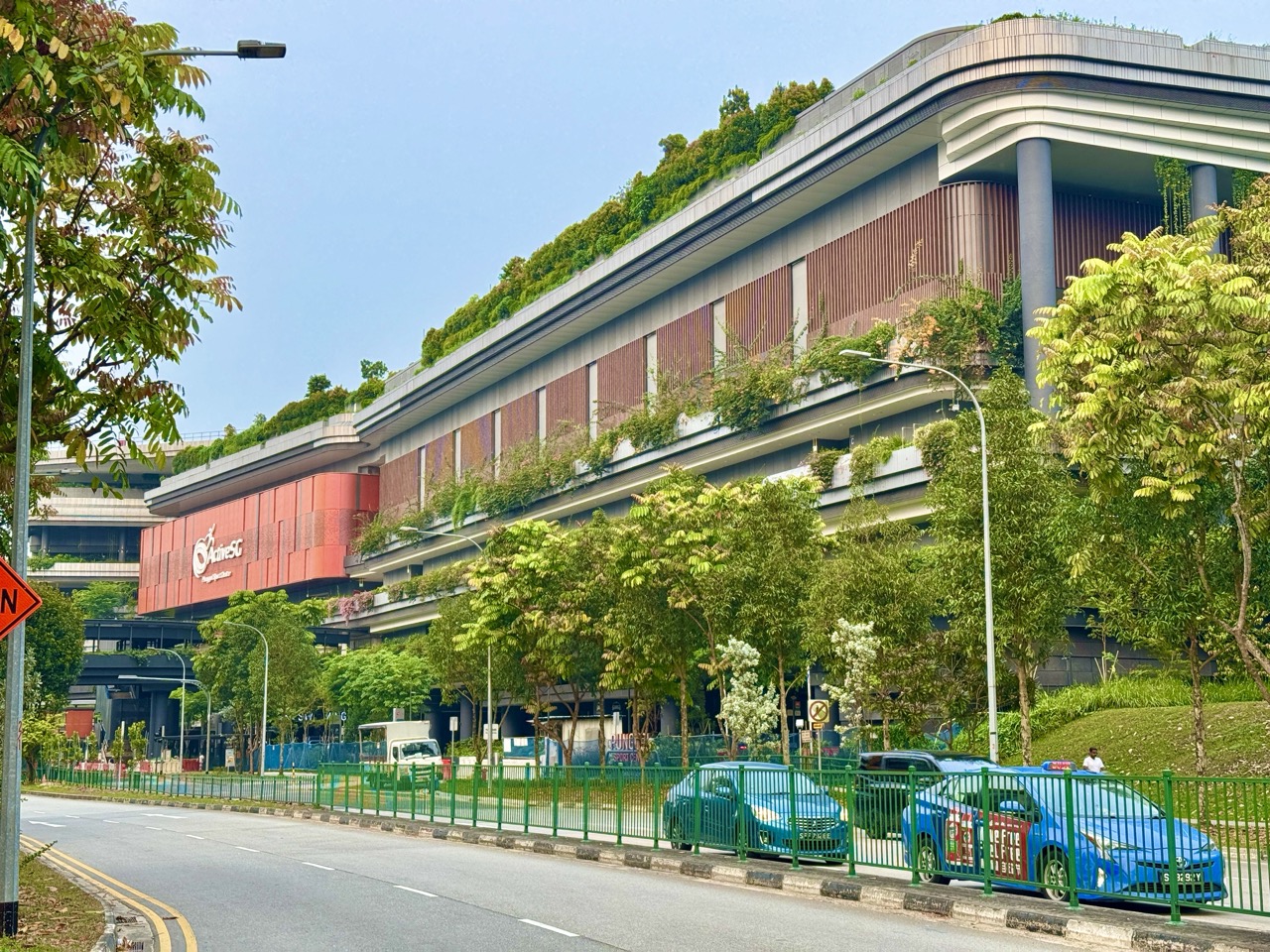
Badminton doubles drive practice can be arranged on an officially reserved badminton court at ActiveSG Punggol Sport Hall, Level 3 of Punggol Sport Centre, 11 Sentul Crescent, Singapore 828656. The 30 October 2026 first-hand venue review described thirteen badminton courts and confirmed that selected court bookings were offered during the soft launch. You still need to check MyActiveSG+ for a real available Badminton slot, actual price and operator conditions; an empty-looking court is not permission to enter. The venue is near Sam Kee LRT and SAFRA Punggol, so local players can organise short focused practice when a reservation exists.
A badminton drive is a relatively flat, quick shot that crosses the net and is common in doubles exchanges, where both teams often try to keep the shuttle low. A midcourt interception happens when a player recognises a suitable incoming shuttle and takes it with controlled timing before it can travel past into open space. These are not the same skills as a rear-court smash or a high defensive clear. This guide teaches compact forehand and backhand drives, racket readiness, safe midcourt positioning, partner coverage, controlled feed drills and the judgement to stop attacking when a lift is safer. Its goal is reliable doubles play, not a contest to hit every shuttle at maximum speed.
- Location: Punggol Sport Hall, Level 3, Punggol Sport Centre, 11 Sentul Crescent, Singapore 828656.
- Courts: 13 badminton courts were reported on 30 October 2026; current slots and fees must be verified through MyActiveSG+.
- Main skill: forehand and backhand drives travelling relatively flat and quickly over the net.
- Tactic: maintain a useful low shuttle trajectory while recognising when an opponent forces a different return.
- Midcourt interception: prepare the racket in front, observe the actual shuttle and use a compact stroke from a balanced reachable position.
- Doubles responsibility: partners must communicate and avoid chasing the same middle shuttle or interfering with each other’s racket paths.
- First drill: gentle flat feeds between two players, with generous targets and no hard smashing.
- Next drill: short forehand–backhand drive exchanges, then a controlled interception and recovery.
- Safety: proper indoor footwear, clear playing lanes, sensible pace and no drives deliberately aimed into a beginner’s face.
- Authoritative learning: https://www.activesgcircle.gov.sg/learn/badminton/the-different-types-of-badminton-shots-and-when-to-use-them and https://corporate.bwfbadminton.com/statutes/

Definition lock: a drive is a low, fast badminton return
A badminton drive is a shot whose flight tends to remain flatter and faster than a high clear. It may be struck from the forehand or backhand side and is often used in doubles to keep the shuttle below an opponent’s comfortable attacking height. The exact speed and trajectory vary with player skill, distance and incoming shuttle. A drive is not automatically a smash, which is directed more steeply downwards from an appropriate high contact.
An interception describes taking a reachable shuttle early enough to influence the rally before it travels into an awkward area. Some interceptions are drives, others may be blocks or controlled net replies. The useful learning goal is recognising which option suits the incoming shuttle while keeping the body balanced and the partner’s movement lane clear.
Why this is a different skill from smash defence
Our existing smash-defence guide begins with an opponent’s fast downward overhead and teaches blocks, lifts and defensive drives. This article starts from a more level midcourt exchange, where the shuttle may travel horizontally between pairs and several quick contacts can occur. The racket preparation, expected trajectory and tactical opportunities are different.
A player who only practises defending smashes may still struggle when an opponent sends a flat drive directly between partners. Conversely, a player comfortable with drives may be unable to dig a steep smash near the feet. Keeping these contexts separate makes each court session easier to understand and evaluate.
Why a drive rally matters in doubles
SportSG’s badminton stroke guide explains that drives are widely used in doubles because players try to keep the shuttle low. A flat return can make the other pair respond quickly, perhaps forcing an upward reply that creates an attacking opportunity. The shot’s success depends on legality, positioning and the opponent’s preparation, not solely on racket speed.
Cooperative drive practice gives two players an opportunity to build quick but controlled timing without demanding a long rear-court movement. The aim is developing a repeatable exchange that later supports doubles tactics. Beginners should start slowly; high speed without control simply ends every rally after one or two shots.
What is confirmed at the Punggol facility
A first-hand October 30 walkthrough described thirteen badminton courts in the Indoor Sport Hall on Level 3 of Punggol Sport Centre. The complex began partial operations on 27 October 2026, with the wider official opening scheduled later in November. Those details establish the venue, but not a particular free court at any given time. Public availability and charges must be checked on the current booking platform.
Select the Badminton facility in MyActiveSG+, review the allocated court number and respect the reservation start and end times. The Team Sport Hall used for basketball and volleyball is not the same area, even though both are on Level 3. Getting the correct room matters when a group has limited practice time.
Start with an achievable plan, not a full tournament
A drive-focused outing can be productive with two cooperative players and a valid court, subject to usage rules. The pair can spend a short block on forehand drives, another on backhand drives and a final block on alternating replies. Four participants can take turns as a doubles group when permitted, but do not need to stage competitive games immediately.
Agree before booking that the purpose is learning a particular flat stroke. One player who repeatedly attempts surprise smashes can prevent the other from practising. A clear shared goal makes court time more useful and avoids frustration between friends of different abilities.
Travel via Sam Kee LRT with time to warm up
Punggol Sport Centre is near Sam Kee LRT and SAFRA Punggol, beside the waterway. Local first-look reporting also describes buses and nearby access routes, but visitors should follow current signs and any construction diversions. Share the exact Level 3 Indoor Sport Hall and booked court number, not merely the address.
Arrive with enough time for suitable shoes, water, court inspection and a comfortable warm-up. A badminton drive is fast enough to expose a player who begins with stiff or unprepared movement. A short calm preparation is more valuable than racing from the lift straight into a high-speed exchange.
A low trajectory is useful only when legal
A drive should cross the net into the opponent’s legal court area. A shuttle aimed too low may strike the tape; one hit too flat and far can travel beyond the far boundary. The useful target combines manageable height, direction and length. A player who wins an occasional point with a hard drive but commits frequent faults has not yet developed reliable control.
Begin by aiming into a generous legal area instead of a narrow sideline. A cooperative partner can report whether the shuttle was comfortable to return. The first measure is repeated legal exchange. Speed can increase later when the stroke stays accurate.
Forehand preparation should be compact
A forehand drive may be made from the racket-hand side with the racket prepared in front of the body and a controlled forward contact. SportSG’s guide distinguishes its relatively flat trajectory from an overhead clear. The exact grip and movement depend on where the shuttle arrives. A huge backswing can be too slow when the incoming ball is close.
Practise a slow shadow movement before feeding shuttles. Keep the racket away from a waiting partner and avoid an exaggerated shoulder rotation. The aim is an efficient contact and a prompt return to ready position. A qualified coach can refine specific technique for an individual.
Backhand drives offer another route
A backhand drive can redirect a flat shuttle that arrives on the opposite side or directly in front of the body. In fast doubles exchanges it may be more practical than trying to run around every ball to play a forehand. A prepared backhand grip and compact movement help the player respond with less wasted time.
Begin with predictable low-speed feeds to the backhand side. Observe whether the shuttle travels into a broad legal target. Avoid forcing a sudden wrist snap; the movement should remain comfortable. Separate backhand practice is useful before the partner alternates directions.
Racket-up readiness reduces delay
When a flat shuttle approaches quickly, bringing the racket up from beside the leg can cost precious time. Keeping it ready in front allows a smaller response towards forehand or backhand. The stance should still feel relaxed and flexible rather than a rigid pose. Racket readiness supports decision-making because the player need not reorganise the whole body for every contact.
Start with one slow feed and rehearse returning to ready after the shot. A beginner who can recover calmly may handle the next exchange better even without striking the first drive harder. This small habit often matters more than a dramatic racket swing.
A balanced stance supports the first step
Badminton doubles involves movement to either side and modest forwards or backwards adjustments. A comfortable knee bend and foot spacing can make those changes easier. The stance should reflect individual mobility; forcing an extreme squat may create fatigue or pain rather than better control. The important quality is being able to stop and change direction safely.
Practise a small step left and right without hitting a shuttle. Then add a slow drive feed. If the person reaches awkwardly across the body, reduce placement variation. Better position often improves contact more effectively than additional arm strength.
See the incoming shuttle before choosing a side
A player may anticipate a forehand drive and commit too early, then find the shuttle travelling towards the backhand. Even an experienced opponent’s preparation is only a clue. The actual shuttle trajectory after contact should guide the response. A useful ready position keeps options open until the direction becomes clearer.
Begin with announced forehand and backhand feeds, then modestly vary the order. The purpose is learning to read and respond rather than guessing or flinching. A partner who sends full-speed surprises at a novice is undermining the training objective.
A drive should not be an uncontrolled swat
The word drive can make a beginner think the aim is to hit as violently as possible. Yet a wild swat may send the shuttle high, wide or out, and can leave the racket in an unsuitable position for the next return. A compact purposeful action with reasonable control is more useful for learning. The player should be able to repeat the movement several times.
Use a slow predictable feed and observe the shuttle’s landing. Change only one manageable technical factor at a time. Qualified instruction may help with persistent racket-face or grip questions. The immediate goal is a controlled exchange that both partners can sustain.
How the racket face affects direction
The direction in which the racket face meets the shuttle influences where the return travels. In a flat exchange, small changes can produce a cross-court or straight path. Beginners may rotate the wrist dramatically and lose control of the angle. A stable comfortable contact is a better foundation than attempting extreme deception immediately.
Choose one broad target and repeat several gentle drives. If the shuttle repeatedly flies wide, review the contact orientation rather than merely increasing power. A consistent feed makes the result easier to interpret. Tactical placement develops after basic legality.
Contact in front can be easier to manage
A shuttle met in an appropriate reachable area in front of the body may be easier to redirect than one allowed to travel behind the racket arm. When a player arrives late, they may twist or swing from an awkward position and then fail to recover. Early preparation and small foot adjustments help create a suitable contact zone.
Feed shuttles at comfortable pace until the player can repeatedly meet them without lunging. Do not require a specific universal centimetre distance from the torso; ability and incoming flight differ. Good contact should feel balanced and allow the next shot.
Do not chase drives into a neighbouring court
An incoming drive may travel wide enough that a beginner is tempted to step over a sideline into another group’s allocated space. That is not an appropriate recovery. Allow an unreachable feed to end rather than risk colliding with players on the adjacent court. The hall is shared, even when multiple badminton areas are visible.
Keep the practice route within the valid booking and retrieve stray shuttles only after a safe pause. A controlled missed return is better than a dangerous successful reach. Court awareness belongs in every technical lesson.
A straight drive and cross-court drive differ
A straight drive typically follows a more direct path along the hitter’s side, while a cross-court drive travels diagonally. The choice can change which opponent is forced to respond and what space becomes available next. Cross-court drives may need extra precision because their angle can leave gaps on the hitter’s own side if the reply is strong.
Start with straight gentle exchanges because they are easier to organise cooperatively. Later compare a broad diagonal target when both players can maintain control. There is no need to attempt narrow extreme angles during the first session.
Why drives should stay below an easy attacking height
One tactical purpose of a flat drive is preventing the opponent from comfortably hitting steeply downwards. A drive that rises high may offer the other pair an attacking opportunity. But trying to skim the tape so closely that most attempts hit the net is not useful either. The player needs enough margin to maintain legal play while managing the next shot.
During practice, ask the receiver whether the incoming shuttle was comfortable to attack downwards. A relatively flat legal shot that keeps the rally manageable is a useful first milestone. Tactical tightness can improve with experience.
An interception requires early recognition
A midcourt player may have an opportunity to intercept a shuttle before it travels into the rear court or crosses a partner’s natural contact area. The player must recognise the path early and move into a safe position. A late lunge can create awkward contact and a racket collision if the partner was also preparing. Timing and communication matter more than reaching every possible ball.
Begin with predictable gentle feeds to a known midcourt spot. The learner steps into a compact contact and recovers. Only later add an alternative location. The exercise teaches control over a reachable opportunity, not a promise to cut off every shuttle.
Midcourt is not a permanent address
In doubles, positions change with the rally. A player may be closer to the net when attacking, move deeper when defending or travel sideways to cover a drive. Midcourt interception describes a momentary action, not a rule that one partner must stand at the midpoint for the entire game. A fixed posture can leave other areas uncovered.
Use a simple exercise in which the player starts at a comfortable ready point and moves a few steps towards the incoming shuttle. Stop to discuss where the partner should cover next. This makes the practice tactically meaningful rather than merely a repetitive swing.
The middle shuttle belongs to the safer player
When a drive travels between two doubles teammates, both may see an opportunity to intercept it. Without an early call, both rackets can swing into the same space. The appropriate receiver depends on actual position, forehand or backhand access and team arrangement rather than a universal claim that one side always owns the middle.
Practise central gentle feeds with calls such as ‘mine’ and ‘yours’. One player strikes while the other gives room and prepares for the next ball. A good pair values safe complementary coverage, not an argument about who touched the shuttle first.
How doubles rotation affects drive exchanges
A front-and-back attacking formation may have one player preparing net interceptions and another covering deeper shots. A flat exchange can change that arrangement quickly when an opponent drives across the middle or forces a lift. The pair should watch where the shuttle travels and respond without both moving towards the same target. The front player need not intercept a shuttle that is already safely destined for the rear partner.
Start with a controlled drive pattern and pause after each pair of contacts to discuss coverage. More advanced formation practice belongs in our dedicated front-and-back rotation guide. Here the priority remains the quality of the flat return and its immediate partner interaction.
When a drive should become a defensive lift
If the shuttle arrives below a comfortable drive height or the defender is badly positioned, forcing a flat attack may be unreliable. A high defensive lift may create recovery time and make the opponents move towards the rear. That changes the rally’s tactical state but may be the sensible choice. Good players select a safe legal stroke based on what arrives.
A drill can deliberately alternate manageable shoulder-height and lower feeds, asking the learner to choose a drive or lift. Begin with announced targets rather than fast surprises. The value is judgement, not a rule that drives must always be returned with drives.
A block can also end a fast exchange
A player who receives a quick flat shuttle may choose a softer controlled block towards the front court if the opponent’s position makes it useful. This slows the rally and can change where the other pair needs to move. But a poorly placed high block may invite a quick net kill. The best choice depends on the actual incoming ball and coverage.
Introduce this alternative only after ordinary drive control improves. A partner can feed a consistent moderate ball and the learner selects a broad block target. The aim is purposeful variation rather than random changes of pace.
A high clear is not a failed drive by definition
An incoming shuttle that is awkward or deeply placed may call for a controlled clear to help the hitter recover. The shot is not inferior simply because it travels higher. What matters is whether it is legal, reaches a useful target and fits the rally. An exclusively drive-focused beginner may keep hitting into the net when a slower defensive return would be wiser.
During practice, allow the learner to reset a difficult feed with a legal clear rather than forcing a flat reply. This strengthens tactical reasoning. Our separate overhead-clear guide covers that stroke’s detailed mechanics.
First drill: shadow the racket-ready position
Two players can begin without a shuttle, standing at a comfortable distance with rackets prepared in front. One points left or right and the other makes a compact imaginary drive movement before returning to ready. This builds a basic response pattern without time pressure or collision risk. The drill must remain inside the assigned court.
Start slowly and keep the racket path clear of the partner’s body. If a movement is painful or unstable, simplify. A short shadow exercise can be more informative than immediately attempting full-speed exchanges.
Second drill: gentle straight drive rally
One partner feeds a moderate flat shuttle to the other’s comfortable forehand side. The receiver returns a controlled straight drive into a broad legal target. The partner feeds again, and both aim for a few repeatable exchanges rather than winners. Begin without scoring and pause whenever the shuttle becomes unsafe or too fast.
Count legal cooperative replies if it helps, but do not increase pace solely because a target number was reached once. A steady gentle rally can make grip, contact and recovery easier to observe. Rotate roles so neither person only feeds.
Third drill: backhand-only flat exchanges
Use predictable manageable flat feeds towards the backhand side and practise compact returns. Avoid trying to turn every ball into a forehand with a large sidestep. The aim is a comfortable legal backhand drive that leaves the player ready for the next shot. A short series of successful backhand contacts is a useful achievement.
If the racket face becomes inconsistent or the player reaches awkwardly, slow the feed. A qualified instructor can help with precise grip and contact mechanics. Do not force a wrist snap merely to make the exchange look faster.
Fourth drill: alternate the two sides
After forehand and backhand drives are separately comfortable, the feeder alternates locations in an announced pattern. The receiver takes a small controlled first step and selects the appropriate contact, then recovers. Keep the range short initially. The purpose is linking recognition and movement to the stroke.
Do not increase speed until both sides remain reliable. A person who repeatedly stumbles when switching directions needs a simpler drill, not harsher feedback. Learning can progress through accuracy and balance at the same modest pace.
Fifth drill: one midcourt interception
A player begins from a comfortable doubles ready position while the feeder sends a gentle shuttle through an agreed midcourt lane. The player steps forward or sideways, intercepts legally with a controlled drive and returns to ready. Stop after the contact to discuss whether the move was early and balanced.
Later add a second predictable feed to practise recovery. The skill is identifying the reachable shuttle and responding before it passes, not making a dramatic sprint. A safe legal interception is a worthwhile first goal.
Sixth drill: drive then lift decision
The feeder sends one ball at a manageable drive height and another at a lower or more awkward position. The learner is asked to choose a controlled drive on the first and a sensible legal lift on the second, then reverse the order. Begin with the choice announced so the player can understand the difference.
Once the movements are reliable, vary the feeds slightly while keeping intensity comfortable. The useful lesson is that the best response can change with contact height and position. A player who recognises an unsuitable drive opportunity is improving tactical judgement.
Seventh drill: front player calls the middle
Two doubles partners take safe positions with a cooperative feeder opposite. The feeder sends one gentle drive through a central lane, and a designated receiver calls early and intercepts it. The non-receiver stays clear of the racket path and covers the next possible return. Swap the assigned receiver after a few repetitions.
Do not try to create confusion through surprise speed. The goal is clear communication and safe coverage. If rackets nearly collide, stop and rehearse roles without a shuttle. A calm early call can be more valuable than a fast but risky contact.
Eighth drill: drive exchange to short block
Two players sustain a short controlled flat exchange, then one announces a soft block to a generous front-court region. The other practices stepping forward and returning legally. This teaches how a rally’s pace and length can change and why midcourt readiness matters. It is a learning modification rather than a prescribed match pattern.
Begin slowly and let the players prepare for the announced change. Later the block can be less predictable if both partners remain safe. The objective is making purposeful choices, not fooling a complete beginner.
A ten-minute introductory session
A first block can include a suitable warm-up, a few shadow racket-ready movements and gentle forehand and backhand feeds. Finish with a short cooperative drive rally if both people are comfortable. Ten minutes is only an illustrative portion of a confirmed booking, not an official ActiveSG class or guaranteed mastery timeline.
Choose one observation at the end: did the shuttle stay low enough to be useful, and could the player recover? A modest consistent stroke is progress. Avoid turning the introduction into a maximum-speed test.
A thirty-minute drive session
With legitimate court access, divide a half-hour between controlled forehand exchanges, backhand exchanges, an alternating feed and one short midcourt interception drill. Include rest and enough time for equipment collection. The exact number of repetitions should suit the player rather than an arbitrary quota.
Keep each drill’s objective clear. If the learner cannot return the simplest feed, make it easier before introducing a new movement. Quality of practice matters more than the number of difficult balls attempted.
A full-hour doubles learning session
Four players can rotate as two cooperative feeders and two defenders or interceptors, subject to the court’s usage terms. Begin with manageable flat feeds, then connect the pattern to early calls and simple partner coverage. A short friendly doubles game may follow when everyone wants to apply the skill.
Share the practice time fairly so stronger players do not repeatedly dominate through hard smashes. Leave enough time to vacate the court. A good social session should feel achievable and welcoming to the least experienced participant.
Why a fast exchange is not a fitness punishment
Rapid flat rallies can be tiring for the hands, legs and concentration. A beginner who starts losing racket control may also swing dangerously near a partner. The lesson should include short blocks and ordinary breaks rather than repeated exhausting intervals. Technical learning is only useful when the player can still observe and make deliberate choices.
Rest or slow the feed when movement deteriorates. A pair can learn more from five controlled exchanges than fifty chaotic attempts. The purpose is repeatable sport skill, not proving endurance.
Children should not face hard flat shots immediately
A young player may struggle with adult racket size, shuttle speed or the ability to react safely to a fast drive. An appropriate youth coach can introduce gentle feeds and suitable equipment under the venue’s rules. A public badminton booking does not automatically include coaching or childcare supervision.
Celebrate a child who holds the racket ready and returns a moderate shuttle legally. Do not aim full-force drives towards the face or body. A positive first experience builds confidence and future interest.
Returning adults can rebuild gradually
An adult who played doubles years ago may remember flat exchanges but find present reflexes, balance or wrist comfort different. Start with moderate predictable feeds and a comfortable ready position. Relevant conditions or previous injuries may require individual professional advice. Age does not define ability, but actual present readiness should shape the session.
An enjoyable local drive practice need not recreate competition pace. A short cooperative rally may provide enough challenge to renew confidence. The goal is a repeatable sport habit rather than one spectacular attack.
The floor and footwear affect quick stops
Midcourt drives often demand short lateral steps and rapid changes of direction. Suitable indoor shoes and a dry clear floor help prevent slips. Check for loose shuttles, spilled water or damaged surfaces before beginning. A player watching a fast ball may not notice a shuttle underfoot.
If the area appears unsafe, stop and inform staff rather than using the remaining paid time as a reason to continue. Keep bags and water bottles outside active movement lanes. Good facility use helps everyone enjoy the venue.
Do not cross into another court for a shuttle
With thirteen badminton courts reported in the hall, stray shuttles may enter neighbouring matches. Never run across an active rally to retrieve one. Pause, communicate politely and collect it only when the other players are safe. Feeding should stop while somebody is bending to collect in the target area.
Keep spare shuttles in a container and organise retrieval breaks. A controlled exchange should not create a mess across the hall. Public sports etiquette belongs in every training plan.
Know when pain or dizziness requires stopping
Sharp wrist, elbow or shoulder pain, significant dizziness, faintness, chest discomfort or severe unusual breathlessness should prompt stopping and appropriate assistance. A general guide cannot diagnose the cause or clear someone to continue. Repeated near-collisions and loss of balance are also signals that the drill is too fast or poorly organised.
A paid booking is not a requirement to complete every planned repetition. Rest or simplify when needed. Sustainable skill development depends on participants being able to practise safely again.
What if bookings are unavailable?
An official Punggol badminton facility listing does not guarantee every preferred hour can be reserved. If the calendar shows no suitable slot, choose another date or separately verified venue. Do not occupy an empty-looking court or use another sport’s booking for flat drive practice. A reasonable organiser confirms access before collecting money from friends.
Shadow preparation may be possible in a separate safe permitted space, but never swing rackets through busy corridors. Waiting for the right court is better than creating risk for pedestrians or other sports users.
A four-week drive and interception progression
Week one can focus on ready position and gentle straight forehand drives. Week two adds backhand drives and small footwork adjustments. Week three practises alternating sides and controlled midcourt interceptions, while week four introduces drive-versus-lift choices and partner communication in gentle doubles rallies. This is an illustrative recreational plan, not an official ActiveSG course.
Repeat earlier stages if contact or balance remains inconsistent. Progress may mean fewer out shots and earlier calls rather than ever faster exchanges. A short practice note can identify the next goal without turning every visit into a performance test.
Five common drive-exchange errors
First, an oversized backswing makes contact late; use a compact preparation. Second, sending the shuttle high can invite an easy attack; learn a manageable flatter flight. Third, stepping into the partner’s racket path can cause collisions; communicate early. Fourth, forcing a drive from a shuttle near the floor may create a fault; choose a controlled lift when appropriate. Fifth, failing to recover after one drive leaves the next ball difficult.
These are distinct problems, so the universal instruction ‘hit faster’ is not useful. A cooperative partner can report one observable issue, provide an easier feed and allow a few controlled repetitions. Qualified coaching may help with persistent technique concerns.
Frequently asked questions
Where can I practise badminton drives at ActiveSG Punggol? On a confirmed Badminton reservation at Punggol Sport Hall, Level 3, 11 Sentul Crescent. How many courts were observed? Thirteen in the October 2026 walkthrough, with real availability subject to booking. What is a drive? A relatively flat, quick legal badminton return. Is it the same as a smash? No, the typical trajectory and contact context differ. Can I drive on both forehand and backhand? Yes, with suitable technique.
Should every smash be driven back? No, blocking or lifting may be safer. Must doubles partners always attack the middle? No; choose the reachable shuttle and communicate. Does a court booking include a coach? Not unless the authorised product specifically includes one. Can children practise? Yes with suitable pace, equipment and supervision. What if the floor is wet? Stop and follow staff instructions.
Sources and your next step
Venue details come from https://www.activesgcircle.gov.sg/learn/badminton/the-different-types-of-badminton-shots-and-when-to-use-them‘>ActiveSG’s badminton-shot guide identifies the drive as a flat, quick shot used widely in doubles. https://corporate.bwfbadminton.com/statutes/‘>BWF’s rules govern formal legality. Book actual badminton slots through https://edukatepunggol.com/2026/11/02/things-to-do-at-activesg-punggol-badminton-doubles-front-back-attacking-rotation/‘>our front-and-back attacking-rotation guide. Information reflects local venue conditions and rules as checked on 4 November 2026.


