
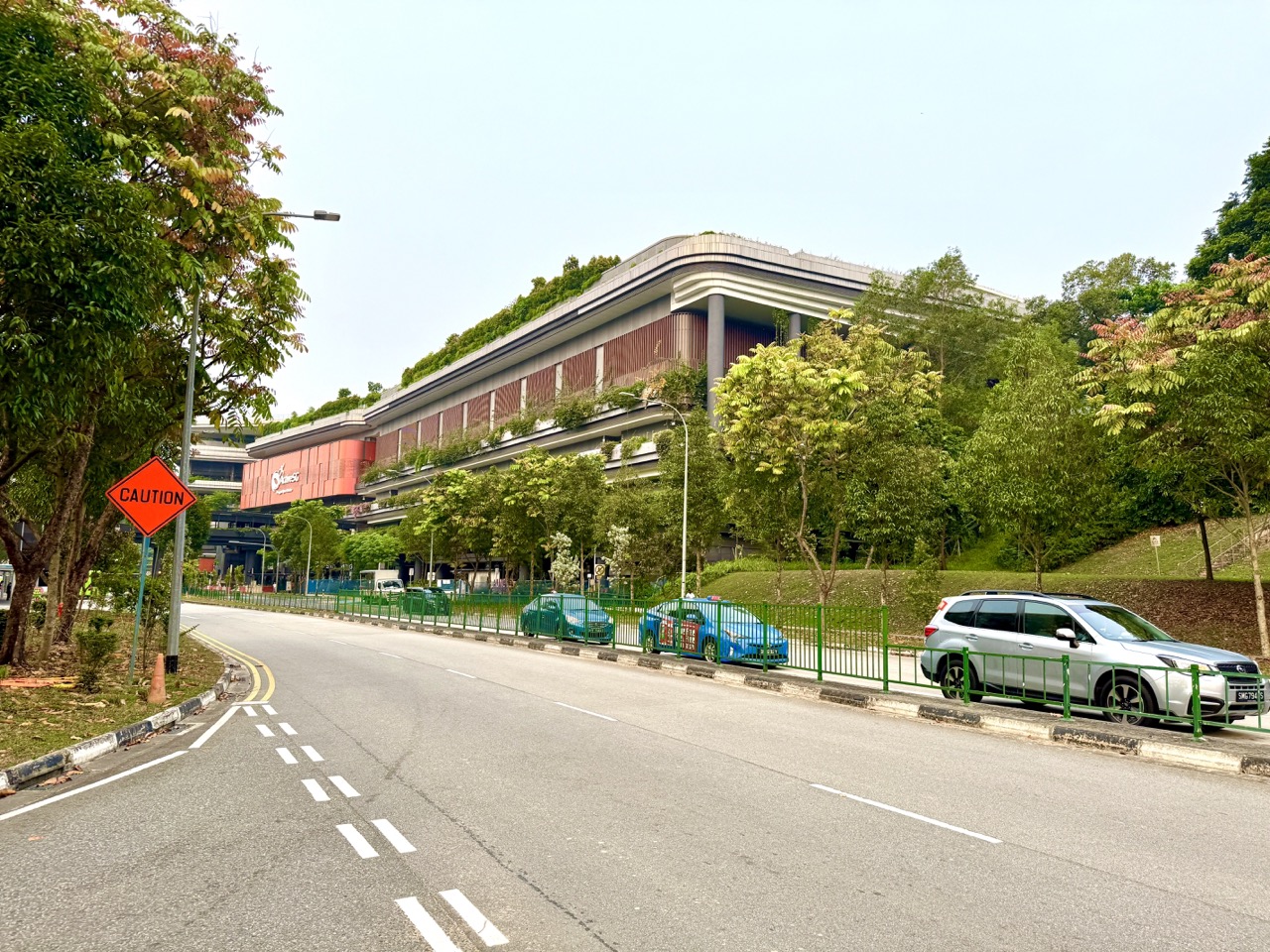
Table tennis forehand-and-backhand drive practice can be arranged at Punggol Table Tennis Area, within ActiveSG Punggol Sport Centre at 11 Sentul Crescent, Singapore 828656. A 30 October 2026 first-hand walkthrough reported four tables in the Basement 1 table-tennis area, divided by tall netting, and table-tennis booking inventory appeared during the centre’s late-October soft launch. A court shown in a photograph is not a guaranteed vacant table, so confirm a real Table Tennis reservation, assigned table, time, price and operator rules through MyActiveSG+ before travelling.
A forehand drive and backhand drive are controlled attacking or rallying strokes that move the ball forwards across the table from the respective sides of the player’s body. A beginner first needs a stable stance, comfortable paddle grip, short preparation, contact near the appropriate point of the bounce and recovery before the next shot. This guide focuses on using those two drives to produce longer cooperative rallies, gradually changing placement and recognising common errors. It is different from our Punggol spin article, footwork article, legal-serve guide and family mini-tournament, each of which answers a separate learning need.
- Location: Punggol Table Tennis Area, Basement 1 of Punggol Sport Centre, 11 Sentul Crescent, Singapore 828656.
- Venue details: four partitioned tables reported in the 30 October 2026 on-site walkthrough; live reservations must be verified.
- Booking: choose the exact Table Tennis product through MyActiveSG+; one booking does not grant the whole room.
- Forehand drive: a controlled forward stroke from the player’s natural racquet side, commonly using coordinated body rotation and a measured arm action.
- Backhand drive: a compact forward stroke played from the opposite side, often with a square, balanced stance.
- Shared skill: watch the ball’s bounce, arrive in position, contact with control and recover before the next reply.
- Practice target: several cooperative legal returns before introducing harder pace or narrower targets.
- Equipment: suitable table-tennis bat, balls, approved indoor shoes, towel, water and valid reservation.
- Safety: no full-force smashes at beginners, no loose balls beneath quick feet, no leaning on tables or moving dividing nets.
- Official technique: https://www.activesgcircle.gov.sg/learn/table-tennis/table-tennis-forehand-and-backhand and https://www.activesgcircle.gov.sg/learn/table-tennis/solo-drills-for-table-tennis

Definition lock: what is a table tennis drive?
A drive is a controlled forward stroke intended to send the ball across the net into the opponent’s court with purposeful pace and direction. A forehand drive uses the paddle side that is natural to the player’s handedness, while a backhand drive is made from the opposite side, generally with a more compact motion. The stroke may include some topspin depending on contact and technique, but this page focuses on the basic repeatable rally action.
SportSG’s table-tennis introduction groups forehand drive, forehand push, backhand drive and backhand push as four foundational strokes. Learning both drives gives a beginner a useful pair of tools for ordinary exchanges rather than requiring every ball to be attacked with an elaborate spin. The purpose is producing a legal predictable next ball and recovering to play again.
Why the Punggol table-tennis room matters
The local first-hand walkthrough published 30 October 2026 described the Punggol Table Tennis Area on Basement 1, with four tables separated by tall netting intended to reduce interference from stray balls. Table tennis was among the activities appearing for booking during the soft-launch period. The facility offers a specific venue for practice near Sam Kee LRT and SAFRA Punggol, subject to real operator conditions.
The room is shared, so a booking for one table does not provide exclusive access to all four. Do not move dividers, enter another booked area or assume an empty-looking table is available. Use MyActiveSG+ to check the exact reservation and follow staff instructions when arriving. A well-organised practice makes use of the venue without disrupting other players.
Why drives are different from spin-only practice
A forehand or backhand drive may create a modest amount of spin, but the beginner’s main learning goal is a coordinated stroke that reaches the opposite side reliably. Our separate topspin-and-backspin article studies rotation and how ball behaviour changes. Here the questions are simpler: can the player recognise a forehand or backhand ball, meet it with a controlled motion and make the next shot playable?
Combining several technical goals can overwhelm a newcomer. Someone who tries to invent advanced sidespin, change footwork and hit maximum pace during the same exercise may learn little about any one of them. A drive-focused session isolates basic direction and contact. More detailed spin work can come later when the player understands the underlying movement.
Why drives are different from footwork-only drills
Footwork helps the body arrive near an appropriate contact point, but it does not by itself teach the paddle path or the timing of a stroke. A player may shuffle efficiently and still hit late or make uncontrolled contact. Conversely, a clean stroke from a stationary position may fail once the opponent moves the ball sideways. Drive practice connects these elements at a beginner-friendly pace.
The first drills can use predictable feeds so players concentrate on the action of striking. Later, introduce small movement demands without turning the whole session into a speed test. The objective is a usable ground-level rally skill supported by balanced foot positioning.
Getting to Punggol Table Tennis Area
Punggol Sport Centre is at 11 Sentul Crescent, beside SAFRA Punggol and near Sam Kee LRT. Visitors arriving via Punggol MRT may use the appropriate LRT connection or another safe current route. The large sports centre contains multiple halls and activity zones, so share the exact Basement 1 table-tennis name and table number with the partner rather than simply saying ‘meet at ActiveSG’.
Allow a few minutes for the current entrance route and any operational signs. During a phased opening, an old photograph may not reflect all access paths. Arrive in time to check the floor, prepare suitable shoes and inspect the booked table before play. A calm beginning supports better stroke learning.
Start with a comfortable bat grip
A player needs a secure grip that allows the paddle face to be controlled during both forehand and backhand strokes. Many recreational players use a shakehand grip, while others learn penhold or different variations. The specific technique can differ, and a person should not be forced into an uncomfortable hand position simply because a famous athlete uses it.
SportSG’s stroke guide explains basic forehand and backhand preparation, which can help a learner understand how the paddle moves. If grip remains uncertain, a qualified instructor can demonstrate a suitable option. The first goal is being able to direct a slow ball without squeezing so tightly that the wrist or forearm becomes rigid.
Recognise the forehand side
For a right-handed shakehand player, a forehand commonly involves striking the ball on the right side of the body; a left-handed player’s natural forehand side is reversed. A beginner should learn where the ball must arrive for a comfortable forehand drive rather than attempt to reach across the whole table from one fixed position.
A partner can begin by feeding gentle balls towards the expected forehand area. The learner prepares the paddle and meets them with a controlled forward motion. Do not add rapid side-to-side variation immediately. Clear identification of the stroke is a simple but important foundation.
The forehand starting stance
SportSG’s forehand guide recommends positioning the body so the ball arrives on the natural hitting side, with feet comfortably spaced, knees bent and a slight body turn. For a conventional right-handed forehand, the right foot may be placed a little behind the left. These are general teaching cues rather than a rigid geometric prescription for every player.
The stance should allow the learner to rotate and recover without losing balance. An extreme crouch is unnecessary for someone who is still learning a slow drive. If the position causes pain or discomfort, use an appropriate adaptation or seek guidance. The purpose of the stance is making contact more controllable.
Turn the body a little during preparation
A forehand drive can use coordinated rotation from the hips and trunk rather than only swinging the arm. SportSG describes a modest backswing and weight transfer as part of the stroke. A beginner can practise turning slightly towards the forehand side while keeping the paddle ready, then moving forwards through the ball. The movement should feel controlled rather than exaggerated.
Do not force a very large torso twist or a full-power swing on the first attempt. A slow predictable feed makes the sequence easier to understand. If the learner consistently hits late, look at when they began preparing before simply telling them to move faster.
Watch the bounce before contact
A table-tennis ball may bounce and change direction quickly, particularly when the incoming shot carries spin. SportSG’s basic forehand teaching describes contacting around the peak of the bounce as a useful introductory timing reference. That is a teaching choice, not a rule that every stroke must be hit at one exact height. Advanced players may choose different timings for tactical reasons.
During a beginner feed, ask the learner to recognise the bounce and make a controlled contact while balanced. If the player swings before the ball arrives, reduce speed or allow a clearer preparation cue. Timing becomes easier when the incoming ball is predictable and the paddle is ready.
The forehand drive is more than a wrist flick
A forehand drive involves a coordinated action through the arm and body, with the paddle face directing the ball into the other half of the table. A sudden isolated wrist snap may produce unpredictable direction, especially for someone new. A compact controlled forward stroke is easier to repeat than a violent flick.
Begin with short-distance cooperative feeds. Observe where the ball lands and whether the player can return to ready position. If the shot travels out, reduce force before attempting a complicated technical correction. The goal is a reliable rallying stroke.
Follow-through should finish in control
SportSG’s forehand guidance describes a follow-through that leaves the paddle in front of the body pointing generally towards the intended shot direction. That finish supports control and makes it easier to prepare for the next ball. A beginner who stops abruptly at contact or twists violently may have difficulty recovering.
Practice completing the forehand and returning the paddle towards a comfortable ready position. The rally is not over merely because one stroke has been made. A simple recovery habit helps the player respond when the partner sends the next gentle return.
Recognise the backhand side
A backhand drive is generally played with the paddle moving across the front of the body from the opposite side of the forehand. For many shakehand players it is a compact stroke made with the body relatively square to the table. The exact orientation depends on grip, handedness and technique. It should be taught as a distinct movement rather than a small forehand made in the wrong direction.
Begin with slow feeds towards the backhand area and let the learner prepare the bat near the body before moving forwards. The early objective is comfortable contact, not maximum speed. A qualified coach can help with unusual grip or positioning questions.
The backhand ready position
SportSG’s backhand teaching emphasises a balanced, relatively square stance with knees slightly bent and both arms prepared in front. This enables a compact stroke without a large shoulder rotation. A player should be able to move a small distance left or right to meet the ball rather than twisting the wrist from an awkward reach.
Practice the position without a ball before adding a feed. The learner can hold the paddle in front and identify the area where a backhand contact feels natural. If balance becomes uncomfortable, adjust the setup. A reliable backhand begins with readiness, not a last-second swing.
The short backhand backswing
A backhand drive often uses a compact preparation in front of the torso. SportSG’s guide describes bringing the racquet towards the body while staying balanced, then moving it forwards to strike. A newcomer who takes an enormous backswing may contact the small ball late. The available time in table tennis is limited compared with many other sports.
Use a gentle incoming ball and practise a small controlled action. Observe whether the paddle is ready before the ball reaches the striking area. If the player becomes rushed, reduce the feed speed rather than increasing swing size. A compact stroke can be highly useful during ordinary rallies.
The backhand forward contact
On a basic backhand drive, the paddle travels forwards towards the ball with an appropriate face angle and timing. The player should not rely on a violent wrist movement to produce every return. A comfortable action involving arm control can make the ball’s flight more predictable. The exact motion should follow suitable technique instruction for the person’s grip and ability.
Ask the partner to feed a slow ball into the same area repeatedly. The learner tries to direct it to a broad target in the opposite half of the table. A consistent legal return matters more than a fast isolated hit. This helps separate technique from the excitement of competition.
The backhand finish prepares the next stroke
SportSG’s backhand guide describes following through towards the intended ball direction and recovering to a ready position. Beginners sometimes keep the paddle extended across their body after contact, becoming late when the next shot comes to the forehand side. A short purposeful finish helps the next decision happen more quickly.
Practise a backhand drive followed by a return to ready without a second ball at first. Then add a gentle predictable follow-up feed. The lesson is that every stroke belongs to a sequence, and good recovery makes longer rallies possible.
The ball needs to bounce on the opponent’s half
A table-tennis drive must send the ball into the opponent’s legal playing area under the relevant rules. The ball may touch the net assembly and still be returned legally in a rally if it otherwise reaches the proper side. Hitting the ball very hard without a legal landing does not make it a successful stroke. A beginner should know the table’s boundaries before practising placement.
Choose a broad legal target. Do not aim constantly at the very edges or attempt trick shots past the opponent during the first lesson. A controlled shot landing comfortably inside the table creates a better opportunity for a cooperative rally. The goal is repeated useful contact.
Start with forehand-only cooperative feeds
One partner can feed several gentle balls towards the learner’s forehand side. The learner prepares, makes a controlled drive and recovers while the partner waits or sends another predictable ball. Begin without scoring and keep the pace manageable. A few good contacts are more informative than a large number of rushed misses.
After a short block, change roles so both participants learn. Ask whether the ball arrived near the intended target and whether the hitter could remain balanced. If not, reduce difficulty before introducing another change. The value is developing a consistent basic movement.
Then practise backhand-only feeds
A separate backhand block lets the learner concentrate on a compact stroke without constantly switching sides. Feed balls to a comfortable area and keep the target broad. The learner should avoid leaning onto the table or reaching so far that balance is lost. A small movement adjustment may be needed before contact.
Observe how the ball travels compared with the forehand drive. The player may naturally find one side more accurate. That is not a reason to ignore the weaker stroke. Gentle repetition and clear feedback can build confidence without forcing excessive pace.
A two-ball alternating drive drill
Once each stroke feels manageable, a feeder may alternate between forehand and backhand placements. The learner reads which side is appropriate, makes a small controlled movement, strikes and returns to ready. Begin with a clear pause between balls so the player has time to organise position. The goal is recognition and timing rather than speed.
If the player repeatedly misses when switching sides, return to separate practice blocks. Mixing skills should happen only when the basic movements can be repeated. A beginner who can make five slow alternating returns has achieved a useful milestone without needing a fast competitive exchange.
Why two controlled shots beat one huge hit
A player who strikes every ball as hard as possible may finish rallies after a single return, either by scoring or making an error. That can be exciting but offers little opportunity to practise repeatable stroke mechanics. Cooperative drives help both partners see how ball direction, contact and timing affect the next shot. Longer exchanges make small technical changes easier to notice.
Choose a moderate pace and agree that both people are trying to continue the rally. The objective is not a formal match score. A beginner can take satisfaction in a smooth exchange even when neither player attempts an attacking winner.
The four-ball rally milestone
A simple first goal is four legal alternating contacts between two players. Keep the feeds consistent and choose broad table targets. When both players can achieve four, try six or another manageable number. The particular count is less important than being able to repeat the sequence without extreme effort or losing balance.
If a rally ends, ask what happened rather than blame the person who missed. Was the ball hit too hard, contacted late or placed in an unexpected area? A useful observation gives the next practice a clear direction. A small achievable challenge supports confidence.
A forehand-to-forehand diagonal rally
Two players can position themselves so that forehand strokes travel diagonally across the table, using cooperative pace. The cross-table path gives a clear target and makes it easier to repeat similar movements. The exact arrangement depends on handedness; a right-handed and left-handed pair may need to adjust positions to keep the intended stroke consistent.
Use the existing table markings as references and do not add objects that could interfere with play. Begin with gentle contact. The purpose is establishing a predictable rhythm before introducing varied placement. A diagonal rally can teach control without becoming a race.
A backhand-to-backhand diagonal rally
A similar cooperative drill can concentrate on backhand returns. Both players aim towards the other’s comfortable backhand area and try to keep the ball in play. This reduces the need to improvise a forehand from an awkward position. It can be especially useful for new players who rarely choose to practise the backhand deliberately.
Start with a broad target, then slowly add slight side variation. The goal is repeatability. If the ball repeatedly travels long, reduce force or refine contact under suitable guidance. Accurate backhand placement can become a valuable part of ordinary recreational games.
A drive and push are not the same
SportSG identifies the drive and push as separate foundational strokes. A drive generally uses a more forward attacking or rallying action, while a push is often a controlled return against backspin with a different paddle path. A beginner who switches randomly between the two may struggle to understand why ball flight changes.
During drive practice, ask the feeder for manageable balls that suit the intended stroke rather than heavy unpredictable backspin serves. Later, the player can learn pushes as a separate technique. Keeping the exercise focused prevents technical overload and respects the subject of this guide.
Topspin may appear without a spin-focused lesson
A drive may impart some topspin, depending on paddle path and contact. That does not mean a beginner must learn an advanced looping stroke before making a useful return. A controlled drive that clears the net and lands legally is a sound foundation. Spin becomes a more deliberate tactical choice as the player understands ball contact.
For detailed rotation work, use the separate Punggol topspin-and-backspin article. This lesson prioritises stance, timing, direction and rally consistency. A simple technical distinction helps the reader choose a practice session that matches their immediate goal.
Why incoming backspin changes the drive
A ball with strong backspin can behave differently at contact from a simple flat feed. A beginner who applies an ordinary drive without recognising that spin may send the ball into the net. This is not necessarily evidence that the drive is fundamentally wrong. The incoming ball is a different challenge. A qualified coach can help explain appropriate stroke choices.
Start with consistent easy feeds while learning the basic drive. Introduce spin variation deliberately later rather than switching every second ball unpredictably. Progress is easier to evaluate when one factor changes at a time.
Movement into position still matters
A player may know the correct paddle stroke but miss because the ball arrives too far away from the body. Small side steps and forward or backward adjustments can help reach a comfortable contact point. ActiveSG’s footwork guide explains those patterns separately. In this drive lesson, use only enough movement to support the stroke rather than turning the drill into a speed competition.
Begin with feeds to a predictable location, then vary the position slightly. If the learner reaches desperately or leans on the table, reduce the difficulty. Better foot position often improves shot accuracy without the player needing to swing harder.
Recovery to ready should become automatic
After a forehand or backhand drive, the paddle and body need to be prepared for the next ball. A player who holds the finish and watches the shot may be late when the partner returns it. Practise bringing the paddle back into a comfortable ready position after each stroke. The exact stance depends on the player’s grip and position.
Use a simple rhythm such as ‘prepare, hit, recover’ during slow cooperative practice. As the sequence becomes natural, reduce the verbal prompts. The goal is a flowing rally rather than isolated movements that end after each ball.
Why a table tennis ball does not behave like a tennis ball
Table tennis balls are much smaller and lighter than tennis balls, and the table is correspondingly compact. They can react noticeably to spin and bounce changes, giving players limited time for preparation. A beginner arriving from lawn tennis may initially use an overly large swing or stand too far from the table. The sport needs its own timing and movement scale.
Use a compact comfortable action and observe the ball closely. Do not assume a lawn-tennis forehand should be copied literally. Learning the differences makes the session more effective and reduces the temptation to hit harder when control is the real issue.
The first ten-minute drive lesson
A short introductory block can begin with comfortable warm-up and grip preparation, followed by several gentle forehand feeds and a small backhand block. End with an easy cooperative rally if the learner is ready. Ten minutes is an illustrative use of booked table time, not a guarantee of technical mastery or an official ActiveSG class.
Focus on one specific question: can the player contact the ball around a manageable bounce point and send it back legally? If not, reduce feed speed or adjust positioning before adding another skill. A small improvement is a useful outcome.
A thirty-minute forehand and backhand session
With a confirmed table, divide time between forehand-only practice, backhand-only practice and slow alternating feeds. Allow rests, collect balls and leave enough margin for the next booking. A pair should rotate roles fairly rather than letting one person feed for the whole half-hour. The purpose is a balanced learning experience.
Ask whether each stroke became more repeatable and what error still appears. A short practice note can identify a future drill. The learner does not need to finish physically exhausted. A controlled session may be more valuable than a longer competitive game.
A one-hour cooperative rally practice
Two players can use the first part to warm up and practise individual drives, then alternate sides and set simple rally targets. A brief friendly game can follow when both want it. Keep the ball pace suited to the less experienced person. Avoid turning every exchange into a smash contest that stops meaningful practice.
Respect the table reservation time and any room rules. Collect spare balls, check for belongings and make the table available to the next users. A good hour creates both technical confidence and positive social experience.
How to share the table with a less experienced partner
An experienced player may have a much faster drive, but that does not mean the beginner benefits from facing it immediately. The stronger partner can provide controlled predictable balls and leave space for the learner to practise. Agree on the objective before starting. A good partner values repeatable rallies rather than proving superiority through every shot.
Rotate the feeding role and offer specific feedback only when helpful. The learner may need several attempts to build a comfortable backhand. Encouragement and an achievable pace are more useful than public criticism after each miss. A shared table should be welcoming.
Why holding the paddle too tightly can be unhelpful
A very tight grip may make the hand and forearm tense and reduce the player’s ability to adjust the paddle face comfortably. The paddle still needs to remain secure, but a beginner should avoid squeezing so hard that the wrist or elbow becomes painful. Appropriate grip tension varies with the stroke and individual technique.
Pause during practice and check comfort. If the hand aches or the player loses control of the bat, stop and seek suitable advice. A qualified coach can help identify the correct grip for the person’s equipment. More force is not always the solution to inconsistent contact.
What if the drive repeatedly hits the net?
A ball that goes into the net may reflect contact height, paddle angle, timing, incoming spin or the player’s stance. Do not assume the answer is simply to swing harder. Reduce the feed speed and examine whether the ball was met in a comfortable position. Choose one possible correction at a time.
For a beginner, a slightly more generous safe trajectory may help establish legal returns before refining pace. A qualified instructor can diagnose persistent technique issues. The practice should produce understanding rather than a collection of frustrated powerful errors.
What if the ball repeatedly flies off the far end?
An overhit drive can travel beyond the opponent’s end of the table. The player may be swinging too forcefully or contacting with an unsuitable face angle, although incoming spin and timing can also contribute. Begin by returning to a gentler predictable feed and a broad target within the table.
Do not insist on hitting the edge during the first lesson. A ball landing comfortably inside the opponent’s side keeps the rally alive and gives both players useful practice. Accuracy and controlled pace are meaningful beginner goals.
What if one side is consistently weaker?
Many players find their forehand and backhand develop at different rates. The weaker side may involve a less familiar grip angle, preparation or movement pattern. A good practice plan gives that side a short predictable block rather than avoiding it altogether. The first goal is comfortable contact, not immediate equality with the stronger stroke.
Use positive feedback and gradual progression. A beginner who makes three reliable backhand returns has improved even if the forehand rally lasts much longer. Skill grows through repeated appropriate practice rather than shame or pressure.
The importance of a clear table boundary
The table-tennis room was reported with high netting between tables. This reduces some stray-ball interference but does not create unlimited movement space. A player who takes very wide steps during a drive drill may approach a divider or another user’s area. Keep movements within the authorised table space and avoid touching or leaning on protective nets.
Do not rearrange the tables to simulate a larger playing area. The equipment belongs to the venue and should remain as configured. If a drill does not fit, simplify it. A good coach or practice partner works with the actual safe environment rather than altering public fixtures.
Loose balls can undermine good footwork
Table-tennis balls can roll beneath a player’s shoes or into the spaces between tables. During quick position changes, someone may step on a ball without noticing it. Keep spare balls stored in a suitable container and collect missed balls at safe pauses. A large number of scattered feeds may create more problems than it solves.
If a ball enters another active playing space, wait and communicate politely before retrieving it. Do not run through another rally. A good public-gym habit includes awareness of people sharing the same facility, not only attention to one’s own score.
The table is not a support rail
A beginner who reaches too far may put the free hand on the table to steady themselves. Under official rules, touching the playing surface with the free hand during a rally is a fault, and heavy leaning can damage equipment or cause instability. Better positioning and the willingness to let an unreachable ball go are safer than diving across the table.
Use a gentle feed that the learner can reach without falling. The goal is a clean stroke and controlled recovery. A successful practice does not require returning every impossible ball. Sound judgement is part of technical development.
Children may need shorter rally goals
Children can enjoy table tennis because the equipment is compact, but coordination and attention differ with age. Use an appropriate paddle and gentle feeds, with responsible supervision under venue rules. A goal of two or three controlled exchanges may be more achievable than expecting a long adult-paced rally on the first visit. A qualified youth coach may recommend suitable adaptations.
Celebrate accurate contact and turn-taking rather than only winning points. A child who learns to prepare the paddle and return to ready has made useful progress. A positive local sports experience can encourage further practice without making every outing feel like an examination.
Older adults and returning players
Table tennis is enjoyed by people of different ages, but a returning player’s balance, vision or joint comfort may have changed. Begin with a comfortable pace and short rallies rather than immediately attempting intense wide-angle drives. Relevant health concerns may require individual professional guidance. Age alone does not determine readiness, yet the session should suit current ability.
A small friendly practice can provide movement and social connection without excessive intensity. The best result may be feeling confident enough to return next week. Sustainable participation matters more than matching a younger person’s ball speed.
Warning symptoms mean stop
Sharp shoulder, wrist or elbow pain, significant dizziness, faintness, chest discomfort or severe unusual breathlessness should prompt stopping and appropriate assistance. A text-based guide cannot diagnose symptoms or determine when an injured player may return. If a movement repeatedly causes discomfort, seek suitable technique or medical guidance rather than forcing the stroke.
A paid reservation does not make exercise compulsory through illness or pain. The right choice may be rest, a simpler activity or an early finish. Good sport habits include recognising when continuing would create unnecessary risk.
Privacy and filming at the table
A phone or tripod placed beside a table can interfere with footwork or block another user. Photographing strangers or children without proper consent is intrusive and may violate venue rules. Follow the operator’s current photography conditions before recording. A shared public room is not automatically available for a private video shoot.
A short note about the forehand or backhand timing may be enough to remember progress. If a qualified coach needs video feedback, arrange it safely and lawfully. The main activity is the practice itself, not publishing somebody’s mistakes.
What if all tables are booked?
A table-tennis listing in MyActiveSG+ indicates the facility exists, not that a slot is available at a desired time. If no suitable reservation appears, choose another date or a separately verified venue. Do not occupy an empty-looking table without permission or borrow someone else’s booking. A clear plan prevents disappointment and disputes.
An off-table shadow movement may be appropriate in a separate permitted space, but do not turn busy corridors or walkways into a sports drill. If no suitable area is available, postpone. A good learning goal is compatible with responsible facility use.
A four-week drive-learning progression
Week one can focus on comfortable grip, forehand preparation and a few gentle legal returns. Week two develops the backhand drive separately, with a compact movement. Week three introduces alternating forehand and backhand feeds, while week four tries longer cooperative rallies and modest placement variation. This is an illustrative learning framework, not an official ActiveSG course or fixed performance timetable.
Repeat any stage when control remains inconsistent. A learner who manages several comfortable returns at the same speed has made progress. The best goal is a repeatable skill that makes future games more enjoyable, not a fast isolated winner produced through excessive effort.
Five common mistakes and useful corrections
First, an oversized backswing may make contact late; reduce preparation and begin earlier. Second, standing in the wrong place makes the arm reach awkwardly; move the feet before striking. Third, excessive force sends many balls out; use a gentler target-driven return. Fourth, forgetting recovery leaves the next stroke difficult; return the paddle to ready. Fifth, mixing advanced spin with basic drives too soon makes feedback confusing; separate the learning goals.
Each error has a different cause, so the command ‘hit harder’ is rarely a useful universal correction. A cooperative partner can identify one observable issue and help the learner repeat a suitable drill. Qualified instruction remains valuable for complex technical problems or discomfort.
Frequently asked questions
Where can I practise table tennis drives in Punggol? On a confirmed reservation at the Basement 1 Punggol Table Tennis Area, 11 Sentul Crescent. How many tables are reported? Four partitioned tables in the 30 October 2026 walkthrough, subject to live booking conditions. What is a forehand drive? A controlled forward stroke from the racquet-hand side. What is a backhand drive? A compact forward stroke from the opposite side.
Are drives the same as pushes? No, they are different foundational strokes. Do I need advanced topspin first? No, basic control is a useful starting point. Can two people practise? Yes, when a suitable table is legitimately booked. Does one booking cover the whole room? No. What if a drive repeatedly goes long? Reduce difficulty and review contact and force. What if the floor is unsafe? Stop and inform staff.
Sources and Your Next Step
https://www.activesgcircle.gov.sg/learn/table-tennis/solo-drills-for-table-tennis‘>SportSG’s solo-drill guide supports manageable practice, while https://www.ittf.com/handbook/‘>ITTF handbook. Check live Punggol reservations at https://edukatepunggol.com/2026/11/01/things-to-do-at-activesg-punggol-table-tennis-side-to-side-footwork-drills/‘>our separate Punggol footwork guide. This information reflects the 1 November 2026 venue situation and should be reviewed if operating conditions change.


