
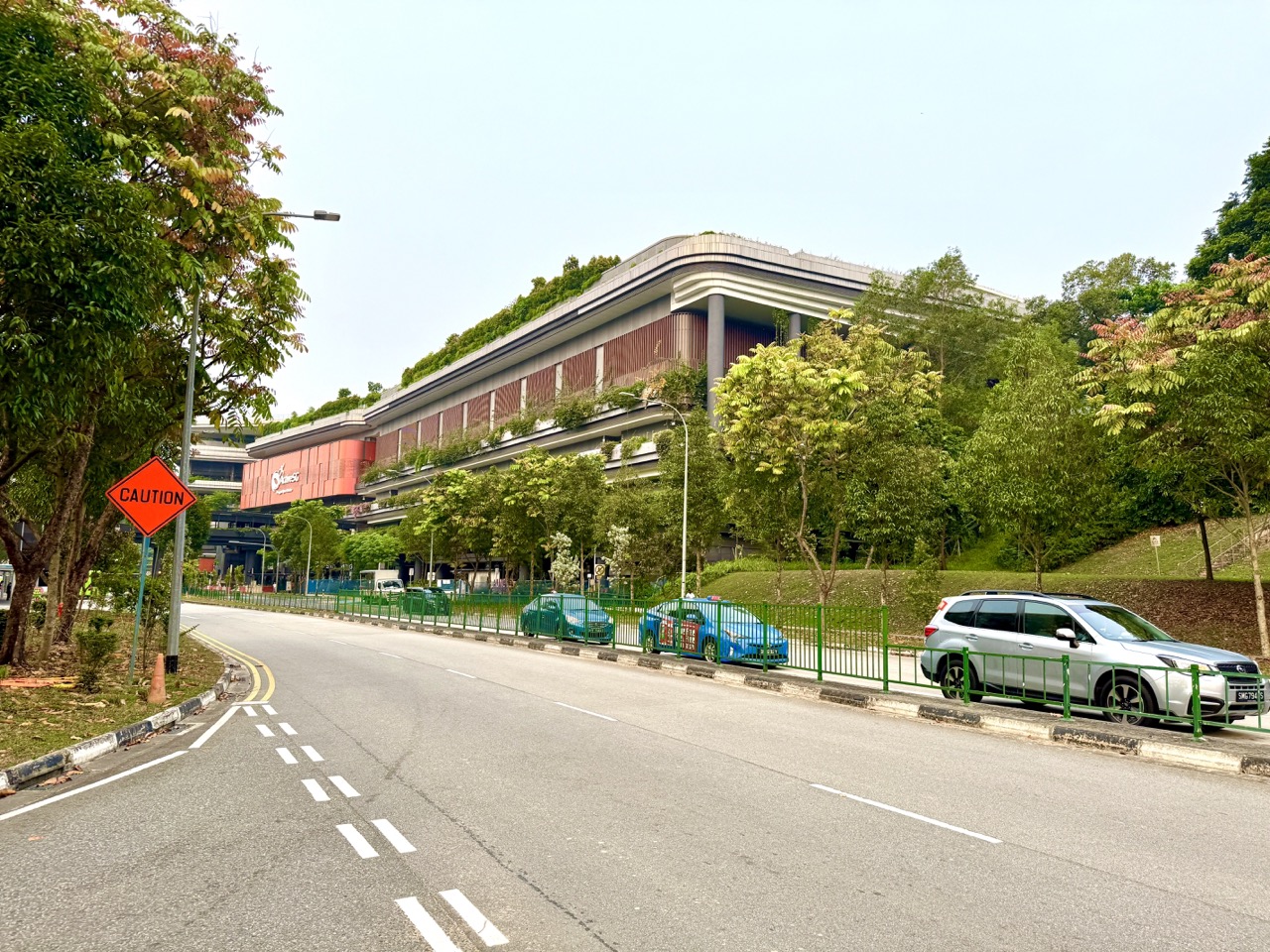
Stationary cycling is one of the activities available to investigate at ActiveSG Punggol Gym, on Level 2 of Punggol Sport Centre at 11 Sentul Crescent, Singapore 828656. An on-site report published on 30 October 2026 identified stationary bikes among the waterfront-facing cardio machines. The gym began operating during the centre’s soft launch, with published hours of 7am–10pm daily, subject to operational changes. The introductory free-entry offer ended on 31 October. From 1 November 2026, check your current pass and gym admission requirements through MyActiveSG+ before travelling.
An indoor cycling session can be as simple as adjusting the bike, pedalling at a comfortable effort and learning how to stop safely. You do not need to copy an intense spin class, own a cycling computer or compete with someone on the next machine. This guide is about using the stationary bike well: fit, body position, resistance, a manageable first workout, different needs across ages and how to turn one good session into a realistic habit. It is not an announcement that paid group cycling classes have begun at Punggol; those would need a separately verified programme.
- Venue: ActiveSG Punggol Gym, Punggol Sport Centre, 11 Sentul Crescent, Singapore 828656.
- Level: 2, within the public gym; stationary bikes were reported in the cardio area on 30 October 2026.
- Published gym hours: daily 7am–10pm, subject to live operator updates and closures.
- Admission: the October free-entry period has ended; check a valid current gym pass in MyActiveSG+.
- Exercise: indoor cycling on a stationary machine, not road cycling or an automatically included studio class.
- First-session priority: bike adjustment, comfortable pedalling, easy breathing and safe stopping.
- Check: seat, handlebar, pedal/foot position, resistance control and emergency stop instructions for the actual model.
- Bring: appropriate covered shoes, gym clothes, personal towel, resealable water bottle and account/entry method.
- Children: ActiveSG gym access begins at age 12 with additional requirements for users under 15.
- Official information: https://activesg.gov.sg/ and https://www.activesgcircle.gov.sg/facilities/punggol-activesg-gym

Definition lock: stationary cycling is not a road ride
A stationary bicycle is a fitness machine that allows the legs to pedal while the equipment remains in one place. Different models include upright bikes, recumbent bikes and studio-style cycles; the Punggol reports confirm stationary bikes but not the exact make, geometry or number available at any moment. Indoor cycling may involve resistance settings and a digital display, yet it does not automatically reproduce outdoor cornering, traffic awareness or bike handling. It is a useful exercise in its own right.
That distinction shapes the learning plan. A resident who cycles on Punggol’s park connectors may still need to adjust a stationary bike differently. A resident who has never cycled outdoors may find an indoor cycle more approachable because there are no road vehicles or balancing turns, although entering and leaving the equipment still requires care. Start by understanding the specific machine. Do not assume a home exercise-bike manual is valid for every gym model or that a commercial spin class is included with general admission.
Why Punggol’s location makes the bike worth considering
The gym sits near Sam Kee LRT and Punggol Waterway in a large sports precinct. Contemporary first-look reporting described cardio machines facing the waterfront. The scenery may make an ordinary exercise session more pleasant, but the activity itself is still a personal decision. A window view does not establish that every bike faces the same direction or is free at your chosen hour. Use the local convenience as an advantage, not as an expectation of a private scenic machine.
For someone whose schedule is crowded, indoor cycling removes some outdoor variables: a sudden shower, traffic crossings and the need to take a bicycle out of storage. It introduces its own constraints, including admission, queues and machine availability. An honest plan compares these trade-offs. On one day the indoor bike may suit you; on another a normal walk, a rest day or a permitted outdoor ride may make more sense. The goal is a sustainable choice, not loyalty to one piece of equipment.
Opening-week facts and how not to misuse them
Punggol Sport Centre entered its soft launch on 27 October 2026. Reports published on 28–30 October described the gym operating and identified stationary bikes, rowers and treadmills. Free gym entry during 27–31 October was a short promotion, not a permanent condition. The wider centre’s reported formal opening on 22 November does not mean residents must wait until that date to use the already operating gym.
A visitor should check the live operator page, gym pass conditions and any maintenance notices before travelling. A screenshot showing a free promotion cannot override the current account price after 31 October. Nor does an operating gym imply that the new swimming complex, futsal courts or stadium are equally available. The relevant activity here is a normal gym visit with a stationary bike as the intended machine. Keep every separate facility’s access conditions separate.
What to check at the entrance
Have the appropriate gym entry method ready. ActiveSG’s MyActiveSG+ guidance describes gym passes and accepted identity scanning options, with additional linkage and pass requirements for children aged 12–14. Your own account should reflect the current conditions. A gym admission admits an eligible user to the facility, subject to capacity and rules; it does not reserve a particular bicycle. A first visit should therefore leave time to choose an available machine.
Look for a gym orientation or ask staff where the relevant operating instructions are displayed if you are unfamiliar with the equipment. Notice the positions of changing rooms, drinking-water arrangements where provided, toilets and exit routes. Do not enter closed portions of the building simply because the sports centre is new. The best beginning is unhurried: identify your machine, inspect it and make sure you have a reasonable alternative if all bikes are occupied.
The first decision is which bike fits the body
An upright bike and a recumbent bike ask the body to sit and support itself differently. A studio-style cycle may use more forward-leaning posture and a different resistance mechanism. The model present at Punggol on your visit should determine the available adjustments. Do not assume the bike in a photo has the same seat arrangement as the one in front of you. Read the actual instruction label and ask qualified help when needed.
A person with a relevant back, hip, knee, balance or cardiovascular concern may need an individual recommendation rather than a generic blog setup. Some machines may be easier to mount or support than others, but no option is universally suitable. Select based on safe access and controlled movement, not which screen is largest. If the available machine cannot be adjusted comfortably, choose a different appropriate activity rather than forcing the position.
Set the saddle before setting a speed
Seat height changes how the legs move through the pedal circle. A saddle that is too low can make the knees feel excessively bent at the bottom of the stroke; one that is too high may cause the hips to rock or the rider to reach awkwardly. The correct setting depends on bike type and body proportions. Follow the equipment guide or staff orientation instead of copying an arbitrary numbered notch from another rider.
Adjust one thing at a time. Sit securely, position the feet and pedal slowly for several rotations. Ask whether the legs move without discomfort or dramatic side-to-side motion. If the adjustment mechanism is stiff or unfamiliar, stop before applying force. A first workout is much more useful when the body fits the machine than when the display shows an impressive distance.
Foot placement changes how secure a ride feels
Check whether the bike uses ordinary pedals, straps or a specialised attachment. Use only footwear permitted by the gym and secure the feet according to the machine’s instructions. A loose shoe or poorly positioned strap can be distracting when a pedal comes around. The foot should move predictably without slipping, and the rider should be able to stop and dismount safely.
Never improvise by tying the foot to a pedal or using a clip mechanism you cannot release. Ask staff for guidance if a device is unfamiliar. During the first few easy rotations, look for rubbing or discomfort. Some people have different foot or ankle needs and should follow individual advice. Being safely connected to the machine is more important than copying a cyclist’s racing position.
Handlebar position should support control
The handlebars help a person maintain comfortable posture and balance. Different stationary bikes allow different adjustments. A newcomer may prefer a more upright position when the equipment permits it, while an experienced rider may use another setting for a specific purpose. Neither should require the wrists, shoulders or back to endure obvious pain. The exact recommendation should follow the machine and individual ability.
Relax the hands rather than gripping fiercely. Keep the gaze generally forward rather than staring at the pedals for the entire session. If looking down at a monitor makes the neck uncomfortable, review the position. A machine that encourages an awkward reach is not automatically the right choice for you. The purpose of the handles is control and stability, not supporting a large amount of body weight through tense arms.
Learn the start, pause and stop controls
Before pedalling quickly, locate any start, resistance and stop controls. Some stationary bikes respond to manual resistance changes; others offer programmed workouts that alter effort. A newcomer should not launch a preset interval programme without understanding it. On certain designs, the pedals may continue moving briefly after the rider stops applying force, so it is especially important to follow the model’s stopping instructions.
Practise a calm finish before beginning the main activity. Lower effort as appropriate, let the pedals settle according to the manufacturer’s instructions and dismount only when stable. If the machine has an unusual control arrangement, ask for assistance. A person who knows how to stop has more confidence trying an unfamiliar speed. That is an elementary but important safety skill.
Resistance is not a judgement about strength
Resistance changes how difficult the pedals feel to turn. Beginners sometimes increase it quickly because they think a light setting cannot count as exercise. That is an unnecessary assumption. A manageable setting allows the rider to learn smooth pedalling and notice breathing before attempting longer or harder work. The numeric level is specific to the bike model and should not be compared directly with another machine’s number.
A high resistance setting with very slow, awkward leg motion may not be appropriate for a first session. Similarly, pedalling rapidly with almost no control is not automatically productive. Find a combination that feels steady and can be stopped safely. Progress may eventually include different resistance levels, but the early priority is learning what the equipment does and how your body responds.
Cadence and resistance are not the same
Cadence is the number of pedal revolutions per minute, sometimes shown as RPM. Resistance is the opposition the machine creates. Raising cadence and raising resistance are different changes, even though both can alter effort. A rider may move fast against light resistance or slowly against heavier resistance. There is no one universal RPM target that every beginner should chase during the first visit.
Start at a smooth, comfortable rhythm. If the legs bounce or the hips rock, reduce speed and review setup. If the pedals feel difficult to turn, reassess resistance rather than straining through the movement. Monitors may display approximate power, speed or distance, but those readings should support a sensible session rather than distract you from posture, fatigue and the people using nearby machines.
Why speed on a stationary bike is only an estimate
A gym bike’s displayed speed or distance is derived from its settings, sensors and assumptions. It does not necessarily equal the distance you would have travelled outdoors along Punggol Waterway. There is no wind resistance, road surface or balance demand in the same form. Two different indoor machines may report somewhat different readings for similar effort. Treat the numbers as equipment feedback rather than geographical facts.
During the first session, you may find elapsed time more useful than simulated kilometres. Ride comfortably for a manageable interval, then stop. Later you can compare similar sessions on the same machine type if that helps motivation. Avoid declaring that you have cycled to a distant town merely because the display shows a number of kilometres. The meaningful achievement is controlled movement, not a fictional route.
Begin with an intentionally easy warm-up
Spend the opening minutes pedalling gently and checking the bike setup. The point is to let movement feel familiar and notice whether anything seems uncomfortable. You need not begin with a heart-pounding sprint. When the legs move smoothly and breathing remains comfortable, you may choose a modest main effort that suits your ability. Anyone with relevant medical concerns should follow individual guidance rather than using this example as a prescription.
A warm-up also reveals practical problems. The saddle may need a minor change or the pedal strap may be rubbing. Stop and adjust safely instead of waiting until discomfort becomes pain. A simple pre-ride check saves far more trouble than it costs. The best new habit is not pedalling every day without exception; it is preparing consistently before asking the body to work harder.
A ten-minute first ride can be complete
A very short session may suit someone who is new, tired or simply learning the gym. Pedal gently for a few minutes, move to an effort that still feels controlled, then gradually slow down. Ten minutes is an example rather than a mandated dose or guaranteed fitness result. The purpose is to learn what the machine feels like and whether you want to return.
Finish by noting what worked. Were the seat and handlebars comfortable? Did the resistance setting feel manageable? Did you know how to stop? A first ride that answers those questions is useful even if you do not break a sweat. Making the activity approachable is particularly important for someone who has previously bought an exercise pass and stopped using it after one exhausting visit.
A twenty-minute steady ride
Once a rider has learnt basic setup and feels comfortable, a longer easy session may be appropriate. Begin gently, maintain a manageable pace and finish at a lower effort. The exact duration and intensity depend on training background and personal condition. Avoid using someone else’s twenty-minute speed as a goal. A person recovering from inactivity may benefit from a lighter plan, while an experienced cyclist may choose another structure.
Give the session a simple purpose, such as maintaining smooth cadence without constantly adjusting controls. If the bike or your body signals discomfort, stop and reassess. A steady ride is less dramatic than a series of sprints, but it can be easier to repeat. The ability to return consistently is often more useful than creating a single unforgettable workout that leaves you unwilling to visit again.
Intervals are an option, not an opening requirement
An interval session alternates periods of relatively greater effort with recovery. It can be used for particular training goals, but it is not necessary for everyone trying a stationary bike. A beginner who has not yet learnt the machine’s controls should avoid an aggressive pre-programmed workout. Sudden increases in resistance or pace can feel difficult and leave too little attention for posture.
If a qualified professional has helped you choose an appropriate interval routine, follow that plan while respecting equipment and personal limits. Otherwise begin with steady, comfortable pedalling. Faster is not always better. The right time for adding complexity is when the ordinary movement already feels controlled and the rider understands how to slow or stop without difficulty.
A thirty-minute visit should include transitions
A gym trip involves more than the minutes displayed on the exercise bike. You need time to arrive, gain entry, find equipment, adjust it, warm up, finish, wipe touch points and leave. A person with a thirty-minute window might choose a relatively short riding period rather than trying to force all thirty minutes onto the pedals. The best plan fits a real calendar.
A parent may need to collect a child, an office worker may have a bus to catch and a student may have homework. None needs to overrun those responsibilities to make the gym visit count. A clear beginning and end reduces stress. If equipment is occupied for the first ten minutes, shorten the ride instead of demanding the previous user surrender their machine.
How to judge effort without chasing a calorie target
Some bikes display estimated calories. This estimate can be affected by model assumptions and any user profile entered, and should not be treated as a precise statement about health or weight change. A first visit is better judged through comfort, breathing, posture and the ability to finish safely. The display can show time or cadence without becoming a judgement about the person using it.
If you feel dizzy, faint, unusually breathless or develop chest symptoms, stop and seek appropriate assistance. Do not try to complete an arbitrary calorie goal. For people who use a prescribed exercise intensity because of a health condition, follow the professional plan rather than a general online formula. Exercise should support everyday life instead of generating anxiety around numbers.
Stationary cycling versus outdoor cycling in Punggol
Outdoor cycling on permitted Punggol paths includes navigation, steering, braking, weather and interactions with pedestrians and other path users. A stationary bike avoids most of those variables but does not teach them. Someone preparing to cycle on the road should learn the relevant outdoor safety skills separately. An indoor session may help practise comfortable pedalling or build familiarity with cycling movement without replacing real-world bike handling.
Use each option for the task it does best. On a rainy day, the gym may offer a controlled alternative; on a pleasant day, an authorised outdoor route may be enjoyable. A person who loves scenery may still appreciate the stationary bikes’ reported waterfront-facing position. There is no need to declare one format superior. Practical choice depends on time, safety, access and what the user is trying to learn.
Stationary cycling versus rowing
Both machines can provide aerobic work, but the movements are different. Cycling concentrates on continuous leg pedalling with a relatively stable seated position. Rowing uses the legs, torso and arms through a coordinated stroke with a sliding seat. Someone who understands one may still need instruction on the other. A first visit to Punggol Gym does not require mastering both.
If you are deciding between them, consider comfort, ability and the particular machine available. The rower has its own technique requirements, while the bike has its own fit and pedalling controls. For a detailed rower explanation, see our separate Punggol indoor-rowing guide. Keeping the learning goals distinct prevents the two articles from becoming generic lists of gym equipment.
Stationary cycling versus a treadmill
A treadmill allows walking or running in place, while a stationary bike supports pedalling from a seat. A person may prefer one because of familiarity, enjoyment or a relevant physical consideration. Neither is universally safer or better for every body. Treadmill use involves moving belts and standing balance, while cycling requires careful seat adjustment and secure pedalling.
Try one unfamiliar machine at a time. Ask whether you can use it comfortably and follow its operating instructions. Someone who struggles with a bike’s mounting or posture may sensibly choose another appropriate activity. The practical value of a gym with several options is choice, not an obligation to use all machines in the same session.
For someone who has never learnt to ride a bicycle
A stationary bike can offer a first experience of pedalling, but it does not teach balancing, steering, starting on an outdoor bicycle or responding to traffic. Explain this to children and adults who are learning to cycle. A rider might enjoy the motion and gain confidence using leg muscles, yet still need a separate balance-bike or outdoor cycling lesson in a safe authorised environment.
Do not use the stationary bike’s speed display to decide that someone is ready to cycle on park connectors. The outdoor world has entirely different safety demands. An indoor gym session can be one useful part of a broader active lifestyle, but describing its limits is as important as describing its possibilities.
A student using the gym after school
ActiveSG’s entry guidance allows gym use from age twelve, with a parent-linked MyActiveSG+ account and appropriate pass required for children under fifteen. The permission to enter does not mean every piece of equipment is suitable for an unsupervised beginner. Parents should verify current rules and consider orientation where necessary. A teenager’s session should be manageable alongside school commitments, meals and sleep.
A short, comfortable bike session can provide variety, but do not let social-media comparisons turn it into an aggressive sprint challenge. Discuss what the student learnt about adjusting the seat, respecting others and stopping safely. Those are worthwhile practical skills. The best habit is reliable exercise within an already busy life, not an additional performance test.
An older resident trying cycling for the first time
Some older adults enjoy seated exercise, but suitability depends on mobility, balance, health and the equipment’s access design. A recumbent bike, if available, may feel different from an upright one; neither should be recommended universally without considering the person. An older first-timer may need assistance entering, leaving or adjusting the bike. Ask about the actual available options rather than assuming a modern gym has every model.
Start with achievable movement and follow medical advice where relevant. The goal may be comfort and confidence rather than speed. A person who completes a short gentle ride and gets off safely has learnt something useful. A complicated training programme is not a prerequisite for using a neighbourhood gym.
What if your knee feels uncomfortable?
Knee discomfort during cycling can have many causes, including inappropriate bike setup or an underlying issue. A general article cannot diagnose it. Stop rather than pushing through pain to reach a time target. Review the machine fit only within the limits of safe adjustment, and seek suitable professional advice if symptoms persist or are concerning.
A common temptation is to raise resistance to prove strength even when the pedalling action feels awkward. Avoid that. Comfortable technique and appropriate effort matter more than an impressive level. People returning after injury or surgery should follow their own rehabilitation instructions and should not treat this guide as clearance for exercise.
What to do when all the bikes are occupied
The October walkthrough reported multiple cardio options, but did not guarantee an available bike at every hour. If the stationary bikes are busy, check the operator’s equipment-use rules and wait in a suitable space without hovering over another user. You might use a different familiar machine if appropriate, or return later. Do not claim an empty bike by placing your towel on it while doing something else.
A good plan remains flexible without becoming improvised high-risk exercise. If your first-choice bike is out of service, do not operate it anyway. Alert staff about defects and select an authorised alternative. A short gym visit can still be worthwhile when it teaches you how to navigate the facility calmly.
Clean and clear the equipment after use
ActiveSG’s facility rules ask gym users to follow appropriate attire and hygiene requirements, including bringing a personal towel. Wipe contact surfaces according to the gym’s instructions and return controls to a safe state. Do not leave water bottles, phones or towels on a finished machine. Move away from the equipment before lengthy messages so another user can begin.
Keeping the shared environment tidy is a small part of making the gym welcoming. Avoid commenting on another person’s speed or body. If someone asks a basic question, offer only guidance you are confident is correct and encourage them to consult staff for machine operation. A new public facility becomes more useful when people share it politely.
A four-week introductory cycling habit
Week one can focus on fit, start/stop controls and a short comfortable ride. Week two might repeat the same easy session and pay attention to posture. Week three can involve a slightly longer effort only if the earlier sessions have been comfortable and suitable. Week four can be a review of which days and times are actually sustainable. This is an example learning progression, not a medical prescription.
Do not require a weekly increase simply to satisfy the calendar. A person may prefer to repeat the same duration while improving confidence and breathing comfort. A short note after each visit can record the saddle setting, approximate effort and any uncertainty. The plan succeeds when it becomes easier to return safely, not when the distance display reaches a particular number.
A family day should not turn the gym into childcare
A household may want to combine a parent’s cycling session with children’s recreation nearby. That requires separate plans and supervision. Children who do not meet the gym’s age requirements cannot wait in the workout area simply because a parent has paid admission. Similarly, a play feature somewhere else in the precinct is not a supervised childcare programme. Confirm access and arrange an adult responsible for any child outside the gym.
Allow enough time for transport, toilets, meals and the journey home. A successful family day might involve one adult’s brief ride and a later public waterfront walk together, but the activities have distinct rules. Convenience is useful only when no child is left unattended and every area is being used legitimately.
Privacy, screens and the waterfront view
The reported Punggol gym layout places some cardio equipment by windows overlooking the waterway. A visitor might enjoy the scenery during gentle exercise, but the view should not distract from the controls or people moving nearby. If you take a photograph, follow gym rules and avoid capturing identifiable strangers. Do not obstruct someone else’s machine to obtain the best angle.
A phone can help record a workout, yet staring at it continuously can reduce awareness. Keep the volume low enough to hear staff instructions and maintain suitable attention to the equipment. Fitness does not need to become public content. A quiet, well-managed ride is a complete experience even when nobody outside the gym knows it happened.
When rain, haze or heat changes your plan
An indoor bike avoids some outdoor weather, but reaching the gym still involves travelling and obeying facility conditions. Heavy rain can affect the approach, while haze and illness may influence exercise suitability for some individuals. Check current advisories and relevant personal healthcare guidance. Do not assume that indoor exercise is automatically safe at any intensity during poor air conditions.
If a closure notice appears, choose a different day. If you feel unwell, do not attend merely to use a pass. A habit built with sensible flexibility is more durable than one based on never missing a session. The gym exists to support residents’ wellbeing, not to force exercise through circumstances that call for rest.
What a first visit can teach about managing habits
New equipment can make a routine exciting, but novelty fades. The more lasting question is whether you can fit the visit into ordinary life. Choose a feasible arrival time, pack a towel and suitable shoes, confirm your admission and use a modest workout. Make the second visit simpler by remembering what went well and which adjustment was confusing.
A person who sets an achievable goal develops confidence in returning. That may be a short ride every so often rather than a daily high-intensity programme. When a plan repeatedly fails, change the timing or scope instead of deciding the gym is useless. Sustainable activity comes from matching intentions to reality.
Five small case studies from Punggol
An office worker has twenty-five minutes before collecting dinner. They check the gym, choose an available bike, adjust it and perform an easy short ride without rushing the exit. A student aged fourteen arrives with the required parent-linked pass arrangement and focuses on learning safe controls instead of trying to match older gym users. A retiree explores which bike design is comfortable, seeking guidance as appropriate rather than forcing a difficult transfer.
A parent with a toddler arranges separate responsible supervision and does not bring the child into the gym as a spectator. A regular outdoor cyclist uses the stationary bike during poor weather but understands it does not replace safe outdoor road skills. In each case, success is defined by a sensible decision and a repeatable activity rather than by a number on the display.
Frequently asked questions
Does ActiveSG Punggol Gym have stationary bikes? First-hand October 2026 reporting identified them among the Level 2 cardio equipment. Are they individually reservable? Gym admission does not guarantee exclusive use of a particular bike; follow the operator’s equipment rules. Is gym entry free after 31 October? The introductory promotion ended; check MyActiveSG+ for the current pass.
Can a twelve-year-old use the gym? ActiveSG guidance allows entry from age twelve, with further parent-linked account requirements for those under fifteen. Do I need to buy cycling shoes? Use footwear accepted by the gym and any machine-specific requirements; expensive accessories are not essential for an introductory session. Is displayed bike distance real-world distance? It is an equipment estimate, not an outdoor route. What if I feel pain? Stop and obtain suitable guidance.
Sources, review date and Your Next Step
This article uses https://www.asiaone.com/singapore/activesg-punggol-sport-centre-soft-launch-free-gym-entry‘>AsiaOne’s 29 October report for the soft-launch promotion and wider opening announcement; and https://www.activesgcircle.gov.sg/hubfs/6212555/ActiveSG%20Rules%20and%20Regulations.pdf‘>published ActiveSG facility rules cover gym attire and behaviour.
Your next step is to verify a current pass at https://edukatepunggol.com/2026/11/01/things-to-do-at-activesg-punggol-indoor-rowing-machine-technique/‘>our indoor rowing guide. This content describes the situation around 1 November 2026 and should be checked against operator updates.


