
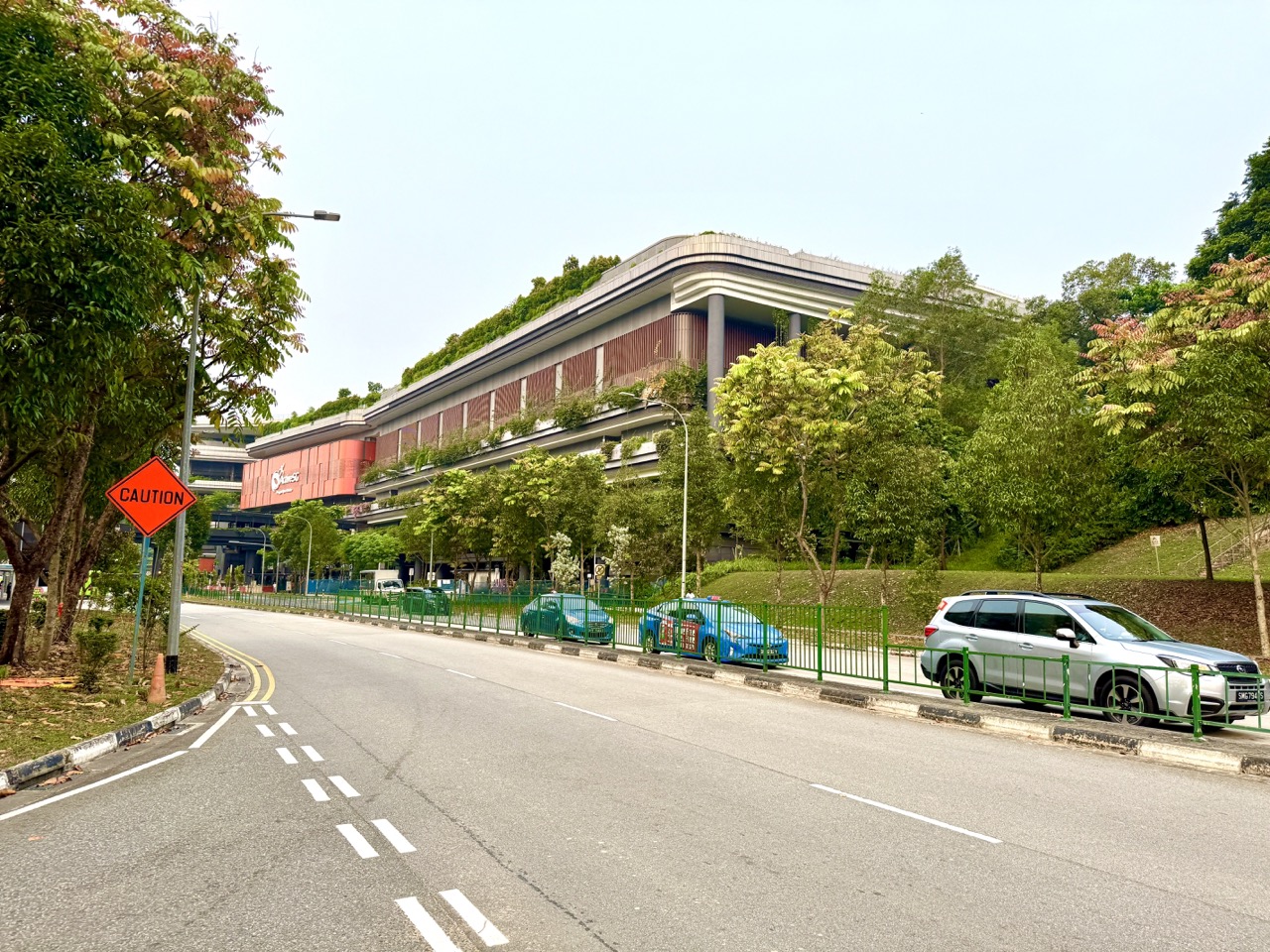
Pin-loaded resistance machines are among the strength-training equipment observed inside ActiveSG Punggol Gym, on Level 2 of Punggol Sport Centre, 11 Sentul Crescent, Singapore 828656. A 30 October 2026 walkthrough reported both pin-loaded and plate-loaded machines, as well as free weights, power racks and a Smith machine. The gym was already operating during its late-October soft launch. Its introductory free admission ended on 31 October, so anyone visiting from 1 November should check current gym entry through MyActiveSG+, the operating hours and any closure notice.
A pin-loaded machine lets a user choose a setting from an attached weight stack rather than loading loose plates onto a bar. The useful first activity is learning how the machine adjusts: identify its intended movement, read the diagram, set the seat, understand the original selector pin, move through a comfortable range and return the handles with control. This guide is for newcomers who want to make a sensible first attempt, not a personalised strength programme. A gym instructor’s orientation and the manufacturer’s instructions remain more important than a generic online workout.
- Venue: Punggol ActiveSG Gym, Level 2, Punggol Sport Centre, 11 Sentul Crescent, Singapore 828656.
- Equipment: pin-loaded resistance machines confirmed in the 30 October 2026 walkthrough, but exact models and availability may change.
- Gym hours: the published general hours were 7am–10pm daily, subject to operator updates.
- Admission: 27–31 October free promotion has ended; use a current entry pass.
- Machine purpose: practise a controlled resistance movement using a built-in selectable weight stack.
- Before moving: check instructions, seats, adjustment locks, original selector pin, cables and visible damage.
- Never: add loose plates or dumbbells to a stack, substitute a pin or adjust a suspended weight stack.
- First workout: choose a manageable task and rest as needed; stop for pain, loss of control or concerning symptoms.
- Youth: ActiveSG gym entry excludes children under 12 and sets additional rules for younger account holders.
- Official sources: https://activesg.gov.sg/ and https://www.activesgcircle.gov.sg/hubfs/6212555/ActiveSG%20Rules%20and%20Regulations.pdf

Definition lock: what does pin-loaded actually mean?
A pin-loaded resistance machine has a stack of weight plates attached to a movement mechanism through a selected plate. Its original selector pin connects the chosen stack level to the lifting mechanism. When the person moves an approved handle, lever or footplate, the selected part of the stack moves in a guided way. A seated row, a chest press or a leg machine may use this general design, but each movement is different. The machine’s diagram and model-specific instructions identify its actual intended use.
Pin-loaded is sometimes called selectorised. It does not mean the user can insert any metal rod that looks roughly the right size. The pin is a safety-critical component provided for that machine. Manufacturer guidance warns that a partially seated pin or an unauthorised substitute can result in unexpected weight movement. For a first visit, understanding the small selector pin is more important than reaching the largest number printed on the stack.
Why this is not another power-rack guide
Readers sometimes use the word weights for all strength equipment, but a power rack, a plate-loaded lever machine and a selectorised stack are not identical. A power rack is an open frame for appropriate free-bar exercises. A plate-loaded machine requires adding approved loose plates. A pin-loaded machine usually changes resistance through its fitted selector. Each design creates a different learning problem, particularly for people who have never trained in a public gym.
This page stays with the selectorised mechanism and the everyday questions it raises. How do you identify an adjustment pin? What if the weight stack is still moving? Why should you avoid adding a dumbbell? How do you know when the seat is correctly adjusted? A person who learns those basics can approach the gym more confidently without pretending they have mastered every strength movement.
Where to find the machines inside Punggol Gym
An October walkthrough described the spacious Level 2 gym with numerous pin-loaded and plate-loaded machines spaced around the strength area. It also identified cardio equipment and a separate green functional-training zone. The layout may change during normal operations, and an online photograph cannot tell you which station is free at a particular moment. Follow the current gym signs and staff instructions once you have entered with valid admission.
Take a brief orientation walk rather than rushing to the first empty seat. Notice where the equipment instructions are displayed, how users move between stations and where cleaning materials are kept. Do not reach over someone using a machine or move its pin while they are exercising. If you are unsure whether an item is a selector or adjustment control, ask. Shared equipment is safest when each user knows what they are touching.
The soft opening does not make gym rules temporary
Punggol Sport Centre began a phased soft launch in October 2026, and the Level 2 gym started operating before the wider complex’s announced formal opening on 22 November. The free-entry promotion ending on 31 October should not be mistaken for a permanent admission rule. Check MyActiveSG+ for the pass that actually applies to the date of your visit. The gym can operate while other facilities in the complex remain unavailable.
SportSG’s published gym rules remain relevant during opening celebrations. The operator may restrict overcrowding, require appropriate shoes and towels, and prevent misuse of equipment. You cannot use a swimming pass as a gym reservation or treat the public strength area as a private training studio. A new building changes your local options; it does not remove the ordinary responsibilities of a public sports facility.
Begin with an orientation, not a strength test
ActiveSG specifically recommends that new gym users approach a fitness instructor for orientation. That is a sensible way to learn where the machines are, how to read their instructions and which rules apply. A staff member may show you an appropriate operating process, but ordinary admission does not promise a complete personal training programme. If you need individual technique assessment, consider a qualified professional through an authorised arrangement.
Your first goal can be small: recognise one machine’s name, identify its movement path and learn how to enter and leave it safely. You may decide not to add a significant training load at all. That still counts as useful preparation. The confident beginner is not the person who chooses the heaviest setting; it is the person who knows what the machine does and when to ask for help.
The seat adjustment can change the entire movement
Many selectorised machines include a seat, backrest, handle or arm that can be adjusted to fit different body sizes. The relevant adjustment changes the starting position and direction of movement. If the seat is too high or too low, the user may reach awkwardly or move in an uncomfortable range. The correct arrangement depends on the exact model and the individual rather than a universal seat-number chart.
Before moving resistance, find the labelled adjustment control and confirm how it locks. Do not adjust an occupied machine or force a stuck lever. If a person of a different height has used the station, inspect the setup again instead of assuming their position suits you. A few calm seconds of adjustment can make a first attempt far more understandable.
A selector pin is different from a seat pin
The weight selector chooses the resistance in a stack, while a seat or arm adjustment pin locks the geometry of the machine. They may both be shaped like pins, but they do not perform the same function and are not interchangeable. Some manufacturers use different diameters or locking methods for each control. Look at the labels and the actual instruction diagram before touching either.
A newcomer who cannot identify a pin should not guess. Ask a gym instructor to point out the relevant controls. Never borrow a pin from another machine because it seems to fit. Manufacturer guidance warns that incompatible or incompletely inserted pins can create hazards. Recognising the difference between selecting weight and securing a seat is an important basic safety skill.
Check whether the stack is at rest
A selected weight stack moves when the machine is used and should return according to the model’s intended operating sequence. Do not move the weight pin while the stack is suspended or the mechanism is under load. A moving stack may pinch fingers, drop unexpectedly or damage equipment if altered at the wrong moment. Wait until the machine is safely at rest and follow the manufacturer instructions.
If you see a weight stack jammed above its resting position, stop and report it. Do not pull the cable, kick the plates or attempt to dislodge them yourself. A maintenance concern should be handled by the operator. There is no need to finish a set on faulty equipment to make the visit worthwhile. Safety includes recognising a mechanical problem and leaving it alone.
Use the original, fully inserted selector
Some selectorised machines use a magnetic or tethered pin, while others have a different secure-fit mechanism. Whatever the design, use only the approved component and make sure it is correctly engaged before exercise. A partially inserted pin can create a serious problem when the plates move. Do not substitute a pen, bolt or other metal object because the correct part is missing.
Never select a plate by balancing the pin between holes or pulling it into a position that does not match the label. If the numbers are unclear, ask staff. The first act of strength training is not lifting. It is setting up a machine in the condition its manufacturer intended. That principle holds whether the selected resistance is light or heavy.
Why extra loose weights are prohibited
Some gym videos demonstrate placing a dumbbell or plate onto a machine stack to make resistance heavier. ActiveSG’s published rules expressly prohibit misuse or modification of stack-weight equipment by adding free weights. The machine was designed for a particular system of plates, cables and movement, and attaching extra objects can create mechanical and user hazards.
At Punggol Gym, use the built-in approved selection only. Do not tell a friend that a modified setting is acceptable because you saw it elsewhere. If the available range does not suit your current training needs, discuss another authorised exercise with a qualified instructor. The correct response to a limitation is choosing suitable equipment, not modifying a shared public machine.
Inspect visible cables and moving parts
Some pin-loaded machines use cables and pulleys while others use different lever arrangements. Before exercise, check for obvious damage, loose parts or a maintenance sign. You are not being asked to perform a technical inspection beyond your competence. You are simply looking for reasons not to begin. If a cable appears frayed, a guard is missing or an unusual sound occurs, tell the operator.
Do not open covers, attempt to tension cables or lubricate a pulley. Public equipment should be maintained by authorised staff. A damaged machine may still move for one repetition, which does not make it safe. Reporting the issue promptly can protect someone who uses the station after you. Thoughtful gym behaviour extends beyond your own workout.
Find the movement’s start and finish
Every resistance machine has an intended movement path shown by its design and instructions. On a seated row, the handles may move towards the torso; on a chest press, they move away. The exact start position, range and seating arrangement differ among models. Understand where the motion begins and how it returns before selecting a challenging setting. Do not move equipment randomly just to see what happens.
With an instructor’s help where appropriate, practise a controlled movement that feels comfortable. The aim is to learn the pathway and stop deliberately. If you need to twist the body, strain the shoulders or pull violently to start, stop and review setup. An exercise that does not fit your body or experience may not be the right first choice.
A pressing machine is not a free bench press
A selectorised chest press usually guides movement through a mechanism, while a barbell bench press involves a freely moving bar that may require spotting. The guided machine can reduce some decision demands but does not remove technique or safety considerations. Seat height, shoulder comfort and handle control matter. The fact that it has a weight stack is not a guarantee of individual suitability.
For someone new to strength training, a qualified instructor may suggest a manageable pressing pattern. Do not copy another user’s seat height or load. Keep the movement controlled and avoid forcing a painful range. It is better to leave after learning one safe pressing action than to attempt a long list of unfamiliar lifts.
A pulling machine still needs posture
Seated rows and some lat-pulldown stations use selectorised stacks. They can teach a pulling movement, but the user needs to understand the intended grip, seat or thigh support and comfortable range. Pulling rapidly with the whole torso is not the same as a controlled exercise. Different models may direct the handles along different paths.
Start with the movement diagram and an appropriate demonstration. Keep the effort at a level that allows you to return the handles without losing control. If you feel sharp pain or unusual symptoms, stop. A machine’s guided design may make an exercise easier to learn, but it cannot make a poorly chosen load appropriate.
Lower-body selectorised machines vary greatly
Some weight-stack stations are designed for leg extension, leg curl or other lower-body patterns. They are not interchangeable, and the position of padded rollers, seats and joint pivots matters. A person who has used one leg machine elsewhere should still read Punggol’s actual equipment instructions. The models and seat mechanisms may differ.
Do not force the legs beyond a comfortable range or use heavy resistance because the stack looks manageable. A knee or hip concern requires individual guidance, particularly after injury. An instructor can help determine whether the station suits you. Understanding the equipment is more useful than assuming a machine labelled legs will strengthen every lower-body function equally.
Choose a load you can stop and return
The appropriate resistance depends on exercise, individual ability and training history. A beginner should avoid selecting a number based on what another visitor lifted. A manageable setting allows the person to perform the instructed movement with control and leave enough capacity to stop when necessary. There is no one universal starting kilogram value for every resident in Punggol.
Pay attention to the return portion. Someone may be able to move the handles away with momentum but struggle to bring them back safely. That is a signal to reduce the load or obtain more guidance. Strength training is not simply moving a weight once. It is controlling the intended range repeatedly without forcing awkward compensation.
Why the return matters as much as the push
Many resistance exercises have a working phase and a return phase. Both should be controlled according to the machine’s intended use. If you let the weight stack slam loudly after each repetition, you may be losing control and disturbing others. The return can reveal whether the selected weight is inappropriate even when the outward movement initially feels manageable.
Slow down and use a setting that allows a deliberate finish. Do not attempt to hold a falling weight stack with fingers or adjust the pin during a moving repetition. If a strange mechanical sound persists despite proper use, stop and report it. A public gym works best when users treat equipment as shared precision machinery rather than objects designed to be dropped.
Understand that stack numbers are not comparable
One machine’s displayed twenty kilograms may not feel like another machine’s twenty kilograms because pulley ratios, lever arms, travel paths and mechanical resistance differ. Labels may also be in different units on different models. A newcomer should not use a number on one station to predict a safe load on another. Your body’s movement and comfort are more meaningful than a cross-machine comparison.
Record the machine type and setting only if it helps future orientation. Do not turn it into a public ranking. Two people of different sizes and experience can both be practising appropriately at very different settings. A sensible first programme is about learning which tasks are suitable, not matching the largest stack number visible in a photograph.
A five-minute first-machine lesson
A useful first interaction can last only a few minutes: find the instruction panel, adjust the seat correctly, identify the selector and learn the movement with appropriate help. Depending on ability, that may be enough for the visit to the station. You do not need to add a complicated repetition target. It is better to understand one machine than to use five poorly.
Leave time to return the machine to a tidy condition and wipe touch surfaces as directed. Make a private note of the question you want to answer on the next visit. A short orientation gives the following session a clear direction. That is real learning even if you have not felt especially tired.
Ten minutes of controlled practice
Once the equipment is understood and a suitable exercise has been chosen, a person might use a small portion of the visit to repeat a manageable movement with ordinary rests. The exact number of sets and repetitions should follow individual instruction rather than a universal online prescription. An illustrative ten-minute practice may involve one machine, observation between efforts and enough time to stop comfortably.
Do not rush adjustments because someone is waiting. At the same time, follow the operator’s equipment-sharing rules and avoid leaving the station idle during extended phone use. A public gym requires balanced courtesy. The goal is a controlled, sustainable exercise rather than occupying as many machines as possible.
A first three-pattern strength visit
People eventually may wish to understand a push, a pull and a lower-body movement. Those are useful categories, but the actual exercises should be selected for the individual by someone competent. A first-time visitor does not need to complete all three on day one. Learning a push without pain and understanding its seat settings may already be enough.
Once basic movement is comfortable, a structured programme can use a few complementary patterns with appropriate effort and rest. This article deliberately avoids declaring one prescribed routine for all users because age, health, injuries and experience differ. Better to build a sound foundation than to create the illusion of precision with arbitrary repetitions.
How pin-loaded machines differ from plate-loaded machines
A plate-loaded machine uses separate weight plates attached to approved points on a lever or mechanism, while a pin-loaded machine usually selects from a built-in stack. The plate-loaded system creates separate loading and unloading responsibilities. The pin-loaded system reduces those loose-plate steps but makes correct selector engagement essential. Neither is universally safer or more effective for every movement.
Visitors should not move accessories between the two categories simply to make an exercise harder. A weight plate suitable for one machine may be prohibited or incompatible with another. If you are uncertain about equipment type, ask staff. Being able to identify how resistance is selected is a foundation for using the gym intelligently.
How selectorised machines differ from cable stations
Some selectorised stations use visible cables to operate a fixed path, while others may offer adjustable handles or multiple exercise configurations. It is not safe to assume that a cable station can be rearranged freely. Attachment compatibility, adjustable points and approved exercises are model-specific. Punggol’s reported pin-loaded machines do not establish the exact configuration of every cable station.
Use only the attachments provided and arrangements approved by the operator. If an attachment is missing, do not substitute another object’s handle. Ask a competent instructor for an approved setup. The broad principle is the same: keep equipment within its intended design, learn one movement at a time and never improvise modifications to a shared machine.
Avoid the temptation to use every machine
A large new gym can make visitors feel that using only one station is wasting admission. That idea often leads to rushed adjustments and poor understanding. The actual value of a session depends on whether the chosen exercise is appropriate and repeated with control. You do not need to collect selfies beside every weight stack. A short, careful introduction can be more productive than an exhausting tour.
Choose a few questions that matter to you. Perhaps you need to understand why one seat position feels awkward or what a selector pin does. Once those are resolved, stop or move to a suitable familiar activity. The gym will still be there another day. Confidence grows through repeatable learning, not completing the entire floor plan in one visit.
What to do when the selector will not move
If a pin seems stuck, the stack may not be at rest, the pin may be damaged or the mechanism may have a problem. Do not tug harder, strike it, loosen another component or put fingers between weight plates. Stop and seek staff assistance. A difficult pin is not something to overcome through determination. It is a reason to verify the equipment’s condition.
Use another station if the operator takes it out of service. Do not leave a damaged pin halfway inserted for the next user. Report exactly what you observed without attempting to diagnose the mechanism. Clear communication helps maintenance staff respond and protects others from an avoidable accident.
What if another user is waiting?
Finish the appropriate exercise, return the handles to rest, clear your belongings and wipe contact surfaces according to the gym’s rules. Do not prolong the session by sitting on the machine while sending messages. If someone asks whether you have finished, respond politely. Sharing equipment is a normal part of an ActiveSG gym visit.
Likewise, wait without hovering over another person’s shoulder or adjusting an occupied machine. No one should feel rushed into an unsafe movement because a stranger is standing too close. A calm, respectful environment allows beginners and experienced visitors to use the equipment confidently. Good etiquette is not merely social polish; it also reduces distractions around moving machinery.
The rule about children under twelve
ActiveSG’s published rules prohibit children under twelve from entering the gym for safety reasons. A parent cannot bring a younger child to watch beside a weight stack while using the machine. Older children and teenagers must still meet current entry requirements, including additional account conditions for certain ages. A general age threshold does not establish readiness to use every machine unsupervised.
If an eligible teenager wants to learn, emphasise appropriate supervision, equipment orientation and modest goals rather than competitive loading. The best first lesson may be reading the instruction diagram and understanding how the selector locks. Young people should never be encouraged to imitate online strength challenges. A suitable trainer or gym instructor can help identify appropriate beginnings.
An older adult using the equipment
Some older adults enjoy selectorised equipment because it can offer adjustable resistance and a defined seat or handle path. But suitability depends on mobility, health and the exact machine. An older person may find a particular seat difficult to enter, or a handle position uncomfortable. The solution is not to force the body into the equipment simply because the weight stack can be set low.
Ask for an appropriate orientation, consider individual professional guidance and choose a movement that is controlled. A very small or unloaded practice may be meaningful. The objective could be confidence in daily movement rather than an impressive weight. Respect the person’s own priorities and experience instead of making assumptions based on age.
Returning after illness or injury
A person coming back from illness, surgery or joint injury should not treat a pin-loaded machine as automatically safe because it guides movement. A guided path can still be inappropriate for certain conditions or painful ranges. Follow individual healthcare guidance where relevant and stop for concerning symptoms. The operator’s own rules advise people feeling unwell or recovering from illness to consider medical advice before exercising.
Choose a conservative return rather than attempting a former load. A person who used to select a particular weight may now need a different movement or no gym session at all. Progress is not a debt that must be repaid after time away. Correct judgement matters more than a familiar number on the stack.
Warning signs that require stopping
Sharp pain, loss of control, chest discomfort, faintness, severe unusual breathlessness or other significant symptoms are reasons to stop and seek appropriate help. General exercise articles cannot diagnose the cause or offer personalised clearance. If a machine behaves mechanically in an unexpected way, that also calls for stopping and telling staff.
Do not finish the planned set merely because a screen or notebook still shows repetitions remaining. It is safer to leave with a question for a qualified professional than to force a movement in an uncertain condition. The right relationship with gym equipment is one of deliberate control, not obedience to an arbitrary target.
A four-week learning pathway without prescribed kilograms
In week one, learn two or three machine names and the correct selector procedure. In week two, repeat the same approved movements with emphasis on smooth returns. In week three, pay attention to consistency and rest. In week four, review whether a different activity or small progression is appropriate under guidance. The weeks are an example of how to organise learning, not a medical prescription or official ActiveSG curriculum.
If a movement still feels confusing in week four, repeat the earlier lesson. The calendar cannot decide when a person is ready to increase resistance. A useful training diary records the machine, adjustment setting and any questions, while respecting privacy. Better technique and confidence can be meaningful progress without any increase in load.
A parent with little time: choose one task
A parent with thirty minutes between errands might begin with a familiar gym entry, a comfortable warm-up and one selected machine previously explained by an instructor. They leave time to tidy and return home. If the machine is busy, they use a different suitable option rather than waiting until the entire session becomes stressful.
This routine is deliberately modest. The parent is not failing because they did not use the rack, rower and treadmill on the same day. A single well-chosen resistance activity can make the visit more realistic and easier to repeat. Sustainable local fitness fits the household rather than disrupting it.
A student learning how machines work
An eligible student might be curious about the mechanism more than the workout. They can learn how a selector pin couples a chosen group of plates and why changing it while the stack is moving is unsafe. That is a practical connection between mechanics, force and responsible equipment use. The observation should happen through approved operation and supervision, not opening guards or investigating internal machinery.
Encourage the student to explain the difference between a seat-adjustment pin and a weight selector. This builds precise vocabulary and understanding. Learning the mechanism may reduce the temptation to improvise because the student now recognises that the components are designed to work together. Technical curiosity is valuable when combined with respect for safety limits.
A new resident deciding whether to join the gym
Someone moving to Punggol may want to know whether the new ActiveSG gym contains approachable strength equipment. The October first look confirms pin-loaded machines, which can be relevant to beginners, but the particular brands, adjustments and available support must be assessed onsite. Compare realistic travel time, entry terms and comfort rather than choosing solely because the building looks modern.
A brief lawful visit with an orientation can help the resident decide whether a repeated routine fits their life. If they cannot obtain suitable instruction or find a comfortable machine, another activity may be better. The best choice is one the person can use safely and maintain. Public fitness infrastructure creates opportunity; the individual still needs an appropriate plan.
Frequently asked questions
Are pin-loaded machines at Punggol ActiveSG Gym? Yes, they were described in a first-hand visit dated 30 October 2026, although models can change. Where is the gym? Level 2 of Punggol Sport Centre at 11 Sentul Crescent. Do I need a pass? Yes, check MyActiveSG+ after the October free-entry offer ended. Can I use another machine’s pin? No; use only the appropriate original component and seek staff help if it is missing.
Can I put a dumbbell on a weight stack to make it heavier? No, ActiveSG rules prohibit adding free weights to stack-weight machines. Are selectorised machines always suitable for beginners? Not automatically; technique, setup and personal ability still matter. Can my child watch me train? Children under twelve cannot enter the gym. What if a weight stack sticks? Stop and report the issue. What should I do first? Ask for orientation, read the machine label and select a manageable activity.
Sources and your next step
The observed Punggol equipment comes from https://www.activesgcircle.gov.sg/hubfs/6212555/ActiveSG%20Rules%20and%20Regulations.pdf‘>ActiveSG’s official rules. For manufacturer-specific selector cautions, see https://activesg.gov.sg/‘>MyActiveSG+.
Your next step is to arrive with a valid pass, identify an available pin-loaded machine, read its own instructions and request an appropriate orientation. Begin only when the seat, selector and movement are understood. For a different strength-training environment, see 赞过:


