
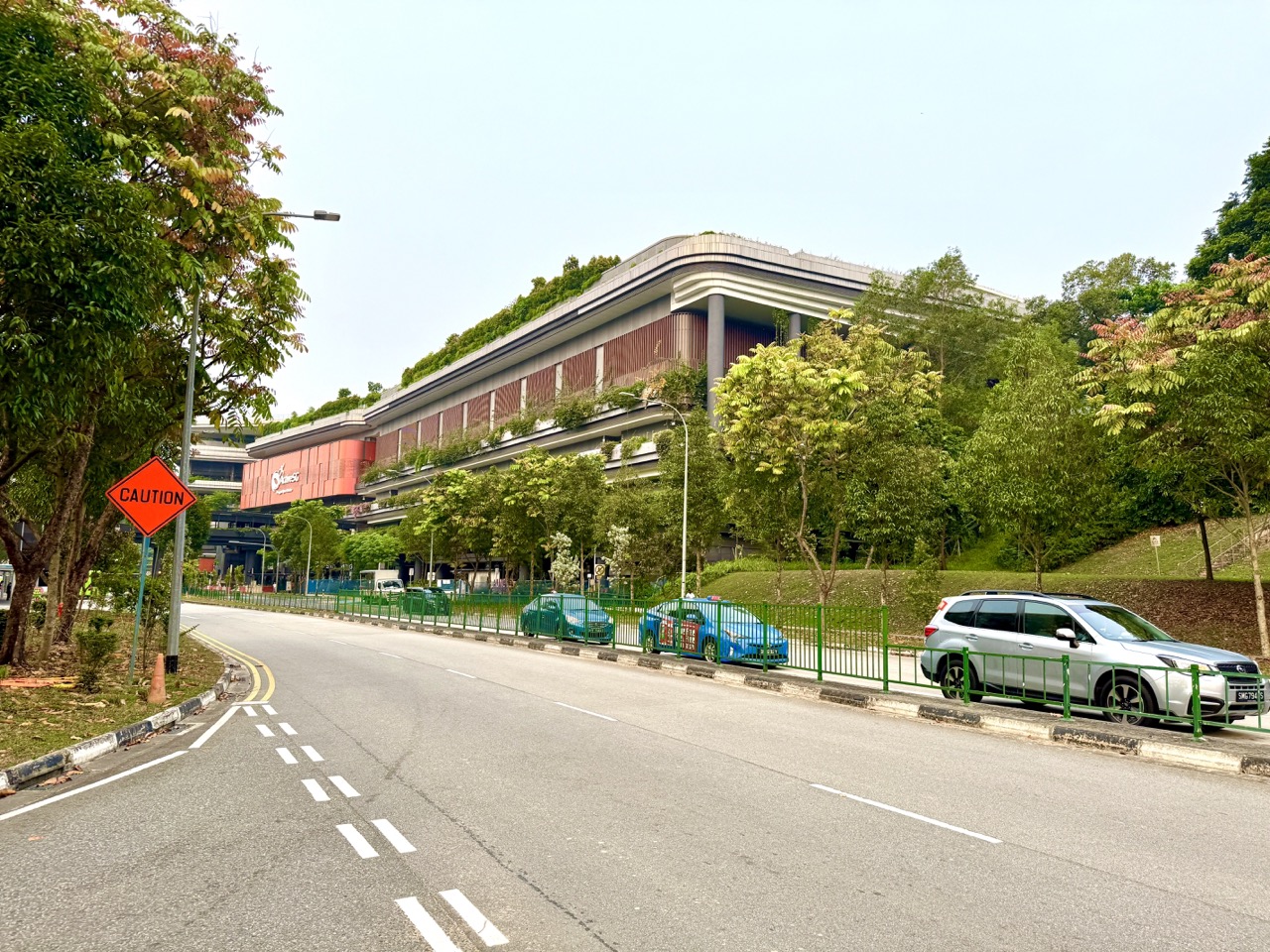
ActiveSG Punggol Sport Centre includes a football stadium planned to accommodate about 5,000 spectators at 11 Sentul Crescent, Singapore 828656. It is beside Punggol Waterway and near Sam Kee LRT. A first-hand report dated 30 October 2026 observed the stadium but said it was not yet open to the public during the centre’s late-October soft launch. The wider sport centre was announced for official opening on 22 November, but a completed stadium and a general opening date are not a confirmed football fixture, spectator ticket or right to enter. Before planning a match day, check the venue operator and the actual competition organiser for a named event.
When a public match is announced, watching football in Punggol could be an accessible way for families, students and local supporters to experience live sport close to home. A good first visit, however, depends on ordinary planning: verify the fixture, buy from an authorised source if ticketed, choose the correct entrance, understand the event rules and behave considerately in the stands. This article is a future spectator guide, not an announcement that any particular club or league has committed to play at the new stadium. It explains how to enjoy the event once its real details exist.
- Venue: Punggol Sport Centre football stadium, 11 Sentul Crescent, Singapore 828656.
- Reported capacity: approximately 5,000 spectator seats; the number does not guarantee seats are offered for every event.
- Status on 1 November 2026: stadium not confirmed open for ordinary public access during the soft launch.
- Wider centre opening: 22 November 2026 announced, but the stadium’s event schedule and admission require separate confirmation.
- Before attending: find a named fixture from the organiser, check venue, kickoff time, event status and ticket conditions.
- Ticket safety: use an official organiser or authorised sales channel; do not assume a sports-centre gym pass admits spectators.
- Transport: Sam Kee LRT is near the complex; confirm the match-day pedestrian approach and entry gate.
- Bring: ticket or valid admission proof if required, water where permitted, weather protection, small essentials and a responsible plan for children.
- Match-day rules: follow bag, photography, food, seating, accessibility and conduct conditions set for that specific event.
- Official references: https://activesg.gov.sg/ and https://spl.sg/fixtures/

Definition lock: a stadium spectator is not a pitch user
A football stadium is a venue organised for sport, with a playing area and areas for spectators. A spectator attends an authorised event, while a participant or team member uses the pitch under a different arrangement. Even if a public stadium opens for certain types of community activity, that does not imply an unrestricted right to play football on its pitch or sit anywhere in the grandstand. Punggol’s reported 5,000-seat capacity describes a design feature, not a permanent invitation to walk in.
The distinction matters especially because the building also contains elevated futsal courts, indoor halls and other sports facilities. A futsal booking does not confer access to the full stadium, and a gym pass is not an event ticket. Sports operations depend on the competition organiser, safety preparation, scheduled uses and operator rules. A reliable first-time spectator begins by identifying the actual event and its authorised admission conditions, not by assuming that a finished-looking venue is always open.
What was known at the start of November 2026
News and an on-site walkthrough dated 29 and 30 October described Punggol Sport Centre entering a phased soft launch. The gym and selected court sports were available, while the football stadium was not yet open to ordinary visitors according to that reporting. An official opening for the wider sport centre was announced for 22 November 2026. Those facts show progress, but they do not announce a specific stadium fixture, event promoter or ticket sale.
Local residents should be careful with enthusiastic headlines. A large stadium may eventually host community matches, regional competitions or other organised events, but the ability to accommodate something is not a confirmed booking. Do not tell children that a professional club will play at Punggol unless an actual team, league or authorised organiser has released the fixture. For the first match day, use current event information and keep this article as a checklist rather than as a calendar.
Why a 5,000-seat stadium matters to Punggol
A venue of this size can create a different sporting atmosphere from an open neighbourhood field. A crowd can follow the same game, respond to a goal and share the experience of seeing tactics unfold across a full pitch. Spectator infrastructure also brings practical responsibilities: queues, toilets, wayfinding, access control and safe movement after the event. The value of regional facilities is not just the ability to stage competition, but the chance for nearby residents to encounter sport as a community experience.
Sport Singapore’s Sports Facilities Master Plan describes Punggol Regional Sport Centre as a venue intended for community activity and regional events. That is a planning purpose, not a list of future matches. The distinction allows readers to be excited without inventing schedules. A supporter can look forward to a new local stage while checking the official fixture and venue assignment before making a real plan.
The first question: has an actual match been announced?
Before choosing clothing or inviting friends, look for a named fixture. Useful details include the two teams, competition, calendar date, kickoff time, stadium name, ticketing method and organiser. A fixture without a confirmed venue is not a reason to travel to 11 Sentul Crescent. Similarly, a news article showing the stadium’s new pitch is not a timetable for a match. Start with the league’s, club’s or event organiser’s official announcement.
If you see a screenshot forwarded through a group chat, check it against the live source. Teams can change venue and kickoff times, and a promotional poster may continue circulating after an event changes. Do not treat an old fixture page as final simply because it has a professional design. A reliable match-day plan is built from a current, authoritative event listing and reviewed again close to the day.
Where to find football fixtures
For Singapore Premier League matches, the official competition fixture page is one relevant place to check which teams are playing and at which venue. Other competitions and local events may have different organisers, so the correct source depends on the fixture. A stadium hosting capacity does not imply every professional match will appear on one website. If an event is described as a school tournament or community competition, look for an official organiser or host announcement.
Read the venue field carefully. Singapore has multiple stadiums, and several can host matches on the same weekend. A fixture at another ground does not become a Punggol fixture because a football fan lives nearby. If the organiser has not listed Punggol Sport Centre, do not claim the match has moved there. Matching the event, date and venue is more important than finding the cheapest-looking ticket link.
Tickets and free-admission events are different cases
Some organised sports events sell tickets, while others may offer authorised free admission or registration. Do not assume either arrangement for a future Punggol stadium event. The ticket or attendance notice should explain whether entry is permitted, what proof is required, how seats are allocated and whether children need individual admission. A stadium’s capacity is not a promise that five thousand seats will be available to every visitor.
If the event is ticketed, use the organiser’s official or authorised channel. Check the total cost, refund and transfer terms and any seating restrictions before paying. If the event is free, confirm whether advance registration is still needed. An ordinary ActiveSG gym or court pass should not be presented as a substitute for an event ticket. The best source of truth is the specific match’s published conditions.
Avoid ticketing scams and unauthorised sellers
High demand for a popular fixture can encourage speculative resellers and fraudulent listings. Be wary of unofficial links promising secret early access, unusually cheap front-row seats or payment to a personal account without trustworthy event details. A digital image of a ticket may be duplicated or invalid. The presence of the stadium name on a social post does not prove the seller is authorised.
Verify the organiser, official ticketing destination, event date and venue before transferring money or providing personal details. Never share a one-time password, banking credentials or login codes as part of a supposed ticket verification. If a seller pressures you to pay immediately, pause and investigate. A safe trip is one where the admission is legitimate and the household knows exactly what it has purchased.
Understand the difference between capacity and seat availability
The reported 5,000-seat scale is useful for imagining the stadium, but individual events can use different configurations. Some seating may be reserved for teams, officials, media, guests or safety operations. A competition may restrict attendance or choose assigned seating rather than free seating. Until an event organiser publishes a specific plan, there is no responsible way to promise a particular stand, row or viewpoint.
Families should decide what matters to them and then read the actual ticket categories. A parent with young children may prefer a clearly marked family-friendly area if one is offered. A wheelchair user needs verified accessibility arrangements rather than a guess about the most convenient row. Do not purchase a ticket based solely on a generic image of the stadium. The authorised event plan governs what a seat actually means.
Getting to the sport centre from Sam Kee LRT
Sam Kee LRT is a close transit point for the sports-centre precinct. A late-October walkthrough described a short pedestrian approach, but construction and event arrangements can affect the final route. If travelling from Punggol MRT, confirm the LRT direction and the current safe walking path. A supporter coming from another part of Singapore should allow time for transfers rather than assuming the same journey duration as a local resident.
On match days, pedestrian flow may differ from ordinary gym or court visits. The event organiser may direct ticket holders to a particular entry gate, queuing area or security checkpoint. Follow that notice even if another entrance appears closer on a map. Arrange a meeting point outside the crowd’s main flow, and explain it clearly to everyone in your group. The stadium is part of a large complex, so ‘meet at ActiveSG’ may not be specific enough.
Arrival time depends on the actual event
A sensible arrival time allows for travel, entry checks and finding the correct section, but no universal thirty-minute or sixty-minute rule can be asserted for an event that has not yet been announced. Some matches may have enhanced security or early gates; others may admit spectators close to kickoff. Use the organiser’s gate-opening and last-entry information rather than a generic rule copied from another stadium.
Families should build in reasonable margin for children and older relatives. A late arrival can create rushed movement through crowds and frustration over seating. If you cannot make the recommended time, consider whether attending that event is practical. A football match is more enjoyable when the first memories are of the teams warming up and the crowd settling, rather than panic about a closing gate.
What to bring on a football match day
Bring the required admission proof, a phone or printed ticket as permitted, transport payment and a small amount of practical personal equipment. Weather protection and drinking water may be useful, but check the event’s permitted-item policy. Do not assume outside food, large bottles, umbrellas, banners, power banks or certain camera equipment can be brought into any stadium. Security rules differ by organiser and event.
Carry prescribed medication and relevant support items as needed, and check accessible arrangements when appropriate. Families may need tissues, a light layer for children and a clear plan for toilets. Keeping belongings compact makes movement through crowded gates easier. There is no benefit to carrying a large sports bag unless the organiser explicitly allows it. Simpler preparation helps spectators focus on the game and respect those seated nearby.
Find the right gate, section and seat
Once ticketing details are available, check whether the event uses assigned seats, general admission or a mixture. Note the designated gate and section rather than relying only on the stadium’s street address. At a new venue, first-time visitors may not yet recognise the entrances, so printed signs and staff instructions matter. If your ticket does not match the gate you approached, ask rather than crossing an unauthorised barrier.
Help children and companions recognise the meeting point and their seat area. Do not climb over rows, stand in another spectator’s reserved place or insist on changing seats because a different side has a nicer view. If accessibility accommodations are required, arrange them through the organiser where possible instead of expecting staff to improvise during a crowd. Good entry planning makes the event more comfortable for everyone.
What a first-time football spectator is actually watching
Football is not only a sequence of shots and goals. Much of the game is about teams organising space, controlling possession and deciding when to press or retreat. A newcomer can watch which player offers a passing option, how defenders shift and how the goalkeeper helps the team move the ball. These patterns become easier to see from a stadium seat than from a close-up camera focused only on the ball.
Choose one observation question for the first half, such as ‘How does the team move the ball from defence to attack?’ During the second half, notice whether substitutions or tactical adjustments change the pattern. This approach gives meaning to periods without goals. A quiet match is not necessarily a boring one. The excitement can come from recognising a developing opportunity before it becomes a shot.
The pitch, the touchline and the penalty area
A regulation association-football field contains boundary lines, a halfway line, penalty areas and goals. The touchlines run along the longer sides, and the goal lines mark the ends. These are basic reference points that help a new spectator understand where play restarts and why some decisions happen in one part of the field. A pitch that looks wide from the stands becomes easier to read when you know the landmarks.
Explain these to children in simple language rather than delivering a full referee course. Ask them to find the halfway line or predict where the next corner will be taken. Do not shout corrections at the officials based on an unclear view. The aim is curiosity and enjoyment. The same physical field can support organised competition while requiring spectators to remain behind designated barriers.
Understanding a goal and a near miss
A goal is scored when the whole ball crosses the goal line between the posts and beneath the crossbar, subject to the laws of the game. A shot that strikes the post or crosses the end line outside the goal does not count. Young children sometimes expect every powerful shot to be a goal; watching live play offers a useful chance to explain that the location of the ball matters more than how dramatic the kick looked.
Celebrate fairly. A stadium crowd can become loud after a goal, which may surprise first-time visitors. Families with noise-sensitive children should consider appropriate precautions and seating arrangements based on the event’s actual conditions. Enjoy the moment without pushing, standing on seats or obstructing another spectator’s view. A shared celebration works best when people around you can still feel safe.
Why offside is easier to understand by watching
Offside is one of football’s more complicated laws because it concerns a player’s position and involvement in active play at the relevant moment. An attacker standing beyond defenders is not automatically committing an offence in every situation. Watching the whole field can help a spectator see how attackers time runs and how defenders maintain a line. The details are best learned from an authoritative explanation of the current Laws of the Game.
For a child, start with the idea that attackers cannot simply wait unfairly near the opposition goal for a long pass in circumstances covered by the rule. Treat that as a beginner’s simplification, not a complete referee definition. Then notice how players move just before a teammate passes. The game becomes more interesting when the viewer understands that timing matters. It is better to admit uncertainty than declare the official wrong from a distant seat.
Fouls and the importance of player safety
Referees manage contact according to the Laws of the Game. A fair challenge, a careless foul and serious misconduct are not the same. Fans may disagree with decisions because they see different angles or have incomplete information. Encourage children to understand why the referee’s role is necessary in a fast, physical sport. The aim is not to memorise every disciplinary detail during a first match.
Respectful spectators do not threaten players or officials. Shouting abuse or throwing objects does not help a team. A family can discuss an incident quietly after the next stoppage rather than escalating. Sport is an opportunity to learn how rules enable competition. A crowd that respects the participants and venue makes football more welcoming for younger fans and visitors who are attending their first live event.
Yellow cards, red cards and calm explanations
Cards signal disciplinary action under football’s rules. A yellow card is a caution, while a red card indicates a sending-off. The precise circumstances depend on the offence and the current Laws of the Game. Children may see a card and assume the player is simply ‘bad’; an adult can explain that rules regulate behaviour and that officials must make judgements under pressure.
Use the incident to discuss fairness rather than humiliation. What was the danger? Why does the sport need boundaries? How should a team respond when it has fewer players? These questions turn an emotional moment into understanding. Spectators can support their team without encouraging dangerous conduct. A public sports event should strengthen appreciation for competition, not normalise aggression towards participants.
Half-time is for more than refreshments
In an ordinary football match, the break between halves gives players and coaches time to reassess and spectators time to rest. The precise duration and conditions depend on the competition. It can be useful to visit a toilet or stretch legs where permitted, but be aware of queues and the distance back to your seat. At a new venue, follow any event-specific rules about leaving and re-entering the spectator area.
Use a short part of the break to discuss what you noticed. Which team moved the ball more comfortably? Did the goalkeeper have much to do? Does a child understand why the score might still be zero-zero? Avoid spending the entire break debating an official’s decision angrily. A live match offers a rare chance to see a full game unfold, with changes in pace and tactics rather than only highlights.
Substitutions can change the match
Teams may substitute players according to competition rules, and a change can influence speed, shape or attacking options. A new striker might make different runs; a midfielder might hold possession more carefully. Spectators can notice that even if they do not know every player by name. Substitutions are part of the game’s story, not merely pauses in play.
Explain that a player leaving the field is not always being punished for poor performance. Fatigue, tactics and other considerations can influence the decision. Children may enjoy seeing how a team changes after the substitution. An adult can ask one simple question rather than overwhelming them with technical analysis. The purpose is to make live sport accessible and engaging.
Match-day behaviour in the stands
Remain in authorised spectator areas, follow steward instructions and keep aisles and exits clear. Do not lean over barriers, climb onto railings or attempt to enter the pitch. If a match uses designated supporter sections, respect that arrangement. Different events may have varying rules about drums, flags, banners and standing; check rather than assume.
Cheering is part of live football, but harassment, discriminatory abuse and dangerous behaviour are not. Do not throw food, cups or other objects, and avoid obstructing another spectator’s view for long periods. If a nearby person needs assistance, alert event staff appropriately. A safe and positive crowd is one of the best reasons for families to return to live sport.
Children’s first stadium experience
A parent should explain the outing before it begins: where the family is going, how long the game may last and what to do if the crowd becomes noisy. Check whether the child needs a ticket and whether the event has age or seating conditions. Younger children can tire quickly, so allow for the possibility of leaving before the final whistle rather than treating the full event as compulsory.
Choose a meeting procedure in case the family becomes separated. Teach children to seek help from identifiable event staff and never leave the venue alone. A responsible adult must supervise rather than assume nearby spectators will help. The child’s main memory should be the atmosphere and shared experience, not fear after losing sight of a parent in a crowded concourse.
A plan for primary-school children who ask questions
Children often want to know why a goal does not count, what a foul means or which team they should support. Answer at a level they understand and admit when the situation is uncertain. One or two new ideas per match may be enough. A child can learn to identify the goalkeeper, the halfway line and basic team colours without following every tactical detail.
Encourage respectful curiosity. Do not make the child shout an insult to fit in with a crowd. If they enjoy drawing, they can sketch the pitch afterward rather than recording strangers on camera. A live match can connect physical education, citizenship and communication naturally. The important outcome is a positive relationship with sport rather than immediate expertise.
Secondary-school students attending with friends
Older students may want greater independence on match days. The adults responsible should still consider travel times, the event’s rules and a clear way to get home. Students should verify tickets from authorised sources rather than buying unknown digital passes in group chats. If the match ends later than expected, they need a realistic transport plan and a safe meeting point.
Discuss what to do if friends disagree or one becomes uncomfortable in a crowd. No student should be pressured to leave the approved spectator zone or join aggressive behaviour. Attending football can teach planning and shared responsibility, including keeping track of belongings and respecting schedules. Independent enjoyment grows when young people know how to make safe decisions in public places.
Older spectators and accessibility
Older residents or visitors with disabilities may need details about step-free access, accessible seating, toilets, queues and suitable drop-off points. Do not assume those arrangements from a stadium photograph. Contact the organiser or operator for the actual event’s facilities and any assistance requirements. A general sports-centre accessibility description may not explain the route to the precise allocated seating section.
Plan time for movement and rest. Someone who cannot comfortably climb stairs should not be asked to improvise a difficult route on the day. A companion can help navigate signage without removing the person’s independence. A successful accessible event begins with accurate information and respectful planning. The stadium’s value as a community venue depends on more than how many seats it can hold.
What if the crowd is loud?
A cheering crowd is part of the attraction, but noise levels can be uncomfortable for some children and adults. Prepare a young child for whistles, goal celebrations and sudden reactions. Suitable hearing protection may help those who are sensitive to loud sound, while the exact approach depends on personal needs and professional advice where relevant. Do not shame someone who prefers to leave a noisy area.
If the experience becomes overwhelming, use an authorised quieter space or exit according to staff instructions. Never climb into closed seating to escape a crowd. A family can enjoy part of a match and still decide that the event is enough for one day. Good spectatorship includes recognising personal limits, not insisting that every visitor must behave like the loudest fan.
Rain, lightning and event delays
Football events may be affected by weather, safety inspections and operator decisions. At an outdoor or partially exposed stadium, rain can change comfort and visibility, while lightning requires particular caution. The organiser’s actual postponement, evacuation or rescheduling notices take priority. Do not assume that a roof over one section makes the event immune to storms.
Check official updates before leaving home and again if conditions deteriorate. Bring permitted rain protection rather than an object banned by the event. If the game is delayed, follow staff directions and avoid gathering in unsafe exposed areas. Ticket refund or rescheduling conditions must come from the official seller. A responsible guide should not promise that any match will finish on its originally announced schedule.
Haze and heat can also change the decision
Singapore’s outdoor air conditions and heat can affect the comfort of a sporting event. Follow current official advisories and any competition or venue instructions. Spectators with relevant health concerns may need to consider their own circumstances or professional advice. A beautiful new stadium cannot override an unsafe air-quality or medical situation.
Plan ordinary water access consistent with the event’s permitted-item rules, and recognise signs of fatigue or overheating. Children and older companions may need more frequent breaks. If someone becomes unwell, seek the appropriate first-aid or medical assistance. The correct decision may be to leave early. The purpose of attending live sport is enjoyment and community, not proving endurance.
Food, water and the question of on-site concessions
A future match may offer food or beverage concessions, but this guide cannot promise which vendors, menus or prices will operate at an unannounced event. Check the organiser’s information and whether outside food and drink are permitted. A family that relies on an imagined food court may face avoidable inconvenience. It is better to plan meals before the event or identify an independently confirmed option nearby.
Remember that eating and drinking rules may differ in the stands, queues and surrounding public spaces. Keep rubbish in bins and avoid spills that make steps slippery. If a child needs food at predictable intervals, work that into the outing while following rules. Stadium visits should not be judged by whether every snack is available. Clear expectations often make the day more pleasant.
Respect the privacy of players and other supporters
Photography may be permitted under event rules, but large cameras, tripods, flashes, streaming or commercial filming can have restrictions. Check before carrying specialised equipment. Do not photograph strangers, especially children, in intrusive ways. Changing rooms, restricted team areas and security spaces are not part of an ordinary spectator visit.
A football image can be an honest memory without becoming misleading content. Caption the fixture and date correctly, and do not imply an event happened at Punggol if the photograph came from another Singapore stadium. When sharing clips, respect rights and the organiser’s published terms. A local sports community benefits from accurate, considerate coverage more than from fabricated claims of exclusive access.
What if your team loses?
Live sport includes disappointment. A close defeat can be emotionally intense because supporters are invested in the players and their shared identity. It is possible to cheer passionately without insulting the opposition or threatening officials. Parents can help children understand that effort, tactics and sportsmanship matter even when the scoreboard is unfavourable.
After the match, talk about one well-executed play and one thing that might change next time. This is not to avoid the disappointment but to keep it proportionate. The most enjoyable supporter communities return because they value the game and one another. A respectful response to defeat is part of the atmosphere that makes a neighbourhood stadium welcoming.
Leaving the stadium safely after the final whistle
A crowd leaving a stadium can create slower movement at gates and transport connections than visitors expected before the match. Follow stewards, use designated exits and do not rush through blocked passages. A family should regroup at a planned safe point without standing in the middle of the crowd flow. Check that every child and companion is accounted for before heading to transport.
Allow extra time for the LRT or other services if large numbers of people are departing together. Do not cross roads outside designated routes just to get ahead of the queue. If someone needs assistance, ask event staff. The journey home is part of match-day safety. A good evening ends when everyone reaches home comfortably, not simply when the game ends.
A budget for a first football outing
The final cost cannot be stated without a confirmed fixture and ticket category. A realistic plan should include official admission, transport, optional food and any accessibility or caregiving considerations. Do not guess that a family ticket or student concession will exist. Read the specific event’s price structure and add the amount before purchasing.
Choose a budget the household is comfortable with, and consider whether a shorter local sports outing is more suitable for children who are uncertain about crowds. A stadium match can be special without requiring premium seating or expensive merchandise. The value is in watching a real sporting contest together. Spending more is not a guarantee that the experience will be better.
A two-hour-or-longer outing is not always child-friendly
Football’s playing time alone is ordinarily two forty-five-minute halves, but attendance involves arrival, security, half-time, possible added time and the journey home. A parent planning an afternoon should therefore budget more than just ninety minutes. The actual event format, including youth matches or tournaments, may differ. Always follow the specific organiser’s schedule.
A younger child may enjoy the first half and become restless later. The adult can prepare simple conversation prompts and realistic rest plans, but should not insist the child sit through an unsuitable experience. If leaving early is allowed, it may be better to preserve a positive memory. A sensible first match can become the beginning of an interest in live sport rather than a single exhausting obligation.
When a supporter group travels together
A group of neighbours may wish to attend a future Punggol fixture as a community. Agree on the exact match and ticket source before collecting money. Decide whether seats must be together, how to handle cancellations and whether the group has any event-specific conduct obligations. Keep personal information private and do not circulate ticket codes through large public chats.
Choose an arrival meeting point outside the busiest gate area and name someone who can communicate updates. If a member needs slower movement or accessibility support, plan around that requirement. A good group leaves room for individual preferences: some people cheer loudly, some prefer to watch quietly. Shared enthusiasm need not become pressure for identical behaviour.
Four examples of match-day decisions
Scenario one: a stadium photograph circulates with a claim that a Singapore Premier League club will play at Punggol. The family checks the official fixture page and finds no matching venue assignment. They do not buy unofficial tickets. Scenario two: a real event is announced, but the desired seating area is sold out. The family considers an authorised alternative rather than paying an unknown reseller. Both decisions protect trust and money.
Scenario three: a child becomes distressed by loud cheering. The parent follows the venue rules and moves to an appropriate quieter area or leaves. Scenario four: a storm delays kickoff. The supporters follow official announcements rather than waiting in an exposed area. None of these choices requires sporting expertise. They require accurate information, respect for personal needs and a willingness to adapt.
What a football match can teach young spectators
Live football illustrates cooperation under uncertainty. Players make decisions based on teammates, opponents, space and time, then adjust when a pass fails. A child watching can learn about preparation, resilience and respecting rules. A student might notice how communication affects the team or how substitutes alter a tactical shape. These are examples of learning through observation, not a claim that every match becomes a formal lesson.
Adults can encourage reflection without ruining the enjoyment. Ask, ‘Why did the defender pass backward?’ or ‘What changed after the substitution?’ A child who does not know can make a guess. Discuss it respectfully. The purpose is to help them see that sport involves reasoning and collective action, not simply speed and strength. The new stadium could eventually make such experiences more accessible to Punggol families when actual fixtures are scheduled.
A stadium can support community identity without a promised home team
A regional stadium is a possible venue for different authorised sporting events. It does not automatically become the home ground of a named professional club. Team assignments, competition schedules and community programmes require official decisions. It is therefore premature to market a particular Punggol derby or seasonal fixture without confirmation.
Residents can still appreciate the broader opportunity. If local competitions or approved events take place, they may provide a reason for neighbours to gather and support participants. The community feeling comes from real attendance and considerate behaviour, not from inventing a home team. Accurate coverage preserves that possibility while respecting the facts that are presently available.
Frequently asked questions
Can I enter the Punggol football stadium on 1 November 2026? The late-October walkthrough described it as not open to ordinary public access; check current operator notices. Is the capacity 5,000? Contemporary reporting described a stadium designed for about 5,000 spectators. Are Singapore Premier League games confirmed there? This guide does not assert any Punggol fixture; use the official competition schedule. Does 22 November guarantee a match? No, the announced wider opening date is not an event ticket.
Where is it? Within Punggol Sport Centre at 11 Sentul Crescent, near Sam Kee LRT. Is entry free? The cost depends on the actual future event. Can I play football on the pitch? Spectator admission does not grant pitch-use permission. Can children attend? Read the event’s age, supervision and ticket conditions. What if I need an accessible seat? Contact the organiser or operator before purchasing. What if the event moves venue? Follow the current official announcement and ticket instructions.
Sources and Your Next Step
This guide reflects reports available around 1 November 2026. AsiaOne’s”>https://www.asiaone.com/singapore/activesg-punggol-sport-centre-soft-launch-free-gym-entry’>AsiaOne’s 29 October report described the soft launch and announced 22 November official opening. TheSmartLocal’s”>https://thesmartlocal.com/read/activesg-punggol-sport-centre/’>TheSmartLocal’s 30 October walkthrough described the approximately 5,000-seat stadium and restricted late-October access. Sport”>https://www.sportsingapore.gov.sg/about-us/vision-2030/sports-facilities-master-plan/’>Sport Singapore’s master-plan page explains its regional and community aims. Check the”>https://spl.sg/fixtures/’>the Singapore Premier League fixture page for that competition’s official match venues, and follow the specific event organiser for tickets and rules.
Your next step is to wait for a named, confirmed football fixture at Punggol, not merely the sport centre’s general opening. When an actual match is published, verify admission, arrange the journey and prepare for a respectful first live experience. For a different activity that does not rely on a stadium fixture, see our”>https://edukatepunggol.com/2026/11/01/things-to-do-at-activesg-punggol-architecture-six-level-sport-centre/’>our architecture observation guide or the”>https://edukatepunggol.com/2026/11/01/things-to-do-at-activesg-punggol-waterfront-boardwalk-walk/’>the waterfront walking guide.


