
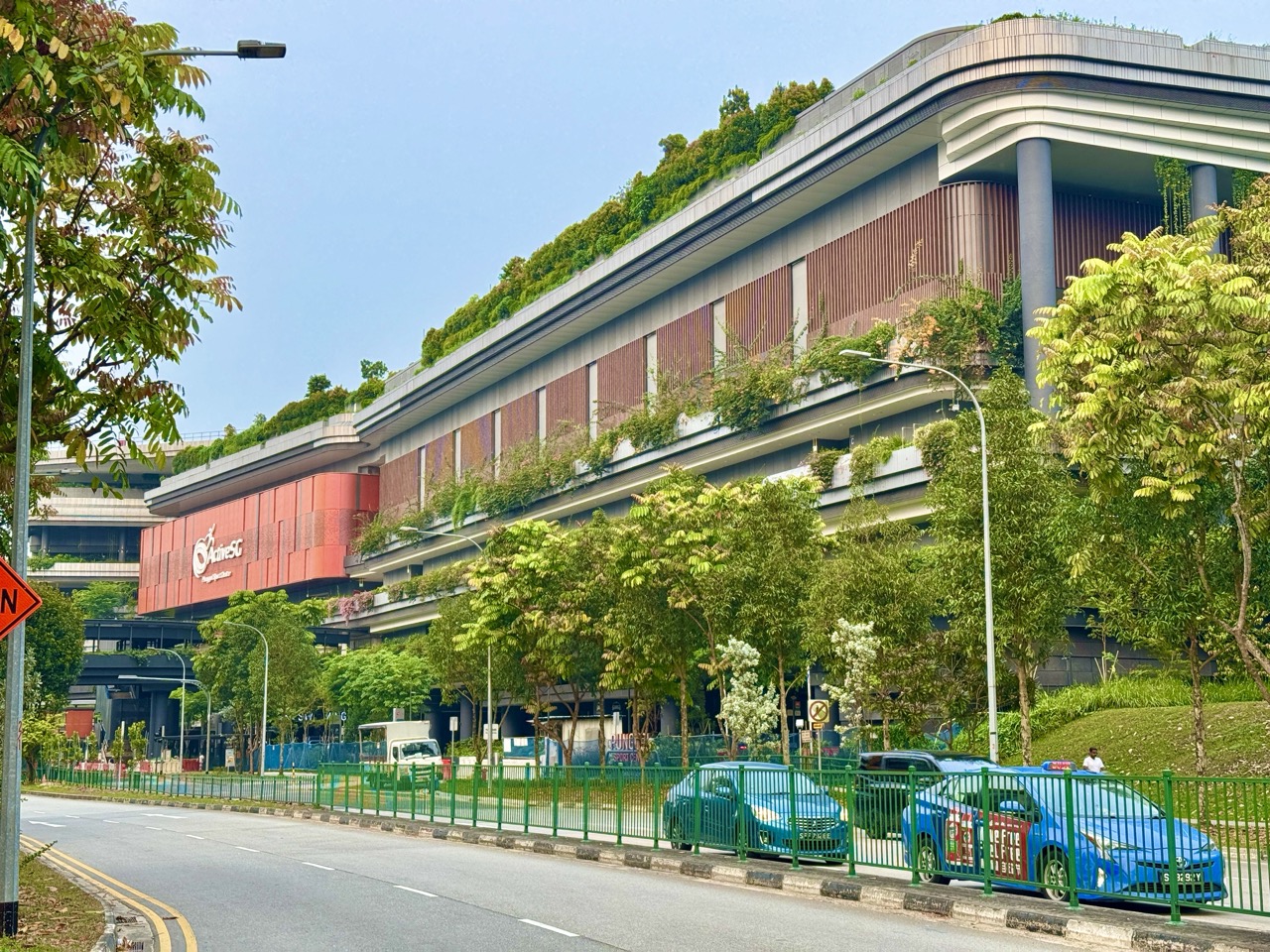
Basketball layup practice is an activity to plan for a confirmed authorised session at the Team Sport Hall on Level 3 of ActiveSG Punggol Sport Centre, 11 Sentul Crescent, Singapore 828656. A first-hand walkthrough dated 30 October 2026 described a full basketball court layout alongside volleyball configurations. The official ActiveSG Cup 3×3 page also identifies the Punggol Team Sport Hall as the updated venue for November 2026 competition sessions. Neither fact means the basketball court is freely available for casual practice. Check MyActiveSG+ for a genuine eligible booking or verify an organised programme before arriving.
A layup is a close-range basketball shot made after moving towards the basket, commonly using a controlled final step and a one-foot take-off. For a familiar right-hand layup, beginners often learn right foot, left foot, jump off the left and release with the right hand; the usual left-hand pattern mirrors it. These phrases are teaching cues, not replacements for the precise 2026 FIBA travelling rules. This article covers both sides of the basket, gather timing, safe footwork, appropriate use of the backboard and realistic drills, rather than repeating our general basketball or free-throw articles.
- Venue: Punggol Sport Centre Team Sport Hall, Level 3, 11 Sentul Crescent, Singapore 828656.
- Reported court: one basketball layout in the hall, confirmed by an October 2026 first look.
- Access: only a real permitted basketball booking, organised ActiveSG activity or event-authorised session; verify before travel.
- Main skill: controlled moving layup close to the basket, using correct footwork and a safe take-off.
- Right-hand teaching cue: after lawful ball control, often right step then left step, jump from left and shoot with right.
- Left-hand teaching cue: mirror the pattern with left then right, jump from right and shoot with left.
- Rule caution: FIBA’s 2026 travelling provisions govern pivot, control and legal steps; do not assume any arbitrary three-step run is legal.
- Starter drill: walk the footwork without a ball, then introduce a gentle feed and low-intensity finish.
- Safety: avoid collisions under the hoop, wet floors, loose balls, reckless jumps or overcrowding.
- Official sources: https://about.fiba.basketball/en/services/resource-hub/downloads and https://www.activesgcircle.gov.sg/activesg-cup

Definition lock: a layup is a close-range moving shot
A basketball layup is a shot taken near the basket after moving into a suitable position, often finishing from one foot with the ball released towards the ring or backboard. The player may have dribbled towards the hoop or received a pass while moving. The technique includes footwork, timing, control of the ball and an awareness of other players. It is not merely any short shot taken near the basket.
The value of a layup is that it can create an efficient scoring opportunity when a player reaches the area safely. The technique must still comply with travelling and other basketball rules. A good beginner learns to approach, gather, step, jump and release deliberately, rather than sprint towards the hoop and hope the ball travels in the correct direction.
What the Punggol Team Sport Hall actually offers
TheSmartLocal’s 30 October walkthrough described a basketball court in Punggol’s Level 3 Team Sport Hall alongside two volleyball configurations and a retractable grandstand. This establishes a physical playing layout. The hall can also be assigned to organised competitions. SportSG’s official ActiveSG Cup page names Punggol Sport Centre Level 3 Team Sport Hall as the updated venue for the November 2026 3×3 basketball competition.
That event listing is not a public walk-in booking. It is evidence that an authorised programme can occupy the facility. A resident hoping to practise layups should check actual basketball use availability or a legitimate organised session, rather than assuming the court is empty because a time does not appear in an old review. Sport facilities serve different groups through separate arrangements.
A sport centre opening is not a private court reservation
The Punggol complex began a phased soft launch during late October 2026 and announced a wider official opening for 22 November. Some sports zones became bookable earlier than others. The building’s open appearance and the status of the gym do not establish the booking conditions of the Team Sport Hall. Use the exact product and operator notices that apply to basketball.
If a desired basketball slot is not available, choose another confirmed venue or different date. Do not book volleyball, badminton or a racket-sport court and expect to practise basketball there. Correct scheduling is part of responsible recreation, particularly when an organised 3×3 tournament may be using the hall.
Prepare a beginner practice rather than a full game
A layup lesson can focus on one hoop and a small number of players, if the authorised booking conditions allow it. That differs from staging a full five-on-five match. Ask who has basic basketball experience, how much time is available and whether participants are comfortable with close-range movement. A group of novices may benefit from learning one side of the basket before competing.
Plan a gentle introduction with pauses and safe ball collection. Do not make the activity depend on a private coach unless such a service has actually been arranged through permitted channels. A self-organised family or friendship session should remain within the rules of the venue and the abilities of the players.
The 2026 travelling rule is the real foundation
FIBA introduced an updated Official Basketball Rules edition valid from 1 October 2026. Under the travelling article, a player who catches the ball while progressing or ends a dribble may take two steps to stop, pass or shoot, subject to detailed rules about gaining control, the first step, the second step and pivot movement. The number of steps cannot be judged accurately without identifying when control was established.
That is why a teaching cue like right–left is helpful but incomplete as a formal legal explanation. Beginners should practise a controlled gather and release rather than assume that any number of steps before a shot is permitted. Refer to the actual governing edition for organised basketball. A recreational modified drill must be identified as practice rather than a full-rule game.
Why the gather determines when steps are counted
The gather is the moment the player secures control of the ball after dribbling or while receiving a pass. Under FIBA’s travelling framework, the legal step sequence is assessed after the relevant control point. The exact interpretation can depend on the movement and the foot contacts. This makes an otherwise simple layup surprisingly technical when reviewed frame by frame.
A newcomer need not master every officiating interpretation immediately, but should understand the central principle: keep the dribble legal, gather cleanly and finish within the permitted steps. Do not carry the ball several extra strides just because the shot is close to the ring. A slow practice with clear timing is more useful than memorising a slogan without understanding control.
First practise with no basketball
Shadow footwork means rehearsing the step sequence without a ball. A beginner can stand at a suitable safe distance from the hoop, take controlled steps in the intended order and practise an appropriate one-foot take-off without maximal jumping. This separates balance from catching, dribbling and shooting. It should be done only in a permitted practice space with adequate clearance.
Start at walking speed. The player should be able to stop and return to the starting area without stumbling. If the approach feels awkward, change the pace or position rather than forcing a larger jump. A few correct slow steps often teach more than repeated rushed shots.
Right-hand layup: the familiar two-step pattern
A common right-handed layup drill begins after lawful control with a right step followed by a left step, then a take-off from the left foot while the right knee and right shooting hand rise. The final release is directed softly towards an appropriate target on or near the backboard. The exact foot contacts must remain legal under the governing rules, and not every approach uses an identical sequence.
Use a slow walking rehearsal with no defenders. Some learners find the pattern natural; others accidentally jump from the same foot as the shooting hand. A gentle verbal cue can help initially, but the player should gradually coordinate the motion without rushing. Keep the early goal comfortable timing and balance.
Left-hand layup: mirror rather than copy the right side
For a common left-handed layup from the left, the sequence mirrors the other side: left step followed by right, jump off the right foot and release with the left hand. Players often find their non-dominant side less coordinated, especially if they have spent years approaching from only one direction. That is normal and provides a clear training objective.
Begin with no ball and use a lower-intensity motion. Do not demand immediate symmetry or force the player to throw the ball with a painful hand position. A weaker side can improve through gentle repetition and suitable coaching. Learning both directions expands usable options without turning the drill into a contest.
Why one-foot take-off is taught first
A conventional moving layup often uses one-foot take-off because it fits the approach rhythm. Beginners can learn how the last step prepares an upward jump and how the body remains balanced for the release. However, not every close-range basketball finish must be a one-foot layup. Two-foot finishes, jump stops and other legal techniques have their own rules and applications.
Keep the learning aim specific. This article practises a basic running layup rather than every type of finishing move. The player need not jump high to begin. A controlled modest take-off is preferable to a dramatic leap that causes an unsafe landing.
The correct final step is a braking and launching action
The last foot contact in a layup helps manage forward momentum and create an upward component for the finish. If the player arrives too fast, the body may carry forwards towards the basket support or other people. Learn to control speed before the final step rather than relying on a desperate jump to stop.
Use a short approach, gentle pace and plenty of space under the hoop. Ask whether the player could land without crossing into someone else’s path. A layup is a moving skill with both an approach and a landing. The landing deserves as much attention as the release.
Lift the ball with control rather than throwing it hard
A close-range finish usually needs a relatively soft release. The ball should travel towards the basket with suitable height and angle, not be launched at the backboard at full strength. Beginners sometimes focus only on jumping and forget that a strong uncontrolled throw can rebound into other players. Practise with a manageable ball and a clear target.
Start with a stationary or slow approach if appropriate. The player’s hand should guide the ball rather than slap it violently towards the ring. A successful first attempt is one that teaches where the ball should travel. Speed can develop later when control and footwork become repeatable.
The backboard offers a useful reference
Many introductory layups use an appropriate region of the backboard as a visual aiming reference. The ball strikes the board and may then fall towards the hoop. A familiar cue is aiming near a suitable corner of the painted target square, but the exact useful contact point depends on approach angle, player height and release trajectory. It is not one universal dot that guarantees a basket.
Begin from a comfortable side approach and observe how the ball rebounds. A ball that strikes too hard may travel away from the ring, while a gentle well-directed release may be easier to control. Do not insist on hitting the exact same spot from every angle. Learn the relationship between approach and target.
Why right-side and left-side angles differ
When approaching from the right, the player may have a clearer line for a right-hand release to the nearer side of the backboard. On the left, a left-hand release can help create a comparable movement. This is a teaching pattern rather than a claim that every player must use a particular hand from every location.
Use appropriate slow drills to compare both approaches. An experienced player can adapt finishes according to defenders and court position, while a beginner benefits from a predictable starting angle. The goal is understanding the shot’s geometry before adding tactical complexity.
A three-step teaching phrase is not permission for three legal steps
Coaches sometimes use rhythm cues such as dribble, right, left, shoot. A learner may hear three verbal beats and misunderstand them as permission to carry the ball for three steps after gathering. The formal FIBA travelling rule is based on control, movement and the defined legal steps, not the number of words in a coaching chant.
Explain the meaning of each cue before practising. The dribble and gathering phase are distinct from the legal steps after control. A beginner who understands this is less likely to learn a movement that later creates travelling calls. Do not use an oversimplified slogan as a substitute for the actual rulebook.
First add a gentle ball handoff
Once the shadow movement feels comfortable, a partner can give the learner the ball in a controlled way near the start of the approach. The learner secures the ball, completes the legal footwork and attempts a gentle finish. The feeder should not throw unexpected fast passes while the player is still learning the steps.
Make sure the receiving lane is clear before each attempt. A ball handoff can simplify timing compared with a live pass, but it must still be used within a clearly labelled teaching drill. When the learner becomes comfortable, a more realistic catch or dribble can be introduced progressively.
Next add a short controlled dribble
A player approaching with a dribble needs to end that dribble legally before gathering and completing the layup. A good beginner drill uses a short distance and a manageable pace, allowing the learner to recognise when they are gaining control. Avoid repeated carries or restarting a dribble after it has ended, as those can create violations.
Start with one or two comfortable dribbles if appropriate, then gather and execute the chosen side’s footwork. The purpose is coordinating the actions smoothly without rushing. If timing becomes confused, return to a simpler drill. Adding speed before the sequence is reliable often reinforces errors.
Why dribbling and footwork must be practised together
A player may perform a good shadow right–left pattern but become confused once the ball bounces. Their eyes may shift to the basketball, causing late or uneven steps. This shows that the movement sequence and ball control have not yet become coordinated. A slow approach gives the learner time to notice the gather and prepare the feet.
Ask the player to keep the practice predictable: same starting point, same side, and a comfortable number of dribbles. When the sequence improves, vary the approach slightly. A short successful repetition is more valuable than a full-speed run ending with an obvious travelling violation.
A close-range stationary finish is a separate foundation
Before learning a moving layup, a player may benefit from a simple stationary shot near the basket to understand how the ball should leave the hand and reach the board or ring. This is not the same as a moving layup, but it removes the complexity of the steps. It can be particularly useful for smaller or inexperienced participants.
Use a safe distance and an appropriate ball. Avoid long queues directly under the hoop while people shoot. If the player can direct a gentle stationary shot, the next challenge becomes combining that release with movement. Separating the tasks helps identify what needs practice.
Why beginners often jump too far forwards
Running towards a basket creates forward momentum. Some beginners continue moving towards the backboard rather than directing the take-off upward, increasing the chance of colliding with a support or landing among other players. The correction usually starts with slowing the approach and controlling the last steps.
Do not use an extreme jump cue that encourages a learner to arch or twist unnaturally. A manageable upward movement and safe landing are enough at the beginning. The player should be able to regain balance and return to the queue or starting point without stumbling.
Land safely after releasing the ball
The shot does not end a player’s physical movement. After the release, the person must land with balance and awareness of the floor and nearby participants. A successful basket is not worth an unsafe landing. Keep the area beneath the hoop clear of people collecting balls or waiting in a cluster.
Beginners may be tempted to look upwards at the ball for too long and forget where their feet are going. Encourage the player to complete the action and recover. A suitable practice partner can collect the rebound after the shooter has landed and moved clear.
Rebounding should be a separate organised task
After a layup attempt, the ball may rebound from the board or ring and travel in an unexpected direction. A designated partner can retrieve it when the shooter has moved safely away. Avoid having several people simultaneously leap for the rebound during a beginner’s repeated layup drill. The practice is intended to teach the shooter, not create a crowded competitive scramble.
Rotate the rebounder role so everyone contributes. Keep loose balls away from footwork lanes. A predictable routine of shooter, rebounder and next participant can make an hour of practice efficient without becoming dangerous. Organisation helps the group use the booked space properly.
A two-line layup drill needs enough room
Traditional team practices sometimes use two lines, one for shooters and another for passers or rebounders. This can work when a proper coach or organiser controls the sequence and the court is large enough. But a small public booking may not permit a crowded version, and the lines can create collisions when participants cross paths.
Begin with one moving shooter at a time and a clear collection route. Do not assume every person knows where to stand. If the group has younger children or mixed ability, use an even simpler single-file drill. The safest structure is one in which each participant can predict who moves next.
Practise the right side without keeping score
Choose a gentle right-side approach and repeat the familiar right-left teaching pattern under suitable conditions. Focus on the timing of ball control, a stable last step and a controlled right-hand release. Do not aim for the highest possible jump or require every attempt to score. The drill should reveal whether the movement is repeatable.
After several attempts, pause to discuss which part felt awkward. Was the gather too early? Did the player jump from the wrong foot? Did the ball hit the board too hard? Changing one factor at a time gives clearer feedback than shouting several corrections while the player moves.
Then practise the mirror image on the left
Move to the left approach only after the player understands the basic sequence or with an appropriate simplified drill. The familiar cue becomes left step, right step and a left-hand release off the right foot. A player may need much slower repetitions on this side because the non-dominant hand is less familiar.
Do not interpret uneven skill as a lack of effort. The learner has to coordinate feet, ball and target through a different pattern. A patient partner can help by repeating the same feed until timing improves. The left-side layup is a separate learning challenge, not merely a faster version of the right side.
A ten-minute footwork introduction
Start with a comfortable warm-up and a few slow movements without the ball. Rehearse the right and left patterns separately, then add a gentle ball handoff for a small number of controlled finishes. Take ordinary rests and leave time to collect rebounds. Ten minutes is an illustrative beginner block, not a guarantee of mastery or an official ActiveSG class.
Use one clear objective: can the player keep the sequence and land safely? The score is not relevant at this stage. A short successful drill provides a foundation for later training. Do not turn it into a full-speed challenge because someone in the group becomes impatient.
A thirty-minute both-sides practice
With a legitimately available basketball court and compatible participants, spend the early minutes warming up and rehearsing legal footwork. Use a focused period for right-hand layups, then a separate period for left-hand layups. Finish with a short drill in which the learner chooses a side before approaching. Keep the intensity appropriate to the individual’s ability.
Do not measure improvement solely through baskets made. Note whether the gather became clearer, steps more controlled and landing safer. These changes can improve the skill even when accuracy develops slowly. The group should finish with enough time to clear the area before the next booking.
A one-hour group session
An hour may support warm-up, a shadow-footwork block, controlled finishes from each side, short dribble approaches and a small friendly game if the venue and abilities permit it. Arrange roles so one person shoots while another rebounds and the others wait outside the active lane. Rotate fairly and allow rest. The precise format should match the actual authorised session and group size.
If the activity takes longer than expected, shorten the final game rather than overrunning the slot. A community sports hall serves other users after your group. A well-run practice creates meaningful repetition without monopolising the basket or confusing casual learners with an elaborate tactical programme.
What if the learner is short or the hoop feels far away?
Some children and complete beginners may find a regulation basket difficult to reach from an appropriate layup approach. An age-appropriate lower hoop or modified basketball programme, where actually available and authorised, may be more suitable. Do not assume the Punggol Team Sport Hall has adjustable public hoops or that staff will change one for an individual visit.
Use an appropriate teaching task rather than demanding the child throw with maximum force. A safe footwork rehearsal and a gentle close-range release can still be valuable. Qualified coaching may help choose equipment and progression. The purpose is building a good movement habit, not producing an adult-level result immediately.
Why right-handed players should still learn left-hand finishes
A right-handed player naturally favours approaches from the right, but that can make them predictable and limit options when defenders occupy the preferred path. Learning a controlled left-hand finish develops coordination and flexibility. It also makes practice more balanced, provided the weaker side is introduced gradually and safely.
Do not demand instant equality. A beginner may need several sessions of slow left-side repetitions. Track improvement through smoother timing and confidence rather than comparing the number of made baskets with the dominant side after one day. A small useful advance on the weaker side deserves recognition.
Defenders change the layup decision
In a game, the path towards the basket may be blocked by a defender. The player must evaluate space, contact rules and whether another pass or shot is wiser. A beginner layup drill without defenders removes that complexity intentionally. Introducing live defence too early can create collisions and pressure before the footwork is secure.
After the basic skill improves, a qualified coach may introduce a controlled passive defender or another permitted exercise. Never encourage players to charge through a stationary person under the hoop. A good attacker knows when to stop or pass. Basketball is a team sport, not a contest to reach the rim regardless of obstacles.
A layup is not the same as a free throw
A free throw is a set shot awarded under particular rules from the free-throw line, with a controlled stationary context. A layup is a moving close-range finish and introduces footwork, gathering and landing. The two skills may share some ball-control principles, but practising one does not automatically teach the other.
This distinction prevents content overlap with our separate Punggol free-throw article. Beginners can build a useful collection of different skills by practising them individually. A player who can shoot from the line may still mistime a moving finish, while another who makes layups may need work on stationary shooting.
A layup is not automatically a dunk
A dunk involves placing or forcing the ball through the basket from above the rim, while a layup normally releases the ball from a reachable close-range position. Trying to dunk is unnecessary for a beginner’s layup training and may be unsafe or prohibited on certain public hoops. Do not hang on or pull the rim unless specifically permitted under governing rules and venue conditions.
Students sometimes imitate professional highlights before understanding the basic finish. Keep the first session grounded in safe steps, gentle release and controlled landing. The aim is making a legal close-range scoring option available, not performing an aerial stunt.
Approach speed should match current ability
A highly experienced player may execute a layup while running quickly, but a new learner benefits from a slower approach. Too much speed can disrupt gathering, increase travelling errors and reduce landing control. Ask whether the player can stop or change direction safely before increasing pace. The basketball court is not a running track where maximum speed is the only goal.
Short walking drills can lead into a modest jog when appropriate. If the body begins stumbling or the player regularly hits the support structure, slow down. A controlled successful attempt is more useful than a fast missed shot that puts others at risk.
Footwear and the court floor matter
Basketball requires traction for stopping, turning and jumping. Wear appropriate court shoes and check that laces are secure. A wet or damaged floor can make a simple layup hazardous, especially near the hoop where multiple players may move. Do not begin if the surface feels slippery or loose balls are underfoot.
Report hazards to staff and follow venue instructions. A new facility does not eliminate ordinary maintenance concerns. The organiser should keep bags, bottles and equipment away from active lanes. Safe movement requires attention to the environment as well as the player’s technique.
Keep the basket clear during teaching drills
A basketball hoop is a shared target within a court. During repetitive layup practice, avoid having one player land while another sprints through the same space for a rebound. Use a clear order: one shooter moves, releases, lands and exits; another participant retrieves the ball only when safe. This is especially important for mixed-age groups.
Do not let several basketballs roll near the hoop. Players may look up while approaching and fail to notice one on the floor. Keep spare balls in a safe location and make ball collection part of the routine. A drill is successful only if participants can move predictably.
Children and youth players need suitable supervision
A child may enjoy practising layup steps but struggle with an adult-sized ball or regulation hoop. Parents should choose a supervised age-appropriate setting and check what equipment the venue actually provides. A gym or sport-hall booking is not automatically a coaching session or childcare service. Follow programme and operator rules for minors.
Celebrate controlled coordination more than raw scoring. A child who learns the correct take-off foot and lands safely has made progress, even if the shot misses. Avoid comparing children of different heights or experience. Sport becomes a positive habit when learning feels manageable.
Older adults and returning players
Some older adults have played basketball for years and remain confident with layups; others may need to return cautiously after a long break. Balance, knees, ankles and general health can affect the suitability of a moving one-foot finish. A person who is not comfortable jumping can choose a gentler stationary shooting or passing task, as permitted.
Do not insist that every participant completes the same moving drill. Individual ability and relevant healthcare advice should shape the activity. A successful recreational session may involve a few slow shadow steps and cooperative ball handling rather than repeated jumps. The goal is sustained participation.
What if a player has pain during the take-off?
Sharp knee, ankle, hip, back or shoulder pain is a reason to stop, not a challenge to ignore for the sake of a basket. A general sports article cannot diagnose the cause or clear a person to continue after injury. Seek appropriate professional guidance for persistent or concerning symptoms. A sudden significant injury needs suitable immediate assistance.
Do not attempt to fix pain by changing the jumping foot at high speed. Return to a simpler task or end the practice. Physical comfort is part of good technique. A player who knows when to stop is making a responsible decision, not showing weakness.
A 3×3 event is not a public free-play slot
SportSG’s ActiveSG Cup page names Punggol Team Sport Hall as the updated November 2026 venue for particular 3×3 basketball competition dates. That is useful evidence that organised basketball activity can occur there. It does not grant a visitor access to practise layups during tournament time or claim a half-court because it appears briefly empty.
Respect the competition’s registration, spectator and participant conditions. If you are not a registered team member or authorised visitor, use a separate legitimate booking. A precise venue guide must distinguish physical facility, official event and casual recreation. Mixing them creates disappointment and can interfere with an actual competition.
What to do when a basketball session is unavailable
If no suitable Punggol Team Sport Hall slot is published, search for another authorised court and confirm its current terms. Neighbourhood basketball courts elsewhere in Punggol may be available under their own rules, but an outdoor public court should not be confused with this Level 3 facility. Always distinguish venue names in messages and articles.
An unavailable court is a reason to change the plan, not enter the sports hall through a restricted door. A safe alternate activity might involve permitted ball handling in an appropriate space or rest at home. A useful local sports habit adapts to real access without inventing reservations.
Weather and other operational changes
An indoor Team Sport Hall may offer shelter from ordinary rain, but operators can still change access for events, maintenance, emergencies or other reasons. Travelling to Punggol may be affected by storms, and health or haze advisories may alter an individual’s exercise decisions. Check current notices before departing, especially when the group has several participants.
Never continue playing through a staff closure instruction or occupy another sport’s court as a substitute. Review the actual booking’s cancellation and refund terms. Flexibility protects both the players and the other groups depending on the facility.
How a partner can give useful feedback
Comments such as ‘jump higher’ or ‘shoot harder’ can be unhelpful when the learner’s difficulty is gathering the ball or stepping in the correct order. A better partner observes a specific issue: the feet reversed, the release was too hard, or the landing was crowded. Discuss one factor after a short block rather than calling several instructions during a jump.
A person need not claim to be a qualified coach to encourage safer basics, but complex technique and injury issues should be referred to competent professionals. Constructive feedback supports learning. Public criticism over every missed shot often produces rushed movement and frustration.
A four-week both-sides learning plan
Week one can focus on slow right-hand shadow footwork and stationary close-range release. Week two adds a gentle dribble and controlled gather. Week three introduces the mirror left-hand pattern without demanding equal speed. Week four combines both sides in short, deliberate practice with a small amount of decision-making. This is an illustrative recreational sequence, not an official ActiveSG class or a universal exercise prescription.
Repeat an earlier stage whenever the learner needs more time. Progress may be a legal step sequence and balanced landing even when shot accuracy changes slowly. The calendar should not force a jump in intensity. A small practice diary can record one useful observation and one goal for next time.
Five common mistakes with different solutions
First, extra steps after gathering may create travelling; review when control occurs and the legal step sequence. Second, using the wrong take-off foot may disrupt timing; practise slow shadow footwork. Third, throwing the ball too hard may cause a strong rebound; work on gentle release. Fourth, leaping too far forwards can lead to an unsafe landing; reduce approach speed. Fifth, overcrowding beneath the basket creates collisions; organise the drill order.
Each issue calls for a specific adjustment. The best response is not simply to tell every player to try harder. A good organiser notices what actually went wrong and makes the next repetition easier to learn. Correct, repeatable habits matter more than one dramatic scoring attempt.
Frequently asked questions
Where is the ActiveSG Punggol basketball court? The Level 3 Team Sport Hall at 11 Sentul Crescent has a basketball layout. Is it always available for public hire? No such blanket guarantee is established; verify a permitted booking or programme. What is a layup? A close-range moving finish after appropriate control of the ball. What is the common right-hand pattern? Right step, left step, jump from the left and release with the right, subject to lawful gather timing.
How does a left-hand layup differ? The common teaching sequence mirrors the feet and shooting hand. Does FIBA allow two steps after the gather? The 2026 rules define the legal movement after gaining control, subject to detailed conditions; not every apparent step sequence is legal. Is this the same as a free throw? No. Can children learn? Yes with suitable supervision, equipment and facility access. What if the hall hosts an event? Follow that organiser’s rules; do not assume a drop-in court.
Sources and Your Next Step
Punggol’s hall layout was reported in https://www.activesgcircle.gov.sg/activesg-cup‘>official ActiveSG Cup page identifies Punggol Sport Centre Level 3 Team Sport Hall as the updated venue for the November 2026 3×3 event. https://activesg.gov.sg/‘>MyActiveSG+ to verify any eligible casual booking.
Your next step is to find a properly authorised basketball session, warm up, practise the right and left footwork slowly and then add a controlled finish from a manageable distance. Keep the area beneath the hoop clear and avoid forcing a jump that is uncomfortable. For a different scoring skill, see 赞过:


