
PG3 means Posting Group 3 for entry to Secondary 1, while G3 Science refers to the level of an individual academic subject under Full Subject-Based Banding. Cell structures, organism organisation, biological functions, models and scientific explanation. Students in Punggol need to understand the underlying principles, recognise what a question actually demands, show evidence or working clearly, and correct the earliest misunderstanding rather than memorise an answer without knowing why it works.
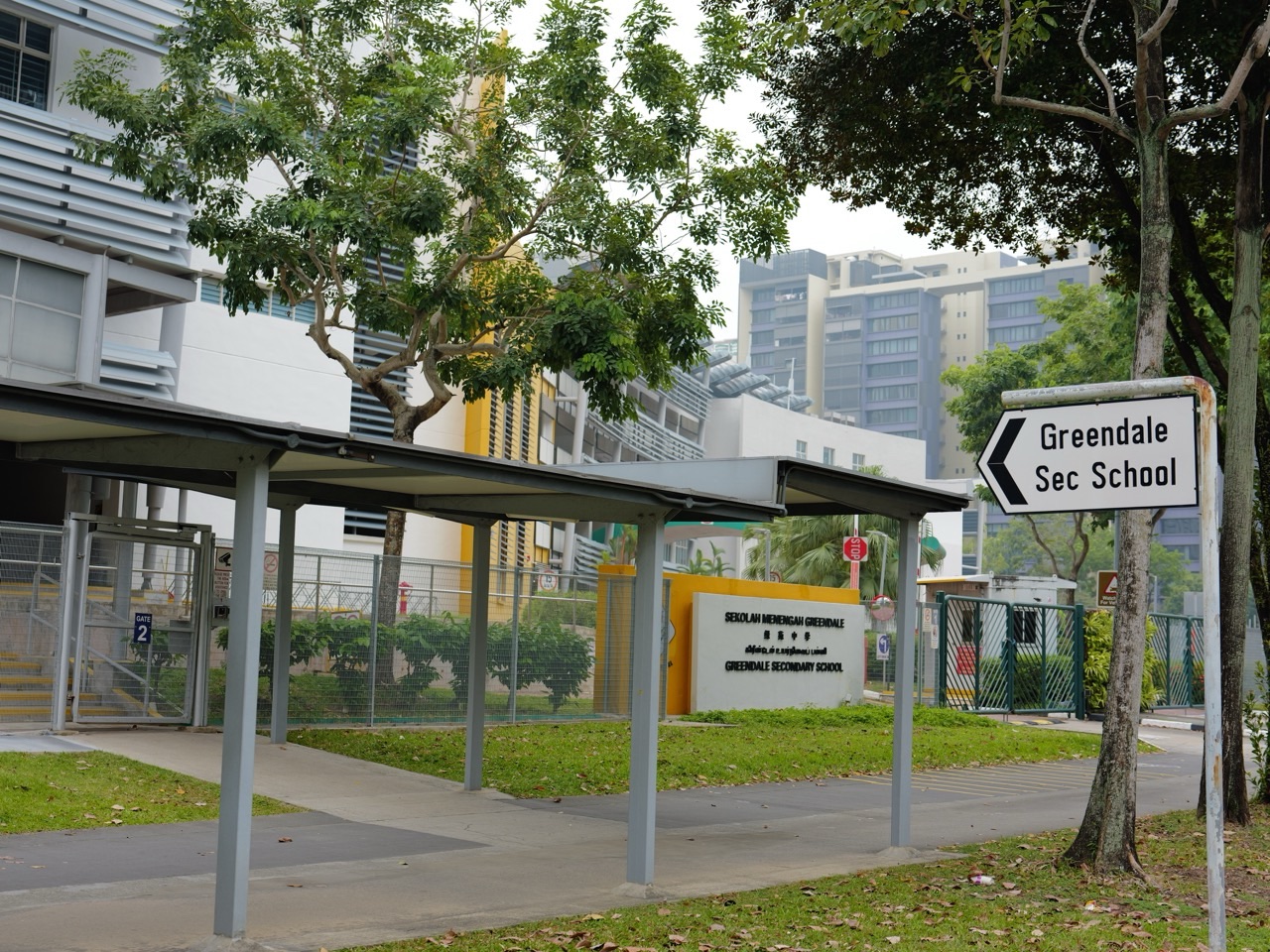
This guide supports families at Edgefield, Greendale, Punggol Secondary and Yusof Ishak Secondary. Actual teaching sequences, assessment formats and subject arrangements are determined by the child’s school and current MOE requirements. The inaugural 2027 SEC is for the graduating cohort of that year, not for students beginning Secondary 1 in 2027. The examples here are original teaching scenarios, not official examination questions.
- Cell theory and models: understand the definition, interpret an example, identify a misconception and practise independently.
- Plant and animal cells: understand the definition, interpret an example, identify a misconception and practise independently.
- Cell membrane and transport: understand the definition, interpret an example, identify a misconception and practise independently.
- Nucleus and genetic information: understand the definition, interpret an example, identify a misconception and practise independently.
- Cytoplasm and cellular functions: understand the definition, interpret an example, identify a misconception and practise independently.
- Organisation into tissues: understand the definition, interpret an example, identify a misconception and practise independently.
- Systems and interactions: understand the definition, interpret an example, identify a misconception and practise independently.
- Evidence and microscopy limitations: understand the definition, interpret an example, identify a misconception and practise independently.

Cell theory and models
The first task in cell theory and models is to understand what the term describes and what it does not describe. In G3 Science, a student should not use a familiar label as a substitute for thinking. Ask what information is given, what is unknown, which relationship matters and which part of the topic is actually being assessed. This protects the learner from applying a rehearsed method to a question with different conditions.
For an original classroom example, imagine a teacher presenting two related but not identical cases about cell theory and models. In the first case, the relevant information is stated directly; in the second, one condition changes. Ask the teenager to describe that change before answering. A reliable learner explains how the change affects the reasoning, rather than simply copying the previous solution. This exercise is illustrative and is not claimed to be a task used by any Punggol school.
A common misconception is to believe that recognising a topic name means the method is already known. Students can often repeat a definition yet struggle to apply it to a fresh example. Invite the child to explain the principle in plain language, show one correct application and identify one tempting but incorrect alternative. If the learner cannot justify the distinction, simplify the example and reteach the concept before introducing greater difficulty.
A useful correction routine begins with the actual marked schoolwork. Identify the first point where the response stops following from the evidence, rule or task. Explain why that step is invalid, then ask the child to repair it independently. Give a related question several days later without hints. The delayed attempt reveals whether the student has learned a transferable idea or merely remembered the teacher’s last answer.
Parents should keep practice short, purposeful and aligned with the school timetable. A child managing homework, CCA and the transition to Secondary 1 may benefit more from a carefully explained correction than from dozens of repetitive exercises. Discuss persistent difficulties with the subject teacher, and use additional tuition only when a specific gap warrants targeted instruction. The objective is accurate, independent work, not an automatic promise of higher marks.
Plant and animal cells
The first task in plant and animal cells is to understand what the term describes and what it does not describe. In G3 Science, a student should not use a familiar label as a substitute for thinking. Ask what information is given, what is unknown, which relationship matters and which part of the topic is actually being assessed. This protects the learner from applying a rehearsed method to a question with different conditions.
For an original classroom example, imagine a teacher presenting two related but not identical cases about plant and animal cells. In the first case, the relevant information is stated directly; in the second, one condition changes. Ask the teenager to describe that change before answering. A reliable learner explains how the change affects the reasoning, rather than simply copying the previous solution. This exercise is illustrative and is not claimed to be a task used by any Punggol school.
A common misconception is to believe that recognising a topic name means the method is already known. Students can often repeat a definition yet struggle to apply it to a fresh example. Invite the child to explain the principle in plain language, show one correct application and identify one tempting but incorrect alternative. If the learner cannot justify the distinction, simplify the example and reteach the concept before introducing greater difficulty.
A useful correction routine begins with the actual marked schoolwork. Identify the first point where the response stops following from the evidence, rule or task. Explain why that step is invalid, then ask the child to repair it independently. Give a related question several days later without hints. The delayed attempt reveals whether the student has learned a transferable idea or merely remembered the teacher’s last answer.
Parents should keep practice short, purposeful and aligned with the school timetable. A child managing homework, CCA and the transition to Secondary 1 may benefit more from a carefully explained correction than from dozens of repetitive exercises. Discuss persistent difficulties with the subject teacher, and use additional tuition only when a specific gap warrants targeted instruction. The objective is accurate, independent work, not an automatic promise of higher marks.
Cell membrane and transport
The first task in cell membrane and transport is to understand what the term describes and what it does not describe. In G3 Science, a student should not use a familiar label as a substitute for thinking. Ask what information is given, what is unknown, which relationship matters and which part of the topic is actually being assessed. This protects the learner from applying a rehearsed method to a question with different conditions.
For an original classroom example, imagine a teacher presenting two related but not identical cases about cell membrane and transport. In the first case, the relevant information is stated directly; in the second, one condition changes. Ask the teenager to describe that change before answering. A reliable learner explains how the change affects the reasoning, rather than simply copying the previous solution. This exercise is illustrative and is not claimed to be a task used by any Punggol school.
A common misconception is to believe that recognising a topic name means the method is already known. Students can often repeat a definition yet struggle to apply it to a fresh example. Invite the child to explain the principle in plain language, show one correct application and identify one tempting but incorrect alternative. If the learner cannot justify the distinction, simplify the example and reteach the concept before introducing greater difficulty.
A useful correction routine begins with the actual marked schoolwork. Identify the first point where the response stops following from the evidence, rule or task. Explain why that step is invalid, then ask the child to repair it independently. Give a related question several days later without hints. The delayed attempt reveals whether the student has learned a transferable idea or merely remembered the teacher’s last answer.
Parents should keep practice short, purposeful and aligned with the school timetable. A child managing homework, CCA and the transition to Secondary 1 may benefit more from a carefully explained correction than from dozens of repetitive exercises. Discuss persistent difficulties with the subject teacher, and use additional tuition only when a specific gap warrants targeted instruction. The objective is accurate, independent work, not an automatic promise of higher marks.
Nucleus and genetic information
The first task in nucleus and genetic information is to understand what the term describes and what it does not describe. In G3 Science, a student should not use a familiar label as a substitute for thinking. Ask what information is given, what is unknown, which relationship matters and which part of the topic is actually being assessed. This protects the learner from applying a rehearsed method to a question with different conditions.
For an original classroom example, imagine a teacher presenting two related but not identical cases about nucleus and genetic information. In the first case, the relevant information is stated directly; in the second, one condition changes. Ask the teenager to describe that change before answering. A reliable learner explains how the change affects the reasoning, rather than simply copying the previous solution. This exercise is illustrative and is not claimed to be a task used by any Punggol school.
A common misconception is to believe that recognising a topic name means the method is already known. Students can often repeat a definition yet struggle to apply it to a fresh example. Invite the child to explain the principle in plain language, show one correct application and identify one tempting but incorrect alternative. If the learner cannot justify the distinction, simplify the example and reteach the concept before introducing greater difficulty.
A useful correction routine begins with the actual marked schoolwork. Identify the first point where the response stops following from the evidence, rule or task. Explain why that step is invalid, then ask the child to repair it independently. Give a related question several days later without hints. The delayed attempt reveals whether the student has learned a transferable idea or merely remembered the teacher’s last answer.
Parents should keep practice short, purposeful and aligned with the school timetable. A child managing homework, CCA and the transition to Secondary 1 may benefit more from a carefully explained correction than from dozens of repetitive exercises. Discuss persistent difficulties with the subject teacher, and use additional tuition only when a specific gap warrants targeted instruction. The objective is accurate, independent work, not an automatic promise of higher marks.
Cytoplasm and cellular functions
The first task in cytoplasm and cellular functions is to understand what the term describes and what it does not describe. In G3 Science, a student should not use a familiar label as a substitute for thinking. Ask what information is given, what is unknown, which relationship matters and which part of the topic is actually being assessed. This protects the learner from applying a rehearsed method to a question with different conditions.
For an original classroom example, imagine a teacher presenting two related but not identical cases about cytoplasm and cellular functions. In the first case, the relevant information is stated directly; in the second, one condition changes. Ask the teenager to describe that change before answering. A reliable learner explains how the change affects the reasoning, rather than simply copying the previous solution. This exercise is illustrative and is not claimed to be a task used by any Punggol school.
A common misconception is to believe that recognising a topic name means the method is already known. Students can often repeat a definition yet struggle to apply it to a fresh example. Invite the child to explain the principle in plain language, show one correct application and identify one tempting but incorrect alternative. If the learner cannot justify the distinction, simplify the example and reteach the concept before introducing greater difficulty.
A useful correction routine begins with the actual marked schoolwork. Identify the first point where the response stops following from the evidence, rule or task. Explain why that step is invalid, then ask the child to repair it independently. Give a related question several days later without hints. The delayed attempt reveals whether the student has learned a transferable idea or merely remembered the teacher’s last answer.
Parents should keep practice short, purposeful and aligned with the school timetable. A child managing homework, CCA and the transition to Secondary 1 may benefit more from a carefully explained correction than from dozens of repetitive exercises. Discuss persistent difficulties with the subject teacher, and use additional tuition only when a specific gap warrants targeted instruction. The objective is accurate, independent work, not an automatic promise of higher marks.
Organisation into tissues
The first task in organisation into tissues is to understand what the term describes and what it does not describe. In G3 Science, a student should not use a familiar label as a substitute for thinking. Ask what information is given, what is unknown, which relationship matters and which part of the topic is actually being assessed. This protects the learner from applying a rehearsed method to a question with different conditions.
For an original classroom example, imagine a teacher presenting two related but not identical cases about organisation into tissues. In the first case, the relevant information is stated directly; in the second, one condition changes. Ask the teenager to describe that change before answering. A reliable learner explains how the change affects the reasoning, rather than simply copying the previous solution. This exercise is illustrative and is not claimed to be a task used by any Punggol school.
A common misconception is to believe that recognising a topic name means the method is already known. Students can often repeat a definition yet struggle to apply it to a fresh example. Invite the child to explain the principle in plain language, show one correct application and identify one tempting but incorrect alternative. If the learner cannot justify the distinction, simplify the example and reteach the concept before introducing greater difficulty.
A useful correction routine begins with the actual marked schoolwork. Identify the first point where the response stops following from the evidence, rule or task. Explain why that step is invalid, then ask the child to repair it independently. Give a related question several days later without hints. The delayed attempt reveals whether the student has learned a transferable idea or merely remembered the teacher’s last answer.
Parents should keep practice short, purposeful and aligned with the school timetable. A child managing homework, CCA and the transition to Secondary 1 may benefit more from a carefully explained correction than from dozens of repetitive exercises. Discuss persistent difficulties with the subject teacher, and use additional tuition only when a specific gap warrants targeted instruction. The objective is accurate, independent work, not an automatic promise of higher marks.
Systems and interactions
The first task in systems and interactions is to understand what the term describes and what it does not describe. In G3 Science, a student should not use a familiar label as a substitute for thinking. Ask what information is given, what is unknown, which relationship matters and which part of the topic is actually being assessed. This protects the learner from applying a rehearsed method to a question with different conditions.
For an original classroom example, imagine a teacher presenting two related but not identical cases about systems and interactions. In the first case, the relevant information is stated directly; in the second, one condition changes. Ask the teenager to describe that change before answering. A reliable learner explains how the change affects the reasoning, rather than simply copying the previous solution. This exercise is illustrative and is not claimed to be a task used by any Punggol school.
A common misconception is to believe that recognising a topic name means the method is already known. Students can often repeat a definition yet struggle to apply it to a fresh example. Invite the child to explain the principle in plain language, show one correct application and identify one tempting but incorrect alternative. If the learner cannot justify the distinction, simplify the example and reteach the concept before introducing greater difficulty.
A useful correction routine begins with the actual marked schoolwork. Identify the first point where the response stops following from the evidence, rule or task. Explain why that step is invalid, then ask the child to repair it independently. Give a related question several days later without hints. The delayed attempt reveals whether the student has learned a transferable idea or merely remembered the teacher’s last answer.
Parents should keep practice short, purposeful and aligned with the school timetable. A child managing homework, CCA and the transition to Secondary 1 may benefit more from a carefully explained correction than from dozens of repetitive exercises. Discuss persistent difficulties with the subject teacher, and use additional tuition only when a specific gap warrants targeted instruction. The objective is accurate, independent work, not an automatic promise of higher marks.
Evidence and microscopy limitations
The first task in evidence and microscopy limitations is to understand what the term describes and what it does not describe. In G3 Science, a student should not use a familiar label as a substitute for thinking. Ask what information is given, what is unknown, which relationship matters and which part of the topic is actually being assessed. This protects the learner from applying a rehearsed method to a question with different conditions.
For an original classroom example, imagine a teacher presenting two related but not identical cases about evidence and microscopy limitations. In the first case, the relevant information is stated directly; in the second, one condition changes. Ask the teenager to describe that change before answering. A reliable learner explains how the change affects the reasoning, rather than simply copying the previous solution. This exercise is illustrative and is not claimed to be a task used by any Punggol school.
A common misconception is to believe that recognising a topic name means the method is already known. Students can often repeat a definition yet struggle to apply it to a fresh example. Invite the child to explain the principle in plain language, show one correct application and identify one tempting but incorrect alternative. If the learner cannot justify the distinction, simplify the example and reteach the concept before introducing greater difficulty.
A useful correction routine begins with the actual marked schoolwork. Identify the first point where the response stops following from the evidence, rule or task. Explain why that step is invalid, then ask the child to repair it independently. Give a related question several days later without hints. The delayed attempt reveals whether the student has learned a transferable idea or merely remembered the teacher’s last answer.
Parents should keep practice short, purposeful and aligned with the school timetable. A child managing homework, CCA and the transition to Secondary 1 may benefit more from a carefully explained correction than from dozens of repetitive exercises. Discuss persistent difficulties with the subject teacher, and use additional tuition only when a specific gap warrants targeted instruction. The objective is accurate, independent work, not an automatic promise of higher marks.
Applied learning stage 1: Read the task
At stage 1, the student revisits plant and animal cells through a different learning action. The parent asks the teenager to identify the purpose of the task, name the information that matters, and explain what would count as a justified answer. Rather than providing the final response immediately, invite an independent attempt and then discuss the specific decision that made it correct or incorrect. This method is useful for G3 Science because unfamiliar questions can combine several ideas, and successful transfer requires more than recalling a model. The family should record one precise improvement, check it with a new scenario after a delay, and follow the school’s actual curriculum rather than assume that every pupil needs the same level of extension.
At stage 1, the student revisits cell membrane and transport through a different learning action. The parent asks the teenager to identify the purpose of the task, name the information that matters, and explain what would count as a justified answer. Rather than providing the final response immediately, invite an independent attempt and then discuss the specific decision that made it correct or incorrect. This method is useful for G3 Science because unfamiliar questions can combine several ideas, and successful transfer requires more than recalling a model. The family should record one precise improvement, check it with a new scenario after a delay, and follow the school’s actual curriculum rather than assume that every pupil needs the same level of extension.
At stage 1, the student revisits nucleus and genetic information through a different learning action. The parent asks the teenager to identify the purpose of the task, name the information that matters, and explain what would count as a justified answer. Rather than providing the final response immediately, invite an independent attempt and then discuss the specific decision that made it correct or incorrect. This method is useful for G3 Science because unfamiliar questions can combine several ideas, and successful transfer requires more than recalling a model. The family should record one precise improvement, check it with a new scenario after a delay, and follow the school’s actual curriculum rather than assume that every pupil needs the same level of extension.
At stage 1, the student revisits cytoplasm and cellular functions through a different learning action. The parent asks the teenager to identify the purpose of the task, name the information that matters, and explain what would count as a justified answer. Rather than providing the final response immediately, invite an independent attempt and then discuss the specific decision that made it correct or incorrect. This method is useful for G3 Science because unfamiliar questions can combine several ideas, and successful transfer requires more than recalling a model. The family should record one precise improvement, check it with a new scenario after a delay, and follow the school’s actual curriculum rather than assume that every pupil needs the same level of extension.
At stage 1, the student revisits organisation into tissues through a different learning action. The parent asks the teenager to identify the purpose of the task, name the information that matters, and explain what would count as a justified answer. Rather than providing the final response immediately, invite an independent attempt and then discuss the specific decision that made it correct or incorrect. This method is useful for G3 Science because unfamiliar questions can combine several ideas, and successful transfer requires more than recalling a model. The family should record one precise improvement, check it with a new scenario after a delay, and follow the school’s actual curriculum rather than assume that every pupil needs the same level of extension.
Applied learning stage 2: Explain the principle
At stage 2, the student revisits cell membrane and transport through a different learning action. The parent asks the teenager to identify the purpose of the task, name the information that matters, and explain what would count as a justified answer. Rather than providing the final response immediately, invite an independent attempt and then discuss the specific decision that made it correct or incorrect. This method is useful for G3 Science because unfamiliar questions can combine several ideas, and successful transfer requires more than recalling a model. The family should record one precise improvement, check it with a new scenario after a delay, and follow the school’s actual curriculum rather than assume that every pupil needs the same level of extension.
At stage 2, the student revisits nucleus and genetic information through a different learning action. The parent asks the teenager to identify the purpose of the task, name the information that matters, and explain what would count as a justified answer. Rather than providing the final response immediately, invite an independent attempt and then discuss the specific decision that made it correct or incorrect. This method is useful for G3 Science because unfamiliar questions can combine several ideas, and successful transfer requires more than recalling a model. The family should record one precise improvement, check it with a new scenario after a delay, and follow the school’s actual curriculum rather than assume that every pupil needs the same level of extension.
At stage 2, the student revisits cytoplasm and cellular functions through a different learning action. The parent asks the teenager to identify the purpose of the task, name the information that matters, and explain what would count as a justified answer. Rather than providing the final response immediately, invite an independent attempt and then discuss the specific decision that made it correct or incorrect. This method is useful for G3 Science because unfamiliar questions can combine several ideas, and successful transfer requires more than recalling a model. The family should record one precise improvement, check it with a new scenario after a delay, and follow the school’s actual curriculum rather than assume that every pupil needs the same level of extension.
At stage 2, the student revisits organisation into tissues through a different learning action. The parent asks the teenager to identify the purpose of the task, name the information that matters, and explain what would count as a justified answer. Rather than providing the final response immediately, invite an independent attempt and then discuss the specific decision that made it correct or incorrect. This method is useful for G3 Science because unfamiliar questions can combine several ideas, and successful transfer requires more than recalling a model. The family should record one precise improvement, check it with a new scenario after a delay, and follow the school’s actual curriculum rather than assume that every pupil needs the same level of extension.
At stage 2, the student revisits systems and interactions through a different learning action. The parent asks the teenager to identify the purpose of the task, name the information that matters, and explain what would count as a justified answer. Rather than providing the final response immediately, invite an independent attempt and then discuss the specific decision that made it correct or incorrect. This method is useful for G3 Science because unfamiliar questions can combine several ideas, and successful transfer requires more than recalling a model. The family should record one precise improvement, check it with a new scenario after a delay, and follow the school’s actual curriculum rather than assume that every pupil needs the same level of extension.
Applied learning stage 3: Compare examples
At stage 3, the student revisits nucleus and genetic information through a different learning action. The parent asks the teenager to identify the purpose of the task, name the information that matters, and explain what would count as a justified answer. Rather than providing the final response immediately, invite an independent attempt and then discuss the specific decision that made it correct or incorrect. This method is useful for G3 Science because unfamiliar questions can combine several ideas, and successful transfer requires more than recalling a model. The family should record one precise improvement, check it with a new scenario after a delay, and follow the school’s actual curriculum rather than assume that every pupil needs the same level of extension.
At stage 3, the student revisits cytoplasm and cellular functions through a different learning action. The parent asks the teenager to identify the purpose of the task, name the information that matters, and explain what would count as a justified answer. Rather than providing the final response immediately, invite an independent attempt and then discuss the specific decision that made it correct or incorrect. This method is useful for G3 Science because unfamiliar questions can combine several ideas, and successful transfer requires more than recalling a model. The family should record one precise improvement, check it with a new scenario after a delay, and follow the school’s actual curriculum rather than assume that every pupil needs the same level of extension.
At stage 3, the student revisits organisation into tissues through a different learning action. The parent asks the teenager to identify the purpose of the task, name the information that matters, and explain what would count as a justified answer. Rather than providing the final response immediately, invite an independent attempt and then discuss the specific decision that made it correct or incorrect. This method is useful for G3 Science because unfamiliar questions can combine several ideas, and successful transfer requires more than recalling a model. The family should record one precise improvement, check it with a new scenario after a delay, and follow the school’s actual curriculum rather than assume that every pupil needs the same level of extension.
At stage 3, the student revisits systems and interactions through a different learning action. The parent asks the teenager to identify the purpose of the task, name the information that matters, and explain what would count as a justified answer. Rather than providing the final response immediately, invite an independent attempt and then discuss the specific decision that made it correct or incorrect. This method is useful for G3 Science because unfamiliar questions can combine several ideas, and successful transfer requires more than recalling a model. The family should record one precise improvement, check it with a new scenario after a delay, and follow the school’s actual curriculum rather than assume that every pupil needs the same level of extension.
At stage 3, the student revisits evidence and microscopy limitations through a different learning action. The parent asks the teenager to identify the purpose of the task, name the information that matters, and explain what would count as a justified answer. Rather than providing the final response immediately, invite an independent attempt and then discuss the specific decision that made it correct or incorrect. This method is useful for G3 Science because unfamiliar questions can combine several ideas, and successful transfer requires more than recalling a model. The family should record one precise improvement, check it with a new scenario after a delay, and follow the school’s actual curriculum rather than assume that every pupil needs the same level of extension.
Applied learning stage 4: Choose evidence
At stage 4, the student revisits cytoplasm and cellular functions through a different learning action. The parent asks the teenager to identify the purpose of the task, name the information that matters, and explain what would count as a justified answer. Rather than providing the final response immediately, invite an independent attempt and then discuss the specific decision that made it correct or incorrect. This method is useful for G3 Science because unfamiliar questions can combine several ideas, and successful transfer requires more than recalling a model. The family should record one precise improvement, check it with a new scenario after a delay, and follow the school’s actual curriculum rather than assume that every pupil needs the same level of extension.
At stage 4, the student revisits organisation into tissues through a different learning action. The parent asks the teenager to identify the purpose of the task, name the information that matters, and explain what would count as a justified answer. Rather than providing the final response immediately, invite an independent attempt and then discuss the specific decision that made it correct or incorrect. This method is useful for G3 Science because unfamiliar questions can combine several ideas, and successful transfer requires more than recalling a model. The family should record one precise improvement, check it with a new scenario after a delay, and follow the school’s actual curriculum rather than assume that every pupil needs the same level of extension.
At stage 4, the student revisits systems and interactions through a different learning action. The parent asks the teenager to identify the purpose of the task, name the information that matters, and explain what would count as a justified answer. Rather than providing the final response immediately, invite an independent attempt and then discuss the specific decision that made it correct or incorrect. This method is useful for G3 Science because unfamiliar questions can combine several ideas, and successful transfer requires more than recalling a model. The family should record one precise improvement, check it with a new scenario after a delay, and follow the school’s actual curriculum rather than assume that every pupil needs the same level of extension.
At stage 4, the student revisits evidence and microscopy limitations through a different learning action. The parent asks the teenager to identify the purpose of the task, name the information that matters, and explain what would count as a justified answer. Rather than providing the final response immediately, invite an independent attempt and then discuss the specific decision that made it correct or incorrect. This method is useful for G3 Science because unfamiliar questions can combine several ideas, and successful transfer requires more than recalling a model. The family should record one precise improvement, check it with a new scenario after a delay, and follow the school’s actual curriculum rather than assume that every pupil needs the same level of extension.
At stage 4, the student revisits cell theory and models through a different learning action. The parent asks the teenager to identify the purpose of the task, name the information that matters, and explain what would count as a justified answer. Rather than providing the final response immediately, invite an independent attempt and then discuss the specific decision that made it correct or incorrect. This method is useful for G3 Science because unfamiliar questions can combine several ideas, and successful transfer requires more than recalling a model. The family should record one precise improvement, check it with a new scenario after a delay, and follow the school’s actual curriculum rather than assume that every pupil needs the same level of extension.
Applied learning stage 5: Show reasoning
At stage 5, the student revisits organisation into tissues through a different learning action. The parent asks the teenager to identify the purpose of the task, name the information that matters, and explain what would count as a justified answer. Rather than providing the final response immediately, invite an independent attempt and then discuss the specific decision that made it correct or incorrect. This method is useful for G3 Science because unfamiliar questions can combine several ideas, and successful transfer requires more than recalling a model. The family should record one precise improvement, check it with a new scenario after a delay, and follow the school’s actual curriculum rather than assume that every pupil needs the same level of extension.
At stage 5, the student revisits systems and interactions through a different learning action. The parent asks the teenager to identify the purpose of the task, name the information that matters, and explain what would count as a justified answer. Rather than providing the final response immediately, invite an independent attempt and then discuss the specific decision that made it correct or incorrect. This method is useful for G3 Science because unfamiliar questions can combine several ideas, and successful transfer requires more than recalling a model. The family should record one precise improvement, check it with a new scenario after a delay, and follow the school’s actual curriculum rather than assume that every pupil needs the same level of extension.
At stage 5, the student revisits evidence and microscopy limitations through a different learning action. The parent asks the teenager to identify the purpose of the task, name the information that matters, and explain what would count as a justified answer. Rather than providing the final response immediately, invite an independent attempt and then discuss the specific decision that made it correct or incorrect. This method is useful for G3 Science because unfamiliar questions can combine several ideas, and successful transfer requires more than recalling a model. The family should record one precise improvement, check it with a new scenario after a delay, and follow the school’s actual curriculum rather than assume that every pupil needs the same level of extension.
At stage 5, the student revisits cell theory and models through a different learning action. The parent asks the teenager to identify the purpose of the task, name the information that matters, and explain what would count as a justified answer. Rather than providing the final response immediately, invite an independent attempt and then discuss the specific decision that made it correct or incorrect. This method is useful for G3 Science because unfamiliar questions can combine several ideas, and successful transfer requires more than recalling a model. The family should record one precise improvement, check it with a new scenario after a delay, and follow the school’s actual curriculum rather than assume that every pupil needs the same level of extension.
At stage 5, the student revisits plant and animal cells through a different learning action. The parent asks the teenager to identify the purpose of the task, name the information that matters, and explain what would count as a justified answer. Rather than providing the final response immediately, invite an independent attempt and then discuss the specific decision that made it correct or incorrect. This method is useful for G3 Science because unfamiliar questions can combine several ideas, and successful transfer requires more than recalling a model. The family should record one precise improvement, check it with a new scenario after a delay, and follow the school’s actual curriculum rather than assume that every pupil needs the same level of extension.
Applied learning stage 6: Check limitations
At stage 6, the student revisits systems and interactions through a different learning action. The parent asks the teenager to identify the purpose of the task, name the information that matters, and explain what would count as a justified answer. Rather than providing the final response immediately, invite an independent attempt and then discuss the specific decision that made it correct or incorrect. This method is useful for G3 Science because unfamiliar questions can combine several ideas, and successful transfer requires more than recalling a model. The family should record one precise improvement, check it with a new scenario after a delay, and follow the school’s actual curriculum rather than assume that every pupil needs the same level of extension.
At stage 6, the student revisits evidence and microscopy limitations through a different learning action. The parent asks the teenager to identify the purpose of the task, name the information that matters, and explain what would count as a justified answer. Rather than providing the final response immediately, invite an independent attempt and then discuss the specific decision that made it correct or incorrect. This method is useful for G3 Science because unfamiliar questions can combine several ideas, and successful transfer requires more than recalling a model. The family should record one precise improvement, check it with a new scenario after a delay, and follow the school’s actual curriculum rather than assume that every pupil needs the same level of extension.
At stage 6, the student revisits cell theory and models through a different learning action. The parent asks the teenager to identify the purpose of the task, name the information that matters, and explain what would count as a justified answer. Rather than providing the final response immediately, invite an independent attempt and then discuss the specific decision that made it correct or incorrect. This method is useful for G3 Science because unfamiliar questions can combine several ideas, and successful transfer requires more than recalling a model. The family should record one precise improvement, check it with a new scenario after a delay, and follow the school’s actual curriculum rather than assume that every pupil needs the same level of extension.
At stage 6, the student revisits plant and animal cells through a different learning action. The parent asks the teenager to identify the purpose of the task, name the information that matters, and explain what would count as a justified answer. Rather than providing the final response immediately, invite an independent attempt and then discuss the specific decision that made it correct or incorrect. This method is useful for G3 Science because unfamiliar questions can combine several ideas, and successful transfer requires more than recalling a model. The family should record one precise improvement, check it with a new scenario after a delay, and follow the school’s actual curriculum rather than assume that every pupil needs the same level of extension.
At stage 6, the student revisits cell membrane and transport through a different learning action. The parent asks the teenager to identify the purpose of the task, name the information that matters, and explain what would count as a justified answer. Rather than providing the final response immediately, invite an independent attempt and then discuss the specific decision that made it correct or incorrect. This method is useful for G3 Science because unfamiliar questions can combine several ideas, and successful transfer requires more than recalling a model. The family should record one precise improvement, check it with a new scenario after a delay, and follow the school’s actual curriculum rather than assume that every pupil needs the same level of extension.
Applied learning stage 7: Correct an error
At stage 7, the student revisits evidence and microscopy limitations through a different learning action. The parent asks the teenager to identify the purpose of the task, name the information that matters, and explain what would count as a justified answer. Rather than providing the final response immediately, invite an independent attempt and then discuss the specific decision that made it correct or incorrect. This method is useful for G3 Science because unfamiliar questions can combine several ideas, and successful transfer requires more than recalling a model. The family should record one precise improvement, check it with a new scenario after a delay, and follow the school’s actual curriculum rather than assume that every pupil needs the same level of extension.
At stage 7, the student revisits cell theory and models through a different learning action. The parent asks the teenager to identify the purpose of the task, name the information that matters, and explain what would count as a justified answer. Rather than providing the final response immediately, invite an independent attempt and then discuss the specific decision that made it correct or incorrect. This method is useful for G3 Science because unfamiliar questions can combine several ideas, and successful transfer requires more than recalling a model. The family should record one precise improvement, check it with a new scenario after a delay, and follow the school’s actual curriculum rather than assume that every pupil needs the same level of extension.
At stage 7, the student revisits plant and animal cells through a different learning action. The parent asks the teenager to identify the purpose of the task, name the information that matters, and explain what would count as a justified answer. Rather than providing the final response immediately, invite an independent attempt and then discuss the specific decision that made it correct or incorrect. This method is useful for G3 Science because unfamiliar questions can combine several ideas, and successful transfer requires more than recalling a model. The family should record one precise improvement, check it with a new scenario after a delay, and follow the school’s actual curriculum rather than assume that every pupil needs the same level of extension.
At stage 7, the student revisits cell membrane and transport through a different learning action. The parent asks the teenager to identify the purpose of the task, name the information that matters, and explain what would count as a justified answer. Rather than providing the final response immediately, invite an independent attempt and then discuss the specific decision that made it correct or incorrect. This method is useful for G3 Science because unfamiliar questions can combine several ideas, and successful transfer requires more than recalling a model. The family should record one precise improvement, check it with a new scenario after a delay, and follow the school’s actual curriculum rather than assume that every pupil needs the same level of extension.
At stage 7, the student revisits nucleus and genetic information through a different learning action. The parent asks the teenager to identify the purpose of the task, name the information that matters, and explain what would count as a justified answer. Rather than providing the final response immediately, invite an independent attempt and then discuss the specific decision that made it correct or incorrect. This method is useful for G3 Science because unfamiliar questions can combine several ideas, and successful transfer requires more than recalling a model. The family should record one precise improvement, check it with a new scenario after a delay, and follow the school’s actual curriculum rather than assume that every pupil needs the same level of extension.
Applied learning stage 8: Transfer independently
At stage 8, the student revisits cell theory and models through a different learning action. The parent asks the teenager to identify the purpose of the task, name the information that matters, and explain what would count as a justified answer. Rather than providing the final response immediately, invite an independent attempt and then discuss the specific decision that made it correct or incorrect. This method is useful for G3 Science because unfamiliar questions can combine several ideas, and successful transfer requires more than recalling a model. The family should record one precise improvement, check it with a new scenario after a delay, and follow the school’s actual curriculum rather than assume that every pupil needs the same level of extension.
At stage 8, the student revisits plant and animal cells through a different learning action. The parent asks the teenager to identify the purpose of the task, name the information that matters, and explain what would count as a justified answer. Rather than providing the final response immediately, invite an independent attempt and then discuss the specific decision that made it correct or incorrect. This method is useful for G3 Science because unfamiliar questions can combine several ideas, and successful transfer requires more than recalling a model. The family should record one precise improvement, check it with a new scenario after a delay, and follow the school’s actual curriculum rather than assume that every pupil needs the same level of extension.
At stage 8, the student revisits cell membrane and transport through a different learning action. The parent asks the teenager to identify the purpose of the task, name the information that matters, and explain what would count as a justified answer. Rather than providing the final response immediately, invite an independent attempt and then discuss the specific decision that made it correct or incorrect. This method is useful for G3 Science because unfamiliar questions can combine several ideas, and successful transfer requires more than recalling a model. The family should record one precise improvement, check it with a new scenario after a delay, and follow the school’s actual curriculum rather than assume that every pupil needs the same level of extension.
At stage 8, the student revisits nucleus and genetic information through a different learning action. The parent asks the teenager to identify the purpose of the task, name the information that matters, and explain what would count as a justified answer. Rather than providing the final response immediately, invite an independent attempt and then discuss the specific decision that made it correct or incorrect. This method is useful for G3 Science because unfamiliar questions can combine several ideas, and successful transfer requires more than recalling a model. The family should record one precise improvement, check it with a new scenario after a delay, and follow the school’s actual curriculum rather than assume that every pupil needs the same level of extension.
At stage 8, the student revisits cytoplasm and cellular functions through a different learning action. The parent asks the teenager to identify the purpose of the task, name the information that matters, and explain what would count as a justified answer. Rather than providing the final response immediately, invite an independent attempt and then discuss the specific decision that made it correct or incorrect. This method is useful for G3 Science because unfamiliar questions can combine several ideas, and successful transfer requires more than recalling a model. The family should record one precise improvement, check it with a new scenario after a delay, and follow the school’s actual curriculum rather than assume that every pupil needs the same level of extension.
Frequently asked questions
How can parents support cell theory and models?
Begin with the current school task and ask the child to explain the principle, demonstrate one correct example and repair one misconception. Use a new independent attempt after several days. Avoid making assumptions about subject levels or school requirements from the PG3 admission label.
How can parents support plant and animal cells?
Begin with the current school task and ask the child to explain the principle, demonstrate one correct example and repair one misconception. Use a new independent attempt after several days. Avoid making assumptions about subject levels or school requirements from the PG3 admission label.
How can parents support cell membrane and transport?
Begin with the current school task and ask the child to explain the principle, demonstrate one correct example and repair one misconception. Use a new independent attempt after several days. Avoid making assumptions about subject levels or school requirements from the PG3 admission label.
How can parents support nucleus and genetic information?
Begin with the current school task and ask the child to explain the principle, demonstrate one correct example and repair one misconception. Use a new independent attempt after several days. Avoid making assumptions about subject levels or school requirements from the PG3 admission label.
How can parents support cytoplasm and cellular functions?
Begin with the current school task and ask the child to explain the principle, demonstrate one correct example and repair one misconception. Use a new independent attempt after several days. Avoid making assumptions about subject levels or school requirements from the PG3 admission label.
How can parents support organisation into tissues?
Begin with the current school task and ask the child to explain the principle, demonstrate one correct example and repair one misconception. Use a new independent attempt after several days. Avoid making assumptions about subject levels or school requirements from the PG3 admission label.
How can parents support systems and interactions?
Begin with the current school task and ask the child to explain the principle, demonstrate one correct example and repair one misconception. Use a new independent attempt after several days. Avoid making assumptions about subject levels or school requirements from the PG3 admission label.
How can parents support evidence and microscopy limitations?
Begin with the current school task and ask the child to explain the principle, demonstrate one correct example and repair one misconception. Use a new independent attempt after several days. Avoid making assumptions about subject levels or school requirements from the PG3 admission label.
Your next step
Choose one current G3 Science school question. Locate the first misunderstanding, explain the relevant concept and practise an unfamiliar example. Review again after several days. Check the school’s teaching sequence and teacher feedback before adding further tuition or advanced work.
Official references
MOE Full Subject-Based Banding · MOE secondary curriculum · eduKateSG Clementi teaching reference.


