
- Posting Group 2: a Secondary 1 admission group, not a permanent upper-secondary course name.
- Subject levels: G1, G2 and G3 can differ across the learner’s subjects under Full SBB.
- Secondary 2 decision: use the school’s live subject-combination booklet and option exercise.
- Academic prerequisites: check required results and teacher advice for each requested elective or more demanding level.
- Subject menu: may include Languages, Mathematics, Science, Humanities and applied electives, but offerings vary by school.
- Combined versus Pure Science: are different subject structures; one strong Science result is not a blanket guarantee.
- Additional Mathematics: confirm availability and criteria for the level and the school’s combinations.
- Order of preference: submit only options the student can realistically take and would genuinely accept.
- Next step: prepare a subject-by-subject readiness sheet and ask the school about unresolved combinations.
Definition lock: posting group, subject level and combination are different
Families meet three overlapping terms. Posting Group 2 helped determine the student’s place in Secondary 1. The G2 or G3 level attached to an individual subject describes the curriculum the learner currently offers. The Secondary 3 subject combination describes the school-approved package of compulsory and elective subjects that the student will study during upper secondary. None of these terms is a substitute for the other two. A student may arrive through PG2, offer G3 English and G2 Mathematics, and still need to select from the school’s actual upper-secondary combinations.
The consequence is practical: a parent’s first question should not be ‘What subjects do PG2 students get?’ but ‘Which combinations are available to a learner with these confirmed subject levels and results at this school?’ That question respects the child’s profile and the school’s operational constraints. It also protects the family from promises made in social-media discussions about an unrelated school. Subject-choice eligibility depends on current official conditions, not a nostalgic interpretation of the former Normal (Academic) label.

Why Secondary 2 is a different decision point from PSLE
At PSLE, a family is choosing a school and using a posting-group framework. By the end of Secondary 2, the child has completed more specialised lower-secondary work. Teachers have evidence from assessed tasks, daily lessons and the way the student responds to challenges. The student has also encountered CCAs, practical subjects, school projects and new interests. These experiences are more relevant to upper-secondary subject decisions than the original overall PSLE Score alone.
That does not mean every option is available to every learner. Schools may require particular results or readiness before allocating a subject, and the actual combinations must fit staffing, timetable and demand. But parents should recognise the educational progress represented by two years of new evidence. Instead of reopening old arguments about why the child entered through PG2, look at the current record. The subject-choice process should reflect who the learner has become and what the learner is prepared to study next.
Start with the school’s current option document
The official subject-combination booklet or online exercise is the governing document for a particular school and cohort. It lists the combinations that can be selected, the eligibility conditions and the process for submitting preferences. Some schools also publish talks, explanatory videos or frequently asked questions. Do not assume that Punggol’s four secondary schools have identical options or administrative schedules, and do not copy another school’s subject codes into your own submission.
Make a small document index. Include the date and version of the option guide, the link or location of the actual submission channel, the deadline, and the place to ask questions. Keep the guidance on appeals or changes if provided. If a subject is absent from the current list, do not promise it will be offered merely because the school listed it several years earlier. An accurate current option sheet is worth more than a beautifully designed but outdated chart.
Read the compulsory subjects before the electives
Upper-secondary subject combinations typically include compulsory curriculum components, with electives selected according to the school’s programme and the learner’s eligibility. Families should first identify which English Language, Mother Tongue, Mathematics, Science and Humanities requirements apply to the student’s options. The precise combination and subject levels depend on the school. A school may package some subjects together, while another may provide different arrangements.
Once these requirements are clear, count the actual academic load. Do not compare combinations simply by the number of unfamiliar names or an assumption that more subjects must be better. Ask which subjects take more reading, problem solving, practical work or independent preparation. A timetable with several demanding choices can create pressure even when each subject is individually attractive. The most successful combination is academically coherent, realistically available and manageable for the particular learner.
Mixed-level profiles should be written explicitly
Suppose a fictional student named Faris has G3 English, G2 Mathematics, G2 Science, G2 Mother Tongue and the Humanities levels shown in the school’s record. The family should write that profile down exactly rather than reducing it to ‘PG2 student’. This creates a basis for asking which upper-secondary combinations are available and which prerequisites are already met. A second student entering through PG2 may have a different profile; there is no reason their option sheets must be identical.
Include current results and teacher feedback beside each subject. If the school is considering a level change, label it ‘subject to school confirmation’ rather than writing the hoped-for level as though it were decided. The family can prepare questions and explore possibilities without misrepresenting what is already official. This discipline is especially useful when subjects are bundled into approved combinations, because one missing prerequisite may affect several otherwise attractive options.
A G3 subject does not magically convert other subjects
A learner offered G3 Mathematics has demonstrated eligibility or readiness for that particular level under the applicable process. It does not automatically mean G3 Science, G3 Humanities or a Pure Science combination is available. The requirements for a particular upper-secondary option depend on the school’s criteria and the learner’s overall subject record. Similarly, strong English at G3 can be an asset without guaranteeing placement into every humanities or elective subject.
Parents should therefore avoid sentences such as ‘Once Maths becomes G3, all our options open.’ Check the actual subject combination rows. Where the school permits a mixed-level pathway, note exactly which subjects remain at G2 and which are offered at G3. Where a combination is unavailable, ask whether the limitation concerns a prerequisite, a school timetable package or programme capacity. These explanations point to different next steps and prevent the family from blaming the child for an administrative constraint.
How subject-level progression can influence the choice
Full Subject-Based Banding allows subject-level adjustments at appropriate points according to student performance, interests, readiness and school procedures. A learner who develops strong competence in a G2 subject may be considered for a more demanding level. A student facing exceptional difficulty may need a discussion about a less demanding level or additional support. Neither outcome should be claimed as an automatic response to one percentage. Schools use current criteria and professional judgement.
Before the Secondary 3 option exercise, ask the school whether any subject-level review will affect the list that the child is permitted to choose. Seek written confirmation where available. If a decision remains pending, avoid submitting an imaginary future combination. A family can ask what evidence is needed and when the outcome will be communicated. The real task is to align the option exercise with the student’s confirmed learning profile, rather than to make a rushed prediction about the next subject-level decision.
Mathematics: the difference between readiness and reputation
Mathematics becomes more abstract in upper secondary. Some combinations may include Additional Mathematics, which demands stronger algebraic foundations and sustained independent practice. Other combinations may emphasise Mathematics appropriate to a different level and set of pathways. A student with strong arithmetic speed may still need repair in algebraic reasoning, negative numbers or graphs before additional challenge is appropriate. Those weaknesses deserve attention before a subject option is accepted.
Ask the school which mathematical prerequisites and level-specific results are required for the combination under consideration. Then look at genuine work rather than relying on the label ‘good at Maths’. Can the child explain why a rearrangement of an equation is valid? Can they solve an unfamiliar application without copying a model? If the answer is not yet reliable, the family can plan targeted preparation while remaining realistic about current eligibility. Academic ambition works best when attached to what the learner can actually understand.
Additional Mathematics is not automatic for PG2
The appearance of Additional Mathematics in a school’s older prospectus does not mean every PG2 entrant can select it later. Schools can offer subject combinations at different levels and set conditions for particular electives. Published examples from government secondary schools show that some predominantly G2 routes may include Additional Mathematics while other mixed-level profiles have specific restrictions. A family must consult the assigned school’s live document rather than transfer another school’s arrangements directly.
Ask three separate questions: is the subject offered at the relevant level, is it included in a combination the child is eligible to choose, and does the child’s current mathematical work indicate readiness? If the answer to one is no, find out what alternative options exist and what later requirements they meet. Avoid using tuition advertisements as evidence of school eligibility. A tutor can help repair algebra, but cannot compel a school to allocate a subject that is unavailable or for which official conditions are not met.
Science: ask whether the school means Combined or Pure
Parents often speak about ‘taking Science’ as though the term were one syllabus. Upper-secondary programmes can distinguish Combined Science and separate or Pure Science subjects, with arrangements varying by school and level. A student’s lower-secondary Science strength is relevant, but specific combinations may require particular results and available options. A child interested in biology or engineering should investigate what science background is suitable for the actual programmes they may later consider.
Read the subject names on the official combination list, including the pairing where a combined course is specified. Do not assume that Chemistry/Biology and Physics/Chemistry are interchangeable simply because both contain Chemistry. Ask what concepts and practical expectations the child will study, what the assessment involves and how each option connects to later learning. The better choice is the one that fits current readiness and preserves relevant future options, not the one whose name sounds most prestigious.
Science interest can emerge from real questions
A student who enjoys discovering how things work may be well suited to further scientific study, but interest should be tested against actual subject work. Does the learner like analysing data, designing fair comparisons and explaining why an observation occurred? Can they persist when a practical result does not match the expected prediction? Scientific curiosity has many forms, from environmental observation to understanding materials and living systems. A school project can help reveal which aspects appeal to the child.
Invite the student to explain one recent investigation rather than asking whether they want to become a scientist. If they describe the procedure vividly but cannot explain the results, there is a teachable gap. If they enjoy the reasoning and can support their conclusions, that is useful evidence of motivation. Use such observations in a conversation with the Science teacher, while respecting the school’s formal eligibility and allocation requirements for the actual combination.
English: a foundation across most pathways
English Language affects more than one examination subject. Students need to understand instructions, write explanations, communicate ideas and interpret complex texts in Science, Humanities and applied projects. A learner offering English at G3 may have an important strength, while another at G2 may be building steady analytical and writing skills. Neither profile should be judged by a simplistic prestige hierarchy. The course decision depends on actual programme prerequisites and the learner’s current performance.
Ask whether English demands in the proposed combination will require more extended reading, technical explanation or presentation. A student interested in a practical elective may still need to write clear project reports. Use authentic work: have the child summarise a short article, explain an evidence-based inference and revise a paragraph. The ability to communicate accurately supports later subject success regardless of whether the student’s main interests lie in science, art, accounting or engineering.
Mother Tongue: respect proficiency and workload
Mother Tongue study has its own language learning and formal subject requirements. From the 2026 Secondary 1 cohort, the national opportunities to offer Higher Mother Tongue Language were broadened for students meeting specified PSLE performance conditions regardless of overall PSLE score. Yet that national policy does not settle every question about a particular student’s upper-secondary language arrangements. The family must follow the school’s current guidance on the subjects the learner is actually taking.
Consider both proficiency and the weekly workload. A child who enjoys reading and speaking a language may benefit from further challenge, while another may need targeted support with composition or formal comprehension. Ask what the subject demands in the relevant school year and how it interacts with the rest of the combination. Do not select or drop a language option solely from peer pressure. The best decision recognises linguistic strength and the child’s capacity to manage all subjects responsibly.
History and Geography: choose thinking as well as content
Humanities study is not simply a choice between memorising dates and memorising places. History asks learners to interpret sources, consider causation and construct warranted judgements. Geography involves spatial understanding, physical and human processes, data and evaluation. Upper-secondary options may pair Social Studies with History or Geography or include other configurations depending on the school and level. The learner’s present interests and results should be considered together with the actual syllabus.
Invite the child to compare two tasks: evaluating the reliability of a historical source and explaining a pattern in geographic data. Which kind of reasoning feels engaging? Which produces clearer, more thoughtful work? The student might enjoy both, but the school may ask for a specific combination. Research the work required, not only the subject title. Humanities can help develop arguments and evidence habits that remain valuable long after a particular examination.
Literature can reveal a different academic strength
A student who enjoys close reading, dialogue, narrative or the motives of characters might be interested in Literature where the school’s upper-secondary options permit it. Success requires more than remembering a plot; learners develop interpretations supported by textual details and communicate those interpretations clearly. A child who performs strongly in English may enjoy Literature, but strong English alone does not guarantee eligibility or that the school offers the desired Literature course for that cohort.
Ask about the selected texts, writing demands and how assessment differs from general English. Invite the child to interpret a short passage without assuming that the adult’s reading is the only correct one. A well-supported alternative interpretation can demonstrate thoughtful engagement. The family’s aim should be to discover whether the student enjoys the intellectual work. Choosing Literature because a friend did so, or rejecting it solely because it is not a laboratory subject, reduces the decision to stereotypes rather than evidence.
Principles of Accounts: a real subject, not a soft option
Principles of Accounts may appear among a school’s elective choices. Parents sometimes misunderstand it as merely learning how to manage pocket money or as an easy replacement for Mathematics. In reality, the subject develops accounting concepts, records, processes and reasoning about financial information according to its syllabus. A student should consider whether they enjoy organised analysis, precise classification and explaining why a transaction is recorded in a particular way.
Ask to see the school’s current subject description and the eligibility criteria for its combination. A simple trial activity can help: present a hypothetical purchase, payment and obligation, then ask what information would be needed to describe the business accurately. The child need not master accounting immediately. The purpose is to learn whether the subject’s way of thinking is attractive. The formal subject option should then be selected on its actual merits, not as a reputation-driven escape from another academic challenge.
Design and Technology: practical work still needs theory
Design and Technology can help students develop ideas, prototype solutions and consider the suitability of materials and processes. It can appeal to learners who enjoy making and testing, but it also involves design reasoning, documentation and safe working habits. A student who likes building objects should not assume that the subject will be free of written explanation or evaluation. Good design requires a clear problem, considered constraints and evidence that a proposed solution works.
When considering D&T as part of a combination, ask about the syllabus, assessed tasks, available facilities and current school criteria. Let the learner explain a simple design decision: why choose one material over another, and what evidence would test the choice? The answer should move beyond ‘because it is strong’ or ‘because it looks nice’. Thoughtful design develops the ability to justify decisions, a skill useful in many academic and applied directions.
Art and creative electives need serious commitment
Art may involve visual investigation, experimentation, documentation and the development of ideas over time. A student who draws quickly for enjoyment might discover that assessed visual work asks for more planning and reflection than expected. Conversely, a learner who struggles with some conventional tests may find rich opportunities to express and refine ideas through visual research. The decision should consider genuine motivation, the school’s offering and the workload of other subjects.
Ask what students actually create and how work is assessed. Is there a portfolio or developmental process? How much independent practice is expected? Does the child enjoy revising ideas after feedback? A carefully chosen creative subject can be academically and personally meaningful, but it is not an easy spare subject added to make the timetable look complete. The family should treat artistic effort with the same seriousness as mathematical or scientific work.
How to read the option codes and bundles
A school’s option sheet may use compact codes for combinations. Parents should decode every element before submitting a preference. A code can represent compulsory subjects plus a named elective or a paired Humanities/Science configuration. The same letter or number might mean something else at a different school. Never assume an option code is a national designation that can be copied across institutions. Read the school’s own legend and check whether the option is available at the child’s actual levels.
Write the full subject names on a separate sheet beside the code. Ask the student to explain the subjects they would study if the option were allocated. If a combination is unclear, contact the school. This protects against accidental selection based on a familiar-sounding label. The parent should also distinguish preference submission from allocation: requesting a combination does not guarantee that all eligibility, demand and resource constraints will be satisfied.
Merit, preferences and available places each have a role
Schools commonly describe upper-secondary subject allocation using academic eligibility, a student’s stated preferences and the availability of places or resources. The exact weighting and rules belong to the individual school’s current exercise. A child who is eligible for two combinations may not be allocated the first choice if the option is oversubscribed or other conditions apply. Conversely, a family should not rank an unwanted option first because it seems easier to obtain.
Check the school’s instructions about whether only eligible combinations may be submitted, how preferences are ranked and how outcomes are communicated. If an appeal process is published, use the formal channel and deadline. Avoid treating rumours from an older intake as binding policy. A realistic family discussion includes not just a favourite combination but alternatives the student would still find acceptable and productive. Preparing thoughtfully for more than one outcome is not a lack of aspiration; it is responsible planning.
Ask what the student will do every ordinary week
Subject names can sound attractive while hiding different patterns of work. A combination involving extended reading, practical reports and complex Mathematics may be demanding in a different way from one focused on design documentation and combined Science. The family should ask teachers what ordinary homework, class preparation and assessments involve. Do not judge workload only by the number of subjects, or by whether a course is commonly described as academic or applied.
Put the proposed work beside the student’s known commitments. Include school travel, CCA, meals and sleep. A teenager with strong results but exhausted evenings may need a more sustainable plan. Another learner may enjoy the additional challenge and be well organised. The central question is whether the whole timetable can support learning over two years, not whether the pupil could complete a very hard worksheet on one enthusiastic weekend.
What if a subject is needed for a future diploma or JC course?
Some post-secondary courses have subject-specific entry criteria. A student who hopes to pursue an engineering-related diploma may need to check particular Mathematics or Science requirements. Other pathways may emphasise different skills. Families should look up the actual criteria published by the relevant institution and label them with the admission year, because rules can change. Do not promise a course simply because a subject combination appears broadly similar to the requirement.
At Secondary 2, the sensible goal is to preserve plausible options connected to the student’s genuine interests without turning one career idea into a fixed destiny. If a prerequisite seems missing, speak to the school about what combinations are actually available and what alternative pathways may exist later. The original PG2 entry grouping is not the admission rule for every subsequent institution. Real subjects, levels, grades and application criteria matter.
Do not confuse SEC 2027 with the child’s own examination year
The first Singapore-Cambridge Secondary Education Certificate examinations begin in 2027 for the graduating cohorts that year. A student who is in Secondary 2 in 2026 and enters Secondary 3 in 2027 is not necessarily a candidate for the first SEC 2027 examination. Families should calculate the expected examination year from the child’s real cohort and use the corresponding syllabus and notices. Online posts may discuss SEC 2027 without making that distinction.
Subject combinations should be selected using the school’s current guidance and the appropriate SEAB syllabuses for the student’s eventual examination year. Do not buy a revision book only because ‘SEC’ is printed on the cover. Check subject level, syllabus code where applicable and edition. A learner may take subjects at different levels under Full SBB, so a single undifferentiated preparation programme can be misleading.
A fictional student with G3 English and G2 Mathematics
Imagine Sarah, a fictional Punggol student admitted through PG2. By Secondary 2, she offers English at G3 and Mathematics at G2. She is interested in design and communication, but her family wants her to pursue a combination with Additional Mathematics because an older cousin studied it. The family reads its school’s actual subject options and discovers that not every combination is open to every profile. They ask teachers which courses Sarah is eligible to request and what the academic work requires.
Sarah examines genuine Mathematics tasks and real examples of design work. She explains that she enjoys communicating ideas and prototyping, but finds lengthy algebra frustrating. Rather than interpreting this as proof of lifelong limitation, the family investigates both her interests and the mathematical prerequisites for the available courses. The example is invented; it makes no promise about actual allocation. Its lesson is that subject choice must balance verified options, learning evidence and the student’s own goals.
Another fictional student with stronger Science
Imagine another invented learner, Imran, who entered through PG2 and later shows strong Science performance. He enjoys designing experiments and explains graph trends carefully. His parent assumes he should automatically be allowed to offer every Pure Science option. The school guidance, however, has specific combination criteria and available subject bundles. Imran and his parent therefore ask which Science options are genuinely available and whether his other subjects and overall workload make the proposed combination suitable.
The family compares the actual demands of combined and separate Science studies where offered, considers Imran’s interest and reads the school’s advice. A realistic alternative is prepared in case the first preference cannot be allocated. This is not a lesser kind of ambition. It is an evidence-based plan built around the options actually offered to a child. A student can remain curious and capable even when the school’s timetable or academic criteria rule out a particular combination.
When an option is not allocated
A child may feel rejected when the first-choice combination is unavailable. Parents should explain the school’s stated decision process and allow the student to describe the disappointment. Do not immediately blame the child or promise that an appeal will succeed. Read the actual allocation result, examine the eligible alternatives and, where a formal review route exists, follow it accurately. The school’s criteria and deadlines control the process, not a parent’s level of frustration.
A constructive appeal, if permitted, should be factual and focused on eligibility, interests or information the school asks for. It should not describe other students as less deserving. If the result remains unchanged, help the child plan how to learn well in the allocated subjects. Useful educational progress is possible within more than one combination. The family should support the student in making the best of the real outcome while preserving curiosity about future options.
A four-step decision method for Punggol families
Step one is evidence: record each present subject level, result and relevant teacher feedback. Step two is eligibility: use the current school option sheet to identify which combinations may actually be selected. Step three is fit: ask what the child enjoys, what the syllabus requires and what workload is realistic. Step four is choice: rank eligible options honestly and make sure the student understands acceptable alternatives. This method works whether the learner has mostly G2 subjects or a mixed profile.
Write unresolved questions before the submission deadline and ask the school rather than relying on family lore. If a preferred pathway depends on future admission rules, verify the current requirements with the official institution while acknowledging that they may change for a younger cohort. The aim is a decision the family can explain clearly and support after allocation, not a perfectly predictive plan for every future stage of education.
Sources, cross-links and your next step
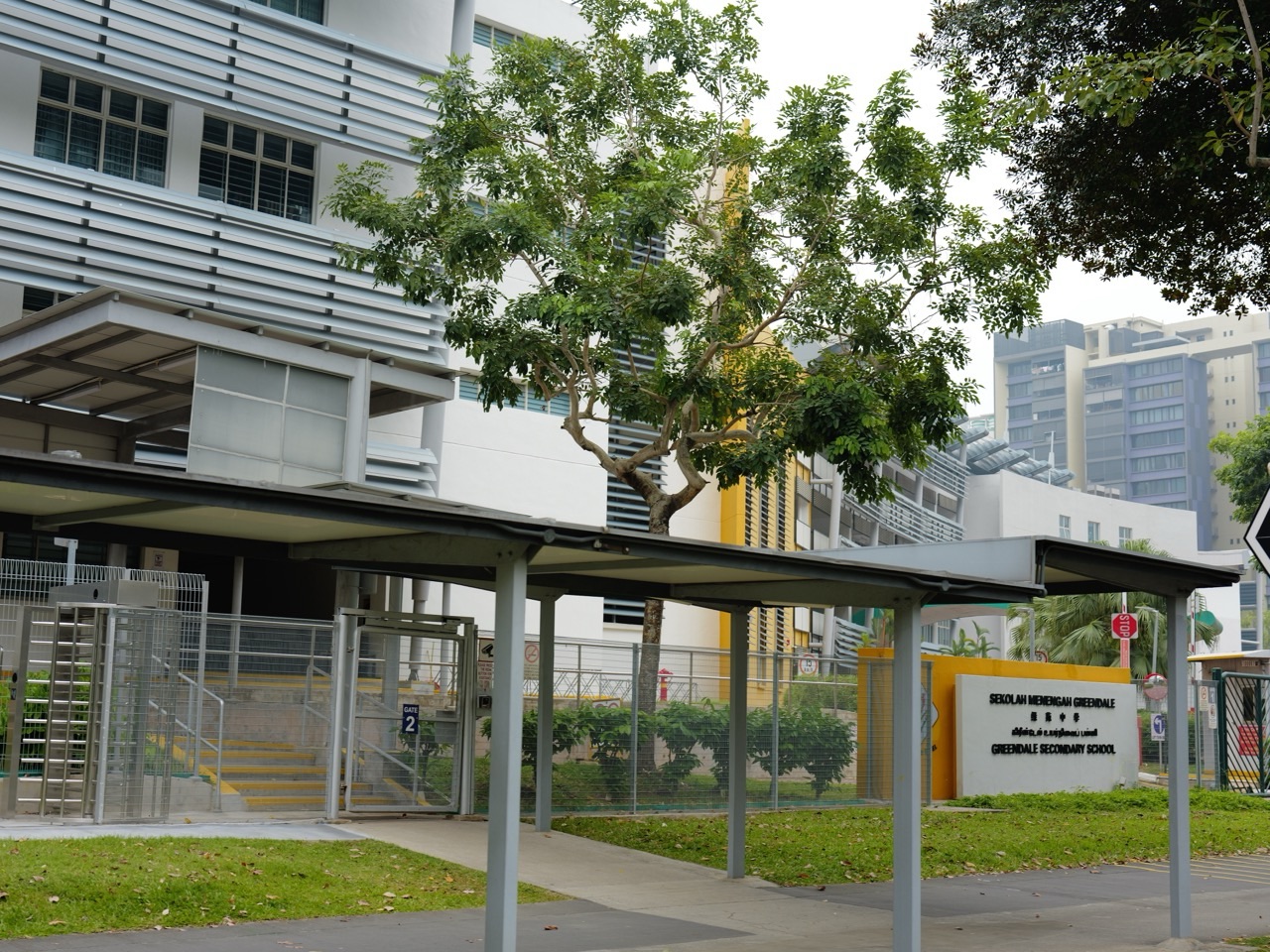
Use MOE Full Subject-Based Banding for national curriculum flexibility, and SEAB for relevant subject syllabuses and examination information. For examples of how schools publish actual upper-secondary options, review Greendale Secondary’s AskGov subject information while noting that it can be updated and the current exercise prevails. For the broad Punggol subject-combination overview, see the existing Punggol Education System guide.
This article addresses the narrower question of a PG2-entry learner with mixed G2 and G3 subject levels, including how to read eligibility and manage the option exercise. Your next step is to write the confirmed subject profile and print or save the current school option list. Highlight eligible combinations, identify two genuine interests and prepare a short question for the school’s subject-choice briefing. The child should understand the decision before the family submits it.
Frequently asked questions about PG2 and Secondary 3 choices
Can a PG2 entrant have G3 subjects by Secondary 2?
Yes. Under Full SBB, eligible students may offer subjects at more demanding levels. The child’s actual subject levels and current school decisions matter.
Does PG2 automatically determine the Secondary 3 subject combination?
No. Upper-secondary combinations depend on the school’s offerings, eligibility, preferences and allocation arrangements.
Can a PG2 student take Additional Mathematics?
It may be available in some relevant combinations and levels, but availability and entry criteria differ by school. Verify the specific option.
Does G3 Mathematics guarantee G3 Science?
No. Subject levels and eligibility are assessed individually. Read the school’s actual combination criteria.
Is Combined Science the same as Pure Science?
No. The course structures and requirements differ. Confirm the named subjects and appropriate syllabuses.
Can I submit any combination I like and see what happens?
Follow the school’s instructions. Some exercises accept only combinations for which the student meets the specified criteria.
Does the highest number of subjects mean the best choice?
No. Readiness, interest, workload and future requirements should guide the decision.
When should I check JC or polytechnic prerequisites?
Begin exploring when the learner has relevant interests, then recheck official criteria for the actual admission year.
Can my child appeal an allocated combination?
Only through the assigned school’s published process where available; eligibility and timing remain relevant. An appeal is not a guarantee.
Where do I get the final authoritative choice list?
From the student’s own school’s current Secondary 2-to-Secondary 3 subject-combination exercise.
Editorial note: 1 November 2026. Student scenarios are fictional. Specific subject combinations, option codes, selection criteria, dates and appeals vary by school and cohort; consult the latest school and MOE notices. This article does not guarantee eligibility, allocation or future admission.
A Punggol student who entered secondary school through Posting Group 2 (PG2) may reach the end of Secondary 2 with a mixture of G2 and G3 subjects. Choosing a Secondary 3 subject combination is not simply a matter of ticking ‘PG2’. Families must check the child’s current levels, the subjects and combinations actually offered by their school, the entry requirements, the student’s interests and the time needed to cope with upper-secondary work. More demanding English or Mathematics does not automatically entitle a learner to every G3 elective or Pure Science combination.
At Edgefield Secondary, Greendale Secondary, Punggol Secondary and Yusof Ishak Secondary, the exact option list, criteria, selection window and allocation procedure come from the individual school for the relevant cohort. A responsible family should read the school-issued subject-combination guide before comparing the child’s choices. This article shows how to assess mixed-level pathways without confusing Posting Groups with subject levels, how to ask questions about Additional Mathematics, Sciences, Humanities and applied subjects, and how to form a realistic preference list.
- Posting Group 2: a Secondary 1 admission group, not a permanent upper-secondary course name.
- Subject levels: G1, G2 and G3 can differ across the learner’s subjects under Full SBB.
- Secondary 2 decision: use the school’s live subject-combination booklet and option exercise.
- Academic prerequisites: check required results and teacher advice for each requested elective or more demanding level.
- Subject menu: may include Languages, Mathematics, Science, Humanities and applied electives, but offerings vary by school.
- Combined versus Pure Science: are different subject structures; one strong Science result is not a blanket guarantee.
- Additional Mathematics: confirm availability and criteria for the level and the school’s combinations.
- Order of preference: submit only options the student can realistically take and would genuinely accept.
- Next step: prepare a subject-by-subject readiness sheet and ask the school about unresolved combinations.
Definition lock: posting group, subject level and combination are different
Families meet three overlapping terms. Posting Group 2 helped determine the student’s place in Secondary 1. The G2 or G3 level attached to an individual subject describes the curriculum the learner currently offers. The Secondary 3 subject combination describes the school-approved package of compulsory and elective subjects that the student will study during upper secondary. None of these terms is a substitute for the other two. A student may arrive through PG2, offer G3 English and G2 Mathematics, and still need to select from the school’s actual upper-secondary combinations.
The consequence is practical: a parent’s first question should not be ‘What subjects do PG2 students get?’ but ‘Which combinations are available to a learner with these confirmed subject levels and results at this school?’ That question respects the child’s profile and the school’s operational constraints. It also protects the family from promises made in social-media discussions about an unrelated school. Subject-choice eligibility depends on current official conditions, not a nostalgic interpretation of the former Normal (Academic) label.
Why Secondary 2 is a different decision point from PSLE
At PSLE, a family is choosing a school and using a posting-group framework. By the end of Secondary 2, the child has completed more specialised lower-secondary work. Teachers have evidence from assessed tasks, daily lessons and the way the student responds to challenges. The student has also encountered CCAs, practical subjects, school projects and new interests. These experiences are more relevant to upper-secondary subject decisions than the original overall PSLE Score alone.
That does not mean every option is available to every learner. Schools may require particular results or readiness before allocating a subject, and the actual combinations must fit staffing, timetable and demand. But parents should recognise the educational progress represented by two years of new evidence. Instead of reopening old arguments about why the child entered through PG2, look at the current record. The subject-choice process should reflect who the learner has become and what the learner is prepared to study next.
Start with the school’s current option document
The official subject-combination booklet or online exercise is the governing document for a particular school and cohort. It lists the combinations that can be selected, the eligibility conditions and the process for submitting preferences. Some schools also publish talks, explanatory videos or frequently asked questions. Do not assume that Punggol’s four secondary schools have identical options or administrative schedules, and do not copy another school’s subject codes into your own submission.
Make a small document index. Include the date and version of the option guide, the link or location of the actual submission channel, the deadline, and the place to ask questions. Keep the guidance on appeals or changes if provided. If a subject is absent from the current list, do not promise it will be offered merely because the school listed it several years earlier. An accurate current option sheet is worth more than a beautifully designed but outdated chart.
Read the compulsory subjects before the electives
Upper-secondary subject combinations typically include compulsory curriculum components, with electives selected according to the school’s programme and the learner’s eligibility. Families should first identify which English Language, Mother Tongue, Mathematics, Science and Humanities requirements apply to the student’s options. The precise combination and subject levels depend on the school. A school may package some subjects together, while another may provide different arrangements.
Once these requirements are clear, count the actual academic load. Do not compare combinations simply by the number of unfamiliar names or an assumption that more subjects must be better. Ask which subjects take more reading, problem solving, practical work or independent preparation. A timetable with several demanding choices can create pressure even when each subject is individually attractive. The most successful combination is academically coherent, realistically available and manageable for the particular learner.
Mixed-level profiles should be written explicitly
Suppose a fictional student named Faris has G3 English, G2 Mathematics, G2 Science, G2 Mother Tongue and the Humanities levels shown in the school’s record. The family should write that profile down exactly rather than reducing it to ‘PG2 student’. This creates a basis for asking which upper-secondary combinations are available and which prerequisites are already met. A second student entering through PG2 may have a different profile; there is no reason their option sheets must be identical.
Include current results and teacher feedback beside each subject. If the school is considering a level change, label it ‘subject to school confirmation’ rather than writing the hoped-for level as though it were decided. The family can prepare questions and explore possibilities without misrepresenting what is already official. This discipline is especially useful when subjects are bundled into approved combinations, because one missing prerequisite may affect several otherwise attractive options.
A G3 subject does not magically convert other subjects
A learner offered G3 Mathematics has demonstrated eligibility or readiness for that particular level under the applicable process. It does not automatically mean G3 Science, G3 Humanities or a Pure Science combination is available. The requirements for a particular upper-secondary option depend on the school’s criteria and the learner’s overall subject record. Similarly, strong English at G3 can be an asset without guaranteeing placement into every humanities or elective subject.
Parents should therefore avoid sentences such as ‘Once Maths becomes G3, all our options open.’ Check the actual subject combination rows. Where the school permits a mixed-level pathway, note exactly which subjects remain at G2 and which are offered at G3. Where a combination is unavailable, ask whether the limitation concerns a prerequisite, a school timetable package or programme capacity. These explanations point to different next steps and prevent the family from blaming the child for an administrative constraint.
How subject-level progression can influence the choice
Full Subject-Based Banding allows subject-level adjustments at appropriate points according to student performance, interests, readiness and school procedures. A learner who develops strong competence in a G2 subject may be considered for a more demanding level. A student facing exceptional difficulty may need a discussion about a less demanding level or additional support. Neither outcome should be claimed as an automatic response to one percentage. Schools use current criteria and professional judgement.
Before the Secondary 3 option exercise, ask the school whether any subject-level review will affect the list that the child is permitted to choose. Seek written confirmation where available. If a decision remains pending, avoid submitting an imaginary future combination. A family can ask what evidence is needed and when the outcome will be communicated. The real task is to align the option exercise with the student’s confirmed learning profile, rather than to make a rushed prediction about the next subject-level decision.
Mathematics: the difference between readiness and reputation
Mathematics becomes more abstract in upper secondary. Some combinations may include Additional Mathematics, which demands stronger algebraic foundations and sustained independent practice. Other combinations may emphasise Mathematics appropriate to a different level and set of pathways. A student with strong arithmetic speed may still need repair in algebraic reasoning, negative numbers or graphs before additional challenge is appropriate. Those weaknesses deserve attention before a subject option is accepted.
Ask the school which mathematical prerequisites and level-specific results are required for the combination under consideration. Then look at genuine work rather than relying on the label ‘good at Maths’. Can the child explain why a rearrangement of an equation is valid? Can they solve an unfamiliar application without copying a model? If the answer is not yet reliable, the family can plan targeted preparation while remaining realistic about current eligibility. Academic ambition works best when attached to what the learner can actually understand.
Additional Mathematics is not automatic for PG2
The appearance of Additional Mathematics in a school’s older prospectus does not mean every PG2 entrant can select it later. Schools can offer subject combinations at different levels and set conditions for particular electives. Published examples from government secondary schools show that some predominantly G2 routes may include Additional Mathematics while other mixed-level profiles have specific restrictions. A family must consult the assigned school’s live document rather than transfer another school’s arrangements directly.
Ask three separate questions: is the subject offered at the relevant level, is it included in a combination the child is eligible to choose, and does the child’s current mathematical work indicate readiness? If the answer to one is no, find out what alternative options exist and what later requirements they meet. Avoid using tuition advertisements as evidence of school eligibility. A tutor can help repair algebra, but cannot compel a school to allocate a subject that is unavailable or for which official conditions are not met.
Science: ask whether the school means Combined or Pure
Parents often speak about ‘taking Science’ as though the term were one syllabus. Upper-secondary programmes can distinguish Combined Science and separate or Pure Science subjects, with arrangements varying by school and level. A student’s lower-secondary Science strength is relevant, but specific combinations may require particular results and available options. A child interested in biology or engineering should investigate what science background is suitable for the actual programmes they may later consider.
Read the subject names on the official combination list, including the pairing where a combined course is specified. Do not assume that Chemistry/Biology and Physics/Chemistry are interchangeable simply because both contain Chemistry. Ask what concepts and practical expectations the child will study, what the assessment involves and how each option connects to later learning. The better choice is the one that fits current readiness and preserves relevant future options, not the one whose name sounds most prestigious.
Science interest can emerge from real questions
A student who enjoys discovering how things work may be well suited to further scientific study, but interest should be tested against actual subject work. Does the learner like analysing data, designing fair comparisons and explaining why an observation occurred? Can they persist when a practical result does not match the expected prediction? Scientific curiosity has many forms, from environmental observation to understanding materials and living systems. A school project can help reveal which aspects appeal to the child.
Invite the student to explain one recent investigation rather than asking whether they want to become a scientist. If they describe the procedure vividly but cannot explain the results, there is a teachable gap. If they enjoy the reasoning and can support their conclusions, that is useful evidence of motivation. Use such observations in a conversation with the Science teacher, while respecting the school’s formal eligibility and allocation requirements for the actual combination.
English: a foundation across most pathways
English Language affects more than one examination subject. Students need to understand instructions, write explanations, communicate ideas and interpret complex texts in Science, Humanities and applied projects. A learner offering English at G3 may have an important strength, while another at G2 may be building steady analytical and writing skills. Neither profile should be judged by a simplistic prestige hierarchy. The course decision depends on actual programme prerequisites and the learner’s current performance.
Ask whether English demands in the proposed combination will require more extended reading, technical explanation or presentation. A student interested in a practical elective may still need to write clear project reports. Use authentic work: have the child summarise a short article, explain an evidence-based inference and revise a paragraph. The ability to communicate accurately supports later subject success regardless of whether the student’s main interests lie in science, art, accounting or engineering.
Mother Tongue: respect proficiency and workload
Mother Tongue study has its own language learning and formal subject requirements. From the 2026 Secondary 1 cohort, the national opportunities to offer Higher Mother Tongue Language were broadened for students meeting specified PSLE performance conditions regardless of overall PSLE score. Yet that national policy does not settle every question about a particular student’s upper-secondary language arrangements. The family must follow the school’s current guidance on the subjects the learner is actually taking.
Consider both proficiency and the weekly workload. A child who enjoys reading and speaking a language may benefit from further challenge, while another may need targeted support with composition or formal comprehension. Ask what the subject demands in the relevant school year and how it interacts with the rest of the combination. Do not select or drop a language option solely from peer pressure. The best decision recognises linguistic strength and the child’s capacity to manage all subjects responsibly.
History and Geography: choose thinking as well as content
Humanities study is not simply a choice between memorising dates and memorising places. History asks learners to interpret sources, consider causation and construct warranted judgements. Geography involves spatial understanding, physical and human processes, data and evaluation. Upper-secondary options may pair Social Studies with History or Geography or include other configurations depending on the school and level. The learner’s present interests and results should be considered together with the actual syllabus.
Invite the child to compare two tasks: evaluating the reliability of a historical source and explaining a pattern in geographic data. Which kind of reasoning feels engaging? Which produces clearer, more thoughtful work? The student might enjoy both, but the school may ask for a specific combination. Research the work required, not only the subject title. Humanities can help develop arguments and evidence habits that remain valuable long after a particular examination.
Literature can reveal a different academic strength
A student who enjoys close reading, dialogue, narrative or the motives of characters might be interested in Literature where the school’s upper-secondary options permit it. Success requires more than remembering a plot; learners develop interpretations supported by textual details and communicate those interpretations clearly. A child who performs strongly in English may enjoy Literature, but strong English alone does not guarantee eligibility or that the school offers the desired Literature course for that cohort.
Ask about the selected texts, writing demands and how assessment differs from general English. Invite the child to interpret a short passage without assuming that the adult’s reading is the only correct one. A well-supported alternative interpretation can demonstrate thoughtful engagement. The family’s aim should be to discover whether the student enjoys the intellectual work. Choosing Literature because a friend did so, or rejecting it solely because it is not a laboratory subject, reduces the decision to stereotypes rather than evidence.
Principles of Accounts: a real subject, not a soft option
Principles of Accounts may appear among a school’s elective choices. Parents sometimes misunderstand it as merely learning how to manage pocket money or as an easy replacement for Mathematics. In reality, the subject develops accounting concepts, records, processes and reasoning about financial information according to its syllabus. A student should consider whether they enjoy organised analysis, precise classification and explaining why a transaction is recorded in a particular way.
Ask to see the school’s current subject description and the eligibility criteria for its combination. A simple trial activity can help: present a hypothetical purchase, payment and obligation, then ask what information would be needed to describe the business accurately. The child need not master accounting immediately. The purpose is to learn whether the subject’s way of thinking is attractive. The formal subject option should then be selected on its actual merits, not as a reputation-driven escape from another academic challenge.
Design and Technology: practical work still needs theory
Design and Technology can help students develop ideas, prototype solutions and consider the suitability of materials and processes. It can appeal to learners who enjoy making and testing, but it also involves design reasoning, documentation and safe working habits. A student who likes building objects should not assume that the subject will be free of written explanation or evaluation. Good design requires a clear problem, considered constraints and evidence that a proposed solution works.
When considering D&T as part of a combination, ask about the syllabus, assessed tasks, available facilities and current school criteria. Let the learner explain a simple design decision: why choose one material over another, and what evidence would test the choice? The answer should move beyond ‘because it is strong’ or ‘because it looks nice’. Thoughtful design develops the ability to justify decisions, a skill useful in many academic and applied directions.
Art and creative electives need serious commitment
Art may involve visual investigation, experimentation, documentation and the development of ideas over time. A student who draws quickly for enjoyment might discover that assessed visual work asks for more planning and reflection than expected. Conversely, a learner who struggles with some conventional tests may find rich opportunities to express and refine ideas through visual research. The decision should consider genuine motivation, the school’s offering and the workload of other subjects.
Ask what students actually create and how work is assessed. Is there a portfolio or developmental process? How much independent practice is expected? Does the child enjoy revising ideas after feedback? A carefully chosen creative subject can be academically and personally meaningful, but it is not an easy spare subject added to make the timetable look complete. The family should treat artistic effort with the same seriousness as mathematical or scientific work.
How to read the option codes and bundles
A school’s option sheet may use compact codes for combinations. Parents should decode every element before submitting a preference. A code can represent compulsory subjects plus a named elective or a paired Humanities/Science configuration. The same letter or number might mean something else at a different school. Never assume an option code is a national designation that can be copied across institutions. Read the school’s own legend and check whether the option is available at the child’s actual levels.
Write the full subject names on a separate sheet beside the code. Ask the student to explain the subjects they would study if the option were allocated. If a combination is unclear, contact the school. This protects against accidental selection based on a familiar-sounding label. The parent should also distinguish preference submission from allocation: requesting a combination does not guarantee that all eligibility, demand and resource constraints will be satisfied.
Merit, preferences and available places each have a role
Schools commonly describe upper-secondary subject allocation using academic eligibility, a student’s stated preferences and the availability of places or resources. The exact weighting and rules belong to the individual school’s current exercise. A child who is eligible for two combinations may not be allocated the first choice if the option is oversubscribed or other conditions apply. Conversely, a family should not rank an unwanted option first because it seems easier to obtain.
Check the school’s instructions about whether only eligible combinations may be submitted, how preferences are ranked and how outcomes are communicated. If an appeal process is published, use the formal channel and deadline. Avoid treating rumours from an older intake as binding policy. A realistic family discussion includes not just a favourite combination but alternatives the student would still find acceptable and productive. Preparing thoughtfully for more than one outcome is not a lack of aspiration; it is responsible planning.
Ask what the student will do every ordinary week
Subject names can sound attractive while hiding different patterns of work. A combination involving extended reading, practical reports and complex Mathematics may be demanding in a different way from one focused on design documentation and combined Science. The family should ask teachers what ordinary homework, class preparation and assessments involve. Do not judge workload only by the number of subjects, or by whether a course is commonly described as academic or applied.
Put the proposed work beside the student’s known commitments. Include school travel, CCA, meals and sleep. A teenager with strong results but exhausted evenings may need a more sustainable plan. Another learner may enjoy the additional challenge and be well organised. The central question is whether the whole timetable can support learning over two years, not whether the pupil could complete a very hard worksheet on one enthusiastic weekend.
What if a subject is needed for a future diploma or JC course?
Some post-secondary courses have subject-specific entry criteria. A student who hopes to pursue an engineering-related diploma may need to check particular Mathematics or Science requirements. Other pathways may emphasise different skills. Families should look up the actual criteria published by the relevant institution and label them with the admission year, because rules can change. Do not promise a course simply because a subject combination appears broadly similar to the requirement.
At Secondary 2, the sensible goal is to preserve plausible options connected to the student’s genuine interests without turning one career idea into a fixed destiny. If a prerequisite seems missing, speak to the school about what combinations are actually available and what alternative pathways may exist later. The original PG2 entry grouping is not the admission rule for every subsequent institution. Real subjects, levels, grades and application criteria matter.
Do not confuse SEC 2027 with the child’s own examination year
The first Singapore-Cambridge Secondary Education Certificate examinations begin in 2027 for the graduating cohorts that year. A student who is in Secondary 2 in 2026 and enters Secondary 3 in 2027 is not necessarily a candidate for the first SEC 2027 examination. Families should calculate the expected examination year from the child’s real cohort and use the corresponding syllabus and notices. Online posts may discuss SEC 2027 without making that distinction.
Subject combinations should be selected using the school’s current guidance and the appropriate SEAB syllabuses for the student’s eventual examination year. Do not buy a revision book only because ‘SEC’ is printed on the cover. Check subject level, syllabus code where applicable and edition. A learner may take subjects at different levels under Full SBB, so a single undifferentiated preparation programme can be misleading.
A fictional student with G3 English and G2 Mathematics
Imagine Sarah, a fictional Punggol student admitted through PG2. By Secondary 2, she offers English at G3 and Mathematics at G2. She is interested in design and communication, but her family wants her to pursue a combination with Additional Mathematics because an older cousin studied it. The family reads its school’s actual subject options and discovers that not every combination is open to every profile. They ask teachers which courses Sarah is eligible to request and what the academic work requires.
Sarah examines genuine Mathematics tasks and real examples of design work. She explains that she enjoys communicating ideas and prototyping, but finds lengthy algebra frustrating. Rather than interpreting this as proof of lifelong limitation, the family investigates both her interests and the mathematical prerequisites for the available courses. The example is invented; it makes no promise about actual allocation. Its lesson is that subject choice must balance verified options, learning evidence and the student’s own goals.
Another fictional student with stronger Science
Imagine another invented learner, Imran, who entered through PG2 and later shows strong Science performance. He enjoys designing experiments and explains graph trends carefully. His parent assumes he should automatically be allowed to offer every Pure Science option. The school guidance, however, has specific combination criteria and available subject bundles. Imran and his parent therefore ask which Science options are genuinely available and whether his other subjects and overall workload make the proposed combination suitable.
The family compares the actual demands of combined and separate Science studies where offered, considers Imran’s interest and reads the school’s advice. A realistic alternative is prepared in case the first preference cannot be allocated. This is not a lesser kind of ambition. It is an evidence-based plan built around the options actually offered to a child. A student can remain curious and capable even when the school’s timetable or academic criteria rule out a particular combination.
When an option is not allocated
A child may feel rejected when the first-choice combination is unavailable. Parents should explain the school’s stated decision process and allow the student to describe the disappointment. Do not immediately blame the child or promise that an appeal will succeed. Read the actual allocation result, examine the eligible alternatives and, where a formal review route exists, follow it accurately. The school’s criteria and deadlines control the process, not a parent’s level of frustration.
A constructive appeal, if permitted, should be factual and focused on eligibility, interests or information the school asks for. It should not describe other students as less deserving. If the result remains unchanged, help the child plan how to learn well in the allocated subjects. Useful educational progress is possible within more than one combination. The family should support the student in making the best of the real outcome while preserving curiosity about future options.
A four-step decision method for Punggol families
Step one is evidence: record each present subject level, result and relevant teacher feedback. Step two is eligibility: use the current school option sheet to identify which combinations may actually be selected. Step three is fit: ask what the child enjoys, what the syllabus requires and what workload is realistic. Step four is choice: rank eligible options honestly and make sure the student understands acceptable alternatives. This method works whether the learner has mostly G2 subjects or a mixed profile.
Write unresolved questions before the submission deadline and ask the school rather than relying on family lore. If a preferred pathway depends on future admission rules, verify the current requirements with the official institution while acknowledging that they may change for a younger cohort. The aim is a decision the family can explain clearly and support after allocation, not a perfectly predictive plan for every future stage of education.
Sources, cross-links and your next step
Use MOE Full Subject-Based Banding for national curriculum flexibility, and SEAB for relevant subject syllabuses and examination information. For examples of how schools publish actual upper-secondary options, review Greendale Secondary’s AskGov subject information while noting that it can be updated and the current exercise prevails. For the broad Punggol subject-combination overview, see the existing Punggol Education System guide.
This article addresses the narrower question of a PG2-entry learner with mixed G2 and G3 subject levels, including how to read eligibility and manage the option exercise. Your next step is to write the confirmed subject profile and print or save the current school option list. Highlight eligible combinations, identify two genuine interests and prepare a short question for the school’s subject-choice briefing. The child should understand the decision before the family submits it.
Frequently asked questions about PG2 and Secondary 3 choices
Can a PG2 entrant have G3 subjects by Secondary 2?
Yes. Under Full SBB, eligible students may offer subjects at more demanding levels. The child’s actual subject levels and current school decisions matter.
Does PG2 automatically determine the Secondary 3 subject combination?
No. Upper-secondary combinations depend on the school’s offerings, eligibility, preferences and allocation arrangements.
Can a PG2 student take Additional Mathematics?
It may be available in some relevant combinations and levels, but availability and entry criteria differ by school. Verify the specific option.
Does G3 Mathematics guarantee G3 Science?
No. Subject levels and eligibility are assessed individually. Read the school’s actual combination criteria.
Is Combined Science the same as Pure Science?
No. The course structures and requirements differ. Confirm the named subjects and appropriate syllabuses.
Can I submit any combination I like and see what happens?
Follow the school’s instructions. Some exercises accept only combinations for which the student meets the specified criteria.
Does the highest number of subjects mean the best choice?
No. Readiness, interest, workload and future requirements should guide the decision.
When should I check JC or polytechnic prerequisites?
Begin exploring when the learner has relevant interests, then recheck official criteria for the actual admission year.
Can my child appeal an allocated combination?
Only through the assigned school’s published process where available; eligibility and timing remain relevant. An appeal is not a guarantee.
Where do I get the final authoritative choice list?
From the student’s own school’s current Secondary 2-to-Secondary 3 subject-combination exercise.
Editorial note: 1 November 2026. Student scenarios are fictional. Specific subject combinations, option codes, selection criteria, dates and appeals vary by school and cohort; consult the latest school and MOE notices. This article does not guarantee eligibility, allocation or future admission.


