
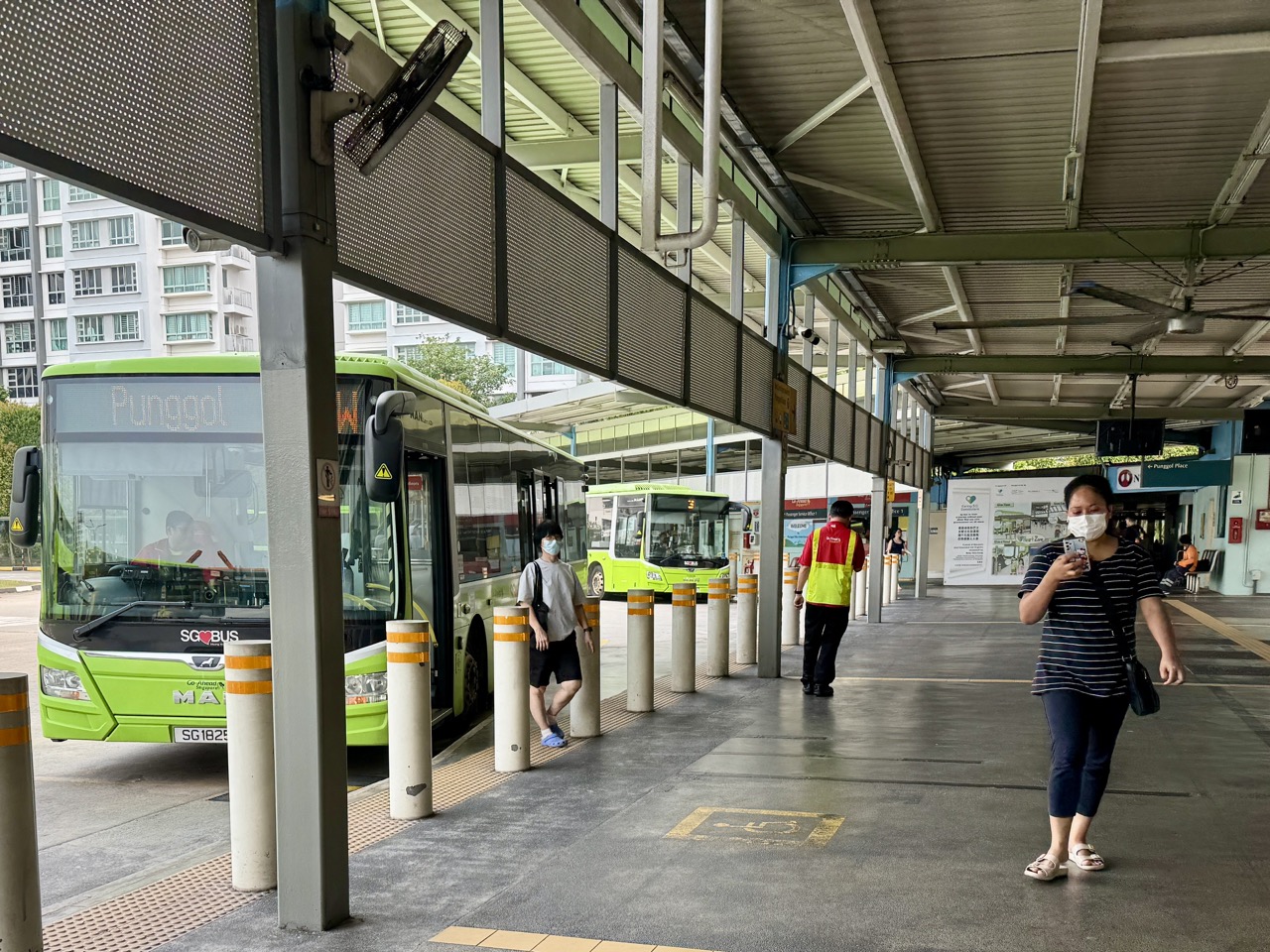
Punggol residents considering jobs with night shifts, standby duty or emergency call-outs in 2027 or 2028 should check the actual roster, response expectations, rest arrangements, reporting location and pay terms before accepting an offer. A role described as “on-call” might mean answering occasional questions from home, reporting to a site within a specified period or remaining available to support critical operations. These arrangements are not interchangeable. Ask what counts as working time, who authorises call-outs, whether transport is provided and what happens when fatigue makes a task unsafe.
Singapore’s Workplace Safety and Health Council identifies long hours, poor shift planning and insufficient rest as causes of fatigue that can impair concentration, judgement and reflexes. Its fatigue-management guidance recommends measures including adequate rest, planned schedules, avoiding quick shift turnarounds and appropriate supervision. MOM’s Employment Act working-hours and rest-day protections apply under specific coverage conditions, notably Part IV, rather than identically to all executives and employees. This guide concentrates on the practical, safety-conscious decisions that Punggol jobseekers can verify before work begins; it does not predict how many night-shift jobs will exist in the Digital District in 2028.
- Roles to investigate: approved technical support, facilities, transport-related operations, healthcare, hospitality and other genuinely rostered services.
- Definitions: a scheduled night shift, at-home standby and a confirmed call-out may involve different obligations and pay arrangements.
- First check: legal employer, ordinary workplace, actual roster, notice of changes and the written standby or call-out policy.
- Safety: understand fatigue signs, supervisor escalation, required rest and when dangerous work must stop.
- Pay: check Part IV applicability and the contract; do not assume all standby periods have one universal overtime rule.
- Transport: calculate the entire late-night or early-morning journey; confirm any employer-provided transport before relying on it.
- Handover: record what has been checked, which alerts remain and who has authority for the next action.
- Privacy: do not use personal messaging apps or home computers for confidential incidents without authorisation.
- Family: plan realistic sleep, care and household arrangements around the actual roster rather than a nominal job title.
- 2027–2028: recheck current MOM, WSH and employer rules when interviewing; national guidance does not establish a vacancy at Punggol.
Definition lock: night shift, standby, call-out and overtime
A **night shift** is a scheduled work period occurring partly or mainly during overnight hours. **Standby** generally means being required to remain available for a possible request; exact restrictions vary. A **call-out** is an actual request to respond or report under the employer’s process. **Overtime** is additional work treated according to applicable law and contract. The labels do not automatically settle pay or working-time status. A person should ask how each period is recorded, where they must remain and what response actions are required. Verbal assumptions about “availability” can create real disputes.
Why Punggol residents should distinguish these jobs
A retail outlet might need staff until closing, while a technology support team could operate across time zones. Facilities personnel may have authorised standby for equipment problems, and a care service may require overnight coverage. These are examples of occupational patterns, not claims about current vacancies. The work, qualifications and health risks differ. An applicant should not infer that every employer in Punggol Digital District operates around the clock or that a 24-hour business requires everyone to do night shifts. Inspect each real role’s conditions before comparing offers.
The difference between a fixed shift and unpredictable call-outs
A fixed shift may allow someone to plan sleep and transport in advance, even if the hours are inconvenient. On-call duties can add uncertainty, particularly when someone is contacted after an ordinary workday. Ask how many standby periods are scheduled, how often actual call-outs have historically occurred where reliable data can be shared, and what happens if several alerts arrive consecutively. Previous frequency is not a guarantee of future workload. The important question is whether the employer has a credible system for distributing response obligations and protecting rest.
Start with the exact reporting location
A company may have an office near Punggol Coast yet send staff to client sites elsewhere. A facilities role may cover several properties, while a technical support position may be entirely remote except for major incidents. Confirm the ordinary workplace and the site used for urgent call-outs. Ask whether travel between sites is part of the work arrangement and what reimbursement or transport support is actually stated. A district participant’s registered address does not prove where an individual employee will report at midnight.
The WSH Council’s definition of fatigue
The Workplace Safety and Health Council describes fatigue as tiredness that reduces mental or physical performance. It can impair alertness, concentration, judgement, motor skills and reflexes. Those effects matter when an employee must respond to an alarm, drive, handle equipment or make consequential decisions. Fatigue is not simply a question of motivation. Long shifts, poor planning and insufficient rest can create conditions that require organisational risk controls. A responsible applicant should ask how the team manages those risks rather than assuming energy drinks can compensate for unsafe schedules.
Why rapid shift turnarounds deserve scrutiny
A person ending late and returning early may have limited time for travel, meals, family commitments and sleep. WSH fatigue-management guidance discourages quick shift changeovers and recommends schedules with sufficient recovery. The precise risk depends on timing, duties and individual circumstances. A jobseeker can request an example roster and calculate the available rest window before accepting. Do not assume that a nominal eight-hour gap between duties means eight hours of sleep. Transport and personal obligations consume real time.
Sleep planning is not a substitute for employer responsibility
An employee can practise suitable sleep habits, such as limiting unnecessary interruptions and arranging a quieter sleep environment. MOM’s April 2025 parliamentary reply discusses ordinary sleep practices and the shared role of employers and workers. But personal effort does not remove the employer’s duty to manage workplace risks and reasonable schedules. A business should not expect an employee to fix an unsafe shift design through willpower. If fatigue affects safety-critical tasks, use the workplace’s reporting and control procedures. Seek medical guidance for persistent or concerning sleep difficulties.
What shift risk management looks like
WSH guidance recommends multiple measures because fatigue has several causes. Organisations can plan schedules, provide adequate lighting and breaks, ensure suitable staffing, use appropriate supervision and create contingency processes for employees who become fatigued. A new worker may not control these systems, but should know whom to notify about an unsafe situation. Employers must assess occupational risk and implement suitable controls. The exact measures depend on the work: a control room, food counter and equipment-maintenance site have different hazards.
The dangers of treating fatigue as poor attitude
A worker who makes an error after a succession of long shifts may face a genuine performance issue, but fatigue and work design must also be considered. It is unhelpful to treat every near miss as proof that an employee lacks commitment. Record relevant conditions and review the process through proper channels. A fair investigation distinguishes evidence from assumptions. Safety improves when staff can report fatigue without feeling compelled to hide it. This does not excuse reckless behaviour; it supports decisions based on the actual causes and conditions.
How on-call response expectations can become unrealistic
An advert may say a person must respond “quickly” without defining whether that means acknowledging a message, joining a remote call or reaching a physical site. Ask for the actual expectation and whether it is compatible with the location and transport available at that hour. If emergency work requires a particular skill or authority, clarify who is responsible. A standby worker should not improvise risky actions because someone sent an urgent message. Time pressure increases the importance of a clear escalation route.
Call-out policy should name the next person
When a night alert occurs, staff need to know who owns first response, who can authorise action and who covers the next stage. An employee may be responsible only for triage and documentation, while a specialist performs the technical intervention. A clear roster prevents multiple people assuming someone else has acted. It also reduces needless repeated calls to colleagues who are off duty. A candidate should ask whether a runbook, duty roster or incident escalation chart exists, and how the employer keeps it current.
Do not confuse being notified with being authorised
A mobile alert may inform a worker of an issue without granting permission to change systems, enter restricted premises or perform hazardous work. The employee should follow authorised procedures and report when necessary expertise is unavailable. For a technical incident, verifying symptoms and contacting a qualified engineer may be the correct first step. A response-time target cannot override safety or access rules. This distinction is relevant to digital operations in a smart district, but it applies equally to ordinary facilities and service workplaces.
Part IV coverage matters to legal discussions
MOM’s hours-of-work and rest-day pages state that Part IV applies to eligible categories of employees and does not cover managers and executives. Covered workers have rules concerning breaks, overtime, maximum hours and rest days. Other employees’ working arrangements depend on their contracts and other applicable requirements. A worker should not assume that every employee with a team-leader title is automatically excluded or that every at-home standby hour is payable at the same statutory rate. Read the actual coverage criteria and obtain advice when necessary.
A note on the general 12-hour reference
MOM’s Part IV guidance describes a general limit of twelve hours of work per day for covered workers, subject to specified exceptions and approved overtime exemptions. WSH guidance also recommends controlling lengthy shifts to reduce fatigue risk. These are important but distinct statements: legal entitlements and risk-control recommendations are not identical concepts. A worker should not use a simplified number as the entire analysis of an unusual roster. Check the full official guidance and the precise nature of the work rather than relying on a single line from a career article.
The weekly rest day requires proper understanding
MOM explains that covered employees are entitled to rest days and provides specific conditions for shift workers, including a possible continuous thirty-hour rest period. Rest-day pay rules differ according to circumstances, including who requests the work. These details matter when a roster runs across midnight. Do not infer the applicable entitlement from the name of a calendar day alone. If the role is outside Part IV, examine the relevant employment agreement. A competent employer should be able to explain the arrangement in writing.
Why ‘standby allowance’ may not equal full compensation
An offer may mention a standby allowance, call-out fee, shift premium or reimbursement. These are different components and may be conditional. Ask what event triggers each payment, whether it is fixed, when it is paid and how actual work performed is recorded. Do not add hypothetical maximum allowances to a basic salary and call the sum guaranteed monthly earnings. Where overtime or rest-day pay applies under law, the contract must be interpreted consistently with those rules. Request HR clarification instead of accepting an unsupported verbal formula.
How to assess a roster’s real household cost
Record when you must travel, when you can sleep and which days you are realistically available for care or study. A shift that looks tolerable on a weekly table may become difficult when repeated through school terms or family responsibilities. Budget for transport and meals using actual costs, not invented estimates. If a shift ends after normal public transport availability, check whether the employer provides a documented alternative. Never assume a free taxi, late-night train or fixed route exists without verification.
Night transport is a practical safety issue
Punggol Coast, Punggol MRT and the LRT network support many journeys, but public transport frequencies and service hours can change. A worker should plan the exact door-to-door trip at the required clock time and confirm current information with LTA or the operator. For very late or early reporting, investigate authorised transport arrangements. Avoid relying on informal promises that a colleague will always provide a lift. Safe travel is part of a sustainable employment decision, especially after demanding shifts.
Check whether transport time is covered
Some employers may reimburse particular journeys, provide a staff vehicle or require travel between sites as part of the duty. Others may treat ordinary commuting differently. Ask what the offer states and who approves unusual costs. Do not assume that an organisation’s association with a national project creates a transport entitlement. If a call-out requires rapid physical attendance, discuss how that can happen safely and consistently, especially when road conditions or public transport availability vary. Written clarity helps both sides avoid disputes.
When emergency demand exceeds one person’s capacity
A single worker may receive several incidents at once. The correct response is to follow prioritisation and escalation procedures, not silently improvise all solutions. Record the nature and urgency of each issue, identify which tasks can be handled safely and contact the approved backup or supervisor. Some work may require specialist intervention; other requests may be safely deferred. An employer should maintain a credible staffing and contingency plan. The worker’s responsibility is to act within that plan and communicate constraints accurately.

What a safe night handover should contain
A new shift needs the status of open tasks, significant alerts, completed checks, unresolved questions, responsible persons and the next authorised action. It should also flag safety-critical conditions through the approved system. An employee should not make up a completed inspection to leave a cleaner record. If a task was deferred because the qualified specialist was unavailable, state that honestly. The handover should support continuity while allowing the off-going worker to rest. Poor notes often create unnecessary after-hours calls, so good documentation is also part of fatigue management.
Avoid a culture of constant messaging
Some teams contact staff repeatedly after shifts even when no actual emergency exists. That can interfere with rest and make on-call boundaries meaningless. A responsible employer should distinguish genuine duty roster contacts from routine messages that can wait. A worker should know the authorised communication channel and how non-urgent requests are handled. Singapore does not automatically give every employee an identical general right to disconnect from all messages; work arrangements depend on the applicable terms and policies. The useful habit is to establish realistic boundaries and clear escalation rather than rely on slogans.
What to do when a worker reports being too tired for a risky task
The first priority is preventing harm. The employee should use the employer’s fatigue-reporting and safety process, and the supervisor should assess the situation and available controls. A worker who is not alert enough for hazardous equipment or driving may need to be removed from that activity pending appropriate action. Do not encourage secret self-medication or unsafe shortcuts. If a person has ongoing sleep or health concerns, appropriate professional medical advice may be necessary. A career guide cannot diagnose shift-work sleep disorder or replace a risk assessment.
Why a supervisor should not reward unsafe endurance
An employer may praise a staff member for staying through repeated overnight incidents. However, excessive hours can weaken judgement and increase risk. WSH guidance cautions against incentives that encourage excessive work despite fatigue. Recognition should focus on responsible reporting, effective teamwork and safe outcomes, not on which person can go without rest the longest. A strong supervisor adjusts tasks and staffing within their authority, escalates capacity problems and makes the next shift aware of unresolved work. Productivity without safe operations is not a sound career achievement.
A fictional retail closing shift
Consider a fictional shop near Punggol where staff finish after an evening rush. The closing team must reconcile permitted records and leave outstanding customer items for the next shift. The leader checks that the roster includes the required breaks and that staff have a viable journey home. A delay should be communicated to the authorised manager rather than quietly extending the shift without proper treatment. This teaching case does not describe the practices of any actual retailer. It illustrates that work design and reliable records matter even outside technical emergency response.
A fictional technical standby incident
A junior support worker receives an approved on-call notification about an unavailable system. The runbook permits acknowledging the incident and checking a limited status dashboard, but not changing production permissions. The worker records the symptom and contacts the authorised specialist. If the incident continues into the next duty period, the team performs a clear handover. The employee does not pretend to have fixed the cause or disclose restricted information through a personal chat application. The case demonstrates controlled response rather than inventing a real incident at Punggol Digital District.
A fictional facilities call-out
An equipment alarm is reported in a fictional building late at night. The assigned staff member checks the approved reporting process and determines that a licensed specialist must assess the issue. The employee arranges escalation rather than trying to perform an unauthorised repair. The organisation uses its transport and safety procedures to handle the visit. Any work done and remaining issues are documented accurately. The lesson is that emergency timing does not remove professional authorisation or the need to manage fatigue. This is not a report of actual equipment problems at a named Punggol site.
A fictional healthcare support roster
A worker providing administrative support to a healthcare service considers a night schedule. The actual employer must explain duties, supervision and safe staffing. The worker should not assume that overnight presence allows them to perform clinical tasks outside their role. If service demand becomes overwhelming, the appropriate process is to communicate and escalate, not improvise unauthorised care. The example does not prescribe clinical practice or professional staffing ratios. It illustrates that a general career decision must respect the boundaries of regulated professions.
A fictional student deciding between two offers
A Punggol diploma graduate receives one ordinary daytime operations offer and another role with standby payments. The second advert’s maximum monthly figure looks higher, but the actual number of call-outs is uncertain and the response requirement affects sleep. The graduate asks for fixed salary, standby conditions, frequency information that can legitimately be disclosed and the real workplace address. They compare reliable income and learning opportunities, not the best possible month. A modest but predictable job may fit some people better; others may responsibly prefer the rostered role.
A fictional parent planning childcare during a call-out
An employee is offered after-hours support duty and has a young child. The employee cannot promise to leave home immediately at night without a confirmed care arrangement. They explain the actual availability they can provide and ask what the employer expects. A family backup must be genuinely available, appropriate and agreed, not just a reassuring assumption. If the role requires an on-site response that the household cannot support, the position may be unsuitable. Honest communication before accepting is better than repeated emergencies after work starts.
A fictional commuter checking the route
A worker expects a late shift to finish near Punggol Coast and plans to return home by train. Before accepting, they check the actual reporting address, end time and current transport options. They do not assume services operate throughout the night or that a taxi is automatically reimbursed. The employer explains what transport support, if any, is included in the contract. A travel trial at the relevant hour may reveal walking and waiting time overlooked by a map. The exercise is practical preparation, not an invented claim about operator schedules.
When a hazard requires immediate action
If work conditions present a serious immediate danger, follow the organisation’s emergency response and relevant public safety procedures. A worker should not wait to complete a normal KPI report before alerting the responsible people. Conversely, not every system notification is an emergency; learn the approved severity definitions. Escalate through the correct authorised channel and document what happened once immediate safety is addressed. Preparedness means knowing the procedures beforehand, not developing improvised solutions while tired and under pressure.
Why a risk assessment matters before duty begins
The WSH Council describes risk assessments as a way for employers and other responsible parties to identify hazards and implement controls before work. Night work introduces potential risks associated with fatigue, visibility, lone working and emergency response. The applicable assessment should reflect the actual activity. New employees should know relevant controls and how to raise concerns, without assuming they personally have authority to rewrite the risk assessment. A supervisor should use the organisation’s established process to review changes in duties or incident patterns.
The difference between standby availability and freedom to rest
A standby obligation may limit how far a worker can travel, how quickly they must respond and what activities are compatible with remaining available. The exact constraints should be stated by the employer. It is misleading to promise that standby is “free time” if the worker must meet strict response conditions. Equally, it is incorrect to assume every standby arrangement counts as continuous active work for all legal purposes. Ask how availability, actual response work and recovery are handled under the applicable rules and contract.
Keeping a private work-hours record
A worker may use a secure personal record of scheduled shifts, actual attendance, authorised call-outs and pay components to help check their employment terms. Keep information limited to your own work and do not copy customer details or internal incident records. Compare the record with payslips and ask HR about discrepancies. If a genuine dispute arises, appropriate evidence may be useful to MOM or TADM. The aim is accurate documentation, not a secret archive of restricted workplace information. Follow legitimate confidentiality requirements while protecting your own employment records.
How to interpret a standby allowance in an interview
Ask whether the allowance is a fixed amount for a particular duty period, a payment conditional on being rostered, or a separate payment when a call-out occurs. Check whether the amount appears in written terms and whether actual overtime or other statutory treatment is relevant. An applicant should avoid quoting one employer’s arrangement as a universal rule. If the prospective employer cannot explain the calculation clearly, ask for HR clarification before accepting. Money is part of the decision, but predictable rest and safe working conditions matter too.
A practical first-month on-call preparation plan
Week one should focus on approved incident categories, contact lists and authority boundaries. Week two can involve supervised practice using fictional alerts, with a mentor checking the response. Week three should review handover quality and how fatigue or scheduling concerns are reported. Week four can assess whether the worker understands the employer’s actual call-out policy, transport and pay documentation. This is an illustrative learning plan, not a guarantee that every role allows a beginner to take live duty in four weeks. Specialist work must follow appropriate competency requirements.
Questions to ask the hiring manager
Ask how standby shifts are rostered, who provides backup, what response time is expected, whether staff report physically or remotely, how often actual call-outs have occurred and how duties are documented. Clarify break arrangements, recovery after overnight work and who handles fatigue concerns. Ask whether the team has trained escalation contacts and what transport is supplied where applicable. Good questions do not accuse the employer of poor practice; they establish the facts necessary to decide if the role is safe and sustainable.
An interview answer that shows sound judgement
A recruiter may ask how you would respond to several late-night alerts. A thoughtful candidate first identifies severity, safety and authorisation. They explain that they would follow the incident procedure, notify appropriate specialists and document the outcome. They do not claim to be able to fix every problem alone. If fatigue or another limitation prevents safe action, they would use the approved escalation and contingency process. This answer demonstrates readiness to learn within professional boundaries rather than exaggerated confidence about skills the applicant has not developed.
What may change in Punggol during 2027–2028
The Digital District’s development could involve new technology, service and facilities activities, while neighbourhood retail and community operations continue to evolve. These developments do not guarantee a fixed number of on-call positions or a particular shift pattern. Employers may automate some monitoring while retaining human review for important decisions. IMDA’s 2026 AI governance guidance reinforces the need to bound automated actions and retain human accountability. A worker should prepare for changing tools by strengthening safe escalation, clear documentation and responsible judgement.
Your next step
Find one genuine job description with night, standby or call-out duties and write down the questions it leaves unanswered. Ask the employer about normal hours, actual response requirements, payment terms, safe recovery and transport before accepting. Read the applicable MOM and WSH Council guidance, distinguishing statutory coverage from risk-management advice. Then test a fictional incident handover that identifies the alert, verified facts, authorised action and next owner. A sustainable Punggol career is one where duty, rest, safety and personal responsibilities can genuinely fit together.
Frequently asked questions
Is all standby time automatically overtime?
No blanket rule follows from the word standby. Ask how the period and actual work are treated under the relevant law and contract.
Are all Singapore employees covered by the same Part IV overtime rules?
No. MOM identifies eligibility conditions, and Part IV does not cover managers and executives.
Does a twelve-hour reference mean every unusual shift is automatically lawful?
No. Coverage, exceptions, approvals, work design and safety conditions require more complete assessment.
Can a night-shift worker have a rest day across calendar days?
MOM’s Part IV guidance includes a specified continuous thirty-hour rest-period arrangement for covered shift workers.
Will an employer provide a taxi after midnight?
Not automatically. Verify actual written transport policy and present service options.
Can a junior worker reset a production system during an alarm?
Only if the worker has the required authorisation and competence under approved procedures.
What if I feel too tired for safety-critical work?
Use the employer’s fatigue reporting and escalation process; do not hide a significant safety risk.
Is working close to Punggol Coast enough to make a shift manageable?
Not necessarily. Test the actual worksite, reporting time, trip home, recovery and household responsibilities.
Does Punggol Digital District guarantee night-shift jobs?
No. Check individual verified employers and vacancies rather than interpreting development projections as openings.
What should I bring to an on-call interview?
Bring truthful examples and prepared questions about response duty, supervision, pay, fatigue controls and authorisation.
Official references and related Punggol guides
- WSH Council: Fatigue Management
- MOM: Hours of Work, Overtime and Rest Days
- MOM: Shift Work Sleep Disorder, Parliamentary Reply, 8 April 2025
- MOM: Key Employment Terms
- WSH Council: Conducting Risk Assessments
- JTC: Punggol Digital District Business Ecosystem
- LTA: Official Transport Information
- eduKate Punggol: Shift Roster, Rest Day and Overtime Rules
- eduKate Punggol: Working While Caring for Elderly Parents
- eduKate Punggol: Workplace Writing and Shift Handovers


