
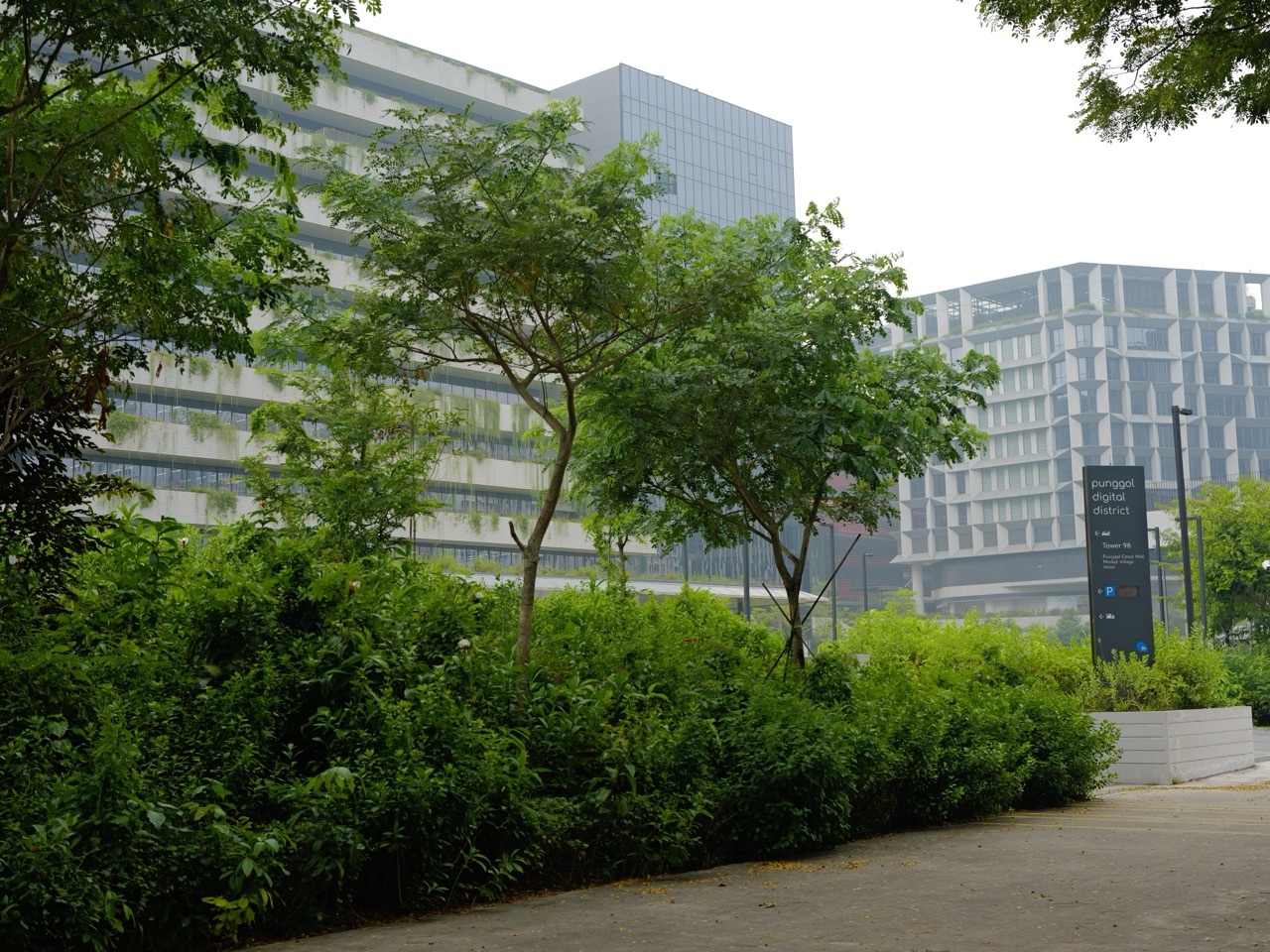
Job shadowing helps a Punggol student or adult explore a career in 2027 or 2028 by observing a real professional’s ordinary work with permission, asking thoughtful questions and deciding which skills or qualifications deserve further study. It is not the same as a paid internship or a job offer. Singapore Polytechnic describes a Job Shadowing strand within its Short-Term Work Attachment programme, and Nanyang Junior College’s Education and Career Guidance portal distinguishes observation, short work experience and internships. Eligibility belongs to the relevant institution and host, not to everyone living in Punggol.
Before arranging any visit, define the profession, confirm whether the programme accepts you, identify the supervising person and ask about access, confidentiality, safety and the activities permitted. The nearby SIT campus and Punggol Digital District are useful examples of learning and industry environments, but a public building does not grant entry to private workplaces. If an employer cannot host a visitor, a short authorised career conversation or public industry talk can still clarify whether the role fits your interests. The goal is evidence for a decision rather than a prestigious company name.
- Job shadowing: guided observation, with host permission; not automatically employment.
- Work experience: appropriately supervised participation in actual tasks, where a formal programme permits it.
- Internship: a separate structured arrangement with its own admission and employment or allowance conditions.
- Informational interview: a discussion about an occupation that does not require entry to a private workspace.
- Eligibility: confirm the institution’s student rules and the company’s consent before assuming access.
- Privacy: never record confidential client information, restricted systems or identifiable workplace records without authorisation.
- Useful questions: what happens daily, which mistakes matter, what training is mandatory and how do workers collaborate?
- Location: search Punggol Coast, Punggol town and suitable surrounding employers, but verify each exact opportunity.
- Outcome: a documented decision about fit and a realistic next step, not a fabricated CV employment entry.
What job shadowing can reveal that a glossy careers page cannot
Career websites often show the exciting final outcome of work. A software product is released; a community programme succeeds; a new building opens. They seldom show the ordinary process that makes these outcomes possible. Job shadowing can reveal checking, planning, documentation, customer questions and collaboration. An observer might discover that a technical role includes extensive testing and meetings rather than uninterrupted creative work. That discovery is useful because a person can enjoy a sector’s mission while disliking the routines of a particular occupation. Seeing those routines early makes educational choices more informed.
Definition lock: observation, participation and employment
Observation means watching and learning within boundaries set by the host. Participation means performing tasks that the organiser has authorised and supervised. Employment is a different relationship governed by an actual contract and applicable rules. These categories can connect but cannot be swapped in a CV. Nanyang Junior College’s June 2026 ECG guidance defines work shadowing primarily as observing a worker, work experience as direct supervised participation, and internships as longer arrangements. A person who observed a professional should not claim to have held that professional’s appointment. The correct description protects credibility.
The Singapore Polytechnic Short-Term Work Attachment example
Singapore Polytechnic’s official programme page identifies three strands: Job Shadowing, Short Job Stint and Career Accelerator Programme. They provide different amounts of workplace exposure for students. The page explains the educational purpose but does not establish open public access for all residents. If you are an SP student, use the institution’s stated application and guidance process. If you attend another school, speak with your own education-and-career guidance team. An adult may instead pursue a legitimate professional conversation or public event. Copying a programme name into a personal email is not the same as meeting its eligibility.
Why the SIT Punggol campus is different
SIT’s Integrated Work Study Programme is a university programme integrated with relevant degree pathways. It is not an informal shadowing arrangement for everyone who can reach Punggol Coast MRT. SIT describes substantial periods of workplace learning, specific industry partnerships and supervisors under its formal structure. Its September 2026 announcement of a selected 2+2 pilot describes even longer industry learning in certain arrangements. A member of the public should not assume these are open attachment places. Learn from official programme descriptions, but follow institutional conditions if you hope to participate.
The question to settle before contacting a host
Ask what uncertainty you are trying to resolve. A student may want to know whether an engineering role involves more drawing or calculations. Another person may want to understand the communication demands of customer operations. A career switcher may want to see how procurement or scheduling differs from their current work. A specific question makes a brief visit more useful. A vague request for a tour of everything can be difficult for a host to accommodate. Narrow the goal to the activities, qualifications and work environment you most need to understand, and prepare an alternative if access cannot be granted.
Choose duties before brands
A famous company is not necessarily the best place to understand a profession. A smaller organisation with an engaged supervisor might offer a clearer explanation of ordinary tasks. A large workplace may have stronger processes but restricted visitor access. Compare the intended learning outcomes and what the host is actually permitted to show. Do not assume a JTC ecosystem participant has a visitor programme or that an office in the Digital District recruits shadowing participants. A public industry directory tells you which organisations to research; the institution or employer must separately confirm access.
Ask your school or career adviser first
Students often have access to education-and-career guidance staff who can clarify appropriate work exposure. A school can identify formal programmes, safeguard young participants and connect the experience to future subject or course choices. An adult adviser may suggest public career talks or informational interviews where a workplace visit is not possible. Bring specific questions rather than asking vaguely for a job. An adviser cannot guarantee access to a private site, but can help turn interest into an authorised and realistic learning plan. That can save considerable time and prevent a disappointing, unplanned visit.
The safer alternative: an informational interview
A short career conversation can provide genuine occupational insight without putting anyone inside a restricted workspace. Ask a working adult, alumni contact or industry speaker whether they can discuss a typical week, the most difficult tasks, entry qualifications and useful early experience. Make it voluntary and brief. Do not demand referrals, client names or employer secrets. Listen carefully and thank the person afterward. Such a discussion is valuable even if the professional cannot offer a placement. It is an opportunity to test assumptions, not a hidden route around normal recruiting rules.
What permission should cover
Before a workplace visit, confirm where the observer may go, what can be seen, whether devices or photographs are permitted, which activities are strictly off-limits and whom to follow if instructions are unclear. A formal programme may require induction or other approvals. Technical, research and service environments have different risks and confidentiality needs. Observers should never assume that a friendly employee can authorise restricted access on behalf of an entire organisation. Permission is specific to the host, place, purpose and time. When an activity falls outside that scope, stop and ask.
The first five questions on a shadowing visit
Ask what the worker checks before beginning the day, which tasks repeat, how colleagues coordinate, what commonly causes errors and what learning makes a new hire effective. These questions reveal the professional habits hidden behind job titles. A person interested in analytics might discover that verifying definitions and data sources matters as much as making charts. Someone exploring service work might learn that clear escalation and accurate notes are essential. Take notes only in a form allowed by the host, and do not mistake one professional’s individual experience for a complete picture of the occupation.
Learning from the routine rather than the highlight
The most revealing moments may be ordinary handovers, discussions of incomplete information or the decision not to proceed until evidence is checked. These routines show that competence is not always dramatic. A worker who corrects a small error before it affects a customer may have demonstrated more judgement than someone who rushes to create a beautiful report. Observe how information moves between people, how deadlines are negotiated and how uncertainty is communicated. These are transferable lessons across Punggol’s service, technical, education and community sectors.
Workplace privacy is part of the profession
Visitors may encounter information about customers, employees, research partners or other people. That information is not yours to record or reuse. Do not photograph screens, copy documents or add details to a public AI chatbot simply to write a more vivid reflection. A student can still discuss general observations: how a team checks work, manages time or seeks approval. If the host requires confidentiality, follow the instructions. Respecting these boundaries demonstrates a professional understanding that can itself inform your future career.
Safety and competence cannot be learned by guessing
Watching someone perform a specialist task does not qualify the observer to repeat it. Workplaces may contain equipment or processes requiring training and authorisation. If the host offers a demonstration, follow the rules and stay within the permitted area. Do not request to handle live systems, expensive machinery or other operational tools to prove enthusiasm. A responsible observer can ask why a safeguard exists and what training makes a task permissible. A role’s safety discipline is part of what makes it a genuine profession.
The right sort of note-taking
After an authorised session, write a private summary with headings such as: purpose of the role, routine tasks, tools, teamwork, important skills, entry qualifications and remaining questions. Distinguish your direct observations from statements made by a worker and from your own inferences. Exclude confidential information. This makes the experience useful for career planning without turning the reflection into a dossier about an employer. If the person who hosted you wants to review your summary, follow their guidance about what may be shared.
The purpose is a decision, not a certificate
Some programmes may provide attendance confirmation, but not every observation awards a formal qualification or guarantees a reference. The more important output is whether the work seems suited to your interests and strengths. You might discover that the discipline requires more mathematics, careful writing or teamwork than you expected. That is actionable information. Use it to research courses or entry-level roles through authentic sources. Do not treat a brief observation as equivalent to professional experience, registration or independent capability.

A visit should begin with a clear learning question
The purpose of an observation should be narrow enough to test. Instead of asking whether a profession is interesting, ask what an entry-level worker actually does on a difficult day. Would you enjoy checking records, responding to unexpected questions or working with specialist equipment under supervision? A clear question turns the visit into an investigation. It also lets a supervisor choose an appropriate demonstration without revealing information that must remain private. Record the answer to your original question, then note which unexpected responsibilities surprised you. It is possible to enjoy a sector’s mission while deciding a different role within it is a better fit.
How to plan an authorised workplace visit
A formal host should confirm date, meeting place, responsible contact, duration and visitor conditions. Ask whether you need an induction, a staff escort or specific clothing. Check whether a learner may bring a phone or notebook and whether images are prohibited. Arrive punctually, respect directions and stay within agreed areas. If the host changes the plan for operational reasons, cooperate rather than insisting on seeing restricted activity. A visitor is not there to interfere with an employer’s work. The ability to follow ordinary professional directions is already an important lesson about the occupation.
A safe question list for a software or data team
Ask how requirements are recorded, how changes are checked, what makes a result trustworthy and who approves release. A newcomer may discover that writing code is only one part of a digital role. Teams also explain decisions, investigate errors, review data quality and communicate uncertainty. Do not ask to view a customer’s real account or a protected production system. A demonstration with fictional or approved test information can explain the same professional methods. Observe the balance between independent technical work and team coordination. This helps you compare development, testing, data operations and service-support pathways more intelligently.
A safe question list for community or service operations
Ask what the team does before visitors arrive, how staff know their responsibilities, which enquiries are escalated and what happens when a plan changes. Public-facing work can look informal from outside, yet it relies on scheduling, clear communication and appropriate records. Do not request personal information about the people receiving services. Instead, ask about general quality standards, respectful communication and the training needed to handle difficult situations. Someone who enjoys the purpose of community work may still prefer a particular operations function over direct service. A visit can help identify that distinction.
A safe question list for engineering and the built environment
Ask which tasks require safety checks, drawings, measurements, inspections and authorised specialist sign-off. The observer should not handle active machinery, perform electrical work or enter hazardous areas without the host’s authorised arrangements. If a site cannot be visited safely, a controlled demonstration or conversation is still valuable. Engineering work often involves balancing technical performance, maintenance, cost, safety and clear documentation. A good learner asks why a check is necessary, not merely how a machine operates. That focus encourages the habit of seeking evidence before taking action.
What a beginner should learn about teamwork
A shadowing session can reveal that an impressive individual result often depends on several people. Watch how a worker receives information, checks assumptions, asks another colleague and hands work to the next person. These behaviours are not glamorous, but they determine whether an organisation can deliver reliably. Ask about situations where priorities conflict and how teams decide what matters first. Do not expect one employee to represent every department. Use the conversation to identify which kinds of collaboration appeal to you and which skills you could begin practising in school or other supervised activities.
Check occupational requirements against official sources
A worker may remember the qualification that mattered when they entered the industry years ago, while current entry requirements have changed. After the visit, use authentic institution and regulator sites to verify admissions, licensing and professional registration. Distinguish mandatory qualifications from employer preferences. A junior assistant role may have a different route from an independently practising specialist. Do not assume that observing the specialist grants you the assistant role either. The purpose is to work out a realistic sequence: relevant school subjects, recognised training, suitable internships and eventually an actual job application.
Case study: a fictional Punggol computing student
Kai, a fictional student, enjoys building small apps and imagines all technology professionals create new features throughout the day. Through a permitted school-hosted career conversation he learns that software quality staff document defects, reproduce errors and review changes. He has not entered a restricted server environment or worked for the company. Afterward he decides to practise writing test cases for a toy application at home. He labels this as a personal learning project. The experience has changed his study priorities without producing a fictional corporate achievement or a promise that a local technology firm will employ him.
Case study: a student curious about healthcare
A fictional pre-university student named Tricia is considering allied health. At a public outreach session, a professional explains that the role involves communication, records, teamwork and duties governed by formal qualifications. Some real client activities cannot be shown to visitors for privacy reasons. Tricia respects those limits and asks which official programme and registration requirements apply. Her interest becomes more informed because she understands the responsibilities beyond the attractive public image of helping people. She does not describe the conversation as clinical work or use it to claim practical competence.
Case study: the adult exploring local operations
A Punggol resident returning to employment wants to know whether customer operations work would suit earlier retail skills. They arrange a brief voluntary conversation with an experienced operations worker. They learn that careful case notes and handovers matter as much as friendliness. The resident then compares actual job advertisements and practises a fictional request tracker using invented information. The host does not offer a job and the resident does not claim an internship. Still, the conversation provides a useful link between prior experience and future duties, and helps prevent an expensive, unnecessary course purchase.
Compare the timetable with your real life
Ask whether the occupation typically involves fixed hours, shifts, fieldwork, client meetings, travel or seasonal demand. A workplace near Punggol Coast could involve projects elsewhere in Singapore. A school-related role may have obligations beyond classroom hours. One professional’s schedule is only an example, so compare it with actual vacancy descriptions. The point is to avoid planning a qualification around an imagined office day. Include realistic commuting and care responsibilities when deciding whether an occupation fits your future life.
Observe the skill, not the organisation’s decoration
A striking building, smart robot or friendly office can make a company appear exciting. Those features do not tell you whether you would enjoy the work. Ask what an employee spends time thinking about and what errors are costly. Notice how staff check information and resolve conflicting requests. Use those details to compare occupations. A workplace tour should never become a substitute for understanding the tasks that a beginner must perform.
Do not confuse observing with learning everything
A visitor sees only a limited slice of a role. Staff may select safe, ordinary tasks to demonstrate and omit confidential or specialised work. A quiet morning may not resemble a demanding project deadline. Recognise the limits of the sample. Ask what typical weeks look like, how work changes at peak periods and which duties are not appropriate to observe. Do not dismiss or romanticise a profession after a single afternoon. Several independent sources create a more reliable picture.
Compare education options after the visit
Once you know which duties interest you, inspect relevant official course pages. Compare ITE, polytechnic, university and suitable professional routes according to actual entry requirements. Some occupations require formal registration; others offer several credible pathways. Ask whether an introductory course genuinely covers the identified skill gap. Do not buy an expensive credential immediately because a professional mentioned a trendy software tool. The observation should improve the decision about learning, not become a marketing opportunity.
Use a three-column reflection sheet
Create columns called what I observed, what I still need to verify and what I will do next. In the first, write general tasks permitted by the host. In the second, list qualification, schedule or worksite questions you could not answer. In the third, assign practical actions such as checking an official course or practising a public-data exercise. Keep your personal impressions separately from facts. This simple distinction prevents a single enthusiastic conversation from becoming an unsupported prediction about an entire industry.
How to speak with parents about the experience
A student may return from a visit inspired or unexpectedly uncertain. Parents can ask which tasks seemed satisfying, which were difficult and what the worker said about preparation. Avoid demanding that a child declare a permanent career direction. Interests change with knowledge and maturity. A good conversation connects the experience to subject choices, communication and independent learning. It should support the student’s judgement rather than turn the host’s employer into a brand the family feels obliged to pursue.
When an opportunity is unavailable
A company may refuse a visit because of staffing, confidentiality, insurance, safety or simple lack of capacity. Accept the decision respectfully. Ask whether public material, an approved industry event or a short conversation would help. Do not arrive at the office uninvited. Do not persuade an employee to bypass company rules. A refusal is not evidence that the profession is closed to newcomers. It means that this particular type of access is not available under the circumstances.
Workplace visits and job fairs do different jobs
A career fair lets a person compare employers and inquire about roles in one setting. A job-shadowing arrangement examines one occupation more deeply through approved observation. An informational interview explores one professional’s experience. An internship involves a more substantial formal work placement. Choose the format that answers your question. If your aim is simply to find current vacancies, a fair or employer career page may be more efficient than arranging a shadowing day.
A one-month plan for school students
During the first week, select two professions and read official descriptions. In the second, ask your school or education provider about authorised exposure. During the third, take part in an available visit, conversation or public session, while following all organiser rules. During the fourth, compare the experience with entry requirements and decide which skills to practise. This is an illustrative schedule rather than a promise that any organisation will host you within four weeks. If none is available, continue with reliable public information.
A one-month plan for working adults
Choose two realistic job families based on experience and financial obligations. Read genuine advertisements and contact an appropriate career adviser. Request one voluntary informational conversation rather than a broad promise of a company tour. Afterwards, compare worksite, duties, qualifications and training. If a genuine entry role fits, apply through the official channel. If a large skills gap remains, identify a recognised learning option. Keep your employment and care commitments intact while exploring rather than resigning on an assumption.
Explaining job shadowing accurately on a CV
If an approved programme provides documented participation, you may mention it with the correct name and duration. State that you observed professional workflows or completed permitted introductory activities. Never claim you were employed, supervised staff or delivered a client project unless that was actually your authorised work. Many applicants may find a brief reflection in a cover letter more suitable than placing a one-day observation in the main employment-history section. The employer should understand what you genuinely learned.
Useful questions after the observation
Would I enjoy this work in an ordinary week? Which tasks require the greatest precision? What skill would a beginner struggle with first? Which qualifications are essential? Do the work hours fit my circumstances? What other role in the same industry might better match my strengths? These questions turn an experience into a decision. If the answer remains uncertain, gather another source rather than inventing certainty. Career exploration should reduce expensive mistakes, not create unnecessary pressure to choose immediately.
What not to claim about Punggol in 2028
Neither JTC’s district development information nor an authorised visit proves that a named employer will hire a particular number of local residents in 2028. A professional may describe current projects without knowing future vacancies. Do not transform that account into a hiring forecast. Verify actual recruitment when it occurs. The useful long-term insight is which skills and kinds of work interest you. The employment market may change; well-founded self-knowledge remains useful.
Your next step
Write a five-question career research brief covering daily duties, worksite, qualifications, supervision and fit. Ask your school or course provider about authorised attachment opportunities, or arrange a short information interview through a legitimate channel. Afterward, record what you learned without retaining confidential material. Choose one safe skill-building action and one official source to check. The outcome should be a clearer direction, not an exaggerated claim to experience.
Frequently asked questions
Can anyone enter an office in Punggol Digital District to shadow staff?
No. Employers decide whether they can host observers, and public district access does not imply permission to enter private work areas.
Is shadowing a paid job?
Not inherently. It is primarily an observational learning arrangement; actual employment and internship terms must be established separately.
Are all Singapore Polytechnic shadowing opportunities public?
No. Its Short-Term Work Attachment is an institutional student programme with eligibility and host conditions to confirm.
Is SIT IWSP a walk-in programme?
No. SIT’s Integrated Work Study Programme belongs to eligible enrolled degree pathways and their official selection processes.
Can I photograph an interesting system?
Only where the host expressly permits it and appropriate consent and confidentiality requirements are met.
Can a school student request to observe any profession?
Requests must follow appropriate school and host rules, age and safety requirements; some workplaces are unsuitable for visits.
Does shadowing prove professional competence?
No. Observation is not a substitute for qualification, supervised practice, licensure or employment.
What if a professional will talk but cannot arrange a visit?
A short informational interview can still explain daily work, required skills and realistic education pathways.
Should I list a one-day visit as paid work history?
No. Describe it accurately as an authorised observation or career exposure if it is relevant to the application.
Can a visit guarantee a job or admission?
No. The experience supports informed decisions and does not replace recruitment or educational eligibility.
Official references and related Punggol guides
- Singapore Polytechnic: Short-Term Work Attachment
- Nanyang Junior College ECG: Types of Work Attachment, June 2026
- SIT: Integrated Work Study Programme
- SIT September 2026: Selected 2+2 Work-Study Pilot
- JTC: Punggol Digital District Business Ecosystem
- eduKate Punggol: Career Fairs and Employer Conversations
- eduKate Punggol: Community Volunteering as Experience


