
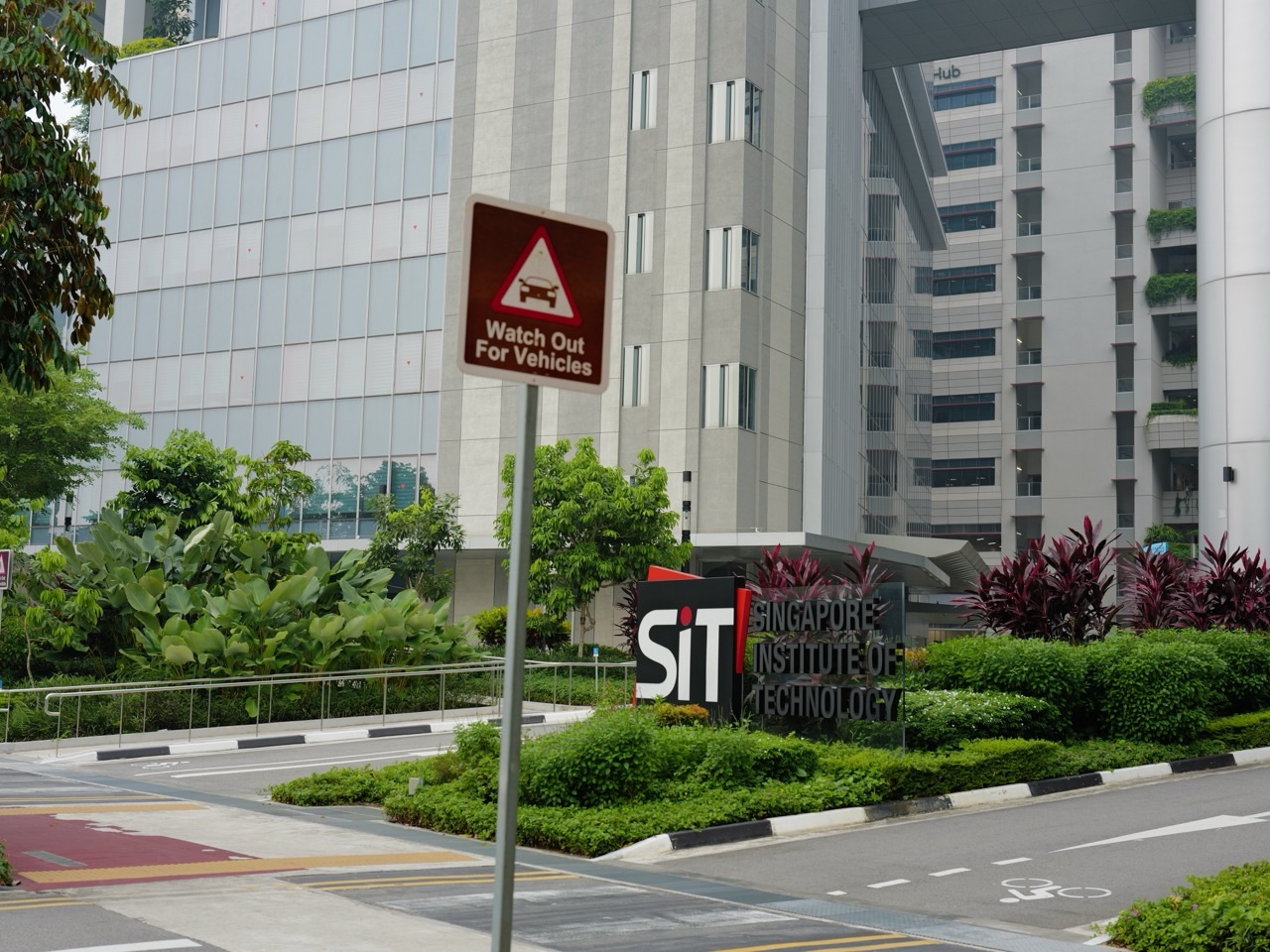
Punggol Digital District has an identified role as a place for technology companies, university researchers and industry associations to meet, demonstrate products and collaborate. JTC describes auditoriums, meeting and conference rooms, sky gardens and adaptable open spaces intended to support industry engagement, workshops and exhibitions. For an events company serving Punggol, Sengkang, Pasir Ris and Seletar from 2027 to 2037, the realistic business opportunity is to provide a well-defined service—conference production, registration technology, accessible staging, audiovisual support, suitable catering, logistics, professional facilitation or approved venue operations. A district built for collaboration does not guarantee a profitable event calendar, and a planned gathering is not a confirmed booking.
The Singapore Tourism Board’s July 2026 Business Events in Singapore scheme explains the national MICE framework for Meetings, Incentive Travel, Conventions and Exhibitions. Its support is subject to assessment of event content, size, foreign visitorship and sustainability, among other factors, and qualifying projects must not have commenced when applying. The scheme generally reimburses verified eligible costs after agreed deliverables are achieved; it is not advance cash for every Punggol workshop. JTC’s published account of the district’s industry-association facilities establishes the local venue concept, but should not be read as evidence that every room is available to every organiser on the same terms. A responsible supplier confirms its buyer, venue booking, relevant permissions and full operating budget before committing to production.
- Industry: Corporate meetings, technology conferences, business exhibitions, trade-networking activities, product demonstrations and event-production services.
- Local anchor: Punggol Digital District’s business and university ecosystem and its described meeting, auditorium and adaptable gathering spaces.
- National agency: Singapore Tourism Board and the Singapore Exhibition & Convention Bureau for relevant MICE-sector programmes.
- Typical suppliers: Venue and production partners, audiovisual firms, interpreters, accessible event designers, registration software vendors, caterers and logistics operators.
- Compliance: Site permission, applicable public entertainment, building, fire, food, employment, data protection and other rules according to the event.
- Commercial risks: Venue deposits, weak ticket demand, sponsorship shortfalls, contractor failures, last-minute changes and cancellation terms.
- Funding distinction: STB’s BEiS programme is selective and generally reimburses qualifying third-party costs; approval must not be assumed.
- 2027–2037: A strategic business horizon, not a confirmed Punggol conference calendar or guaranteed sponsorship income.

Why business events form a specialised industry
A business event can look like a stage, projector and audience, but the organiser manages many connected services: venue, content, speakers, guests, exhibitors, safety, technology and money. If any critical part fails, the experience may deteriorate quickly. A microphone that stops working can interrupt a keynote. A registration system that loses attendees’ information can delay entry. Poor crowd planning can create safety concerns.
That makes event production more than renting tables. A supplier earns value by reducing uncertainty and helping the organiser achieve a specific purpose. A corporation might want its technical teams to learn from each other. An association may want members to exchange industry knowledge. A startup showcase may aim to connect founders with legitimate buyers. Those outcomes require thoughtful design and reliable operations, not simply a large number of people in a room.
What JTC actually says about Punggol venues
JTC’s article on Punggol Digital District and technology associations describes an auditorium, meeting and conference rooms, sky gardens and a large open area that can support engagement sessions, exhibitions, conventions and workshops. It explains that the environment is intended to bring academia and industry together. This is real local context for suppliers looking at the business-event market.
However, an article about planned or provided spaces is not a booking contract. Available rooms, capacity, prices and operating rules can change. A supplier should contact the authorised venue manager and confirm the exact space before selling an event package. It should not describe a general campus corridor as a licensed exhibition hall without permission. Good local business content distinguishes a venue idea from a room actually reserved for a paying client.
Corporate events and MICE conventions are not identical
An internal project meeting with fifteen employees may require only a suitable room and simple presentation equipment. A trade conference bringing overseas delegates can involve complex registration, travel coordination, sponsorship, exhibition booths and professional production. A family community activity on a public plaza is yet another format. Different purposes lead to different budgets and regulatory questions.
A new company should select a format it can deliver competently. It might begin with small authorised technology workshops before attempting a multi-day international conference. That is not a lack of ambition. It is a way to build operational evidence and protect cash. The term MICE should not be used to imply a business automatically qualifies for STB incentives or has experience producing every type of event.
Define the client outcome before choosing the programme
A conference may aim to connect suppliers with buyers, share research, launch a product or train industry professionals. The organiser should be able to explain which result matters and how participants will benefit. A programme that fills a day with unrelated speeches can consume money without achieving a useful objective.
A professional producer asks the client to define the audience, knowledge level and decision expected after the event. The agenda should then support that outcome. If attendees need practical demonstrations, allocate time and space for them. If partners need confidential meetings, design a suitable schedule. The value of a well-produced event is not merely entertainment; it is the opportunity for people to exchange information and make better decisions.
Who is the actual buyer?
The person requesting a quotation may be an employee, association committee member or venue coordinator. They may not control the budget. A corporate event could be commissioned by HR, marketing, research leadership or an executive office. A conference may have a separate organising committee with financial oversight. A venue manager may purchase equipment on behalf of several clients.
The supplier needs to know who signs the contract, authorises changes and approves payment. An enthusiastic planning meeting is not an approved purchase order. A founder should identify the legal contracting entity and obtain a clear scope before booking subcontractors. The right buyer map reduces the risk of doing expensive work that nobody has formally agreed to fund.
A venue does not come with unlimited operating rights
Even if a meeting room is available, activities may be restricted by its approved use, capacity, opening hours or owner conditions. A public open space may require additional arrangements. Food preparation, amplified sound, large crowds, temporary structures or other activities can raise different questions. A producer should confirm the venue’s rules and responsible authority before selling an elaborate concept.
A contract should identify the specific space, dates, setup and dismantling windows, access for deliveries and obligations to return it in good condition. A supplier cannot assume it may drill into walls, move building equipment or block public routes. The owner retains responsibility for its property and may require approved contractors for certain work.
Event safety is an operating requirement
Temporary stages, cables, lighting, crowds and equipment need suitable planning and controls. A producer should work with competent suppliers and assess the actual event conditions. Some activities may require licences, notifications or approvals. The operator should check applicable rules with the relevant agencies instead of assuming that every private corporate gathering is subject to the same permit.
An event plan needs clear emergency access, safe equipment use and responsibilities for responding to incidents. Staff should know who can stop an unsafe activity. Public excitement is never a reason to bypass a venue restriction or compromise accessibility. A commercially reputable event company treats safety and contingency as core deliverables.
Public entertainment rules depend on the activity
Singapore’s public entertainment framework can apply to specified performances or entertainment activities, depending on the event and exemptions. An internal conference is not automatically a public entertainment event simply because someone speaks on a stage. An event with musical performances or other public entertainment may be different. A professional organiser should establish the precise activity and confirm applicable requirements with the Singapore Police Force and other responsible authorities.
A supplier should not promise that a corporate event is permit-free without knowing its actual contents. The event brief should identify every planned performance, public component and promotional activity. If conditions change, the compliance assessment may need to change too. Proper advice is more useful than a generic checklist copied from an unrelated outdoor festival.
Catering requires its own checks
Business events often include refreshments or meals. The organiser needs to know whether food comes from an appropriately licensed outlet, caterer or authorised preparation facility. Temporary food sales or food fairs may have additional SFA requirements depending on the activity and setting. A venue contract alone is not permission to operate any food stall.
A good catering brief covers service times, dietary needs, allergen handling, food safety, cleanup and what happens if attendance changes. Suppliers should avoid promising unlimited last-minute meals without discussing capacity. Reliable food service can improve the event experience, but it must be planned and priced rather than added casually after tickets are sold.
Audiovisual production is an engineering and service business
Screens, sound systems, microphones, cameras, lighting and networking need suitable design for the room and audience. A small seminar has different technical needs from a conference with live streaming and multiple panels. A supplier should survey the venue, confirm power and network availability, test equipment and prepare a fallback plan. The actual deliverable is intelligible communication.
A company should not sell an expensive production setup solely because its equipment looks impressive. The buyer needs attendees to hear, see and participate. A well-designed system with clear audio may serve a workshop better than elaborate lighting. Contracts should include rehearsal time, staff responsibilities, acceptable changes and support during the event.
Hybrid conferences create two audiences
A hybrid event may involve people in the room and others attending remotely. Each group needs a coherent experience. Remote participants may struggle to hear audience questions or see demonstration details. On-site attendees may become frustrated if every speaker spends time solving video problems. A good producer designs the programme for both groups from the outset.
The supplier must understand how cameras, audio, streaming and registration interact. It should test actual network performance and provide a way to handle outages. Copyright and permission issues can arise with recorded presentations or third-party video. A recording should not be assumed to be available for unlimited commercial distribution. Clarity about rights and technical arrangements helps avoid disputes.
Registration software handles personal information
Conferences may collect attendees’ names, employers, contact details, dietary preferences and accessibility requests. These records should be handled for legitimate purposes with appropriate privacy and security safeguards. A registration vendor must not treat a conference attendee list as a free marketing database for unrelated companies.
The event organiser should define who may access information and which fields are necessary. The system should support corrections, authorised exports and deletion or retention under the agreed terms. A supplier should be prepared to explain what happens after the event. Strong privacy practice is valuable because corporate clients may be unwilling to use a vendor that cannot protect basic participant data.
Ticketing is not the same as a guaranteed audience
An organiser may announce that a venue can hold 500 people, but that is a capacity limit or planning figure, not proof of ticket sales. Free registrations can generate no-shows, while paid events face price sensitivity and competition. A supplier’s financial model should distinguish enquiries, registrations, paid tickets, actual attendance and satisfied participants.
The company should use conservative attendance assumptions and understand refund obligations. A room with many empty chairs can still be a worthwhile private industry workshop if the right people attend. A packed event can be unprofitable if the organiser spent too much on production. Success needs to be defined according to the client’s purpose and actual economics.
Exhibition booths are not ordinary office furniture
A trade exhibition may require booths, electrical supply, signs, demonstration areas, storage and safe visitor movement. A supplier must understand venue capacity, access, loading and dismantling. Temporary structures may have technical requirements that a normal meeting table does not. The customer may also need approvals to demonstrate certain equipment.
A booth fabricator should prepare accurate designs and budget for transport, assembly, maintenance and removal. The organiser should specify who signs off on safety and presentation standards. An impressive booth that blocks access or cannot be installed in the allotted time is a poor product. Good production balances visual quality with predictable operation.
Product demos need safety and accuracy
Punggol’s technology ecosystem may encourage companies to showcase robotics, digital systems or innovative services. But a product demonstration should not operate unapproved equipment on public paths or access restricted building systems. A software simulation may be more suitable than live physical integration when permissions are not in place.
An event producer should ask what the demonstrator needs to do, who is qualified to supervise it and how the surrounding public is protected. Claims about product capability should be accurate. A prototype that works only under selected conditions should be described accordingly. The event should allow visitors to learn what the technology can actually achieve, not pressure them to believe an exaggerated future claim.
Speakers, content and intellectual property
A conference organiser may invite researchers or industry specialists to present original work. It should agree on speaking terms, consent to recording and how slides or other materials can be used afterward. A ticket purchase does not automatically transfer copyright in a speaker’s work to the event company.
The producer should maintain a permissions register for images, music, videos, presentations and recordings. It should avoid publishing confidential discussions or participant details without authorisation. A clear rights policy may make respected speakers more willing to contribute. Commercial professionalism includes protecting ideas as carefully as managing the stage.
Accessibility should shape planning from the start
Attendees can have different mobility, hearing, vision, language or communication needs. A suitable event considers arrival routes, accessible seating, clear signs, readable presentations and appropriate assistance. If a hybrid or recorded component is involved, captions or other support may be relevant. A supplier should not claim universal accessibility without verifying the venue and actual arrangements.
The organiser should offer a respectful way for participants to communicate reasonable requirements. Information about those needs should be protected. A well-planned event allows more people to participate without turning accommodations into a public spectacle. Accessibility can be both a professional obligation and an important contributor to the event’s usefulness.
What STB’s BEiS funding can and cannot support
STB’s Business Events in Singapore scheme supports qualifying MICE activities, including selected conventions, corporate activities, exhibitions, meetings and relevant pre-event work. Its July 2026 guidance identifies criteria such as programme content, event size, international visitorship and sustainability. Eligibility is determined by assessment rather than by the organiser simply describing a gathering as a conference.
The official page also says the project must not have commenced before the grant application. Work already started, supplier payments or signed agreements can affect eligibility under the stated conditions. Qualifying support is generally reimbursed after deliverables and verification. A founder should not spend money assuming STB will automatically pay it back. A financing plan must survive the possibility of no grant award.
A grant is not the same as event revenue
Funding support may help selected events, but it does not replace ticket sales, exhibitor payments, sponsorship or other real income. A company receiving reimbursable support still needs to manage initial cash outlays and meet the agreed conditions. Failure to deliver eligible milestones can affect the final amount.
A serious budget separates operating revenue from potential funding. It identifies what has been contractually committed and what remains uncertain. A sponsorship conversation is not income until the agreement is genuine. An event supplier should not confuse the organiser’s grant application with an entitlement to immediate payment. Each party needs a clear contract and appropriate cash reserves.
Sponsorship is a sale with deliverables
A business may sponsor an event to meet decision makers, demonstrate a product or support an industry cause. The sponsor usually expects specific benefits, such as a clearly identified speaking opportunity, exhibition space or appropriate branding. An organiser should not promise the same exclusive benefit to several sponsors.
A professional sponsorship proposal describes the audience, format and deliverables. It should not guarantee that participants will become paying customers. If the event changes, the contract should explain what happens to sponsorship benefits. Accurate reporting after the event helps sponsors judge value and can improve future relationships. A founder who treats sponsorship as free money is likely to disappoint partners.
Event financial planning begins with fixed commitments
Venue deposits, equipment reservations and staff may require payment before ticket income arrives. These commitments can create cash pressure. A founder should prepare a cash-flow calendar showing when money leaves and enters the company. The budget should include cancellation costs and realistic attendance scenarios.
A small event may be financially safer than a large one if customer demand is uncertain. The organiser can begin with an approved room and a clear subject, then expand after evidence of interest. Announcing a large convention before securing sponsors and participants can create obligations that exceed a young company’s capital. Slow, well-planned growth is not an industry weakness; it is financial discipline.
A fictional 150-person event budget
Imagine an industry workshop expecting 150 paid attendees at S$120 each. Gross ticket revenue would be S$18,000 if all tickets are sold. Venue and production cost S$7,500, catering S$3,000, registration and marketing S$2,500, speaker and content expense S$2,000 and staffing and insurance S$2,000. That is S$17,000 of illustrative direct cost, leaving S$1,000 before general overhead and tax.
If only 100 tickets sell, revenue drops to S$12,000 unless other arrangements change. The event may then lose money despite being well attended. These figures are hypothetical, not published Punggol venue fees. The calculation illustrates why organisers should know the break-even attendance and how they will respond to weaker demand.
Cancellation terms protect both sides
An event may be postponed by venue changes, speaker illness, low demand or other disruptions. Contracts should explain deposits, rescheduling, refunds and supplier obligations. A production company cannot assume every payment is non-refundable under all circumstances. The terms must follow applicable law and the actual agreement.
A prudent organiser keeps a contingency plan and discusses key dependencies early. If a venue becomes unavailable, can the programme move to another suitable location? If a speaker cannot attend, is a replacement appropriate? Avoid promising a seamless event under every possible condition. Responsible communication and fair handling of changes are commercially important.
Venue logistics influence the experience
An event at Punggol Digital District may have good MRT access, but the organiser still needs clear directions to the precise room. Participants may arrive from across Singapore or overseas. Signage, registration queues, service lifts, loading bays and accessible access all affect whether the event begins smoothly.
The supplier should verify current transport and venue instructions rather than use an outdated map. A central location within a large district can still be confusing to first-time visitors. A practical arrival guide and trained front-of-house staff may create more value than expensive decoration. People form their first impression before the programme begins.
Sustainability should be evaluated across the event
Business events may generate waste through printed materials, disposable items, transport and temporary structures. STB includes sustainability among its BEiS evaluation criteria. A supplier can help organisers choose suitable reusable elements, plan catering quantities and reduce unnecessary materials. But environmental claims should be based on meaningful evidence, not simply a green logo on registration badges.
The company should consider whether a sustainability measure creates unintended costs or waste elsewhere. Reusable signage can be sensible if it will actually be reused. Digital materials may reduce printing but require good accessibility. The best approach focuses on avoiding waste while maintaining a useful event. A professional supplier can explain trade-offs rather than promise a carbon-free convention without a defensible calculation.
Corporate workshops and industry exhibitions have different suppliers
An internal half-day meeting may need a facilitator and basic equipment. A product showcase may need demonstration zones, booth structures, technical support and a visitor registration process. A large international conference may need interpretation, travel coordination, multilingual communication and an experienced professional conference organiser.
A small Punggol business should select the segment that fits its staff and financial capacity. It might begin with reliable audiovisual support for forty-person seminars rather than attempt an international exhibition. Strong customer references in a defined niche can support later expansion. Offering every event format without genuine competence creates operational and reputational risk.
A fictional audiovisual supplier
An audiovisual company is asked to support a technical symposium. It surveys the room, identifies microphone and presentation needs, prepares an appropriate setup and schedules a rehearsal. It includes an engineer on site and a simple fallback for equipment failure. The quote describes actual working hours and included support.
The buyer may prefer this reliable service to a company offering more expensive effects without adequate testing. The supplier records what worked and what needs improvement. If the event is successful, repeat bookings may follow. The firm can grow through consistent delivery and truthful capability claims, not by making every production unnecessarily elaborate.
A fictional event registration software startup
A developer builds a secure registration tool for small corporate seminars. It uses synthetic records to test ticket confirmation, attendee changes, consent and authorised export. The system offers clear communication and protects participant information. It does not automatically add every registrant to the software company’s marketing list.
A client tests whether registration queues become shorter and records are more accurate. If the tool works, the vendor may offer a subscription or per-event service. But the founder must budget for support during live events and for restoring service when a technical error occurs. Reliability at the critical moment is the product.
A fictional technology demonstration organiser
An association wants to show several new technologies to prospective business users. The event producer designs short sessions explaining each product’s limitations and suitable applications. Demonstrators agree on safe operating conditions and do not access restricted systems without permission. Participants can ask practical questions rather than watch only promotional videos.
The organiser measures whether relevant buyers found useful contacts or knowledge. It does not pretend that every visitor is a confirmed sales lead. A well-produced, modest demonstration may create more commercial value than a large spectacle that does not help decision makers assess the technology.
2027–2029: build a reliable local events portfolio
The first part of the horizon may see continued collaboration among Punggol Digital District tenants, researchers and associations. A new event company should verify which venues are available and which clients have actual budgets. It can build experience through properly authorised small professional activities rather than assume the district needs a new major convention every month.
The founder should create accurate budgets, supplier networks and a consistent production method. An event with forty satisfied delegates may be a better first case study than a costly launch with hundreds of free registrations. If STB funding is relevant, check eligibility before beginning the project. The milestone is repeatable quality and a financially sustainable relationship.
2030–2033: grow through specialisation and evidence
An established producer may develop a niche in cybersecurity conferences, technology showcases, applied research meetings or hybrid corporate events. It should retain experienced staff and documented processes. More events mean more potential for scheduling conflicts and supplier failures. The company must know when to decline work that exceeds its capacity.
Digital registration, hybrid production and accessible content may become more sophisticated, but technology should serve a real participant need. The business should evaluate profitability by event type and repeat client rather than simply count attendees. These dates are planning checkpoints, not an official PDD events forecast.
2034–2037: adaptability keeps an events company relevant
Conferencing technologies and expectations can change over ten years. Some organisations may prefer more virtual collaboration, while others value face-to-face demonstrations and networking. A supplier should be able to adapt formats without losing the core ability to deliver safe, useful gatherings. It needs portable client records, strong relationships and a fair approach to contract changes.
The long-term competitive advantage may be trusted execution: organisers know the company can bring the right people and systems together and handle problems responsibly. A business built solely on one venue or grant may struggle if conditions change. The objective for 2037 is a resilient service, not a promised number of conventions.
Practical event-industry checklist
- Who is the contracting organiser and what outcome must the event achieve?
- Is the booked space genuinely available for the planned activity?
- What permissions, insurance and safety requirements apply to the format?
- Are speakers, exhibitors and sponsors under clear agreements?
- Which participant data is collected and who may use it?
- What technical equipment and staffing are needed for live and remote attendees?
- Have accessible arrival, seating and communication arrangements been assessed?
- Is catering sourced and managed under appropriate food safety requirements?
- What are the fixed commitments, deposits and cancellation terms?
- How many paid participants are needed to cover costs?
- Are sponsorship and grant income confirmed or only possible?
- Does a BEiS application need to occur before the project commences?
- How will the event’s business or learning outcome be evaluated?
- What is the fallback if the venue, network or critical speaker becomes unavailable?
These questions protect both the client and the producer. A business event is successful when it serves its purpose with reliable operations and realistic economics. Strong execution matters more than large promises about the future of a district.
Frequently asked questions
Does Punggol Digital District have spaces intended for business events?
JTC describes an auditorium, meeting and conference rooms, sky gardens and adaptable open spaces intended for industry engagement and exhibitions. Availability and permitted uses must be confirmed with the responsible venue.
Is every small corporate workshop eligible for STB’s BEiS support?
No. The scheme assesses eligible MICE projects using criteria such as content, size, international visitorship and sustainability. Eligibility is not automatic.
Can organisers spend first and apply for BEiS afterward?
STB’s July 2026 terms state that projects must not have commenced at the point of application, including specified commitments. Applicants should verify the current conditions before signing contracts or making payments.
Is sponsorship money guaranteed if a technology association is involved?
No. Sponsorship is subject to real commercial agreements. A company may support some events and not others. Organisers should not book possible sponsors as confirmed income.
Are Punggol conference rooms automatically approved for public entertainment?
No blanket assumption is appropriate. Requirements depend on the actual venue, format and activities. Check with the responsible owner and authorities before advertising a particular event.
Will Punggol’s business-events sector definitely be profitable through 2037?
No. Actual demand, venue access, supplier cost, event quality and contracts determine viability. The period is a strategic planning horizon, not a guaranteed events schedule.
Your Next Step: design a small event with one measurable purpose
Choose one industry audience, one genuine organiser and one reason for participants to meet. Confirm the venue and operating permissions before promoting the event. Build a budget that works without unapproved grants or speculative sponsors, then contract capable suppliers and design appropriate safety and privacy controls. Measure whether the event helped people make useful decisions. Reliable small events create the foundation for a sustainable Punggol business-events company.
Official reading: JTC’s Punggol Digital District spaces for tech industry associations, JTC’s Punggol Digital District business ecosystem, Singapore Tourism Board’s MICE industry overview, STB’s Business Events in Singapore scheme updated July 2026, STB’s MICE experience programmes, and JTC’s location and partnership information. Check current venue availability, regulatory conditions and scheme eligibility before entering any commercial commitment.


