
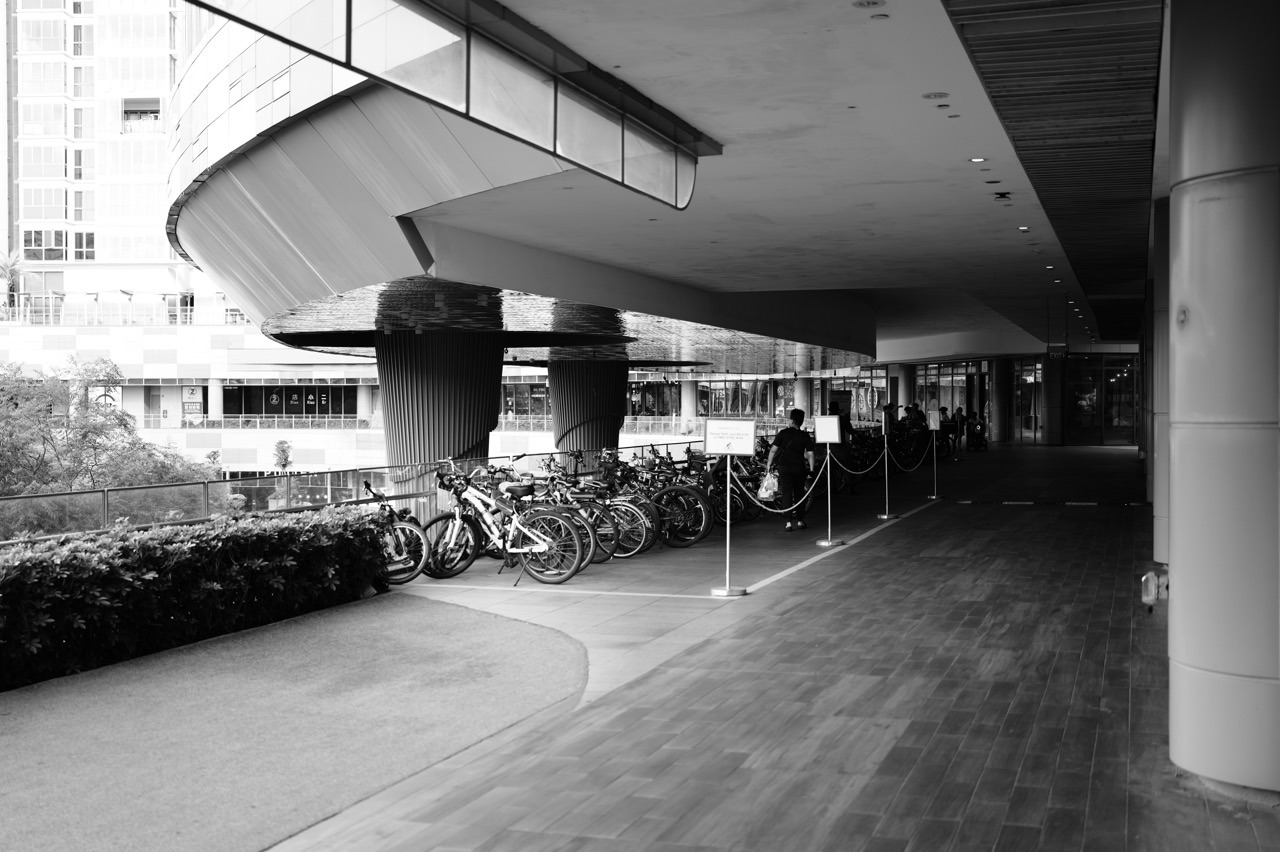
Punggol’s waterway and park connectors provide a real setting for bicycle retail, servicing, rentals and related active-mobility businesses. NParks identifies the Punggol Waterway Park Connector as an 8.4-kilometre route and the North Eastern Riverine Loop as a 26-kilometre network connecting Punggol, Sengkang and Buangkok. However, a busy cycling route does not guarantee that a new bicycle shop will earn enough to pay its rent. A company planning 2027–2037 should decide whether it will sell compliant bicycles, repair existing equipment, provide properly authorised rentals, service commercial delivery riders or operate a licensed shared-mobility scheme. Each model needs customer trust, technically sound work, lawful product claims and a realistic understanding of demand.
As at 1 November 2026, LTA administers active-mobility device and retailer rules under the Active Mobility Act. Its retailer guidance states that new provisions on online advertising and sales, device compatibility claims and lithium mobility-device batteries are scheduled from the second quarter of 2027. Power-assisted bicycles already need the relevant type approval, sealing and LTA registration, with applicable technical standards. LTA separately requires a licence to operate dockless bicycle-sharing services in public places under the Shared Mobility Enterprises framework. These rules mean that a shop selling a standard pedal bicycle, a company dealing in registered PABs and an operator offering public dockless bicycle sharing are not interchangeable. The business must classify its real activity before selling equipment or accepting rental customers.
- Industry: Pedal bicycle retail, mechanical repair, responsible refurbishment, parts supply, approved rentals, active-mobility services and qualified fleet support.
- Local context: Punggol Waterway Park Connector, North Eastern Riverine Loop, residential bicycle parking and nearby Sengkang routes.
- Regulator: LTA for active-mobility device rules, retailer obligations and certain sharing operations; NParks and landowners govern access to relevant sites.
- Product distinction: Ordinary manual bicycles, power-assisted bicycles, e-scooters, mobility scooters and other devices have different legal categories.
- 2027 development: LTA has announced tighter online sales and advertising requirements and battery compatibility rules from the second quarter of 2027.
- Business models: Parts and repairs, equipment sales, suitable private rental arrangements, approved maintenance contracts and licensed public bicycle sharing.
- Financial drivers: Workshop labour, premises, parts inventory, service turnaround, repeat customers, equipment losses and safe utilisation.
- 2027–2037: Scenario planning, not guaranteed cycling volumes, new public licences or shop profits.

Why Punggol makes the cycling economy visible
Punggol has a mixture of residential pathways, waterfront parks and connections to nearby neighbourhoods. Residents may cycle for recreation, short trips or exercise. Delivery workers may depend on suitable bicycles for their livelihoods. Families may need help choosing safe, correctly sized equipment. Each creates a different possible customer need, but none establishes a business contract by itself.
A founder should avoid treating everyone seen on a path as a customer ready to buy a premium bicycle. Some already own equipment and repair it themselves. Others use shared bicycles or purchase online. A small workshop may be useful when customers value convenient, competent service close to home. The real market is found through repeat purchases and measured local demand, not photographs of a busy weekend.
The 8.4-kilometre Punggol Waterway connection
NParks describes Punggol Waterway Park Connector as an 8.4-kilometre route alongside the waterway, suitable for cycling and other appropriate activities where riding is permitted. This is a credible geographic anchor for bicycle-related business research. It does not mean every bridge, walkway and adjoining path may be ridden without restriction.
NParks explicitly lists selected bridges within Punggol Waterway Park, including Kelong Bridge, Wave Bridge and Adventure Bridge, among places where cycling is not allowed. That is a practical safety detail for any rental or tour company. A supplier advertising a cycling route should not direct customers to ride where they must dismount. Accurate route instructions protect both users and the company’s reputation.
The North Eastern Riverine Loop serves several towns
NParks’s July 2026 update identifies the North Eastern Riverine Loop as a 26-kilometre park connector route linking Punggol, Sengkang, Buangkok and related green spaces. That suggests the potential for businesses to serve customers beyond one HDB estate. A bicycle repair shop in Punggol may see riders from other towns, while a rental operator might design a lawful service around approved start and return points.
Yet a regional route is not a customer database. Riders may have many travel patterns and purchase preferences. The founder should map where potential customers actually live, work and need servicing. A shop in a convenient location can still fail if rent and inventory costs exceed the revenue it can realistically earn.
A bicycle retailer and a repair workshop are different businesses
A bicycle shop may primarily earn income from product sales, which require inventory, supplier relationships and customer acquisition. A workshop earns labour revenue and may sell spare parts. A hybrid shop combines both but also carries the complexity of both. A rental operation finances a fleet and must manage damage, theft and customer handover.
The founder should select a primary service. A shop with too many expensive bicycles may have little cash left to employ a qualified mechanic. A repair-only workshop may have lower inventory cost but needs enough regular work to cover rent and staff. A rental business may look attractive on weekends but carry substantial unused equipment during the week. Each model deserves its own forecast.
Retailer obligations begin before the first sale
LTA’s active-mobility retailer rules cover relevant bicycles, power-assisted bicycles and other devices. Retailers must display prescribed warnings where applicable and must not advertise or sell non-compliant devices for prohibited uses. Modifying a compliant motorised device into a non-compliant one can create regulatory and safety problems. A business should check the current specific product category rather than treat all cycles identically.
A founder importing equipment should examine conformity evidence, specifications and the actual permitted use in Singapore. An online description promising a prohibited speed or battery configuration may create liability. A reputable retailer helps customers understand where a product may lawfully be used rather than advertise every device as suitable for all paths.
The second quarter of 2027 brings new sales rules
LTA’s current retailer page states that new regulations on online active-mobility device sales, advertising and mobility-device lithium batteries are planned from the second quarter of 2027. These extend certain restrictions and warning requirements to online sales and target misleading claims about lawful use, specifications and compatibility. Sellers of relevant batteries must provide defined compatibility information under the new framework.
This is a concrete planning issue for a Punggol retailer selling through a website or marketplace. The owner should review current commencement notices before 2027, update product records and train staff. A business should not advertise a motorised device as legal on every public path when restrictions apply. False claims may create customer harm and enforcement risk.
Manual bicycles and PABs are not interchangeable
An ordinary pedal bicycle uses human power. A power-assisted bicycle, or PAB, includes an approved motor-assist system and is subject to specific technical, type-approval, registration and user requirements. LTA says PABs must meet the relevant EN15194 standard and carry proper approval and registration arrangements. Riders of PABs face rules different from ordinary cyclists, including training and age restrictions.
A retail or repair business should identify the equipment before making recommendations. A customer asking for a “faster bicycle” may be considering a regulated PAB, not an ordinary bike. The supplier should not modify equipment into an illegal configuration or promise that a non-compliant motor will be approved. Safe and lawful handling is part of the service.
Lithium batteries create specialist obligations
LTA’s retailer guidance includes 2027 rules concerning compatible batteries for relevant active mobility devices. Battery hazards may involve fire, overheating or other failures when products are unsuitable or altered improperly. A business should never improvise battery modifications or tell customers to use an unapproved replacement simply because its connector appears to fit.
A responsible shop should follow manufacturer instructions, current LTA rules and appropriate technical procedures. If a device or battery shows signs of damage, competent assessment is needed. A mechanic specialising in ordinary chains and brakes is not automatically qualified to repair lithium battery systems. The company should define which work it can perform safely.
Pedestrian-only paths affect customer guidance
LTA began converting certain footpaths alongside dedicated cycling tracks into Pedestrian-Only Paths from 1 July 2025. Bicycles and many other active mobility devices cannot simply ride on those converted paths, subject to stated exceptions for brief crossings when necessary. Shared paths and dedicated cycling tracks have different rules.
A rental company should explain local riding conditions rather than assume customers can use every pavement. The route may contain crowded locations or areas requiring dismounting. Clear instructions can reduce disputes and prevent unsafe riding. Accurate guidance is a useful service feature, especially for visitors unfamiliar with Singapore’s active-mobility system.
Public paths have vehicle dimension requirements
LTA lists device requirements for manual bicycles on public paths, including limits on width and weight and a functioning handbrake. Road-use rules can differ. A seller should understand the intended use before recommending an unusual cargo bicycle, recumbent or oversized product. A device legal on a particular road is not automatically suitable for a narrow shared path.
The business should avoid relying on old imported specifications without checking current local criteria. Product labels and advertisements need to be accurate. Customers are entitled to know whether a device fits their intended route. A retailer who explains limitations clearly may prevent unsafe purchases and expensive returns.
The business of bicycle servicing
A workshop may provide suitable inspection, adjustment, repair or component replacement. Customers value dependable brakes, tyres, steering and drivetrain condition because these affect safety and enjoyment. The business should ask what problem the customer has and inspect the bicycle before promising a fixed repair price. Some concerns may involve multiple components rather than a simple adjustment.
A repair quotation should distinguish diagnostic work, parts and labour. If a serious defect is found, the mechanic should explain the risk and the proposed remedy. The shop should not claim that a bicycle is safe for every conceivable riding condition after a limited service. Professional boundaries and accurate records help customers trust the result.
Safety-critical components require competent work
Brakes, steering, wheels and structural components can fail with serious consequences. A technician must use suitable parts and methods for the particular bicycle. A shop should not improvise a repair on a cracked or otherwise unsuitable component merely to preserve a low price. Where the manufacturer recommends replacement or specialist assessment, the operator should communicate that clearly.
A good workshop trains employees and checks critical work before returning a bicycle. The company may document the parts installed and tests performed. Such records can help resolve later questions and support repeat business. A reputation for safe, honest service is worth more than completing the largest possible number of quick jobs.
Basic maintenance and specialist repairs have different prices
Cleaning and routine servicing may be relatively predictable. Complex wheel work, hydraulic braking systems, suspension components or electronic shifting can require specialised tools and skills. The founder should decide which services the workshop genuinely supports. Advertising every advanced repair without equipment or competent staff can cause delays and disappointment.
A practical menu lists ordinary services while explaining that major faults require inspection and a separate quotation. Customers should know what is and is not included. A transparent policy may be more attractive than a low advertised package that repeatedly produces unexpected charges. Pricing should cover competent work and realistic turnaround.
Service turnaround is part of the product
A cyclist may depend on a bicycle for commuting or earning income. A workshop that takes longer than promised can create real inconvenience. The owner needs a scheduling system that considers existing jobs, part availability and technician capacity. An accurate estimated completion date may be more valuable than a promise of immediate service that the shop cannot meet.
The company should also record when a customer approves additional work. If a mechanic discovers a fault requiring more expensive parts, clear communication is essential. A workshop that delivers consistent timing and honest explanations can gain repeat customers. Operational reliability is a competitive advantage even in a small neighbourhood shop.
Workshop labour is not the same as shop opening hours
A business may open for ten hours a day but a mechanic cannot spend all ten hours on billable repairs. Time is also needed for inspections, customer discussions, cleaning, stock handling, ordering parts and administration. The owner should calculate effective billable hours and the price needed to cover staff and premises.
A shop that uses a low hourly charge based on a fictional full-utilisation schedule may struggle. The financial model should include normal quiet periods and complex jobs that take longer than expected. A fair labour rate can support training and safe quality control. Underpricing can encourage rushed repairs and ultimately harm customer trust.
A hypothetical bicycle workshop calculation
Imagine a fictional Punggol repair business completing 150 paid jobs per month at an average realised labour charge of S$45, producing S$6,750 in labour revenue. It also earns S$2,250 of contribution from approved parts sales after purchase costs, for S$9,000 total contribution before fixed expenses. If staff, premises, utilities, insurance and equipment expenses total S$10,000 monthly, the shop has a shortfall.
These figures are teaching examples, not actual local repair prices. The owner might need higher-value services, better scheduling, a suitable smaller premises or a different customer mix. It should not respond by using unsafe components or hiding defects. A viable workshop needs enough customers willing to pay for competent service.
Inventory can absorb cash quickly
Bicycle components come in many sizes, standards and compatibility combinations. A shop may stock tyres, tubes, chains, brakes and other parts, but it cannot reasonably hold every possible item. Expensive niche stock may remain unsold. A founder should use actual customer demand and the workshop’s service scope to guide inventory.
The business can maintain reliable supplier relationships and clear ordering procedures for uncommon parts. Customers should know when a special part is needed and what lead time is expected. A shop that keeps a manageable, accurate inventory may be healthier than one filled with prestige products but short of cash for wages.
Selling complete bicycles requires after-sales service
A bicycle retailer may earn revenue from new equipment but also face fitting, assembly, warranty and customer support responsibilities. A product that leaves the shop in poor working condition can create safety and reputational problems. The supplier should define pre-delivery checks and explain maintenance needs honestly.
A customer may not know how to choose the right frame size or bicycle type. A helpful retailer asks about intended use and practical constraints. A commuter may need a different product from someone riding short park loops with children. A sale that fits the customer’s real needs can produce repeat service revenue and fewer returns. The most expensive model is not automatically the best.
Refurbished bicycles create a separate market
Some customers prefer lower-cost second-hand or refurbished bicycles. A shop may purchase used equipment, inspect it and offer it for resale. But the owner needs clear title to the goods, accurate condition descriptions and suitable safety checks. The company should not sell a bicycle with serious undisclosed defects simply because it has been cleaned and photographed attractively.
A refurbishment business should record parts replaced, repairs undertaken and what warranty or service is actually included. Some used frames or components may be unsuitable for resale. The business must be willing to reject them. Ethical grading and accurate descriptions can distinguish a professional operation from an informal second-hand listing.
Bike theft and lost property affect customer trust
Cyclists need suitable parking and locks, but a commercial repair or rental business may also hold customers’ bicycles temporarily. It should identify and secure them, issue appropriate receipts and clarify responsibility while equipment is in its care. A missing bicycle can create a serious dispute even if the repair itself was inexpensive.
A workshop could use a simple intake system recording the bicycle, owner contact and approved work. Personal information should be protected. A rental company needs a reliable handover process and clear loss or damage terms. The objective is accountability, not excessive surveillance of customers. Our separate local guide to missing bicycles in Punggol addresses the resident’s response; this article focuses on commercial custody.
Bicycle rentals have different economics from repairs
A rental company finances equipment that may be used for only a few hours per day. It must inspect, clean, maintain and recover bicycles, and handle customers who return them late or damaged. The rate charged for a one-hour rental must help fund these expenses, not only the moment of use. A busy holiday can be followed by a quiet weekday.
The founder should estimate utilisation by season, weather and location. Some visitors may prefer shared-bike schemes, while others rent from established shops. A new operator must establish real site rights and customer demand. A rental service in a public park is not automatically permitted merely because people cycle through it.
Dockless public bicycle sharing is a regulated business
LTA’s Shared Mobility Services Licensing page says companies wishing to operate dockless bicycle-sharing services in public places must obtain the relevant licence and meet its requirements. The law also distinguishes other shared mobility categories. A business should not confuse renting a bicycle from a privately authorised shop under defined arrangements with launching a nationwide app-based dockless sharing scheme.
A public sharing operator needs more than bicycles. It must manage parking, users, maintenance, misplaced equipment and regulatory duties. A founder should not announce that it will deploy hundreds of bikes around Punggol before securing the necessary licence and operating model. Physical asset loss and enforcement costs can make unplanned expansion expensive.
Bike-sharing parking can be an operating cost
LTA’s rules require shared bicycles to be parked in designated zones, with customers using the proper QR-code or app process to end their journeys where applicable. A shared fleet operator may need staff to reposition improperly parked bicycles and maintain availability. Public space must remain safe and accessible to pedestrians.
The operator should calculate how many bikes are lost, damaged or idle and how often staff need to rebalance the fleet. A map showing hundreds of bikes is not evidence of completed paid trips. The commercial value lies in journeys customers want to make and a reliable system that does not create nuisance for other path users.
A public cycling route is not automatically an exclusive tour venue
A business may want to offer guided rides along Punggol Waterway. It should verify the rules for commercial activity, group management and access to specific parks and paths. A public path remains shared space. A paid tour cannot block walkers or treat a popular bridge as reserved exclusively for its customers.
Guides should know local restrictions, including locations where cycling is not permitted. They also need realistic route lengths, group sizes and safety procedures. A family with children may require a slower pace and different equipment from a group of experienced riders. A credible operator adapts the experience while respecting other users.
NParks rules matter to route marketing
NParks lists selected bridges and boardwalks, including Kelong Bridge, Wave Bridge and Adventure Bridge at Punggol Waterway Park, as areas where cycling is not allowed. A commercial operator should incorporate those restrictions into its directions and staff training. A route that looks short on a map may require walking through part of the park.
This is not merely a legal detail. A customer following inaccurate instructions could encounter conflict with pedestrians or enforcement. A rental company that explains path etiquette well can distinguish itself through responsible service. Good guidance is part of the product when selling to visitors unfamiliar with Punggol.
Delivery riders form a different service segment
Some workers rely on bicycles for deliveries and may need fast, dependable maintenance. Their priorities could include tyres, brakes, drivetrain reliability, safe lighting and predictable turnaround. A workshop might offer appropriate service packages or extended hours if demand justifies them. However, the business should not assume that every delivery rider in Punggol will pay for a subscription.
A supplier should interview real customers about their problems and budgets. A courier may value one reliable repair more than a premium accessory. If the shop promises urgent service, it must have trained mechanics and suitable parts. The service model should support safe work rather than rush repairs because riders need to return to earnings.
Business-to-business fleet maintenance can be a niche
An approved rental or shared bicycle operator may outsource defined maintenance tasks. A small workshop could bid for such work if the operator permits it and the team can handle the volume. This differs from servicing individual customers, because the contract may specify inspection frequency, record formats, turnaround and responsibility for failed units.
The founder should verify the fleet type and applicable product rules. A workshop experienced with manual bikes may need further competence for PABs or other motorised equipment. The business must also calculate the cost of collecting and returning bicycles. A contract with large unit volume can still lose money if the per-unit fee is too low.
A fleet service contract needs accurate acceptance checks
An operator may send bicycles for service and expect each to meet a defined standard before returning to use. The maintenance provider needs a record of the work performed and the final check. A bicycle that was marked complete but still has a safety-critical defect can damage the entire relationship.
The contract should define what happens when a unit needs parts outside the normal service allowance. A technician should not silently replace components without appropriate approval, nor should the workshop return an unsafe bicycle simply because the standard service fee is limited. Transparent exceptions and quality records are essential.
Bicycle fitting can be a specialist service
Customers may need help adjusting suitable bicycle dimensions and contact points for comfort and control. A shop may provide basic sizing within competence, while more complex needs could require appropriate professional assessment. A seller should not treat fitting as medical treatment or promise to cure pain through one adjustment.
A fitting service is valuable when it explains actual options and checks the customer’s intended use. A children’s bicycle, commuter and sporting bicycle have different requirements. A useful consultation might prevent a wrong purchase or reduce avoidable discomfort. The business should be clear about what it can and cannot guarantee.
A technology startup can serve bike businesses without selling bikes
Small retailers and repair workshops may need scheduling, inventory and customer service software. A startup can build a simple tool to record bicycles at intake, parts ordered and completion status. It should protect owner contact details and permit users to correct mistakes. A shop with five employees does not need a complex enterprise platform if a focused system solves the problem.
The software provider should test whether it reduces lost work orders or customer calls. It can charge a sensible subscription and support the product reliably. This is a legitimate digital supplier niche connected to active mobility rather than a claim to operate public sharing infrastructure.
Customer records require privacy and accuracy
A workshop may store a customer’s name, telephone number, bicycle details and repair history. A rental business may also hold payment or identity information. These records must be handled responsibly under applicable personal data rules and contractual purposes. A founder should not sell customer lists to unrelated advertisers.
Accurate intake records help resolve disputes. A business should know which bicycle belongs to which customer and what work was authorised. A digital photograph can be useful but should not capture unnecessary private information or be published without permission. Good records improve both service and customer confidence.
Warranties and consumer rights affect retail profit
A bicycle shop may provide manufacturer warranties or its own service assurances. Customers should understand what is covered and what counts as normal wear or misuse. Singapore’s consumer protection law may also apply to goods that do not conform to contract. A retailer cannot simply print a blanket “no refunds under any circumstances” statement and assume it overrides applicable law.
The business should document product specifications, handover condition and repair promises. A clear complaint process can preserve trust and reduce time spent arguing. A company that treats after-sales support as a core responsibility may retain customers longer than one focused only on making the next sale.
How workshop rent influences the break-even point
A shop near a busy transport node may benefit from visibility but face higher fixed costs. A smaller workshop slightly farther away might be more affordable, depending on customer behaviour and permitted use. The founder should research actual lease terms and whether repair operations are suitable for the premises. A home address is not automatically available for commercial workshop activity.
The financial model should include staffing, tools, utilities, stock, waste handling, insurance and marketing. A large showroom needs enough bicycle sales to justify its space. A compact repair shop may rely on repeat customers and quick turnaround. The best location follows the business model and real demand rather than only a desire to be near the waterway.
Pricing a rental fleet conservatively
Imagine a fictional private rental operation with thirty bicycles and an average daily rental income of S$22 for each bicycle when used. At 35% effective utilisation over thirty days, the theoretical gross rental revenue is about S$6,930. This is a teaching example, not a current Punggol rental rate or approved operating plan.
The operator must then deduct premises, equipment depreciation, staff, maintenance, theft, damage, insurance and marketing. Rainy periods could reduce utilisation. Some bicycles may require repair between rentals. A founder who forecasts 100% use every day is likely to overstate profitability. The business should compare quiet-weekday and holiday scenarios before buying a large fleet.
Pricing a workshop based on accepted jobs
A repair shop can calculate contribution from each completed service after parts and direct labour, then compare the total with fixed costs. If the average contribution is S$50 and fixed expenses total S$12,000 monthly, roughly 240 equivalent jobs are required to cover that amount under a simplified model. That could be difficult for a small startup without repeat demand.
These are invented figures, not recommended rates. The purpose is to reveal what sales volume the business would actually need. If the required job count exceeds technician capacity, the model must change. Better service mix, suitable prices or lower fixed expense may be more realistic than pushing staff to rush.
Quality over speed builds repeat business
Bicycle owners may be willing to pay for a workshop that explains faults clearly, uses suitable parts and returns equipment when promised. A business that rushes repairs can damage its reputation through repeat failures. The company should encourage mechanics to report uncertainty rather than quietly improvise.
A useful quality process includes checking the customer’s stated problem, verifying completed work and giving an honest description of any remaining concerns. A competent repair is a product that the customer can trust. Long-term loyalty may be a more valuable asset than one heavily discounted promotion.
Example one: a neighbourhood repair-only workshop
An experienced mechanic wants to operate a compact shop in Punggol. Before leasing, the founder checks premises suitability, genuine demand and the cost of tools and stock. It selects a clear set of services for manual bicycles and does not claim specialist competence for every motorised device. Customers receive accurate quotations and realistic completion times.
The business keeps records of repeat faults and parts consumption. If certain services are consistently unprofitable, the owner revises pricing or scope. It grows through repeat customer relationships rather than a large inventory of premium bikes that may not sell. A small workshop can be a serious business when it operates carefully.
Example two: a bicycle retailer with service support
A shop specialises in suitable commuter and family bicycles. It verifies relevant retailer warning rules and product compliance, helps buyers select appropriate equipment and performs proper pre-delivery checks. It also offers clearly described maintenance, including when manufacturers or specialist technicians must be involved.
The retailer tracks complete bicycle margins after shipping, assembly, warranty and inventory costs. It does not compete solely on the lowest displayed price. A customer who receives an appropriate product and dependable support may return for future service. The company can build trust without pretending that every bicycle is suited to every rider or route.
Example three: a suitable rental service
A business considers renting bicycles to people visiting the Punggol area. It first confirms the lawful premises and park or landowner conditions for the intended operation. It designs a clear handover and inspection process and explains which paths have restrictions. The service does not take over public space without permission.
The founder models utilisation in rainy and quiet periods and sets transparent terms for late return, damage and refunds. If the data shows insufficient demand, the business may remain small or change location. Safety and reliable customer communication are more important than buying the largest possible fleet before bookings exist.
Example four: a fleet maintenance subcontractor
An established shared-mobility operator seeks a maintenance partner. A small workshop evaluates the fleet specifications, technical competence required and service-level agreement. It distinguishes manual bikes from any regulated motorised devices. It prices collection, labour, parts, reporting and rework rather than accept a low per-unit fee without analysis.
The operator receives reliable records and can inspect completed work. If a unit cannot be safely returned to service, the workshop flags it. The supplier’s strength is consistency, not aggressive claims of unlimited repairs. A well-defined B2B niche can produce recurring revenue without the workshop operating a public sharing scheme itself.
2027–2029: adapt to tighter retailer rules
The early planning period begins with LTA’s anticipated second-quarter 2027 sales and advertising changes. Retailers should verify actual commencement and update online listings, battery compatibility information and staff practices. A founder should not continue selling obsolete or non-compliant products based on an old marketplace description.
A repair or rental business can focus on safe, repeatable services and customer trust. It should avoid assuming that new cycling paths will automatically produce sales. Real bookings and service margins matter. The first three years are an opportunity to learn how customers use bicycles and which problems they will pay to solve.
2030–2033: grow only with proven demand
If a workshop develops a strong customer base, it may add staff, new services or another location. Each expansion increases coordination and inventory needs. A rental operator may consider a larger fleet, but only when the existing bicycles are sufficiently utilised. Public-sharing operations remain subject to their licensing framework rather than ordinary shop rental terms.
A business should document quality and staff training so that the founder is not the only person who can perform every critical repair. Technology may improve scheduling, but it cannot replace competent physical inspection. The dates are commercial planning checkpoints, not an official Punggol cycling market forecast.
2034–2037: maintain value as devices change
Bicycle design and active-mobility regulations may evolve over ten years. Some products may become easier to service while others require more specialised tools or safety procedures. A successful supplier should maintain its capability through training and accurate equipment documentation. A shop heavily invested in one obsolete model may face expensive stock losses.
The durable business advantage is reliable support and honest advice. People will continue to need suitable products, safe repairs and clear guidance even as technology changes. No one can guarantee a particular bicycle category will dominate Punggol in 2037. A resilient company adapts while protecting customer trust.
A practical active-mobility business checklist
- Is the activity retail, repair, private rental or licensed public bicycle sharing?
- Which LTA product, retailer and operator requirements apply?
- Are PABs or other motorised devices being sold, modified or serviced?
- Does the business understand the announced 2027 online sales and battery rules?
- Are the premises and any rental locations authorised for commercial use?
- Do staff have competence for safety-critical mechanical or electrical work?
- How are customers informed about path restrictions and appropriate cycling behaviour?
- Are booking, custody and repair authorisations recorded accurately?
- Are warranties, after-sales obligations and consumer rights handled fairly?
- Does pricing cover labour, parts, equipment, insurance and premises?
- Can the business survive rainy weeks or lower rental utilisation?
- How are customer personal details protected?
- What happens when a repaired bicycle is not safe to return to use?
- Is expansion based on confirmed demand rather than crowded paths alone?
These questions help turn a popular recreational activity into a responsible local industry. A successful bicycle business does not need to sell the most expensive equipment or run the biggest rental fleet. It needs to provide a service that customers can trust and pay for over time.
Frequently Asked Questions
Is Punggol Waterway suitable for cycling?
NParks identifies an 8.4-kilometre Punggol Waterway Park Connector route for cycling and other activities. However, selected bridges and boardwalks prohibit riding. Always follow current signs and NParks guidance.
Can a bicycle retailer sell any imported PAB in Singapore?
No. PABs have specific approval, technical and registration requirements. Retailers must also follow active-mobility sales rules and avoid advertising non-compliant products for unlawful use.
Are online active-mobility sales rules changing in 2027?
LTA has announced additional online selling, advertising and lithium battery compatibility regulations from the second quarter of 2027. Retailers should check current commencement details and comply with the requirements relevant to their products.
Does a small repair shop require a dockless bicycle-sharing licence?
An ordinary repair-only business is different from operating a public dockless sharing scheme. LTA requires licences for defined shared mobility operations; any additional permits depend on the actual activity.
Can a rental operator reserve part of a public path for paying customers?
A public park connector is shared infrastructure. Any commercial operation must respect applicable landowner and agency permissions, and customers must obey current riding restrictions. A rental contract does not grant exclusive public-path rights.
Are cycling businesses guaranteed to grow profitably through 2037?
No. Weather, rent, product competition, skills, stock and actual customer demand affect profitability. The planning horizon is not a promise of revenue.
Your Next Step: one clear service and a verified customer need
Decide whether the business will repair, sell or rent equipment. Check the product and site rules before taking customer money. Start with a service that staff can deliver competently and price it after accounting for all labour, parts and fixed costs. Use accurate Punggol route information without promising unrestricted access. A reliable bicycle shop or rental business grows through safe equipment and repeat customer trust, not merely the popularity of waterfront cycling photographs.
Official sources: NParks Punggol Waterway Park Connector, 8.4 km, NParks North Eastern Riverine Loop, updated July 2026, NParks safe use of park connectors and bridge restrictions, LTA active mobility rules and code of conduct, LTA retailer requirements and 2027 changes, LTA shared mobility services licensing, and LTA cycling and bicycle parking information. Check current rules and actual site permissions before commercial operation.


