
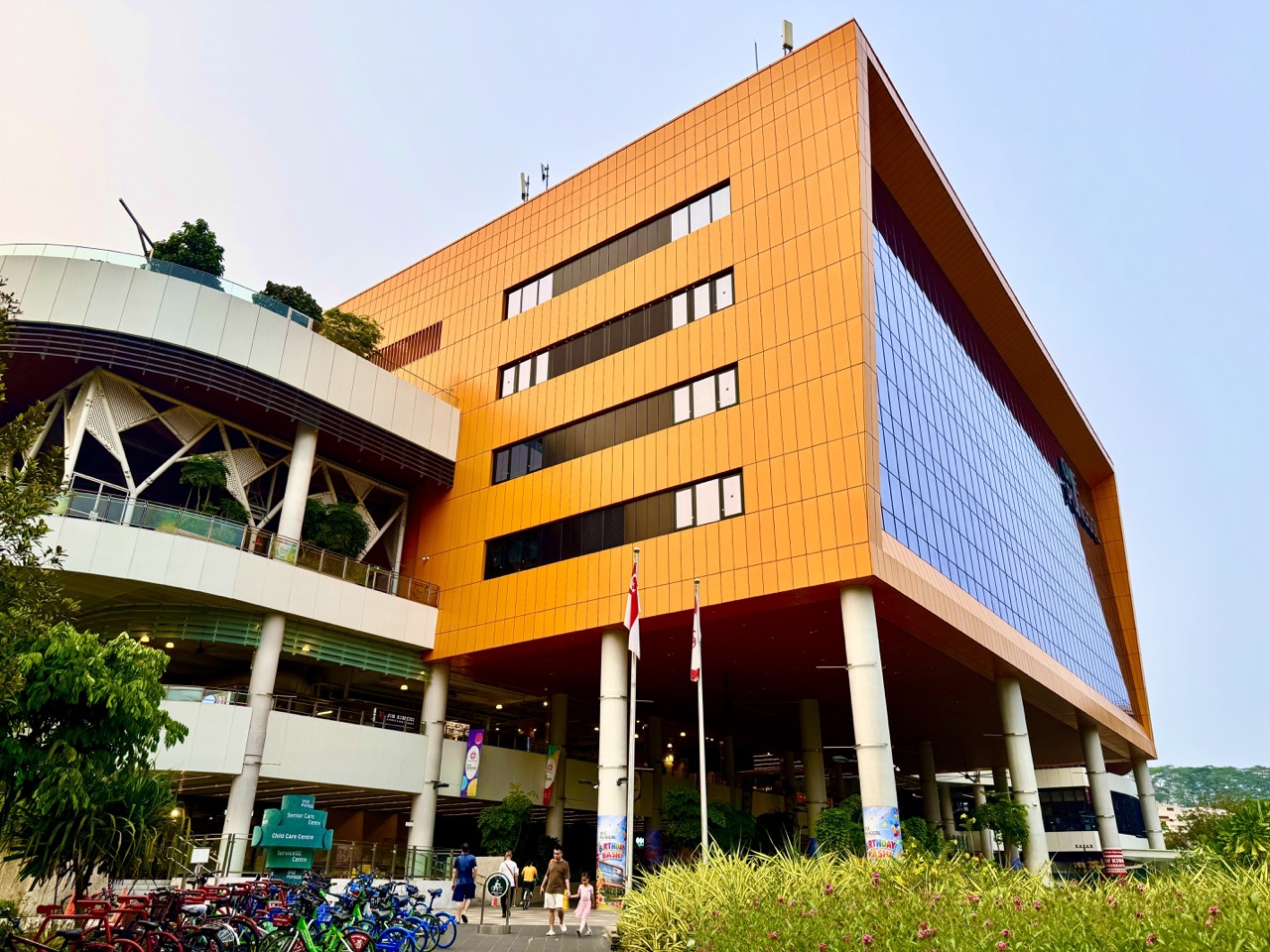
Wheelchair basketball is a verified inclusive-sport opportunity in Punggol, with a much more useful local lead than a speculative booking at the new regional Sport Centre. Singapore’s official Inclusive Sport directory identifies the Wheelchair Basketball Association Singapore (WBA) as the provider and One Punggol, 1 Punggol Drive, Singapore 828629, as the activity location. Its programme-provider listing describes Wednesday sessions from 7–8pm, a general participant age range of 16–70, and opportunities for people without disabilities to participate as unified partners. The association’s published contact is farrhan@wba.org.sg. These are current programme leads, not a guarantee that someone can enter a 2027 class without contacting the organiser.
A first session should teach the sport respectfully: players learn to propel and control a sports wheelchair, stop safely, pass and receive, protect shared space and follow the wheelchair-basketball rules. The International Wheelchair Basketball Federation (IWBF) explains that a player can make two wheelchair pushes between dribbles and that wheelchair basketball does not use ordinary basketball’s double-dribble rule. Five players represent each team on court, with a separate functional classification system governing eligible high-level competition. This guide covers the Punggol participation pathway, practical accessibility, unified play, equipment, sport technique and what a realistic beginner should ask before attending.
- Verified local lead: Wheelchair Basketball Association Singapore (WBA), with One Punggol listed by the official Inclusive Sport directory.
- One Punggol hub: 1 Punggol Drive, Singapore 828629; this is not Punggol Sport Centre at 11 Sentul Crescent.
- Official Inclusive Sport programme-provider entry: Wednesday, 7–8pm at One Punggol, age range 16–70; confirm the actual date, facility room and suitability.
- Separate official listing specifies age 16 and above and welcomes unified partners without disabilities; provider requirements govern admission.
- Contact: farrhan@wba.org.sg or the association’s published social channel @wheelchairbasketballsg for an enquiry, not a presumed reservation.
- WBA’s own homepage advertises broader Wednesday and Saturday training hours; these are not necessarily identical to the one-hour One Punggol taster.
- Do not confuse One Punggol community-hub basketball with an ordinary ActiveSG court hire or assume use of sports wheelchairs is included with a standard court booking.
- Basic international game: five players per side, four ten-minute quarters under IWBF competition rules, subject to specific event rules.
- Wheelchair travel: after two pushes, dribble, pass or shoot as permitted; basketball may be dribbled again after a pause.
- Competitive functional classes run from 1.0 to 4.5 points; standard IWBF team total is at most 14.0 points for five active players.
- Beginners need appropriate sports-wheelchair fitting, safe propulsion and braking, court awareness, passing, receiving and supervised adapted drills.
- Access planning includes entrance, lift, changing or toilet facilities, chair storage, transport, transfer preferences and the participant’s own goals.
- Any actual fees, spare sports chairs, 2027 sessions, enrolment and competition eligibility must be confirmed by WBA directly.
Definition lock and editorial check, 1 November 2026: This guide concerns WBA’s community wheelchair-basketball pathway at One Punggol. It is separate from generic ActiveSG facility hire or ordinary basketball. All session dates, accessibility, participation and equipment are subject to confirmation from WBA.

Why One Punggol is the most concrete local answer
The new Punggol Sport Centre is impressive, but the official Inclusive Sport directory identifies One Punggol, the integrated community hub, as the wheelchair-basketball location. That matters because the activity is run by the Wheelchair Basketball Association, not sold automatically as a booking with an ActiveSG gym pass. Families should start by contacting the named provider rather than looking for a generic basketball court on a different digital platform.
One Punggol is at 1 Punggol Drive and is close to the LRT and MRT network. The actual sports activity may use a designated area within the complex, so arrival instructions still need confirmation. The public building’s operating hours do not mean that the association provides a walk-in sports chair or a coach whenever the hall is open.
What the Wednesday programme listing says
Singapore’s Inclusive Sport programme-provider directory describes wheelchair basketball at One Punggol on Wednesdays from seven to eight in the evening. It identifies an age range of sixteen to seventy and a provider contact. Another directory page states that people with physical disabilities and unified partners without disabilities are welcome to enquire, subject to suitability.
These are meaningful facts for a resident choosing an activity, but they are not a personal registration or permanent 2027 calendar. The organiser may change the hall, time, capacity or age policy. Email WBA first and ask which exact Wednesday is suitable for a new participant and whether equipment is available.
Why WBA’s other training hours are not a contradiction to ignore
WBA’s own public site invites people to join as athletes or volunteers and mentions broader Wednesday and Saturday evening training. SDSC’s older sport page also refers to training at United World College’s Dover campus. These records show that the association operates different types or locations of activity, and that source pages can contain historical arrangements.
The correct next step is to ask about the particular One Punggol community session rather than assume all schedules are interchangeable. Distinguish a short introductory local hour from a longer team practice, and follow the organiser’s current reply. An article should flag that distinction instead of inventing an explanation for each schedule.
The official participation route is an enquiry first
The Inclusive Sport directory names farrhan@wba.org.sg and the association’s social contact route. A short enquiry can state that the person is interested in beginning wheelchair basketball at One Punggol, ask whether a suitable 2027 session is planned, and request current eligibility, equipment and accessibility details. There is no need to disclose private medical information in a public comment.
A provider may ask for information relevant to safe participation, and the participant can decide what is appropriate to share privately. Do not assume that a social-media message automatically places someone on a roster. Wait for clear joining directions, a date, the meeting point and an explanation of any registration or cost.
Wheelchair basketball is a sport, not a rehabilitation demonstration
The game is fast and tactical, involving passing, shooting, screens, rebounds, court positioning and coordinated defence. Athletes develop sporting skills through practice and competition. Although physical activity may have personal benefits, it should not be described as automatic medical treatment or as a substitute for individual rehabilitation advice.
A first-time participant can join because they enjoy team sport and want to learn. They need not be framed as an inspirational story for spectators. An inclusive programme should be evaluated by coaching quality, accessibility, respect and actual playing opportunities, just as other sporting programmes are.
What a sports wheelchair is
Wheelchair basketball uses purpose-built sports chairs with configurations designed for manoeuvrability and court play. They can differ from everyday mobility chairs in frame, wheel position and protection. A player may also need individually appropriate seating and adjustments. The equipment is part of the sport’s technical environment.
Do not assume that an ordinary wheelchair, rented mobility aid or hospital chair is automatically suitable for a game. Ask the association whether a trial participant can use approved loan equipment and who checks the fit. Equipment should be chosen to support the individual safely rather than from appearances.
A wheelchair is part of the player in the rules
IWBF explains that the wheelchair is treated as part of the player for many contact and foul decisions. This means it matters whether a player or chair contacts another competitor illegally. It is not simply an accessory outside the basketball rules. A beginner needs this understanding before attempting defensive pressure.
A qualified coach can show safe spacing and what types of contact are prohibited. It is inappropriate to ram another person’s chair to make a dramatic defensive play. The fact that trained athletes sometimes collide in competition does not make aggressive contact acceptable for a newcomer.
What five players on court means
Wheelchair basketball normally has five players on each side during a standard game, with substitutes able to rotate under competition rules. The familiar basketball ideas of offence, defence and transitions remain, but the chair changes how players turn, accelerate and create passing angles.
A small community taster may use fewer participants and modified drills. That can be entirely appropriate if the provider designs it safely. Do not expect a full ten-player formal game during the first hour. The most useful introduction is one where each person has a meaningful chance to learn the equipment and handle the ball.
Why classification is separate from skill level
IWBF’s classification system assigns points according to functional capacity during basketball movement, including trunk stability and reach. A player may be highly skilled while having a lower classification number, or inexperienced while having a higher number. The class is not a ranking of ability, effort or worth.
Competitive class assignment is carried out by recognised assessors under defined rules. A neighbour, teacher or web article must not infer a person’s class from appearance or diagnosis. For an introductory One Punggol session, ask WBA whether any formal assessment is relevant at that stage.
The meaning of 1.0 through 4.5 points
IWBF recognises classes at half-point increments from 1.0 to 4.5. The classification describes functional movement constraints in basketball tasks. It can be difficult to understand at first because the number is not a measure of the person’s scoring average, wheelchair speed or contribution to a team.
The association can explain classification only if the participant is following a competitive pathway where it matters. A social learner does not need to memorise all the categories to enjoy a safe first pass. Sport education should introduce complexity when it serves the person’s actual goals.
The 14-point team limit
For main IWBF official competitions, the total classification points of the five players on court must not exceed 14.0. This aims to support balanced team composition among eligible athletes with different functional capacities. Some competitions may apply their own variations, so the specific event rules remain important.
A beginner should understand that the classification total is an event regulation, not a reason to exclude or diminish a teammate socially. A coach manages legal lineups during formal games. Community taster sessions may operate under different participation criteria, which must be clarified by the organiser.
Unified partners without disabilities
Singapore’s Inclusive Sport directory explicitly notes that people without disabilities may try wheelchair basketball as unified partners under the listed association programme. This can help teams and communities participate together, but it does not mean all competitive classification categories automatically accept all participants.
An interested unified partner should contact WBA and ask about the correct introduction, equipment, rules and responsibilities. The purpose is to learn and contribute respectfully. Do not attend merely to imitate somebody else’s disability or treat another athlete as an object of a charity experience.
The first safety skill is chair control
A person new to the sports chair may need to learn how it starts, stops and turns before handling a basketball. That is a valuable sporting skill in itself. A rolling chair and an occupied court create the possibility of unintended contact if the participant cannot manage speed or direction.
A coach can choose a safe open area and introduce appropriate propulsion and braking. The learner’s movement preferences, experience and equipment setup will affect how the drill is taught. It is more sensible to progress gradually than to demand full-court sprints before safe stopping is reliable.
Propulsion and hand positioning
Sports-wheelchair propulsion uses controlled contact with the wheels and may vary across athletes and equipment. The instructor can help the learner understand how to move and protect the hands in the particular chair. A technique that is comfortable for one participant may not suit another’s physical characteristics.
Do not provide generic instructions that imply every participant must reach, push or brake in the same manner. Ask the qualified coach for individual guidance and report discomfort. A good session supports effective movement without treating pain as a sign of effort.
How turning changes a passing lane
A wheelchair can pivot or turn to create new angles for passing and defending. This changes the game because a player may need additional space to orient toward a teammate. An inexperienced player can focus only on the ball and forget the path the chair will take.
Start with simple orientation tasks where players identify a receiving target and reposition under instruction. As control improves, the coach may add gentle passing while moving. The important outcome is a safe decision with the chair, not the fastest possible turn.
The two-push travel principle
IWBF’s rules explain that after two pushes of the large wheels, a player carrying the ball must dribble, pass or shoot according to the play situation. The rule is distinct from running with a ball in ordinary basketball, but it serves a similar purpose: preventing unlimited unchallenged travel.
A coach can demonstrate the sequence and let a beginner practise it slowly. There is no need to count loudly at someone who is still becoming comfortable with the chair. The goal is to coordinate propulsion with ball control in a way the athlete can repeat.
Why wheelchair basketball has no ordinary double dribble
IWBF states that players can stop dribbling and begin again without committing the standard double-dribble violation found in running basketball. This is a major rule difference that often surprises spectators. The two-push requirement still shapes how a ball carrier moves.
An introductory lesson can compare the rules using a controlled example. The student learns that different sports adapt regulations to their playing environment. The right expectation is not ‘wheelchair basketball is easier’ but that it has its own precise skills and challenges.
Passing before shooting
A new player might want to take a shot immediately, but passing is often the quickest way to understand the team. A useful pass reaches a teammate who is facing the ball and can make a controlled next decision. A hard unexpected pass can create avoidable risk, especially while someone is learning chair movement.
Begin with appropriate partner drills and manageable distance. The receiving player may need time to position their chair and prepare their hands. A good pass is one the teammate can actually use, not simply one that travels far.
Receiving a ball while seated
Ball reception involves attention to the pass, body and trunk support, the chair’s orientation and any equipment arrangement. Players may use different techniques depending on functional abilities. A coach should not assume the same receiving posture will work equally for everyone.
A sensible beginner activity gives the player a clear target and an appropriately gentle pass. The learner can practise securing it and deciding what comes next. Successful control and confidence are more important at first than completing a complex tactical move.
The court is a shared movement environment
A basketball court can become crowded when multiple chairs are moving in different directions. Players need to anticipate trajectories and give appropriate space. The risk of wheel-to-wheel contact should be discussed openly without making anyone fearful or embarrassed about participating.
Use a clear stop signal and a supervised plan. A newcomer who does not feel able to turn or stop safely may need a quieter exercise before joining a small-sided game. The organiser must adjust the task rather than allow confusion to become a collision.
What defence looks like without ramming
Defenders can position chairs to influence movement and intercept passes, but legal contact rules must be respected. An inexperienced athlete should not interpret physical play in an elite match as permission to hit another player’s wheels or body aggressively.
Coaches can teach space, timing and awareness through slow defensive scenarios. If repeated unsafe contact occurs, reduce intensity and revisit the rules. The achievement of a defender can be a well-chosen position, not a violent collision.
Understanding the shot clock
Competitive wheelchair basketball uses a shot clock in ordinary team play, with a 24-second possession structure under IWBF rules. This shapes attacks by encouraging teams to create a shot rather than hold the ball indefinitely. The specific timekeeping and reset details depend on the current rules and referee decisions.
A community practice may use simplified timing to teach the idea without adding pressure to a novice. The athlete should first understand how to pass, orient and aim. Timing becomes meaningful once basic control is established.
A first controlled shot
Wheelchair basketball uses a standard raised basket in organised competition, which can initially make shooting feel very challenging. A player may need to coordinate chair stability, the basketball’s weight and a comfortable release. Different functional capacities can require different technical approaches.
An instructor can choose a suitable distance, ball and progressions rather than demand long-range shots. The player should focus on repeatable control and appropriate effort. Do not treat missed shots as a measure of character or commitment.
Why rebounds require planning
After a missed shot, players may move into positions where they can receive the rebound. The chair’s path and other players’ space matter. A newcomer rushing blindly beneath the basket may create an unsafe collision without improving the team’s chances.
A controlled rebounding drill can begin with a coach identifying safe positions and predictable passes. The learner gradually understands why some spaces are useful. Team play becomes easier when athletes observe the entire court rather than only the ball.
An illustrative one-hour beginner practice
A suitable introductory hour might contain arrival and equipment fitting, orientation to chair controls, gentle movement and braking, controlled partner passing, a simple shooting task and a short review. A real WBA coach may choose a different sequence depending on participants’ experience, comfort and access needs.
This is not an advertised Wednesday class syllabus and should not be substituted for the provider’s safety plan. The lesson’s success may be that a person has gained confident control of the chair and enjoyed meeting the group. No competitive match is required for that result.
A four-session progression
One hypothetical pathway begins with safe propulsion, develops passing and receiving, connects chair orientation with a teammate, and then introduces a small supervised game. The coach should revisit any foundation that is not yet reliable. Different athletes may progress in different ways.
An introductory community experience need not become a competition squad after four visits. The person can decide whether they enjoy regular recreation, want to volunteer or wish to pursue formal training. Those are different worthwhile outcomes.
Accessible arrival at One Punggol
One Punggol is an integrated public hub with facilities such as lifts and accessible amenities listed on official PA pages. That makes the building a useful starting point, but individual access still depends on the exact activity room, route, changing arrangements and transport. A wheelchair-user’s needs cannot be inferred from a generic website icon.
Ask WBA for the correct entrance, parking or drop-off arrangements if needed, and where the athlete should report. Confirm whether a companion is welcome and which areas allow equipment storage. The participant should determine what support they want rather than having strangers decide for them.
Sports chair transfers and personal autonomy
Some athletes may transfer between an everyday chair and a sports chair; others may require or prefer a different arrangement. Those choices can involve safety, equipment fit and personal boundaries. An organiser must not assume that every participant can transfer independently or wants assistance.
Ask privately what the athlete needs and follow qualified staff guidance. Never lift, grab or reposition a person or their mobility device without permission. A respectful training environment lets participants retain control of their own sporting experience.
What a unified partner should ask
A person without a disability who wants to join should ask WBA how unified sessions are structured, which equipment is used and what training expectations apply. The role may involve learning the same sport skills and respecting the leadership of experienced athletes.
Do not volunteer for a physically demanding game assuming that wheelchairs will make it easy. Propulsion, turning and ball control are real athletic skills. A constructive partner is someone who listens, learns and contributes without making assumptions about other players.
Age ranges are administrative, not a medical guarantee
The Inclusive Sport provider directory gives an age range of sixteen to seventy, while another page emphasises sixteen and above. These descriptions help route enquiries, but age alone neither establishes sport classification nor guarantees individual suitability. The actual organiser will clarify which programmes are open and how participation is assessed.
If a younger teenager is interested, ask about a suitable youth pathway rather than treating the general age band as flexible without permission. Similarly, an older interested adult should enquire about available options. Good information acknowledges eligibility boundaries while encouraging respectful dialogue.
Costs and loan equipment
An association may have different arrangements for introductory community sessions, ordinary training and competitive team participation. A public webpage may not show a single universal fee. It would be misleading to claim that the One Punggol hour is free or that all sports chairs are provided unless the organiser confirms those details.
Ask about equipment loans, registration, transport and any membership or insurance conditions. Calculate the whole outing rather than comparing it with an unrelated ActiveSG basketball court hire. The products offer different services.
How the IWBF rules differ from general basketball
Many principles transfer from running basketball, including passes, scores, teamwork and violations. Yet the wheelchair’s relationship to the body and the travel rules differ, and classification matters in sanctioned competition. A reader should not rely on ordinary basketball rules when judging an incident.
IWBF publishes current rules and explanatory learning material. A community coach can introduce the relevant parts gradually. New participants do not need to become referees before enjoying a practice, but they should understand that the game has a legitimate independent rule framework.
School and community participation
Students may encounter wheelchair basketball through inclusive sport demonstrations or school programmes. Such events can create interest, but a one-off awareness workshop is different from an association training pathway. A school invitation does not automatically place a student in the Wednesday community session.
Families and teachers should contact the association about genuine ongoing options, supervision and participant consent. The athlete’s own interest should guide the decision. Participation is most meaningful when the person has a choice and a safe route to continue.
Volunteering without assuming an athlete needs help
WBA’s website invites volunteers and supporters. Those roles can include legitimate event logistics or operational tasks, but an untrained visitor should not interfere with equipment fitting, athlete movement or coaching. Support needs should be established by the organiser and participant.
Ask what a volunteer is authorised and trained to do. Helping a group run smoothly can be valuable without turning the athletes into an inspirational display. Respectful sport volunteering keeps personal autonomy central.
What a competition pathway may involve
An athlete interested in formal wheelchair-basketball competition may need coaching, classification, team selection, suitable equipment and regular practice. The association can explain local opportunities and progression. There is no automatic step from a first Punggol session to an international event.
Let the athlete set realistic goals and ask the coach what skills need development. A recreational habit is also a successful outcome. Sport should offer different choices rather than a single compulsory performance pathway.
A fictional Punggol participant’s first enquiry
Imagine an adult Punggol resident who enjoys basketball and is interested in using a sports wheelchair. They find the One Punggol listing and contact WBA rather than turning up with an expectation of a spare chair. They ask about the current Wednesday session, suitability and the exact hall.
At an approved introduction, the person practises controlling the sports chair, makes a gentle pass and learns the basic two-push rule. The session feels successful because it is well organised and the participant can decide whether to return. The example shows a realistic pathway rather than a promised outcome.
A fictional unified partner
A colleague without a disability asks WBA whether the inclusive programme is accepting unified partners. The association confirms the actual process and explains equipment and conduct. The colleague attends to learn, not to stage a motivational photograph. The first drill is difficult because turning while receiving a pass requires attention.
After practice, the player thanks teammates and asks how to contribute constructively next time. This is what respectful inclusion looks like: shared sporting challenges and a chance to build real skill. It does not require an outsider to describe another person’s life.
How to notice progress after six sessions
Progress might appear as more controlled stops, clearer passing angles, improved chair orientation, appropriate knowledge of the push count and better teamwork. The coach and athlete should choose goals that are meaningful to the individual. A single scoreboard statistic cannot capture all the work.
A short private reflection may record one reliable skill and one question for the next class. Avoid public comparisons or intrusive discussion of medical circumstances. Feedback is useful when it helps the person make their next sporting decision.
Photographs and consent
Wheelchair basketball athletes are participants in a sport, not automatic subjects for disability-awareness content. Ask permission before taking or publishing identifiable photographs, and follow the event’s media policies. Consent matters even when an organiser welcomes spectators.
Use approved images or a clearly labelled venue photograph when no sport-specific picture has been authorised. Protecting privacy should be straightforward. Good reporting shows the activity’s rules, access and value without exploiting its participants.
Frequently asked questions about wheelchair basketball
Is there a local One Punggol programme? Singapore’s official Inclusive Sport directory lists WBA wheelchair basketball at One Punggol, with Wednesday 7–8pm as a programme lead. Can someone without a disability participate? The directory says unified partners are welcome to enquire. Where is the venue? One Punggol, 1 Punggol Drive, not the Sport Centre at 11 Sentul Crescent. Do you need to reserve a place? Contact WBA and obtain its current instructions.
What is the international team size? Five on court. Why are there classification points? To support balanced competitive lineups, not rank personal worth. What is the two-push rule? After two chair pushes, take a permitted ball action. Is an ordinary gym booking enough? No. Are 2027 sessions guaranteed? No; confirm the present timetable, eligibility, equipment and cost with the association.
Official sources and related Punggol guides
- Inclusive Sport — official programme providers, WBA Wednesday at One Punggol
- Inclusive Sport — physical disability sporting opportunities and unified partners
- Wheelchair Basketball Association Singapore — club, athletes and volunteering
- One Punggol — People’s Association hub address and amenities
- One Punggol — PA accessibility and activity spaces
- IWBF — international wheelchair basketball rules and two-push principle
- IWBF — official functional classification and fourteen-point limit
- SDSC — wheelchair basketball association training contacts
- eduKatePunggol — earlier inclusive basketball beginners overview
- eduKatePunggol — ordinary basketball drills as distinct from the para sport
Your Next Step
Contact farrhan@wba.org.sg about a current One Punggol introductory session. Ask the association about the exact venue room, eligible participation, sports-chair access, supervision, fees and transport. Respect each athlete’s choices and the qualified coach’s rules. This independent guide is not a booking confirmation.


