
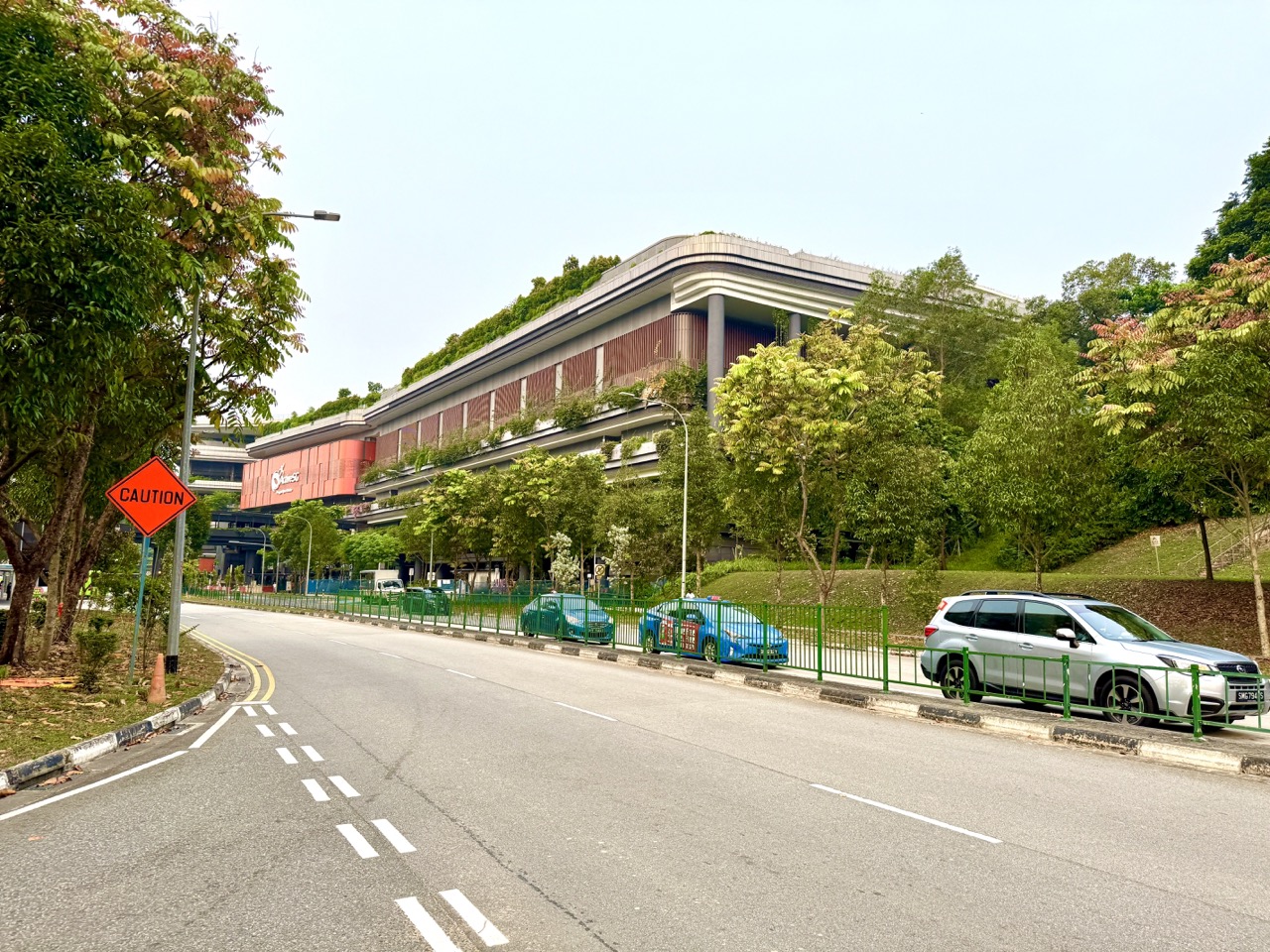
Boccia is a precision para sport that Punggol residents can investigate for 2027 through Sport Singapore’s inclusive-sport events and the Singapore Disability Sports Council (SDSC), but a regular Punggol Sport Centre boccia session has not been confirmed. Singapore’s official Inclusive Sport directory identifies ActiveSG Pasir Ris Sport Centre Sport Hall Courts 1 and 2 as a Boccia Para Sports Community Hub, with SDSC training enquiries directed to community@sdsc.org.sg; participants must contact the organiser to confirm actual dates. Separately, the Pesta Sukan 2026 boccia competition took place at ActiveSG Pasir Ris Sport Centre’s Sport Hall, 17–19 July 2026. Separately, SDSC lists specialised boccia training at OCBC Arena Hall 5, 5 Stadium Drive, and asks prospective participants to make an enquiry about suitability. These are real reference points, not promises that the same venues and times apply to an unannounced 2027 programme.
Boccia asks players to position red or blue leather-like balls close to a white target called the jack. At elite level it provides classified competitive opportunities for athletes with significant physical impairments, and some formats use ramps and assistants so an athlete can control their own tactical decisions. The most useful family plan is to understand the activity, identify the right community or classified pathway, check accessibility and supervision, and contact the actual organiser before enrolment. This article covers BC1 through BC4, fair play, ball placement, four-end matches, ramps, family support, booking distinctions and what Punggol residents can realistically do next.
- 2026 confirmed event, not a 2027 booking: Pesta Sukan Boccia, ActiveSG Pasir Ris Sport Centre – Sport Hall, 17–19 July 2026.
- Official inclusive-sport hub: ActiveSG Pasir Ris Sport Centre Sport Hall Courts 1 and 2, with SDSC boccia training enquiries at community@sdsc.org.sg; days and times must be confirmed.
- SDSC training contact lists OCBC Arena Hall 5, 5 Stadium Drive, Singapore 397631, with class-specific sessions; verify changes directly.
- No public regular boccia class or dedicated boccia court at Punggol Sport Centre has been established in this guide.
- Official sport category: para-sport boccia; a general community event is distinct from internationally classified competition.
- Playing equipment: six red balls, six blue balls and one white jack, with approved individual balls and aids where applicable.
- Individual and pairs matches commonly have four ends; standard team matches have six ends, subject to the event’s current rules.
- Classifications: BC1, BC2, BC3 and BC4; eligibility and assignment belong to qualified classification processes.
- BC3 athletes may use approved ramps and pointers; a sport assistant supports execution under the athlete’s directions and rules.
- Never infer a person’s ability, diagnosis or classification from a wheelchair, assistive device or photograph.
- Access planning: appropriate transport, doors and lifts, accessible toilets, playing boxes, rest space and communication preferences.
- Check 2027 event notices, fees, medical documentation requirements where relevant, equipment checks and current rules before registering.
Definition lock (checked 1 November 2026): Boccia is an internationally classified precision para sport, with separate community participation opportunities. The venues and dates described above refer to verified 2026 events and SDSC training enquiries, not a confirmed 2027 Punggol class.

Pasir Ris is also a designated Para Sports Community Hub
Singapore’s official Inclusive Sport facilities directory names ActiveSG Pasir Ris Sport Centre as the boccia hub in the east. It lists SDSC training at Pasir Ris Sports Hall Courts 1 and 2 on Level 2, with the organiser’s contact at community@sdsc.org.sg. This is more useful than treating Pasir Ris solely as the location of a completed Pesta Sukan tournament: a Punggol resident can enquire about an actual community participation pathway. The directory does not provide a fixed open-registration timetable, so email SDSC for the current course, whether the participant meets the intended entry group, equipment needs and access arrangements. Do not infer that the hall can be used for casual boccia without a confirmed programme.
The same government directory describes access features at Pasir Ris, including the sports hall on Level 2 and lift arrangements in the centre. An individual should verify the specific route and facilities that matter to them before arriving. SDSC’s own boccia sport page also lists specialist training at OCBC Arena, so one official source does not exclude the other; location and type of training depend on what the programme is actually offering. A current organiser’s reply is the final confirmation for 2027.
Why boccia belongs in a Punggol activity series
A sports guide should show residents that worthwhile activity extends beyond badminton and gym workouts. Boccia is one example of a sport built around precision, tactics and opportunities for people with significant physical disabilities to compete. It can also introduce broader communities to inclusive recreation when a suitable organiser provides appropriate equipment and supervision. However, describing a sport does not automatically create a venue for it in the new Punggol building.
The useful local approach is to give readers a verified next step. Pasir Ris hosted a recent ActiveSG event, while SDSC lists ongoing specialist training at an identified venue. A Punggol household can enquire about a pathway and the journey required instead of assuming that a labelled regional sports centre must run every para sport.
The 2026 Pesta Sukan event: what was actually confirmed
SportSG’s competition regulations name Pasir Ris Sport Centre Sport Hall for Pesta Sukan boccia on 17, 18 and 19 July 2026. They also describe BC1, BC2, BC3, BC4 and community categories, including senior community divisions. This demonstrates that SportSG has supported different participation streams in a named public sports facility.
It does not establish a permanent daily boccia programme at Pasir Ris or a confirmed 2027 competition. Before recommending an event to a family, check the relevant year’s registration page, the organiser’s exact classification or community conditions and the venue. Old fixtures are evidence of activity, not a booking calendar for the future.
The SDSC enquiry route is distinct from an event ticket
The Singapore Disability Sports Council provides information about training and disability-sport pathways, including boccia. Its sport page gives a training location at OCBC Arena Hall 5 and a named enquiry contact. It also suggests supplying a doctor’s memo to help coaches understand relevant circumstances and assess suitability. This is a professional training-enquiry route, not a claim that any person may arrive and join without arrangement.
A prospective athlete or caregiver should contact SDSC first, ask which entry opportunities are current and explain any access or communication needs the athlete chooses to share. Avoid treating a public webpage’s listed training hours as guaranteed admission. Eligibility and individual training adjustments are decisions for the relevant coach, organiser and classification system.
What boccia is, in simple language
Boccia uses a white target ball called the jack and two competing colours of balls, red and blue. Each side tries to send its balls closer to the jack than the other side’s balls. The final positions matter more than the power of delivery. A successful play might be a controlled gentle roll that leaves one ball just inside an opponent’s position.
The sport belongs to the wider family of precision target sports but has its own court, equipment, competition rules and classification procedures. It is not the same as pétanque, which uses metal boules, or lawn bowls, which uses biased rolling bowls. Those differences matter when choosing a class and preparing equipment.
Why the equipment is designed for precision
Boccia balls are made to be controllable for the sport’s range of athletes and permitted delivery methods. Official competitions inspect balls for size, mass and condition under the governing rules. The 2026 Singapore event regulations specifically describe a set of six red, six blue and one white jack, with technical equipment checks before play.
That technical detail is useful for understanding why a random collection of soft toys or household balls is not equivalent to competitive equipment. An introductory session should use suitable balls supplied or approved by a qualified organiser. Participants should not feel pressured to purchase competition-quality sets before discovering which activity pathway actually fits.
The jack is the tactical centre
The white jack creates the target for each end. Its position determines which delivery line and placement choice may be useful. If the jack lies near a group of balls, a simple roll might be blocked; if it lies in open space, controlled distance may matter more than an aggressive contact shot. Players read the arrangement and select an intended result.
Beginners can learn that purpose in a supervised demonstration: observe the jack, identify a clear path and choose an appropriate delivery. A coach can adjust the task to the athlete’s movement or assistive setup. The objective is not to produce an impressive throw, but to make an informed choice and see what actually happened.
Red and blue sides
Competing sides use red and blue balls. The exact order of play is governed by which side holds the point, the referee’s indication and the relevant competition rules. New spectators may assume that colours simply alternate every throw. In boccia, the sequence requires more attention to the current arrangement.
An instructor can demonstrate how the referee identifies whose turn it is and how players communicate readiness. This helps participants understand the pacing without memorising an entire rulebook. A calm, predictable format is particularly helpful when people have different movement or communication preferences.
How an end works
An end is a period of play in which the jack and competing coloured balls are delivered and the result is scored. The number of ends depends on the match format. The 2026 Pesta Sukan individual regulation described four ends, with each athlete controlling the jack for two of them; team formats can be longer under the governing rules.
For a first visit, a beginner may work through a partial instructional end rather than a full competitive fixture. That is not an inferior experience. It allows the coach to explain why the next action belongs to a particular side and what the score would be if the end finished at that moment.
Scoring nearest to the jack
At the end of play, the side with the nearest valid ball to the white jack earns a point for each of its balls closer than the opposing side’s nearest. Close decisions may require official measuring. This means a side can earn several points in an end rather than automatically one point for participation.
A good teaching exercise places a few balls at visible distances and asks which colour is closest. Then move the second-closest and discuss how the score changes. This teaches observation and fair measurement before athletes take on a full match. The score should follow the positions and official procedure, not a spectator’s guess.
Why small distance changes matter
A boule-like ball can stop just a few centimetres from the jack, which transforms an apparently ordinary delivery into a valuable point. It is tempting to judge success by how fast the ball travels, but speed alone is rarely the goal. An athlete needs to manage direction, stopping distance and the current arrangement.
An introductory coach may set targets at different manageable distances and observe the athlete’s preferred delivery. The learner then chooses one adjustment at a time. A small reliable improvement in distance control is more meaningful than an occasional lucky result created without a repeatable decision.
What a pointing-style delivery does
The word pointing is more common in pétanque, but the underlying boccia idea is familiar: place one’s ball nearer to the target without necessarily displacing another. Players may roll, throw or use an authorised assistive method according to their class and event rules. Different athletes have different reliable ways to achieve the same tactical outcome.
Do not prescribe one body movement as universally correct. A coach can adapt instruction to the athlete’s ability, equipment and preferred method. The goal is to allow the participant to make the tactical choice and execute it consistently under the conditions of the activity.
Why contact shots change a match
A ball can also be used to move another ball or the jack, changing who holds the point. That makes boccia more than an accuracy test. A tactical athlete may decide that displacing an opponent’s ball is more useful than adding another gentle delivery near the target.
Beginners can begin by watching a coach demonstrate the effect, then discuss when such an action would be appropriate. Avoid turning the first session into a force contest. A thoughtful shot should be chosen because it changes the position favourably, not because the athlete feels compelled to throw harder.
BC1: understanding the competitive category
BC1 is an international boccia classification for athletes with specific significant motor impairments and activity limitations, assessed by the recognised classification system. SportSG’s introduction describes BC1 athletes as having substantial limitations involving the trunk and limbs while delivering the ball themselves, with provisions for eligible support under the rules.
An outsider cannot assign BC1 from observing someone’s movement, wheelchair or diagnosis. A prospective competitor needs to consult the organiser about classification requirements. For learning, the relevant question is what delivery and communication arrangement the athlete prefers, not which label a family member thinks applies.
BC2: same sport, different eligibility criteria
BC2 is another classification of athletes who deliver balls without the BC3 ramp system, with different qualifying functional characteristics from BC1. Competitive eligibility has precise rules and assessment procedures. It is not simply a designation for anyone who seems slightly stronger than a BC1 participant.
Parents should avoid comparing athletes by category as though one is inherently better or more deserving. All classifications support fair competition within defined criteria. A coach can explain the route toward assessment if the athlete has competitive ambitions. Community participation may have a different entry process and need not begin with a formal class label.
BC3 and the role of ramps
BC3 is especially notable because approved ramps and pointers can allow athletes with very limited functional movement to direct the path of a ball. This illustrates that sporting agency is not limited to throwing with a hand. The athlete can choose the line, intended contact and tactical objective while using permitted equipment and support.
An assistant may help position the apparatus under the athlete’s instructions, subject to strict competition rules. The athlete should remain the decision-maker. A newcomer should never conclude that an assistant controls the match on the athlete’s behalf. This distinction is central to the sport’s integrity and inclusive design.
BC4 and functional eligibility
BC4 includes athletes with eligible severe physical impairments that are not classed under the cerebral-palsy-associated categories. The rules consider functional limitations, not simply a familiar medical label. Eligibility can be nuanced, which is why a trained classifier rather than a general-interest article determines a competitive class.
For a family considering entry, the useful next step is to ask SDSC or the appropriate event organiser how classification works. It is reasonable to enquire without knowing the answer in advance. Avoid making assumptions based on public photographs or another athlete’s experience.
Community categories and eligibility
The 2026 Pesta Sukan programme also offered community and community-senior divisions alongside classification-based events. That is an important distinction: some organised events provide participation categories with their own rules that are not identical to Paralympic classification. A general community entrant must still follow the specific event’s eligibility and registration conditions.
This opens useful questions for Punggol residents who are curious about the sport but do not know whether a competition is appropriate. Ask what community programmes are currently offered, whether coaching is available and how the organiser manages different abilities. Do not assume that a past community event creates an unrestricted permanent open session.
What a ramp does physically
A ramp provides an adjustable route that lets a ball roll onto the playing surface with chosen direction and release characteristics. Small changes in orientation and elevation can alter where the ball finishes. For a BC3 athlete, setting those parameters is part of executing their sporting decision, even if an assistant physically moves the ramp according to instructions.
An appropriate coach can teach how those choices affect the outcome. It would be misleading to treat the ramp as equipment that plays the sport automatically. The athlete’s skill lies in observation, judgment and communicating an intended setup. Good coaching respects that intellectual and tactical work.
Pointers and individual controls
Some athletes use approved pointers or related adaptations to release a ball from a ramp. The correct device depends on the athlete, sport class and event equipment rules. The 2026 Pesta Sukan regulations describe equipment inspection and approval for assistive devices, which underlines that adaptations are part of the regulated sport, not informal shortcuts.
Do not design or modify a competition device without the coach and appropriate approval. During a recreational introduction, discuss what equipment the organiser can provide and what adjustments are safe. Accessibility works best when the participant, knowledgeable staff and actual rules guide the setup.
The sport assistant and athlete autonomy
A sport assistant can perform necessary physical tasks under the rules, but their role differs by classification and event. In BC3 competition, assistance is tightly regulated so that tactical choices remain with the athlete. A supporter who constantly gives unsolicited advice can interfere with a player’s decision-making or breach communication rules.
Families can help by asking what the athlete wants and respecting the agreed support system. The aim is not to make every action faster through outside intervention. It is to ensure the athlete has the opportunity to participate as the responsible competitor.
Why the court must be prepared carefully
Boccia uses an indoor hard-surface court with designated playing boxes, boundary lines and an appropriate route for wheelchairs and authorised equipment. A vague open hall is not the same as a properly prepared competition court. Lines, access clearance, surface condition and the space around players affect safe and fair play.
A programme organiser should confirm the actual layout and access arrangement before participants arrive. Caregivers should not be left to improvise narrow routes, obstructed doors or unsuitable transfer areas. A venue’s accessibility needs to be understood at the level of the specific activity, not by relying only on a building’s general brochure.
Transport is part of participation
A Punggol resident may travel to Pasir Ris for an event or to OCBC Arena for training. The correct transport arrangement depends on individual mobility, equipment size, arrival conditions and whether a participant needs assistance. A route that works for someone carrying one sports bag may not work for a large approved ramp or wheelchair.
Before registering, ask about accessible parking or drop-off locations, entry routes, lifts and where equipment can be unloaded. Avoid assuming a short walking distance from a station means a journey is suitable for every participant. The trip must work for the person, not only for an online map.
Changing rooms, toilets and waiting space
Sport access extends beyond the court. Participants may need accessible toilets, a private changing area, adequate space for support equipment or a place to rest between sessions. A facility may be architecturally accessible but still have practical restrictions during a crowded tournament.
Enquire with the operator about the specific day’s arrangements, especially if a participant uses a wheelchair or large ramp. Do not share someone’s personal needs more widely than necessary. Good event planning combines safety with privacy and dignity.
Communication methods should follow the athlete
Not everyone wants spoken instructions delivered in the same way. Some athletes communicate verbally; others prefer agreed signals, devices or support methods. A coach should establish what works for that individual, subject to competition communication rules. Family members can assist by explaining preferences when invited, not by speaking over the athlete.
At a first session, give time for the participant to understand the task and express a decision. A slower conversation is not less meaningful. Precise communication is central to a sport where a small change of angle can determine the point.
Equipment checks are part of competition
SportSG’s Pesta Sukan regulations required ball and equipment checks before competition, including inspection of the boccia balls and authorised ramps or pointers. These procedures ensure competitors use compliant equipment. A family choosing competitive sport needs to understand that owning a ball set is not enough; the actual event can reject noncompliant equipment.
Ask the organiser what must be brought, what is supplied and when inspections take place. It is better to discover a requirement in advance than on the morning of a tournament. For a beginner community session, use the provider’s appropriate equipment instead of spending on a full personal kit too early.
When to introduce scorekeeping
A first participant can learn the meaning of the jack and ball placement without immediately mastering every penalty or tie-break procedure. A simple supervised scoring demonstration is enough to explain why proximity matters. More detailed officiating can follow when the athlete wants to play competitive matches.
A coach can position a few red and blue balls and ask who holds the point, then introduce measuring. This makes the rules concrete. Avoid overwhelming the beginner with administrative complexity before they have enjoyed controlling a ball.
Practising one decision at a time
A good introductory activity gives the athlete an observable decision: choose a route toward the jack, or aim to move a particular ball. The coach then helps the athlete observe what happened and decide whether to repeat or adjust. This reinforces personal control, which is central to sporting learning.
A session that piles on several corrections and instructions can reduce confidence. One precise question—’Where do you want this ball to finish?’—is more useful than a long lecture. The athlete should understand the objective before being asked to execute it.
A practical introductory session structure
An illustrative ninety-minute group introduction may include arrival and equipment orientation, learning the court and rules, a controlled placement exercise, a guided scoring demonstration, and a short modified game or reflection. The actual instructor should adjust timing for access, fatigue, communication and participant choice. This is not an official SDSC timetable.
Do not assume every athlete can comfortably follow a generic fixed schedule. Rest breaks and transitions need to be built around the group. A slower session with clear learning may be more valuable than a rushed attempt to imitate a full tournament.
How a four-visit learning pathway can work
Visit one might focus on identifying the jack and choosing an intended target. Visit two could consolidate consistent release or ramp setup. Visit three might introduce a simple decision about placing or moving another ball. Visit four can connect the skills in a guided end and discuss whether the athlete wants further instruction.
This is an educational example, not a promise of classification or competition readiness. Athletes develop at different speeds and may use different equipment. The coach and participant should choose the next step together. Progress is reliable control and understanding, not a calendar milestone.
Parents supporting a child in boccia
A parent can help with logistics, arranging appropriate contact, understanding safeguarding conditions and encouraging a positive first experience. That support does not require taking tactical decisions away from the child. Ask what the child wants to attempt, listen to the instructor and celebrate the opportunity to participate rather than comparing outcomes with other athletes.
Do not assume a young player should be pushed toward Paralympic ambition after a first session. Some enjoy community play, others develop serious competitive goals, and those preferences may change. A suitable pathway respects the participant’s own interest and the staff’s professional assessment.
Older adults and community boccia
The inclusion of community-senior divisions in the 2026 event shows that the sport may offer participation formats beyond internationally classified competition. However, a retired person’s age alone does not automatically make them eligible for every class or event. A real organiser should explain the category and equipment conditions.
If a Punggol family wants an inclusive intergenerational outing, ask whether a suitable community taster is available and who will supervise. The activity can be enjoyable without making medical claims or promising competitive progression. Suitability needs to be established through the actual programme.
Boccia versus lawn bowls
Both sports ask participants to finish a ball near a jack, but lawn bowls uses engineered biased bowls on a specialist green, while boccia uses coloured precision balls on a marked court, with classifications and authorised adapted delivery methods in competition. Their equipment and venue requirements are different.
A household that has seen both in Singapore should choose by the participant’s needs and interest, not by assuming one booking grants access to the other. In particular, a bowling green is not an appropriate substitute for a boccia tournament court. Correct names help readers contact the right provider.
Boccia versus pétanque and gateball
Pétanque involves metal boules delivered toward a small jack, generally from a circle; gateball uses numbered balls struck with mallets through three gates; boccia uses soft precision balls and a different regulated court and competition system. The games share strategic thought but are not interchangeable.
An activity guide should preserve these distinctions rather than group them under a vague ‘throwing sport’ heading. A beginner who chooses the right equipment and supervision is more likely to have a positive first experience. The differences are especially important for accessibility and public-space safety.
Do not stage a match in an unsuitable community room
It may appear easy to place coloured balls on a floor and call the activity boccia. Yet a proper session involves safe spacing, equipment, access and the rules of the relevant programme. A cramped corridor, busy common area or path may not allow those elements. Without permission, even a gentle-looking activity can interfere with other people.
Community organisations seeking a taster should engage suitable coaching and obtain the venue operator’s approval. A knowledgeable organiser can determine what modified exercise is appropriate and how to set it up safely. Good inclusion depends on preparation rather than assumptions.
Volunteers can help without controlling the athlete
A well-run event may involve volunteers who assist with registration, directions, equipment logistics and spectator needs. Their role is to support the event’s operations while preserving participants’ autonomy. Competition-specific assistant roles should not be undertaken casually by an untrained volunteer.
Someone interested in volunteering can ask SDSC or an event organiser about training and permitted responsibilities. Do not give on-court tactical instructions or handle an athlete’s equipment without the relevant permission. Respectful assistance is a practical form of community inclusion.
What the 2027 timetable cannot currently promise
The fact that Pesta Sukan offered boccia in 2026 does not guarantee the same categories, dates or venue in 2027. SDSC’s published training enquiries do not guarantee an immediate class place either. Punggol Sport Centre’s phased launch does not independently verify a local boccia programme.
When planning a date, use current organisers’ announcements, registration terms and contact channels. This is especially important when accessibility arrangements require advance notice. An honest guide says exactly which facts were known and which decisions must still be made.
A fictional Punggol athlete’s first enquiry
Consider a fictional Punggol student who is curious about boccia after watching a competition. The family visits SDSC’s official information, asks what pathway would be suitable, and seeks advice about eligibility, access and equipment. They do not assign the student a BC class from a photograph or an online description.
If a suitable supervised introduction is offered, the student learns the jack, ball colours and one deliberate target decision. The family notes whether the format feels rewarding and whether travel is practical. A positive first step is valuable even if a competitive classification is not yet relevant.
A fictional community organiser’s taster proposal
Imagine a community group interested in introducing boccia to a range of residents. Instead of announcing that the new Punggol Sport Centre already hosts boccia, the organiser contacts a qualified provider and asks about appropriate facilities, coaching, loan equipment and access needs.
The proposed session includes a clear safety plan, time for orientation and a demonstration of scoring. Participants choose their level of involvement and receive respectful support. The event proceeds only if the provider and venue approve the arrangement. That is how a genuine local opportunity might be developed without publishing unsupported promises.
What progress means in an inclusive precision sport
Progress may appear in more consistent ball placement, clearer tactical choices, better understanding of the turn sequence or greater confidence directing support equipment. These achievements can look different for different athletes. They are meaningful because the participant has gained control and knowledge.
Avoid using a single numerical benchmark for everyone. A coach may assess performance according to the athlete’s current goals, equipment and class. The best feedback tells the participant what improved and what their next deliberate decision might be.
Frequently asked questions about boccia for Punggol
Is boccia operating at Punggol Sport Centre? This guide has not verified a regular local programme. Where did Pesta Sukan 2026 boccia occur? ActiveSG Pasir Ris Sport Centre’s Sport Hall, 17–19 July 2026. Where does SDSC list training enquiries? OCBC Arena Hall 5, subject to confirmation. What do BC1–BC4 mean? Competitive sport classes determined through eligible classification.
Who uses a ramp? Certain BC3 athletes use approved ramps and pointers under competition rules. How do you score? The closest side scores for its balls nearer than the opponent’s nearest. Do I need a doctor’s memo? SDSC’s page says a memo can help its coaches assess suitability; follow current instructions rather than assuming universal requirements. How do I start? Enquire with SDSC or a real event organiser before arranging travel.
Official sources, eligibility and contact routes
- SportSG — what is boccia, classifications and basic rules
- Singapore Inclusive Sport — Pasir Ris Boccia Para Sports Community Hub and SDSC contact
- Pesta Sukan 2026 boccia official event details
- 2026 official competition rules, Pasir Ris venue and divisions
- Singapore Disability Sports Council — boccia training enquiries
- Singapore Disability Sports Council — local Boccia Championships
- SportSG — Pesta Sukan para sport categories
- World Boccia — official sport rules and classifications
- eduKatePunggol — earlier 2026 Boccia beginner guide
Your Next Step
Contact SDSC or a current SportSG event organiser for the appropriate boccia introduction, classification pathway and access arrangements. Verify the venue, instructor, assistance rules and registration before travelling. This independent guide does not classify any person or promise a 2027 programme.


