
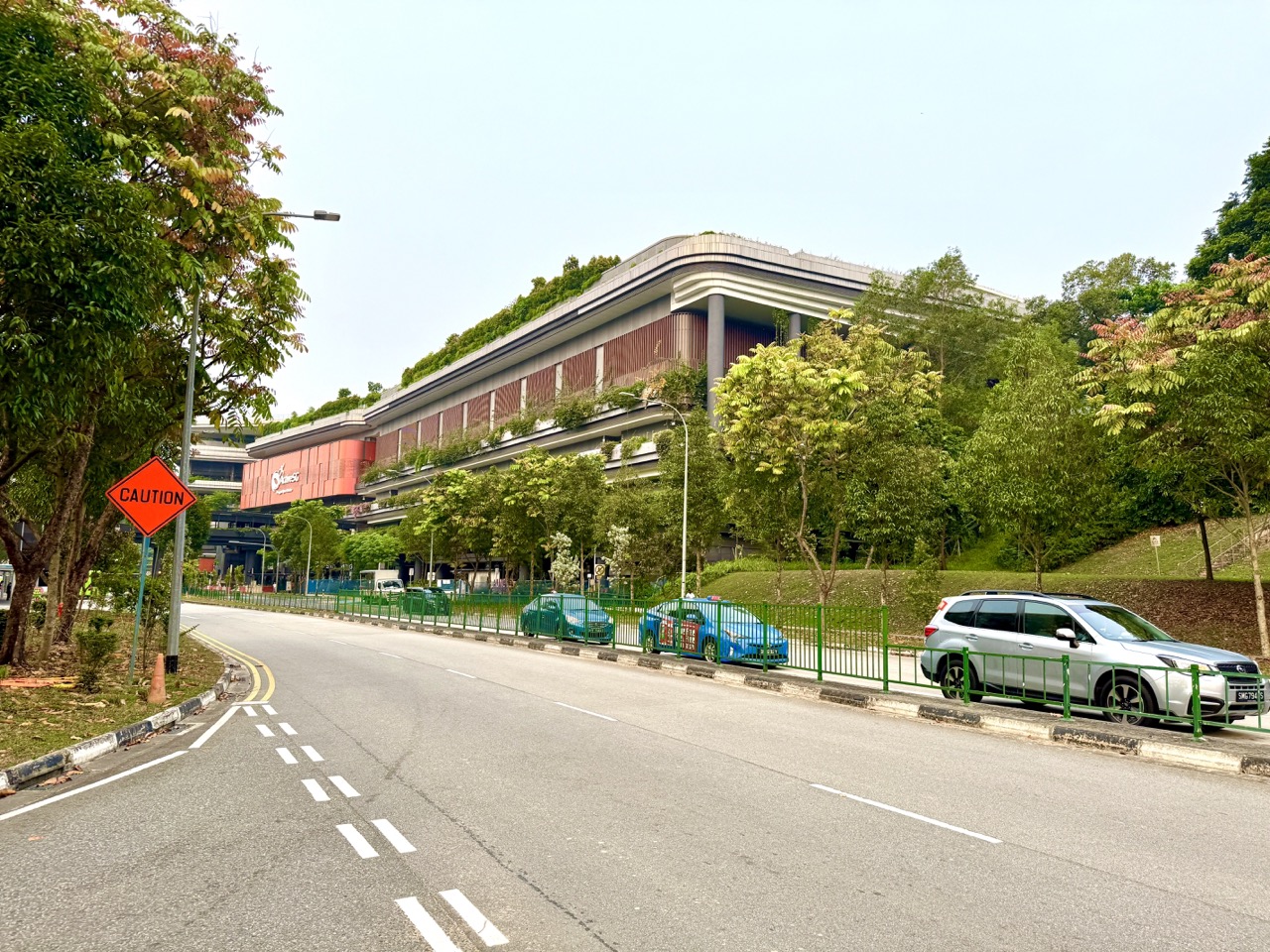
ActiveSG Punggol 2027/2028 Team Sport Hall events: Sport Singapore’s official ActiveSG Cup lists Punggol Sport Centre, Level 3 Team Sport Hall, 11 Sentul Crescent, as the revised venue for its 3×3 Basketball Cup on 31 October and 1, 7 and 8 November 2026. It is a confirmed example of organised sport at the new complex, which began phased operations on 27 October 2026. It does not guarantee that future tournaments will remain at Punggol or that every sports hall is bookable during an event.
For a 2027 or 2028 visit, check the latest official competition notice, then distinguish registered competitors from spectators and ordinary ActiveSG court users. The 2026 Cup page confirms youth age-group categories, an updated Punggol venue and a Bukit Canberra contingency venue; it does not establish free spectator admission, exact match times or a permanent 2027 Punggol tournament timetable. This guide shows how families and teams can plan accurately.
- Verified venue: Punggol Sport Centre, Level 3 Team Sport Hall, 11 Sentul Crescent, Singapore 828656, for specified 2026 3×3 Basketball dates.
- Competition dates: 31 October, 1, 7 and 8 November 2026; not an assumed 2027 or 2028 timetable.
- Age categories: 10U, 12U, 14U and 19U Series for boys and girls, subject to event-specific rules.
- Venue change: published as moved from Clementi Sport Hall to Punggol Sport Centre.
- Contingency: 14–15 November 2026 at Bukit Canberra Sport Hall; refer to official updates.
- Separate access: competition registration, ordinary court booking and spectator entry follow different rules.
- Transport: Sam Kee LRT area; confirm the building and hall-level directions.
- Future years: check new fixtures, admission terms, accessibility and venue changes before travel.
A public sports facility becomes genuinely useful when players and families know where to report, which rules control entry and how to cope with changes. The following guide uses real 2026 event evidence and practical examples without converting historical details into invented future promises.

The verified starting point: an actual event at Punggol
The strongest evidence that Punggol Sport Centre can serve organised competitions is not an artist’s impression. Sport Singapore’s official ActiveSG Cup page identifies the Punggol Sport Centre Level 3 Team Sport Hall as the revised venue for its October–November 2026 3×3 Basketball Cup. The announcement replaced an earlier venue, Clementi Sport Hall.
The published event dates are 31 October and 1, 7 and 8 November 2026. That information supports a dated example of an organised tournament at the new centre. It does not establish that casual visitors can book the same hall during the event or that the entire facility is freely accessible to spectators.
For 2027 and 2028, the useful method is to begin with the latest event organiser notice, check its venue and admission instructions, and plan a visit according to the reader’s role. Never turn a past competition date into a future fixture without a new official announcement.
Definition lock: the sports hall is not the booking
A sports hall is a physical space. A competition is an organised event allocated to a venue. A recreational court reservation gives the booker a particular public-use slot under the applicable conditions. These three things can occupy the same broad facility without giving visitors interchangeable access rights.
Consider a family whose child is registered for a basketball tournament at Punggol. A separate group wants to practise badminton there at the same time. The tournament announcement does not give that group access to a basketball playing area, nor does a standard ActiveSG court pass let a spectator enter restricted competition zones.
Identify the activity and its responsible operator. If the facility is assigned to an event, ask about the event’s own procedures rather than trying to use a general public booking or assuming all sports spaces are available.
Where the new centre is and how it opened
Punggol Sport Centre is at 11 Sentul Crescent, Singapore 828656, next to but distinct from SAFRA Punggol at 9 Sentul Crescent. The regional centre began phased public operations on 27 October 2026. Certain gym and court services opened before some other planned facilities or functions.
An event can use a named hall while a pool has its own operating timetable and a specialist training space remains restricted. This facility-specific reality helps explain why a family may see a successful basketball tournament at the site without being able to book every sport advertised in development plans.
Before heading out, confirm the full venue name, address and the precise room in the organiser’s latest instructions. Neither the general Sport Centre opening story nor a street-level photograph substitutes for a specific competition invitation.
Why a venue-change notice is so important
The official ActiveSG Cup page contains a concrete lesson in sports-event planning: an earlier version listed Clementi Sport Hall for the 2026 3×3 Basketball Cup, while the updated version explicitly moved the event to Punggol’s Level 3 Team Sport Hall. Old posters and cached website copies can remain searchable long after an organiser makes a change.
A parent relying on an archived image may travel to the former venue while the team is preparing elsewhere. The mistake can affect a child’s arrival deadline, a family’s transport budget and the group’s confidence. The remedy is straightforward: consult the latest dated official notice before departure.
Save the new venue information and send the corrected address to everyone travelling. Make the official organiser the final authority when an old graphic conflicts with a newer update.
Three reader roles with different permissions
A registered athlete, a spectator and a casual sports-centre customer may all be interested in the same date, but each needs different information. A competitor needs registration and the team’s check-in process; a spectator needs public admission and viewing rules; a recreational customer needs available court inventory elsewhere.
Parents sometimes combine these into one plan and assume the athletes’ registration means grandparents or siblings can also enter without restriction. That may or may not be true for the particular event. Venue capacity, safety barriers, spectator arrangements and organiser decisions can affect who may be present.
Before promising a family outing, check whether spectators are welcome, whether entry is free or ticketed, and whether any age or access conditions apply. Do not invent these facts when the event page does not state them.
What the 2026 ActiveSG Cup actually names
The official October–November 2026 basketball event names 10U, 12U, 14U and 19U Series categories for boys and girls. These labels help families navigate the intended age-group structure, but an age label alone does not provide the full eligibility rules for a particular birth date or team composition.
The organiser publishes separate rules and regulations, registration guidance and supporting documents. Parents and coaches should read those materials rather than use the shorthand ‘under twelve’ as permission to enter a team whose players might not satisfy the exact cut-off.
For future editions, confirm the live competition’s categories anew. Changes in age groups, dates, entry criteria or registration products are possible and should never be inferred from the 2026 example.
The 19U Series and the March 2027 distinction
The official 2026 Cup information describes a 19U 2 Series Pass covering the November 2026 and March 2027 basketball editions, subject to additional rules. It also publishes March 2027 competition dates on the overall Cup calendar. That is concrete information about a continuing competition format.
It is not proof that the March 2027 games will use Punggol Sport Centre. The page explicitly names the Punggol venue in the November 2026 event section, while the location of every later event must be checked against its own current notice. A reader can easily conflate a continuing series with an unchanged venue.
For a 2027 team, verify which competition your registration covers, the correct player and team-manager details, and the venue for that specific date. Do not make accommodation or travel plans from the former series location.
The difference between fixture and timetable
An event date identifies a day on which activity is scheduled; it does not necessarily tell a particular team when to arrive or play. Fixtures, seeding, technical meetings and adjustments may determine the actual session. Event-day organisers can update those details as registration and competition operations progress.
Suppose a parent knows that a competition is held on Saturday and assumes the child will play at noon. Without a confirmed fixture, that assumption could leave the family early, late or present for a cancelled slot. A competition-day plan should rely on the latest official fixture or team communication, not the broad calendar alone.
Check the organiser’s fixtures and results link, the team-manager instructions and any later updates. Recheck shortly before travelling rather than treating an early timetable as permanently fixed.
Why a technical meeting matters
ActiveSG’s 2026 Cup page identifies an online General Technical Meeting on 26 October 2026 at 7.30pm. That historical detail explains how a sporting organiser can communicate operational rules before a tournament. It does not mean the same meeting date or joining link applies to 2027 or 2028.
A technical meeting can help team representatives clarify categories, competition rules, venue access, timetable changes and conduct expectations. Players should know which responsible adult or manager receives the relevant instructions. Otherwise, important details may remain stuck in a coach’s private messages.
Future teams should look for the specific edition’s meeting invitation or briefing deck. Do not share expired meeting links as though they provide registration for a later year.
Contingency dates do not guarantee the same venue
The 2026 ActiveSG Cup announcement identifies Bukit Canberra Sport Hall on 14 and 15 November 2026 as a contingency venue and dates for the 3×3 basketball tournament. This is an important distinction from the primary Punggol venue on the scheduled October–November match days.
A parent should not assume a postponed match will remain at Punggol. Severe weather, operations or other factors can trigger changes directed by the organiser. Teams might have to travel to a different venue, even when the original competition began successfully at Punggol.
Treat contingency plans as event-specific. Read the latest organiser confirmation for the actual day before travelling, and never infer a 2027 backup venue from the 2026 arrangement.
The 3×3 format in a spectator’s view
Three-on-three basketball is a small-team version of basketball generally associated with half-court play and faster transitions. It can be engaging for spectators because possessions change quickly and each player’s decisions are prominent. However, competition-specific game procedures and any modifications must come from the applicable rules.
A parent who does not normally watch 3×3 can focus on teamwork, clear communication, movement and sportsmanship rather than trying to correct every decision from the sidelines. Young players are learning under the pressure of competition and benefit from a respectful environment.
For technical rules such as timing, fouls or exact game format, consult the event’s official rules and regulations. This article is a visitor guide, not a replacement rulebook.
Team-manager responsibilities before arrival
A manager’s main task is to ensure the team knows what was registered, where it must report, which rules apply and how to contact the organiser. A group chat message reading ‘meet at Punggol’ is not enough when the event may have different check-in points or arrival procedures.
The person coordinating should distribute the confirmed event name, venue level, latest fixture information and realistic travel arrangements. Participants should know which documents or identification the official rules require. Do not fabricate a registration requirement based on another tournament.
Keep communication concise and accurate. If a detail is uncertain, ask the named organiser before collecting money or making promises to other families.
Parents need to distinguish support from control
Parents can make competition day easier by organising transport, food, water and a calm arrival, while still allowing the young player to focus on teammates and coach. Over-directing a game from the spectators’ area can distract a child and create friction with the team’s actual decision-makers.
A useful pre-event question is ‘What can I do to make your day easier?’ rather than ‘How many points will you score?’ A student may prefer reassurance about arrival and pickup rather than repeated reminders about winning.
Respect organiser boundaries, coaches and referees. A respectful atmosphere matters as much for the children who lose as for the team that wins.
Where spectators can and cannot go
A sports hall configured for competition may have team holding areas, officials’ zones, equipment storage or restricted circulation. The venue may also have spectator seating, but the presence of seats does not guarantee unlimited public entry for every event.
Families should check the latest organiser admission policy, the correct entrance and whether spectators need a ticket, registration or special permission. People using mobility aids may need more detailed information about seating and accessible routes.
If the page is silent, ask the organiser directly. Do not tell the public that admission is automatically free, and do not assume a participant may bring an unlimited number of guests.
Managing younger siblings at a crowded hall
Large sporting events can involve queues, loud announcements, whistles and long periods of waiting between games. A sibling who is happy watching one match may find several hours difficult. A family can still enjoy the event by planning realistic rest, refreshments and a backup activity.
Parents should know where children may wait and how everyone will meet again if separated. Do not allow a young sibling to wander through restricted athlete areas or treat changing spaces as playrooms.
Make one adult responsible for the child’s actual supervision during the visit. A tournament volunteer or court marshal is not automatically a babysitter for unrelated family visitors.
Travel using Sam Kee LRT or other connections
Punggol Sport Centre’s location near Sam Kee LRT can be convenient for some residents, particularly those already travelling along Punggol’s West Loop. Families coming from Sengkang, Hougang or elsewhere should calculate the actual door-to-door journey rather than rely on a short walk claim in an old advertisement.
A registered athlete may have to arrive earlier than spectators for check-in or warm-up, and a family carrying equipment needs enough time to reach the correct hall level. The exact route can be affected by roadworks, crowd control and event-specific entrances.
Check current public-transport information and the organiser’s directions. Avoid arriving at the neighbouring SAFRA Punggol building simply because both are located on Sentul Crescent.
Punggol Sport Centre and SAFRA are not interchangeable
SAFRA Punggol at 9 Sentul Crescent and Punggol Sport Centre at 11 Sentul Crescent stand close together but follow separate operating systems. An event held in the ActiveSG Team Sport Hall does not automatically give its participants access to SAFRA attractions or facilities.
A parent could plan a sibling’s separate SAFRA activity while another child plays basketball, but these are independent bookings with distinct supervision and payment conditions. The family should not assume one organiser will coordinate both schedules.
State each venue clearly on the calendar and keep relevant confirmations separately. This is especially useful when a larger family splits temporarily between activities.
How events may affect ordinary court availability
When organisers use a hall for a tournament, some spaces may no longer be offered as normal public court slots. That does not establish a permanent closure or that all facilities at Punggol Sport Centre are unavailable. The issue is allocation: a venue can serve public recreation on one day and a formal competition on another.
A resident hoping to play casually should check MyActiveSG+ for the chosen sport and time. A tournament spectator should use the organiser’s event information instead. Neither user should infer a booking from an unoccupied-looking court or enter an area marked for competitors.
For popular weekends, prepare another time or an authorised alternative facility. A useful plan follows the actual availability rather than assuming a large building always has spare courts.
Why court resale and unofficial slot offers are risky
SportSG’s official no-onselling policy prohibits using bots for bookings and prohibits onselling, subletting or assigning facility bookings. Since 15 July 2026, advertising bookings or encouraging these practices on social platforms has also been expressly covered by the published terms. Breaches can lead to cancellations and account sanctions.
This matters to teams seeking last-minute practice space before a competition. A social-media message offering access to someone else’s court for a fee may not be a permitted route. Booking fraud and cancelled slots can waste money and leave players without a lawful venue.
Use the official booking service for ordinary practice. A formal competition place must come through the event organiser’s approved registration route, not through a stranger claiming to sell access to the tournament hall.
Registration is not the same as buying a facility pass
A participant registering a team under ActiveSG Cup rules is joining an organised tournament with its own age categories, team details and conduct requirements. Buying a general gym pass or reserving a public court solves a different problem. The products cannot be substituted simply because they share the ActiveSG name.
Suppose a parent purchases gym admission for a child who has been invited to a tournament. That transaction does not register the team, confirm its division or satisfy the competition’s rules. The parent must follow the organiser’s actual event registration and team-manager instructions.
Read what the confirmation names. If it says gym admission when the intended activity is 3×3 basketball competition, correct the process before travel or payment.
Understanding team names and rosters
The 2026 19U basketball series involves additional guidance about the team name, manager and roster, linked by the organiser. These details are significant because the series format spans more than one edition and may depend on consistent identities for ranking or future participation.
A group of friends could accidentally register with inconsistent spelling or assign a different manager without reviewing the event rules. That can create administrative problems when a later organiser checks registration against the official team list. The solution is not guesswork but reading the specific series documents.
Assign one responsible person to maintain accurate records and distribute confirmed information to the team. Do not assume the 2026 roster procedures apply unchanged to an entirely new 2028 tournament.
Competitor preparation is not spectator preparation
Players often need suitable shoes, clothing, water, rest and any documents specified by the organiser. Spectators usually need different arrangements: the correct entrance, admission information, comfortable waiting expectations and a plan for accompanying younger children. Combining the two packing lists creates confusion.
A child competing early may need a calm breakfast and enough time to report before the first fixture. The grandparents arriving to watch may prefer to travel later, after the organiser confirms their public entry arrangements. A single family group does not necessarily have to arrive together.
Prepare two simple plans. The athlete follows the team’s official instructions; spectators follow the event’s admission guidance. Coordinate a meeting point for after the match rather than entering the team holding area uninvited.
What families should pack for a tournament day
Bring the items actually required for the participant’s sport and role. For a basketball competition, suitable footwear, water, ordinary personal essentials and the coach’s required kit are reasonable preparations. A supporter may want a light layer for indoor conditions, basic snacks if permitted and a portable charger.
Check whether the event allows outside food, large bags or particular equipment. These are venue-specific conditions; this article does not invent restrictions. Young children may need additional comfort items during long waits, and visitors with access needs should confirm appropriate facilities in advance.
Do not overpack valuables. Keep important registration and contact information available without exposing children’s personal details unnecessarily.
Avoid relying on old match graphics
Digital event posters can continue circulating after a venue or fixture changes. The official 2026 Punggol venue revision demonstrates why the latest authoritative page is more reliable than an image saved weeks earlier. A screenshot might be genuine and still be outdated.
Coaches can reduce confusion by sharing one verified link and explaining which details changed. Parents should avoid forwarding a dramatic poster without checking its publication date. If the event organiser issues a further correction, replace the former message promptly.
Good communication is particularly important when families travel independently or arrive directly from school. The cost of a mistaken venue can be a missed event rather than a minor inconvenience.
The timetable may change after registration
Competition organisers sometimes adjust fixtures because of entries, venue constraints, technical rulings or unforeseen circumstances. A registered team therefore needs continuing communication after payment, not just one initial confirmation. A broad event calendar is only the first layer of scheduling.
Before each match day, check the most recent fixtures and team communications. If the programme includes an online results service, use it to identify the latest published progress rather than relying on hearsay in the stands.
When plans change, explain the new details calmly to children. Flexibility is a practical sporting habit: the team still needs to follow the correct updated instructions.
Handling illness or injury on event day
A child who is unwell or injured should not be pressured to play simply to preserve team numbers. The responsible adult should consider the participant’s health, communicate with the coach and use the organiser’s official procedures for absence or substitutions. Those procedures are specific to the tournament.
Parents should know where to seek venue staff help and how to contact emergency services in an urgent situation. For medical emergencies in Singapore, dial 995. This guide cannot determine individual fitness to compete or replace medical assessment.
Follow the actual event rules about roster changes and withdrawals. Avoid making unsupported claims about automatic refunds or penalties when a player cannot attend.
Event-day accessibility is more than having lifts
A visitor using a wheelchair or mobility aid needs to know the correct entrance, accessible lift and viewing arrangements for the Team Sport Hall. The existence of a lift elsewhere in a large development does not establish where accessible seating is offered during a particular tournament.
Contact the event organiser or facility team with the practical requirements and desired attendance date. The same applies to visitors with hearing, vision or sensory needs who may benefit from specific communication or seating information.
Accessibility should be confirmed respectfully and directly. Do not publish a universal promise that every competition setup, temporary barrier or seat arrangement has the same accessibility.
Photography and the privacy of young athletes
Youth competitions can encourage family photographs, but photographs may capture unrelated children, officials and sensitive moments. Organisers can have specific rules about where photography is permitted. A public event is not an invitation to record in private changing or restricted areas.
Parents should avoid attaching children’s personal contact information or school schedules to images distributed widely. Seek appropriate permission and follow the event’s media policy before publishing identifying material involving other minors.
Encourage a respectful sporting culture in which participants can enjoy the event without constant pressure to perform for social media. Memories are valuable, but privacy and dignity matter too.
The role of volunteers and officials
Organised sports events rely on people beyond the players: registration staff, marshals, referees, technical organisers, volunteers and venue operations. These roles help maintain scheduling, circulation, fairness and safety. A parent attending for the first time may not know whom to ask for help.
Follow the organiser’s instructions about approaching officials. A volunteer may direct guests but may not be authorised to change registrations or disclose private team information. Technical rulings should go through the designated competition process.
Good manners make everyone’s job easier. Families can teach children to appreciate the people who make an event possible rather than treating only the winning players as important.
Parents should respect match officials
Competition includes decisions that players and supporters may disagree with. Shouting at referees or harassing young opponents can harm the experience for everyone. A parent’s strongest contribution is often demonstrating calm, fair behaviour during tense moments.
If a team has a legitimate rules question, the manager or coach should follow the event’s formal channels. A spectator confronting an official from the stands is unlikely to produce a useful outcome and may violate conduct expectations.
Help children reflect on effort, teamwork and mistakes after the game. A disappointing result can still be a constructive sporting experience.
How students can learn from competition pressure
A formal event changes the atmosphere of a sport. The same skill that feels comfortable during practice may become difficult when a score is visible and teammates are watching. Young athletes can learn to prepare, communicate and recover from errors under manageable pressure.
Coaches can discuss one or two useful goals before the match, such as maintaining composure or communicating clearly. A long list of corrections shouted during play may overwhelm a young athlete. Parents can reinforce these habits through supportive conversation rather than performance demands.
The ActiveSG Cup’s wider purpose includes development, resilience and enjoyment. Those values remain meaningful even when a team does not progress to a later round.
Planning return transport after an uncertain finish
Unlike a fixed recreational booking, a tournament day may involve elimination rounds or changing match intervals. The end time of a participant’s involvement is not always obvious from the first fixture. Families should think about how to return home without assuming one precise pickup time.
Agree on a communication method and safe meeting point. Children travelling independently should understand how to contact a responsible adult if the schedule shifts. Younger siblings may need an alternative plan rather than remaining for every late fixture.
Check current public transport and event exit notices. Do not invent a guaranteed travel duration from Punggol Sport Centre to another estate when traffic and service conditions vary.
Budget for a competition as a family outing
Participation costs can include registration, transport, approved kit and meals. A family bringing multiple spectators may also face additional expenses, depending on the event’s actual admission arrangements. These should be calculated rather than assumed from the price of an ordinary ActiveSG court.
Compare realistic options: one parent accompanies the athlete, several relatives attend if permitted, or family members watch only a specific confirmed match. A simpler visit can reduce strain while still showing support.
Use the event organiser’s current fee and refund rules. Do not count on free tickets, automatic credits or a fixed future tariff without official confirmation.
What the weather and haze notices actually say
SportSG posts facility-closure and air-quality advisories, and its 2026 ActiveSG Cup page links a specific haze-management protocol. These are more relevant to real event operations than a general assumption that an indoor hall can never be affected by broader conditions.
Weather or haze can influence transport, outdoor warm-ups, facility access and organiser contingency decisions. A spectator should not determine on their own that the event must proceed because the building has a roof.
Check the latest organiser message and SportSG advisories. The 2026 Cup’s contingency dates and location are historical details; 2027 and 2028 editions may publish different arrangements.
Why the stadium is a separate visitor question
Punggol’s regional centre includes a planned 5,000-seat football stadium, but a stadium event is not the same as an indoor basketball competition at Level 3. The entry rules, organiser, seating and security arrangements may differ. A page about Team Sport Hall events should not promise access to a football match at the stadium.
A family interested in multiple sports may choose to follow both calendars, but each event must be identified and verified individually. A stadium without an announced public fixture is not a guaranteed attraction for visitors.
Use the actual competition notice for the actual sporting space. This keeps a local guide accurate even as the wider Punggol development attracts more events.
Using the nearby neighbourhood during breaks
One Punggol, SAFRA Punggol and the waterfront are nearby landmarks, but they do not operate as a single event complex. Families may choose a meal or quiet walk between fixtures where time permits. They should check whether the athlete is allowed to leave and return during the competition.
Leaving a child’s team without telling the coach can create confusion, especially if the fixture changes. Siblings may be happier visiting an appropriate nearby public attraction with a parent, but the family must coordinate the meeting point and travel.
Do not over-schedule the day. A tournament is already a demanding experience for many young people, and quiet recovery may be more useful than rushing through several attractions.
A 2027 competition calendar is not a Punggol venue guarantee
The official ActiveSG Cup overview lists certain competition dates in March 2027, including 3×3 basketball. The November 2026 section names Punggol’s Team Sport Hall, but that venue notice should not be automatically applied to the March 2027 edition. Schedule and location are separate variables.
A team can be eligible for a multi-edition series without playing at the same sports centre in each edition. Different organisers and facility allocations may determine where a future match takes place.
Before advertising a 2027 Punggol event, find the current edition-specific venue and fixture. If it is not announced, say that the location is pending rather than copying a prior address.
A 2028 update must begin with current official evidence
A page labelled 2028 can remain useful only if it distinguishes historical 2026 examples from new 2028 opportunities. The permanent venue address and the principles of responsible event planning may stay stable. Individual fixtures, entry fees, category rules, registration and admission can all change.
An editor should preserve the verified 2026 Cup move as a case study with its date, not repeatedly present it as an upcoming event. Future programmes belong in a clearly dated update once the organiser provides genuine information.
Readers gain trust when the article tells them what can be checked and where, rather than producing an invented future sports calendar.
An eight-question event-day decision check
Before a competition visit, identify the actual edition, date, venue, your role, admission requirements, arrival timing, contingency instructions and return plan. Each question prevents a different class of avoidable problem. The check is useful whether the visitor is a coach, parent, athlete or spectator.
A team manager can distribute one short verified message; parents can keep essential confirmations on their phones; athletes can focus on the match rather than solving travel and registration problems. The final event notice should always take priority over informal recollection.
Success is not measured by how complicated the plan looks. It is measured by everyone reaching the correct venue safely, understanding their responsibilities and enjoying an organised sporting experience.
Frequently asked questions
Where was the 2026 ActiveSG Cup 3×3 Basketball held?
SportSG’s updated event notice names Punggol Sport Centre, Level 3 Team Sport Hall, for the 31 October, 1 November, 7 November and 8 November 2026 dates. Older versions may still show Clementi Sport Hall; follow the latest official venue notice.
Can anyone enter the Team Sport Hall to watch?
Spectator eligibility and any admission conditions must be verified with the organiser for that event. A facility having public areas does not establish free unlimited admission or unrestricted access to player zones.
Which youth categories were published for 2026?
The 2026 Cup names boys’ and girls’ 10U, 12U, 14U and 19U Series categories. Consult the actual rules for birth-date criteria, player eligibility and team registration conditions.
Does the March 2027 Cup also take place at Punggol?
The official Cup calendar lists March 2027 3×3 basketball dates, and a 19U Series Pass connects two editions. That does not by itself confirm Punggol as the March 2027 venue; check the specific updated event notice.
What if the original venue changes?
The 2026 example moved from Clementi to Punggol. Check updated official fixtures and team-manager communications, then notify everyone travelling. Do not rely on an old social-media poster or screenshot.
What were the 2026 contingency arrangements?
For the named basketball event, SportSG lists Bukit Canberra Sport Hall on 14 and 15 November 2026 as a contingency venue and dates. Those are historical event-specific details, not standing rules for later seasons.
Can I purchase a court slot from a reseller?
SportSG’s published terms prohibit onselling, subletting and assignment of booked slots, as well as bot bookings. Use permitted official booking routes and the event organiser’s registration process.
Where can a parent confirm the next 2028 competition?
Use the current ActiveSG Cup event page, competition rules, fixtures and official organiser communications. Check the date, venue, admission, categories and contingency plan rather than relying on a past-year calendar.
Verified sources and further reading
- Sport Singapore: official ActiveSG Cup, updated Punggol venue, categories and contingencies
- SportSG: no-onselling, no-subletting and anti-bot facility booking rules
- SportSG: current facility closures and air-quality advisories
- MyActiveSG+: public court bookings and applicable passes
- ActiveSG Academies and Clubs: programmes and youth development
- Safe Sport Commission: reporting concerns
- eduKatePunggol: teens, 3×3 basketball and school sports
- eduKatePunggol: Punggol Sport Centre operating and visitor guide
- eduKatePunggol: Safe Sport and parent safeguarding
Your next step
Open the official ActiveSG Cup page and identify the exact tournament edition and updated venue. Confirm whether you are attending as an athlete, manager or spectator; then check fixtures, entry conditions and contingency arrangements before leaving home. If planning a 2028 visit, seek a newly announced event instead of reusing a 2026 schedule.
Editorial review: 1 November 2026. The Punggol Level 3 Team Sport Hall notice and the Bukit Canberra contingency dates concern the specific 2026 ActiveSG Cup. March 2027 dates listed nationally do not prove that Punggol is the venue. No 2028 tournament, ticket price, seating allocation or public admission policy is invented here.


