
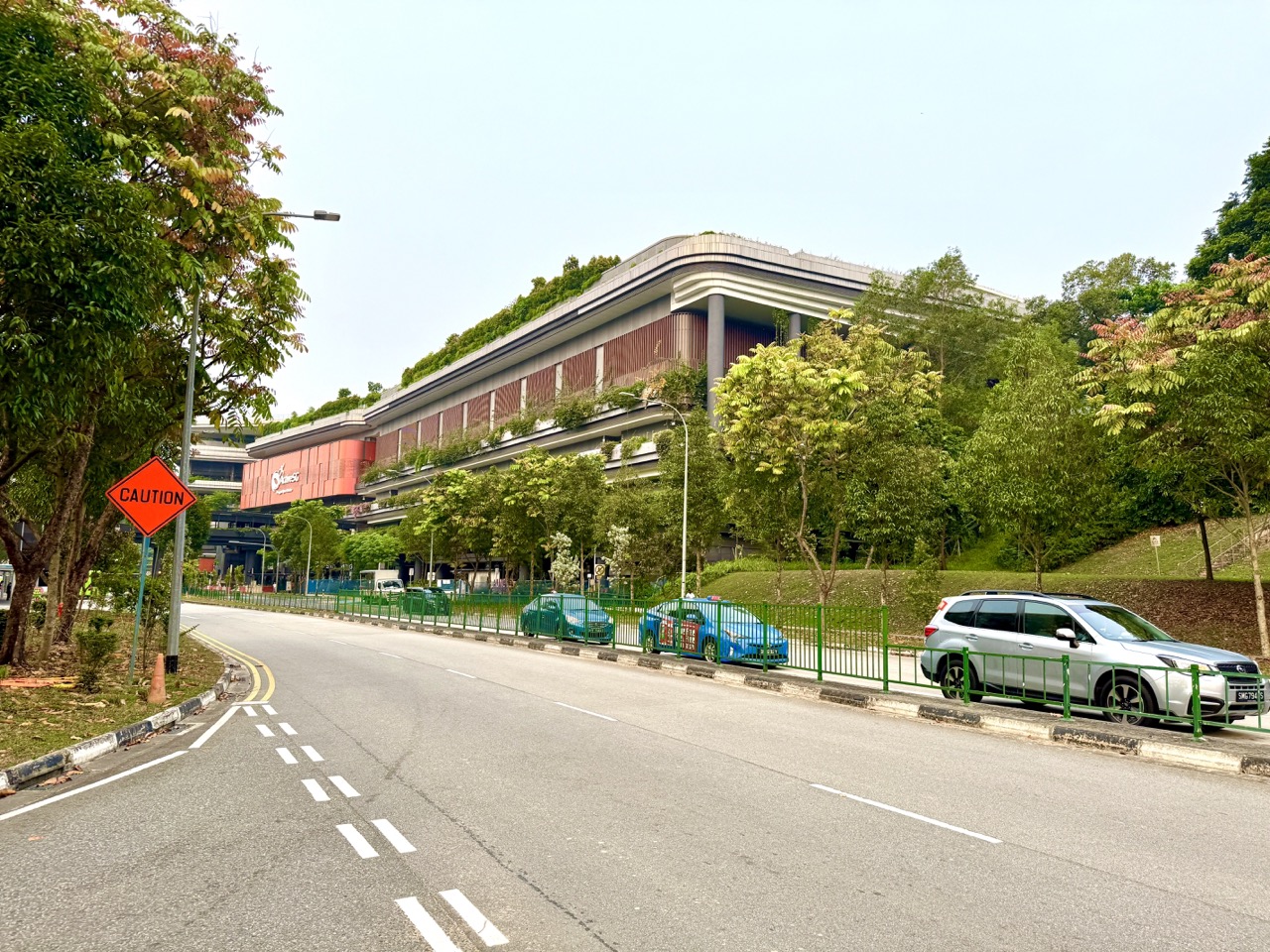
SportCares Project Bounce Back for Punggol in 2027/2028: SportCares works with Singapore Prison Service, Singapore Boys’ Home, Singapore Girls’ Home and other relevant partners to support youth rehabilitation and reintegration through structured sport. Its official May 2026 page reported about 100 young people with weekly sports access nationally. It does not advertise a public Project Bounce Back class at Punggol Sport Centre.
The official SportCares page describes throughcare, in which support begins within institutions and continues into the community to help sustain positive social relationships. The Singapore Prison Service explains how institutional and community reintegration services are coordinated. This is a guide to the genuine programme and appropriate enquiries, not an individual youth’s confidential case.
- Purpose: youth rehabilitation and reintegration through appropriate sport and positive relationships
- Partners: relevant institutional and community agencies, including SPS and the two named youth homes
- Throughcare: continuity from an institutional setting to wider community support
- Reported scale: about 100 young people with weekly sport access, May 2026 national figure
- Not public enrolment: ordinary gym entry is not Project Bounce Back registration
- Safeguarding: protect identities, case information, personal dignity and authorised supervision
- Punggol: no publicly confirmed local class is established by the new sports building
- 2027–2028: contact SportCares for programme partnerships and the responsible agency for individual cases
Sport can contribute to constructive routines and relationships, but it does not replace legal procedures or professional rehabilitation. The programme is best explained without speculation about the lives of individual young people.

Definition lock: Project Bounce Back is a targeted throughcare programme
SportCares Project Bounce Back supports young people in rehabilitation and reintegration through structured sporting opportunities. It is a partnership involving appropriate correctional or youth-care institutions and community providers, not an ordinary public football class or a product that anyone can purchase through a gym booking.
Throughcare means support extends from an institutional period into a young person’s return to the community. SportCares describes the goal as developing and sustaining positive social relationships alongside confidence and resilience.
Families should contact the responsible professional or SportCares rather than assume that a public ActiveSG sports centre operates a walk-in rehabilitation programme.
The official May 2026 programme facts
Sport Singapore updated its Project Bounce Back page on 22 May 2026. The overview names Singapore Prison Service, Singapore Boys’ Home and Singapore Girls’ Home as examples of institutional partners working with SportCares.
It reports that about one hundred young people involved in this support network had access to weekly sport. This is a published national-scale figure, not a Punggol headcount or a guarantee that a particular family can register immediately.
The official page invites enquiries, but does not give a fixed public timetable, list of confidential participants or confirmed Punggol training centre.
Punggol Sport Centre is a public recreation venue
Punggol Sport Centre at 11 Sentul Crescent opened selected public facilities from 27 October 2026, including gym and some courts. Public admission is governed by SportSG facility terms and is not equivalent to admission to a structured youth reintegration programme.
Nor can an observer conclude that a teenager seen playing there has any connection with Project Bounce Back. Ordinary members of the public use public sports facilities for many different reasons.
A responsible article should protect privacy and separate general recreation from specialist partner-led services. The named programme’s actual location must come from the organiser.
Rehabilitation and reintegration are not the same phase
Rehabilitation may involve developing skills, attitudes and support while someone is in an institution or under a particular programme. Reintegration involves rebuilding constructive routines and social connections in ordinary community life.
Sport can contribute to both experiences, but it does not determine legal status or replace official supervision, education, housing or healthcare arrangements. Different people need different forms of support.
The correct authority depends on the person’s real circumstances. A coach may contribute meaningful mentoring without being responsible for legal case management.
How throughcare connects the two phases
SportCares explains that its partnership begins with institutions and continues into the community, giving young people a chance to sustain a pro-social network. This avoids treating the transition home as an abrupt end to positive contact.
An established sport routine and familiar supportive adults may provide continuity. Yet the actual schedule, permitted activity and participant status need coordination with responsible agencies.
Do not independently book an outing on behalf of someone whose movement or participation is subject to formal conditions without appropriate authorisation.
The Singapore Prison Service framework gives context
Singapore Prison Service publishes a rehabilitation and reintegration approach distinguishing incare from aftercare. It emphasises coordinated support involving the person, families, community partners, volunteers and professional staff.
That framework is broader than Project Bounce Back. It can include psychological programmes, education, employment support and other intervention or supervision arrangements.
Read the SPS information for correctional procedures and SportCares for the sporting initiative. Neither source should be presented as granting an automatic entitlement to any specific programme.
Boys’ and Girls’ Homes need distinct treatment
Singapore Boys’ Home and Singapore Girls’ Home are youth rehabilitation contexts, while Singapore Prison Service has separate correctional responsibilities and programmes. SportCares listing the institutions together does not mean their rules, legal status or admission criteria are identical.
A family may be seeking support or information relevant to a young person in a particular setting. The right source is the actual institution and appointed professional.
Do not use a broad sporting guide to predict a young person’s placement, release, rights or compulsory activities.
The meaning of a positive social network
A pro-social network includes relationships and environments that help someone make constructive choices, cooperate and access appropriate support. Sport offers one setting where people can practise these habits with teammates and mentors.
This does not mean every participant immediately finds new friends or becomes free of every challenge. Trust and connection often take repeated positive experiences.
Better questions are whether the group is respectful and sustainable, and whether the young person feels able to participate without being defined by their past.
Sport can teach cooperation without labelling people
A team game can provide opportunities to listen, make decisions together and respond constructively after a mistake. Such moments can contribute to wider development when paired with appropriate guidance.
Yet sporting performance does not identify someone as an offender or predict their future. An excellent player may face difficulties unrelated to the game, while a beginner can demonstrate strong personal growth.
Recognise people as individuals. No recreational sporting photograph should be captioned with speculation about somebody’s legal or family history.
A coach should know professional boundaries
Sporting instructors can offer structured practice, encouragement and appropriate role modelling. They are not automatically counsellors, clinical psychologists, probation officers or legal representatives.
Where a participant raises serious wellbeing or safeguarding concerns, the coach should know the organisation’s referral and escalation process rather than promise to handle everything alone.
Suitable supervision and professional boundaries allow sport to complement specialist support without pretending to replace it.
Safe Sport still applies
SportSG’s Safe Sport framework establishes expectations for appropriate conduct in sport. Young participants should not face intimidation, public humiliation or inappropriate adult communication in the name of building resilience.
A specialist partner-led programme may have additional institutional safeguards. These should be followed by trainers, volunteers and any organisation supporting the activity.
Positive development must be pursued through respectful conduct and genuine participant protection, not coercion.
Resilience must be taught responsibly
SportCares names resilience among Project Bounce Back’s aims. In ordinary sport, this may involve learning to recover from a missed opportunity or continue practising a manageable skill after a setback.
It does not require tolerating abuse or training while sick or injured. A safe programme needs opportunities to rest, ask for help and adjust activity to actual needs.
A constructive approach encourages progress without measuring a person’s moral worth through athletic results.
Families can contribute through stable support
Family contact and responsible relationships may help a young person maintain ordinary routines while reintegrating. A parent or guardian may be able to encourage approved sport and communicate with the relevant case professional.
However, a family member’s enthusiasm for a particular activity does not override official conditions or the young person’s preferences. Care plans and permitted participation must be respected.
Ask the authorised professional what support would genuinely help and keep sensitive information private.
Weekly sport is not automatic legal compliance
Project Bounce Back’s reported weekly access to sport describes an opportunity for participating young people. It is not proof that playing once a week satisfies a sentence, aftercare supervision requirement or other official condition.
Legal and institutional obligations can differ significantly between participants and are administered by the relevant authority. A gym receptionist or teammate cannot confirm that they have been completed.
Use authorised channels for case-specific questions and avoid relying on an article written for the general public.
Community involvement needs the right approval
A well-intentioned residents’ group might wish to offer sports mentorship. This cannot be implemented by simply entering a youth-care institution or inviting participants through an informal chat.
Appropriate partner approval, staff screening, suitable venue access and safeguarding may be needed. The actual organiser determines how volunteers and agencies work together.
Contact SportCares to discuss a legitimate community proposal and wait for clear permission before naming participants or announcing a programme.
No automatic Team Nila role
Team Nila provides broad SportSG volunteer opportunities for community events. A person who has volunteered at a public tournament does not thereby gain permission to serve in a secure youth-care or rehabilitation context.
Project Bounce Back may need specialist partner arrangements with additional preparation. Participants should not be approached directly by strangers who claim to be helping through sport.
Follow the genuine programme and institutional channels rather than treating a generic volunteer certificate as universal access.
School and work remain important
Some young people may be balancing further education, job preparation, family relationships and professional support. Sport is one element that can complement these priorities rather than replacing them.
An activity schedule that conflicts with compulsory appointments or essential responsibilities may need adaptation. A supportive coach should recognise the boundaries of the role.
Professional agencies can advise on real education and employment support; SportCares should not be advertised as guaranteeing school placement or a paid job.
The SportCares HEARTS framework provides context
SportCares’ HEARTS framework emphasises an engaging introduction, positive relationships, skills and character, self-leadership and wider contribution. These ideas can help explain why a programme invests in mentoring alongside sport.
But a framework is not a private diagnostic tool or a formal corrections scorecard. It should not be used by casual observers to rate an identifiable youth.
Use the principles to create respectful experiences and leave formal rehabilitation assessments to responsible professionals.
Photography and dignity need particular care
Young participants involved in sensitive institutional settings have privacy interests that can extend beyond ordinary recreational sport. A photograph shared without proper approval may reveal identity, location or personal circumstances.
Community partners should follow strict media and confidentiality procedures. An article can illustrate public buildings or empty courts without identifying anybody receiving support.
Do not post identifying stories, diagnoses or alleged offences as part of a fundraising or volunteering narrative.
A public Punggol pathway must be verified
SportCares’ May 2026 description does not identify a public Project Bounce Back class at Punggol Sport Centre. The town’s new sports infrastructure does not in itself establish the programme’s operations.
A local partner may wish to make an enquiry or develop an appropriate proposal, but that remains a proposal until authorised. Public venues also have booking and commercial-use rules.
Only publish confirmed programme arrangements and protect participant confidentiality. Never infer a fixed venue from a general SportSG logo.
The 2027 facts will need rechecking
By 2027, the named institutions, community partners or number of participants may differ from the 2026 overview. A future-year title should not repeat about one hundred as a live count without evidence.
An individual case may also involve new support arrangements that are not suitable for public discussion. General website information cannot replace that person’s care professional.
Link to current official pages, not sensational rumours or guessed participant details.
The 2028 facts will need rechecking
In 2028, programme scope, sport choices and approved partnerships could evolve. An interested organisation should use the latest SportCares and relevant institutional resources before making any commitments.
A young person’s progress should be supported through genuine relationships, appropriate legal processes and their own aspirations, not described as a predetermined sporting transformation.
Reliable local information makes services easier to understand while protecting the people whom those services exist to help.
What makes a sporting relationship constructive
A positive sporting relationship involves predictable rules, mutual respect and an opportunity to contribute without intimidation. An instructor who keeps promises and communicates clearly can help build trust over repeated sessions.
For a young person adapting to community life, the quality and consistency of interactions may be more important than a single impressive training day.
No coach should promise that one friendship or one match will solve every challenge. Support needs can be complex and require professional coordination.
A young person is more than a case history
People can have interests, abilities and ambitions unrelated to an institutional experience. Some enjoy team sport, others prefer individual activities, and some may not currently want a sports programme at all.
An appropriate support pathway respects this individuality. A service should not reduce every participant to an identical rehabilitation story or demand public gratitude for being given an opportunity.
The person’s present choices and dignity matter. Progress should not be defined solely by somebody else’s publicity goals.
Do not use sport to interrogate participants
A volunteer may be curious about a participant’s background. However, the sporting environment is not a place to ask a stranger to disclose past legal matters, family circumstances or institutional placement.
Any information needed for safety or programme administration belongs with authorised professionals and appropriate private records, not with casual teammates.
A respectful helper can simply explain the game, listen to the participant’s interests and follow the organisation’s safeguarding guidance.
The difference between volunteering and supervision
Some supporters may assist with equipment, welcome people or help organise permitted activity. These ordinary roles do not give them authority to change legal supervision, escort someone beyond approved areas or manage protected personal information.
Corrections and youth-care agencies may set their own eligibility, screening and conduct requirements for visitors. A Team Nila registration does not waive those processes.
Ask precisely which task has been authorised and who remains professionally responsible. Good intentions should not exceed approved responsibilities.
How a Punggol community partner could make a proposal
A community organisation might identify a suitable supervised sport opportunity for vulnerable youth and discuss whether it can support existing agencies. That can be a thoughtful starting point, but it does not establish a local Project Bounce Back branch.
The proposal should include the intended participants, safeguarding, actual facility permissions, trained staff and organisational partnerships. Confidential referrals require proper authorisation.
Do not begin public advertising or collect young people’s private information before the relevant agencies have agreed to a genuine programme.
Coach qualifications and programme competence
A coach may have technical sporting qualifications yet need additional experience to work effectively in a structured rehabilitation context. Good practice includes clear boundaries, trauma-aware sensitivity where appropriate and respect for agency procedures.
Those competencies should be confirmed by the responsible programme; a local article should not invent a formal certificate that all coaches supposedly possess.
Families and partners can ask about actual roles and support, while avoiding public allegations about individual instructors without evidence.
The place of safe competition
Structured games can offer opportunities to practise fair rules and cooperative decision-making, but an event’s intensity should fit the participant and authorised programme. Winning must not become the only marker of progress.
Some young people may enjoy friendly challenges while others prefer skill practice. The organiser can choose an appropriate format without forcing a high-pressure tournament.
Good sportsmanship includes accepting a mistake and respecting opponents. Those lessons are useful without promising a guaranteed change in a person’s future behaviour.
What an enjoyable routine can look like
A suitable programme might provide a regular time to meet a coach, prepare equipment, practise a skill and check in with teammates. Predictability may help a participant build ordinary habits and expectations.
This is an example of how recurring sport could be structured, not a claim about the exact weekly activities used at every Project Bounce Back site.
The actual schedule belongs to the authorised partner, and needs to fit the person’s education, care and supervision requirements.
Why an exact schedule cannot be guessed
SportCares provides an overview of its national partnerships but no open public timetable for this targeted programme. A future-year local blog cannot identify a Tuesday evening venue merely because a sports court is available.
Actual activities may occur in controlled institutions or through community partners with confidentiality needs. Some information may rightly remain unpublished.
Use official communication for authorised participants and families. Public access to a precise location is not an entitlement.
The role of education after institutional care
A young person may need help continuing education or skill development as part of reintegration. Sport can complement those goals by supporting confidence and constructive daily routines.
However, a sports coach is not automatically empowered to advise on school placement, qualification recognition or confidential education plans.
Refer specific education questions to the relevant school, professional or responsible agency rather than promising that joining sport will settle an administrative problem.
The place of family communication
An approved family member may be an important source of encouragement, but the level of contact and type of information that can be shared depend on the particular care or institutional arrangements.
A public article should not imply that every family is automatically allowed to attend every session or obtain another participant’s personal records.
Ask the actual professional what role the family can play. A private conversation with the correct person is more useful than speculation from an old web page.
What a supportive employer can and cannot do
Reintegration can involve employment support and the rebuilding of ordinary responsibilities. The Singapore Prison Service points to Yellow Ribbon Singapore and community partners for vocational and career-related services.
An employer may choose to provide fair opportunities but should not infer a person’s history from participation in public sport or demand unnecessary disclosure.
Employment questions deserve the appropriate professional and legal guidance. SportCares’ youth programme is not itself a public employment guarantee.
When a young person chooses not to play
Not everyone finds sport enjoyable, and an individual may have different physical needs or interests. An approved programme may offer suitable alternatives or adjustments, depending on its actual delivery conditions.
Refusal to join one sporting activity should not be casually interpreted by a neighbour as proof of a character flaw or unsuccessful rehabilitation.
Responsibility for participation decisions and support belongs with the programme team and the young person within the relevant care framework.
Avoid invented clinical benefits
Regular movement may contribute to wellbeing and provide positive social experiences. That does not establish a guaranteed medical, psychological or legal outcome for every young participant.
A sporting programme cannot be described as curing trauma or preventing reoffending in every case without suitable evidence. Professional assessment requires much more information than a coach’s attendance record.
Use careful language: SportCares aims to support confidence, relationships and reintegration. That is meaningful without sensational promises.
Caseworker and coach have different duties
A caseworker may coordinate social, legal and family support; a coach delivers appropriate sport activities under programme rules. Collaboration is useful when each understands the limits of the role.
Young people should not be forced to repeat sensitive case information to a sporting group if an appropriate authorised referral already exists.
Clear communication between responsible professionals can support continuity while maintaining confidentiality.
A sponsor should protect participant dignity
Organisations that want to help may seek photographs or stories to show impact. However, young people in rehabilitation contexts should not be made into marketing materials without appropriate permissions and safeguards.
An anonymous outcome summary or a neutral photograph of equipment may be more suitable than publishing identifying personal details.
Trust is part of reintegration. Respecting privacy can be as important as creating a welcoming weekly activity.
How parents can recognise a legitimate enquiry
SportCares publishes its official programme on a government website and provides sportcares@sport.gov.sg for contact. A parent can use this route to ask whether a relevant support pathway exists.
Be wary of unrelated social-media accounts claiming to sell guaranteed placement or requesting passwords, financial information or protected case records.
Use responsible agency and programme communication. Personal matters require authorised handling, not quick promises from strangers.
An ordinary public gym is a separate option
Some young adults may also enjoy public recreation independently when eligible and permitted. Their participation in a public gym does not reveal whether they have ever received institutional support.
SportSG’s regular admission rules and booking process govern those visits. They do not automatically satisfy any formal aftercare or supervision condition.
Do not publicly connect ordinary recreational users to a sensitive programme without evidence. Community sport should be welcoming to everyone.
When a programme partner changes
SportCares may update its institutional or community partnerships, and a young person’s support plan can change for individual reasons. A historical list should not be treated as a permanent current allocation.
Future articles should confirm programme facts from the authorised sources without attempting to publish confidential participant movements.
The stable principle is coordinated throughcare, not a particular building or a single course time.
A 2027 reader should separate fact from inference
The 2026 source names certain partner institutions and about a hundred weekly participants. It does not state the exact age range, every sport used or every current venue. Those missing details should remain unknown until properly confirmed.
An author should not fill those gaps with convenient generalisations from other SportCares youth programmes such as Saturday Night Lights.
Separate source-backed facts, thoughtful general guidance and any uncertainty. This gives families a more reliable orientation.
A 2028 reader needs current authorised guidance
By 2028, national youth support policies, programme partners and professional procedures may evolve. A general future-year guide should direct readers to current SportCares and institutional sources.
A participant’s own circumstances may change far more quickly than a public webpage, so case-specific answers should never be inferred from historical overviews.
The responsible next action remains speaking with the right authorised people and protecting the young person’s opportunities and privacy.
Frequently asked questions
Does Project Bounce Back accept public walk-ins at Punggol Sport Centre?
The current programme overview does not list a public Punggol class or general walk-in registration. Ordinary SportSG gym admission is separate.
What does throughcare mean?
It means support beginning within an institution and continuing through appropriate community reintegration, with coordination by responsible organisations.
Which institutions are named?
SportCares identifies Singapore Prison Service, Singapore Boys’ Home and Singapore Girls’ Home among its partners.
How many youths have access to the programme?
The May 2026 SportCares page reported about one hundred young people with weekly sport opportunities. This is a dated national figure.
Is this the same as Saturday Night Lights?
No. Saturday Night Lights is a separate public-facing football and mentoring programme with its own youth age band and venue network.
Does programme participation change legal requirements?
A sporting activity does not independently replace or determine rehabilitation status, legal supervision or individual institutional obligations.
Can volunteers contact identified youths directly?
No such permission should be assumed. Work with vulnerable youths requires actual programme authorisation, suitable safeguards and confidentiality.
Who should answer an individual family question?
The appointed institution, caseworker or responsible agency. SportCares’ public contact is appropriate for general programme enquiries.
Official guidance and related Punggol reading
- SportCares: Project Bounce Back, partners, throughcare and May 2026 reach
- SPS: rehabilitation and reintegration throughcare framework
- SPS: institutional incare support and education
- SPS: aftercare and community reintegration
- SPS: actual community-based programme assessment
- SPS CARE Network and Yellow Ribbon community support
- SportCares: HEARTS and distinct youth/children programmes
- Safe Sport: respectful treatment and safeguarding
- eduKatePunggol: separate Saturday Night Lights programme
Your next step
For an authorised community partnership, contact SportCares using the official Project Bounce Back page and its published email. For a young person’s actual care plan or status, contact the responsible agency or appointed professional directly and privately.
Editorial review: 1 November 2026. This guide does not identify participants, speculate about legal histories, promise open enrolment, offer personal legal or medical advice, or claim a 2027/2028 Punggol Project Bounce Back venue. The national figure is from May 2026.


