
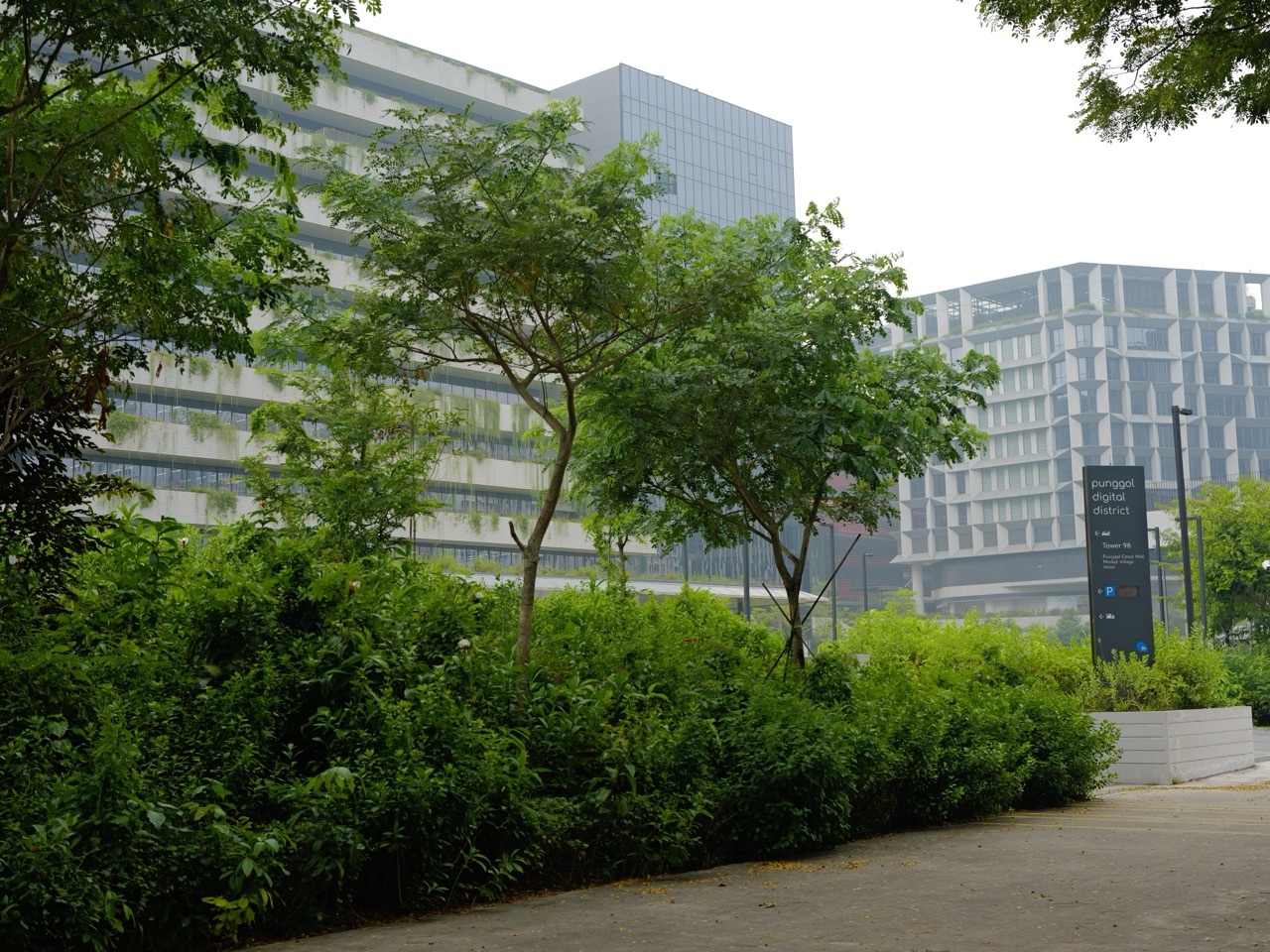
Updated 30 October 2026. This general guide explains current Singapore WICA and workplace safety principles for the 2027–2028 planning horizon. It is not medical or legal advice about an individual claim.
After a workplace injury, the first decision is safety and medical care—not whether the employer’s insurance will pay. A Punggol resident may work in a laboratory, logistics operation, school, shop, office or construction site. Injuries and occupational diseases follow different circumstances, but accurate reporting, suitable treatment and proper records are important across industries.
Singapore’s Ministry of Manpower explains the Work Injury Compensation Act (WICA), which covers most employees under a contract of service or apprenticeship, subject to exceptions. The law provides a process for relevant medical expenses, medical-leave wages and certain incapacity or death compensation. The 2027–2028 dates are a planning horizon, not a prediction about jobs in Punggol Digital District or any named employer.

The 60-second answer
- Seek appropriate treatment and report a work-related incident to the employer promptly.
- Use MOM’s WICA eligibility rules; employment status and work activity matter.
- Keep copies of MCs, medical bills, work incident records and relevant correspondence.
- Employers have reporting, medical expense and medical leave wage duties when applicable.
- Do not confuse MC with light duty or return before appropriate medical assessment.
- Report ongoing hazards to prevent recurrence, not only to support a claim.
- Recheck MOM limits and procedures for the actual 2027 or 2028 incident date.
Key decisions at a glance
| Situation | First action |
|---|---|
| Worker hurt during a task | Seek treatment, alert employer and preserve accurate details. |
| Doctor grants MC or light duty | Give documentation to employer and check WICA process. |
| Employer does not report as required | Use MOM’s official assistance/reporting route. |
| Worker changes jobs during claim | Check continuing eligibility and statutory responsibilities. |
| Return to work is proposed | Follow medical restrictions and clarify suitable duties. |
First protect life and health, then start the administrative process
If someone is injured at work, check immediate danger and seek appropriate medical help. A serious fall, machinery injury or breathing emergency should not be treated as a paperwork problem. Move away from ongoing hazards when it is safe, alert trained personnel and call 995 for a life-threatening emergency in Singapore.
Once safe, inform the employer or supervisor about the work-related event as soon as reasonably possible. MOM warns that a delayed notification may make it harder to establish that the injury was related to work. A short, factual account is better than speculation about the eventual claim amount or who is legally at fault.
Tell the treating doctor the relevant work circumstances so the clinical record can reflect what happened. Describe symptoms, location, time, task and any actual exposure accurately. Do not minimise pain to avoid an absence mark or exaggerate a diagnosis to influence insurance.
Keep copies of medical certificates, bills and correspondence in a secure place. MOM instructs employees to provide the appropriate originals to their employer for the claim process while retaining copies. These records help keep treatment, leave and compensation discussions aligned.
Who WICA usually covers
MOM states that WICA covers most local and foreign employees working under a contract of service or apprenticeship, regardless of salary, age or citizenship. This includes many workers in professional, service, industrial and education roles. The law is not limited to construction sites or to employees performing physically demanding work.
However, WICA excludes independent contractors and self-employed people, domestic workers, and certain uniformed personnel. Employment labels alone can be misleading when the real contract status is disputed. A person should verify the actual engagement rather than assume that every freelancer with a company email is legally an employee.
See MOM’s current coverage explanation. It is a useful starting point for determining whether a particular worker and incident fall within WICA rather than relying on friends’ experiences.
Families should avoid promising a fixed compensation sum before coverage and clinical facts are established. A covered employee may still need to show that an injury or disease arose from the work; the correct route depends on the event, documents and applicable law.
Work-related is about the activity, not only the location
A work injury can occur at a workplace, during authorised work travel or under an agreed flexible-work arrangement, depending on the circumstances. MOM explicitly says that employees injured while performing work-related duties during employer-approved work-from-home arrangements may be covered.
That does not mean every accident inside a home during office hours is automatically work-related. MOM’s examples exclude injuries during non-work household activities such as chores while on flexible work arrangements. The distinction requires accurate facts about what the employee was doing when injured.
MOM’s eligible claims examples also distinguish certain company transport and work-purpose journeys from ordinary commuting and personal detours. An incident on a bus to the office may not be treated like an authorised trip from one work site to another.
Describe the task and travel purpose carefully, including whether a route change was personal. An employee should not invent a business purpose to gain coverage, and an employer should not dismiss an incident solely because it happened outside a conventional office.
An accident and an occupational disease may require different evidence
A sudden fall or collision may have an identifiable time and place. Some work-related diseases develop through exposure or repeated activities, with a less obvious first moment. Workers should tell healthcare professionals about the tasks, materials and symptoms involved rather than assume a condition is unrelated because there was no single dramatic event.
An employer’s incident reporting and the relevant occupational-disease process are governed by current rules. Families should not translate a general blog description into a diagnosis or assert that every chronic condition automatically qualifies for WICA.
Useful evidence may include clinical findings, relevant work history and appropriate workplace records. Collection and interpretation belong to qualified professionals and the responsible investigation process. Do not enter a restricted area or handle hazardous substances to create your own proof.
The practical lesson is to report concerns promptly and accurately. A clear account helps the treating team and MOM or insurers determine the relevant process without replacing medical evaluation with social-media debate.
When the employer must report an injury
MOM’s current guidance states that employers should report a non-fatal work accident within ten days after first being notified when it results in hospitalisation, medical leave or light duty. Fatal accidents have separate urgent notification and reporting requirements. These rules should be checked for the actual event and current date.
The employee should notify the employer promptly and provide the relevant medical documents. If there is concern that the employer has not made a required report, MOM explains that the employee may also notify the ministry. A worker need not agree with an employer’s account if it omits material facts.
See MOM’s employer-reporting responsibilities. The ten-day rule is a reporting duty in specified cases, not a reason for the injured worker to wait ten days before receiving treatment.
A family should preserve the notification date and the method used. A dated written message to a supervisor may be useful alongside a verbal report, provided the employee follows the employer’s actual reporting procedure and avoids sharing unnecessary private health information.
MC and light duty have different meanings
A medical certificate granting time away from work is different from a doctor’s instruction that the worker is fit to perform only specified light duties. MOM explains that an employee on MC need not report to work, whereas light-duty instructions generally require the employee to attend work unless excused by the employer.
An employer should clarify what tasks the doctor permits rather than assign work that defeats the restriction. A worker should not simply stay home on a light-duty instruction without agreement and assume the absence automatically qualifies for the same compensation as medical leave.
If the employer has no appropriate light-duty tasks, MOM advises informing the doctor. The clinical restrictions and the employer’s available work should be discussed honestly. A worker must not perform an unsafe heavy task merely because the office wants to avoid reassigning a shift.
Read MOM’s MC-versus-light-duty explanation. It helps families make the important distinction between recovery at home and medically restricted work.
Medical leave wages are not the same as normal sick leave
MOM’s WICA guidance provides medical leave wages linked to work-related injury and subject to the statutory calculations and limits. These wages are not simply taken out of the employee’s ordinary Employment Act sick-leave entitlement for the same injury. The rules use average monthly earnings and prescribed periods.
An employee may receive different rates for relevant outpatient leave, hospitalisation leave or light duty depending on the period after the accident. Do not assume that the usual monthly salary, overtime rate or ordinary paid sick leave directly determines the calculation.
The MOM compensation-types page provides current rates and examples. These statutory figures can be updated, so a household should check the official values for its actual 2027 or 2028 claim.
Keep a record of the dates of prescribed leave and the wages paid. If the calculation appears wrong, request an explanation using the official guidance rather than publicly alleging fraud before the payroll and medical documents have been reviewed.
Medical expenses and treatment continuity
Under WICA, qualifying work-related medical expenses are subject to statutory limits and conditions. MOM says employers are required to pay relevant medical expenses and medical leave wages rather than wait until an insurer has reimbursed them. The injured worker should keep the appropriate bills, receipts and treatment records.
Tell healthcare professionals about the original injury and follow the treating team’s recommendations for review. A patient should not skip an important appointment because an administrative claim is still being processed. Likewise, a medical treatment decision should not be based solely on an employer’s suggestion to return faster.
Where a worker has paid a bill first, MOM explains how reimbursement should be handled under the claim process. If an employer refuses payment or reporting where required, seek MOM guidance rather than relying on an informal promise from a colleague.
Some injuries need therapy, further testing or specialist assessment. The family can keep a simple record of dates, professional instructions and work restrictions without attempting to negotiate clinical conclusions themselves.
What a claim may cover beyond initial treatment
WICA can provide benefits for relevant medical leave wages and expenses, and lump-sum compensation in applicable permanent-incapacity or death cases. The outcome depends on the medical and legal assessment; not every injury produces a permanent-incapacity payment.
For permanent incapacity, MOM describes a medical assessment and the issuing of a notice of assessment or computation. The worker should check the information on the notice and understand any response or objection procedure stated in the current guidance.
Do not promise that a sprain, fracture or surgery automatically produces a particular payout. Clinical recovery and statutory evaluation may take time. MOM notes that many WICA cases are resolved within months, but some require longer for medical stability before assessment.
The correct family budget should distinguish confirmed employer payments, expenses awaiting reimbursement and speculative lump sums. Planning on money that has not been assessed or awarded can create a second financial crisis.
A worker’s job ending does not automatically end claim eligibility
MOM states that employees remain eligible to claim relevant WICA compensation even when they no longer work for the employer or their work pass has been cancelled. The employer’s responsibilities also do not simply disappear because employment ended following the accident.
This is particularly important where a family fears that asking for treatment or compensation will result in immediate loss of all rights. Preserve employment and accident records and seek MOM assistance if there is a genuine dispute.
Foreign employees may have additional practical issues concerning food, accommodation and return travel during an outstanding claim. MOM tells employers that they must not send workers home against their wishes while a claim remains unresolved, subject to the relevant rules and circumstances.
Do not attempt to solve a complex work-pass or dismissal issue from a general article alone. Contact MOM, the insurer or appropriate professional assistance with the exact employment details and dates.
Employers and workers have different responsibilities
Employers must maintain safe systems, assess relevant risks and report qualifying incidents. Workers should follow safe procedures, use required protective equipment and report hazards and injuries. These are complementary duties rather than excuses for one side to ignore the other.
The Workplace Safety and Health Council provides guidance on slips, trips and falls, including housekeeping, non-slip surfaces, adequate lighting, inspection and hazard reporting. These simple controls can matter in offices, schools and retail premises as well as industrial locations.
Read the WSH Council prevention advice. Its focus is on controlling the conditions that lead to incidents, not telling every worker that accidents are inevitable.
After an injury, the workplace should examine whether a hazard still threatens colleagues. This requires an appropriate safety assessment and corrective action rather than merely recording the injured person’s name on a form.
Slips and trips deserve as much attention as dramatic machinery incidents
A wet entrance, curled carpet, cable across a walkway or poorly lit staircase can cause injury even when no heavy machinery is present. The WSH Council lists these among common slip-and-trip hazards and explains controls such as suitable surfaces, housekeeping, signage and inspection.
Workers should report near-misses as well as actual accidents according to workplace procedures. A person who almost slips on a wet tile can provide information that prevents the next worker from falling. Reporting a near-miss is constructive safety behaviour, not a complaint that must wait for injury.
Managers should address the cause rather than simply instruct everybody to be careful. If a recurring spill is related to equipment leakage or cleaning practices, the work process may need changing. A warning sign alone may not eliminate the underlying hazard.
Do not collect evidence by deliberately recreating an accident. Safe photographs taken from an appropriate place or a factual written report are preferable to asking a colleague to walk across a slippery surface on camera.
Home working arrangements have boundaries
Punggol residents may perform office work remotely, particularly those working across technology or service functions. MOM’s examples recognise that injuries while performing agreed work-related duties at home can be covered by WICA, but non-work household activities are a different matter.
A worker who trips while carrying equipment required for an authorised work task has a different factual situation from someone injured while doing unrelated housework during a lunch break. The timing alone does not decide the issue; the activity and employment context matter.
When reporting, state the actual task, the location, employer approval and circumstances without inventing a workplace event. The employer and relevant authorities can then assess whether it arose out of and in the course of employment.
Remote working should also have sensible safety arrangements: clear walkways, appropriate workstation setup and secure equipment. Preventing home-work hazards is a useful part of flexible work, but it does not justify intrusive surveillance of a worker’s private home.
The family budget during recovery
A workplace injury may affect transport, childcare arrangements and essential bills while the worker is recovering. Families should identify confirmed sources of wages and reimbursement, expected dates and unavoidable expenses. Do not assume a future permanent-incapacity payment has been approved before the relevant process is complete.
Communicate with the employer about prescribed medical leave or light duties and keep a clear record of payments. If wages or expenses are not paid as required, MOM provides a route for assistance. Repeated informal calls without documentation can make a difficult situation more confusing.
Households may need temporary help with school pickup or groceries. Arrange this proportionately and with consent, and do not ask an injured adult to disregard medical restrictions to maintain the normal routine.
The recovery plan should balance financial continuity, treatment and safe work resumption. Rushing back to an unsafe task to protect this month’s budget may prolong an injury and create higher costs later.
The return-to-work discussion must follow medical restrictions
Returning to work is not merely the end of a medical certificate. The treating professional may specify restrictions, phased activity or light duties. The employer should understand what tasks are permitted and whether a safe alternative exists. The worker should communicate symptoms or difficulty without pretending a restriction has been lifted.
For light duty, MOM explains that employees generally report to work as directed unless excused; medical leave means something different. If assigned a task beyond the medical memo, raise the concern promptly rather than performing unsafe work and hoping there is no consequence.
A gradual return may require changes in workstation, carrying limits, shift pattern or travel arrangements, depending on the clinical advice and job. No single percentage of hours or weight limit can be prescribed from a general Punggol article.
Success is sustained safe work. A person who returns too early and becomes injured again has not achieved a good outcome merely because attendance resumed for one week.
A case: an employee slips on a wet workplace floor
Imagine a worker in a Punggol retail operation slipping on a recently wet entrance. The worker seeks medical assessment, reports the incident to the supervisor promptly and records the location and circumstances without asking colleagues to recreate the fall.
If the doctor issues medical leave or light duty, the employer follows the applicable MOM reporting process. The employee keeps copies of medical documents and clarifies medical leave wages and reimbursement through the proper route.
The workplace also reviews the physical hazard, including floor condition, cleaning procedures and warning signs. The aim is to protect the next worker as well as process the original claim.
This fictional case does not assume the employee will receive a particular payout or that a named business is at fault. It illustrates how clinical care, evidence, reporting and prevention fit together.
A case: an apprentice is injured during approved work
An apprentice carrying out supervised tasks may be covered under WICA if the engagement is a qualifying contract of apprenticeship and the injury arises from work. MOM’s coverage statement includes apprentices, rather than restricting WICA to permanent employees.
After the incident, the priority is medical care and accurate reporting, with the training provider and employer following their relevant responsibilities. Do not hide an injury because the apprentice fears losing future opportunities.
The family should ask how treatment, leave and work-readiness will be managed and what work restrictions apply before returning to practical training. The learner may also need educational continuity arrangements.
An apprenticeship can be a valuable route into employment, but learning should not require accepting uncontrolled hazards. The example is fictional; actual coverage depends on the contract and work circumstances.
A case: an approved work-from-home injury
Consider a worker in an employer-approved remote arrangement who is injured while moving equipment necessary for an assigned task. The worker reports the activity and circumstances accurately. WICA may cover work-related duties at home, according to MOM, but the specific facts still need assessment.
Contrast this with an injury during unrelated household chores at home during working hours. MOM’s eligibility examples distinguish non-work activity and do not treat the home address or time alone as sufficient evidence.
The employee should not change the description of the event to match a preferred coverage result. The employer and relevant process can determine what is claimable using accurate evidence and medical information.
After recovery, the worker may need ergonomic or workflow changes to prevent recurrence, while respecting privacy and the individual’s actual job requirements.
A 2027–2028 workplace injury readiness review
Before 2027, employees can learn the employer’s incident-reporting route, emergency contact, first-aid arrangements and where to obtain official WICA guidance. Employers should review risk assessments and safe work procedures rather than wait for an incident.
During 2027, use near-miss reports and actual hazards to improve the workplace. Keep relevant personal medical and employment documents secure. A safe system is one that workers can understand, not a binder of policies nobody uses.
Before 2028, check MOM’s current compensation limits, reporting procedures and WSH Council advice. Laws and administrative details can change; dated figures from 2026 should not be copied as permanent guarantees.
The objective is straightforward: prompt medical care, factual reporting, fair access to the correct compensation process, and a return to work consistent with health and safety. The article makes no prediction that a Punggol employer will suffer an accident.
A clear incident report should not become a blame statement
One useful practice is to separate observation from conclusion. A worker may accurately report slipping near a wet entrance at a known time, experiencing pain and seeking medical attention. The worker need not determine immediately whether a cleaning contractor, colleague or building owner is legally responsible. That conclusion belongs to the appropriate investigation and assessment.
Write down the relevant work activity, location, witnesses where appropriate and what happened next. Preserve existing legitimate photographs or messages without altering them. Do not enter a hazardous site or ask colleagues to recreate the event merely to obtain better evidence for a claim.
Inform the employer through the approved process and follow medical instructions. If there is disagreement about the account, record the difference in facts rather than inventing an alternative version designed to win a dispute. Accuracy protects both fair compensation and future prevention.
A timely report also lets the employer examine whether a danger remains for other staff. Correcting a spill or securing a damaged surface can prevent a repeat injury regardless of how the original claim is eventually resolved.
How a supervisor can support recovery without giving medical advice
A supervisor may need to arrange staffing after an injury. The right first step is to understand the employee’s documented work restrictions, not to pressure the person to ‘be strong’ or return before they are clinically ready. The employer should involve appropriate safety and human-resource personnel.
Where light duty is prescribed, ask which tasks the treating professional considers suitable and whether the workplace can provide them. Do not automatically assign repetitive lifting or extended standing because the task seems lighter than the employee’s usual job. Medical restrictions must be interpreted appropriately.
Maintain contact about payroll, claim documents and appointments without turning every message into a demand for a recovery date. The employee should know whom to ask about medical leave wages or bills, while confidential clinical details are shared only as necessary.
On return, monitor whether controls and work arrangements are effective. A successful transition is measured by the employee performing suitable duties safely, not simply by filling a vacant shift for one afternoon.
Avoid building a recovery budget around an unapproved payout
After an injury, a household may hear stories of large compensation awards and assume the same sum will arrive. WICA outcomes depend on qualifying circumstances, average monthly earnings, applicable statutory caps and medical assessment. A claim’s existence is not proof of entitlement to a particular lump sum.
List income and payments that are already confirmed separately from expenses awaiting reimbursement and possible future compensation. This helps the family plan essential housing, transport, meals and childcare without spending funds that may never be assessed as payable.
If cash flow becomes difficult, ask the employer about the medical leave wages and medical expenses that MOM says must be handled under the applicable rules. Seek relevant official assistance if an employer has not fulfilled a legal duty. Do not borrow from unlicensed lenders on the assumption that a claim award is guaranteed.
Keep treatment and return-to-work decisions with the treating healthcare team. Pressure to save money must not turn into dangerous disregard of medical restrictions. A sound financial plan supports recovery rather than competing with it.
2027 and 2028 documentation deserves a fresh official check
A 2026 guide can tell residents which questions to ask, but current rates, medical expense limits and reporting tools may change. Before relying on a figure in a claim, open MOM’s latest WICA guidance for the date of the event and the worker’s employment situation.
Employers should also review workplace risk assessment procedures, safety training and near-miss reporting. As the WSH Council notes, simple prevention controls such as clear walkways, adequate lighting and prompt spill removal can reduce common incidents without requiring expensive new technology.
Workers can keep employment contacts, emergency procedures and relevant workplace-safety information accessible, while respecting confidentiality and company policies. They should know where to report a hazard before someone is hurt, not learn the process while in pain.
The point of this forward-looking review is better preparation rather than fear of Punggol’s economic growth. New jobs and workplace activity deserve effective safety practices, and accurate compensation information supports workers without predicting harm.
Frequently asked questions
Does WICA cover only construction workers?
No. It covers most qualifying employees under contracts of service or apprenticeship across industries.
Are self-employed people automatically covered?
No. MOM lists independent contractors and self-employed people among excluded groups.
Can a work-from-home accident qualify?
Potentially if it arises during employer-approved work-related duties; unrelated household activities are different.
When should a worker notify the employer?
As soon as possible after the work-related accident or illness, while obtaining necessary care.
What is the difference between MC and light duty?
MC generally excuses attendance; light duty generally requires suitable attendance unless the employer excuses the worker.
Can a worker still claim after leaving employment?
MOM says eligible claims can continue even when employment or a work pass has ended.
Does every injury yield a lump sum?
No. WICA benefits and permanent-incapacity compensation depend on the relevant circumstances and assessment.
Is Punggol expecting a specific workplace accident in 2027?
No. This guide is general prevention and rights information, not a forecast.
Official references and checks
Use the current MOM pages for eligibility, statutory rates and individual claim processing. WSH Council guidance supports injury prevention.
- MOM: Work injury compensation coverage
- MOM: For employees—how to claim
- MOM: Eligible claims and WFH scenarios
- MOM: Employer responsibilities
- MOM: Types of compensation
- WSH Council: Preventing slips, trips and falls
Related Punggol reading
Next practical action
Save your employer’s incident reporting contact and MOM’s official WICA guide. If an injury occurs, get appropriate care promptly, record truthful facts and follow the correct claim process without guessing at compensation.


