
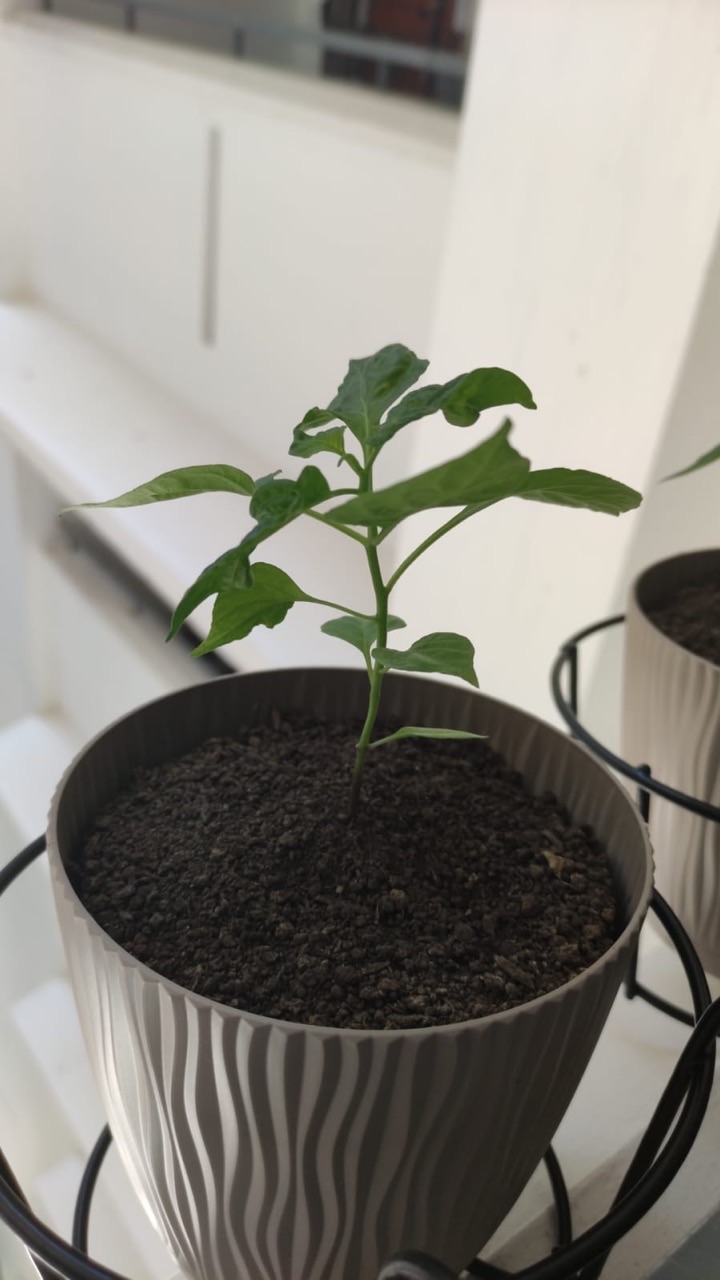
Punggol provides a useful setting for gardeners because the town combines residential services, parks, local food, community spaces and public transport. This guide prioritises ten achievable activities and explains how to choose them responsibly. It does not promise that every service, shop or programme is open on every date. Begin with a real purpose, check the operator and choose one neighbourhood cluster rather than racing between distant parts of the town.
The ten ideas below are organised for quick reading. They combine Punggol’s documented public amenities with practical learning or household tasks. The goal is to help readers make a sound decision and understand the relevant restrictions. Where an activity depends on a booking, application, personal health requirement or managed garden, obtain current confirmation rather than relying on a historical event description.
Ten activities at a glance
- 1. Observe aquatic planting at Punggol Waterway Park
- 2. Explore the public therapeutic garden respectfully
- 3. Learn NParks Community in Bloom membership routes
- 4. Check HDB and managing-body garden permissions
- 5. Start a safe container herb garden at home
- 6. Compare shade and airflow at different times
- 7. Use NParks references to identify native plants
- 8. Observe landscaped park connector sections
- 9. Keep a water-wise home growing diary
- 10. Join an authorised community sharing or garden activity
How to choose a worthwhile activity
First identify the people involved, time available, budget and actual transport. Check accessibility, weather and any child or wildlife safety considerations. A short indoor alternative is often preferable to forcing a long outdoor route. Distinguish official facts, your own observations and assumptions. Do not convert an illustrative price or plan into a claim about current local availability.
1. Observe aquatic planting at Punggol Waterway Park
Relevant reference: HDB Punggol town. This is an appropriate starting point for checking local context, but the actual operator’s present rules control admission, services and activity access.
What makes this activity useful
Observe aquatic planting at Punggol Waterway Park can become a practical Punggol experience when it answers a clear question rather than serving as a photo opportunity. Readers should consider why the activity fits their actual interests and constraints, whether it requires a managed programme or can be completed independently, and how it connects to a normal routine. It is better to finish one useful task than to visit several locations without learning anything.
How to prepare
Choose a realistic day and a public or authorised setting for observe aquatic planting at punggol waterway park. Check the exact venue or provider, access and current status. Decide on the essential equipment or documents and avoid unnecessary purchases. Plan the return journey before adding another stop. If the setting is shared with residents or other visitors, preserve their privacy and access. If there is a weather or safety concern, use a home-based or indoor alternative.
Worked local example
Imagine a Punggol resident interested in observe aquatic planting at punggol waterway park but uncertain where to begin. They read the relevant agency’s description, identify one suitable local option and make a short list of what can be verified. During the visit or home activity they note one useful detail and one limitation. They do not assume that a past listing is a current booking or that a planned facility is already available. Their result is a more informed future decision.
A practical checklist
- Confirm the actual provider or lawful public setting.
- Choose one specific goal and manageable duration.
- Check weather, transport and access before departure.
- Respect safety, privacy and any venue restrictions.
- Record one accurate outcome and an unresolved question.
What not to assume
The name of a Punggol facility does not establish that a particular appointment, class, stall or private room is available. Older photos may show arrangements that have changed. Do not enter controlled spaces or improvise specialist work. A general description is not a professional health, building, gardening or food-safety determination. The best response to uncertainty is to ask the responsible authority and adjust the plan.
A useful next step
Create a brief dated note with the official source, actual place, what was done and one improvement for next time. If the activity involved a household or family decision, share only the relevant practical information with the people concerned. Do not publish identifying details of children, neighbours or private homes. This modest result makes the activity repeatable rather than merely decorative.
2. Explore the public therapeutic garden respectfully
Relevant reference: PA One Punggol hub. This is an appropriate starting point for checking local context, but the actual operator’s present rules control admission, services and activity access.
What makes this activity useful
Explore the public therapeutic garden respectfully can become a practical Punggol experience when it answers a clear question rather than serving as a photo opportunity. Readers should consider why the activity fits their actual interests and constraints, whether it requires a managed programme or can be completed independently, and how it connects to a normal routine. It is better to finish one useful task than to visit several locations without learning anything.
How to prepare
Choose a realistic day and a public or authorised setting for explore the public therapeutic garden respectfully. Check the exact venue or provider, access and current status. Decide on the essential equipment or documents and avoid unnecessary purchases. Plan the return journey before adding another stop. If the setting is shared with residents or other visitors, preserve their privacy and access. If there is a weather or safety concern, use a home-based or indoor alternative.
Worked local example
Imagine a Punggol resident interested in explore the public therapeutic garden respectfully but uncertain where to begin. They read the relevant agency’s description, identify one suitable local option and make a short list of what can be verified. During the visit or home activity they note one useful detail and one limitation. They do not assume that a past listing is a current booking or that a planned facility is already available. Their result is a more informed future decision.
A practical checklist
- Confirm the actual provider or lawful public setting.
- Choose one specific goal and manageable duration.
- Check weather, transport and access before departure.
- Respect safety, privacy and any venue restrictions.
- Record one accurate outcome and an unresolved question.
What not to assume
The name of a Punggol facility does not establish that a particular appointment, class, stall or private room is available. Older photos may show arrangements that have changed. Do not enter controlled spaces or improvise specialist work. A general description is not a professional health, building, gardening or food-safety determination. The best response to uncertainty is to ask the responsible authority and adjust the plan.
A useful next step
Create a brief dated note with the official source, actual place, what was done and one improvement for next time. If the activity involved a household or family decision, share only the relevant practical information with the people concerned. Do not publish identifying details of children, neighbours or private homes. This modest result makes the activity repeatable rather than merely decorative.
3. Learn NParks Community in Bloom membership routes
Relevant reference: NParks Waterway Park. This is an appropriate starting point for checking local context, but the actual operator’s present rules control admission, services and activity access.
What makes this activity useful
Learn NParks Community in Bloom membership routes can become a practical Punggol experience when it answers a clear question rather than serving as a photo opportunity. Readers should consider why the activity fits their actual interests and constraints, whether it requires a managed programme or can be completed independently, and how it connects to a normal routine. It is better to finish one useful task than to visit several locations without learning anything.
How to prepare
Choose a realistic day and a public or authorised setting for learn nparks community in bloom membership routes. Check the exact venue or provider, access and current status. Decide on the essential equipment or documents and avoid unnecessary purchases. Plan the return journey before adding another stop. If the setting is shared with residents or other visitors, preserve their privacy and access. If there is a weather or safety concern, use a home-based or indoor alternative.
Worked local example
Imagine a Punggol resident interested in learn nparks community in bloom membership routes but uncertain where to begin. They read the relevant agency’s description, identify one suitable local option and make a short list of what can be verified. During the visit or home activity they note one useful detail and one limitation. They do not assume that a past listing is a current booking or that a planned facility is already available. Their result is a more informed future decision.
A practical checklist
- Confirm the actual provider or lawful public setting.
- Choose one specific goal and manageable duration.
- Check weather, transport and access before departure.
- Respect safety, privacy and any venue restrictions.
- Record one accurate outcome and an unresolved question.
What not to assume
The name of a Punggol facility does not establish that a particular appointment, class, stall or private room is available. Older photos may show arrangements that have changed. Do not enter controlled spaces or improvise specialist work. A general description is not a professional health, building, gardening or food-safety determination. The best response to uncertainty is to ask the responsible authority and adjust the plan.
A useful next step
Create a brief dated note with the official source, actual place, what was done and one improvement for next time. If the activity involved a household or family decision, share only the relevant practical information with the people concerned. Do not publish identifying details of children, neighbours or private homes. This modest result makes the activity repeatable rather than merely decorative.
4. Check HDB and managing-body garden permissions
Relevant reference: NLB Punggol Regional Library. This is an appropriate starting point for checking local context, but the actual operator’s present rules control admission, services and activity access.
What makes this activity useful
Check HDB and managing-body garden permissions can become a practical Punggol experience when it answers a clear question rather than serving as a photo opportunity. Readers should consider why the activity fits their actual interests and constraints, whether it requires a managed programme or can be completed independently, and how it connects to a normal routine. It is better to finish one useful task than to visit several locations without learning anything.
How to prepare
Choose a realistic day and a public or authorised setting for check hdb and managing-body garden permissions. Check the exact venue or provider, access and current status. Decide on the essential equipment or documents and avoid unnecessary purchases. Plan the return journey before adding another stop. If the setting is shared with residents or other visitors, preserve their privacy and access. If there is a weather or safety concern, use a home-based or indoor alternative.
Worked local example
Imagine a Punggol resident interested in check hdb and managing-body garden permissions but uncertain where to begin. They read the relevant agency’s description, identify one suitable local option and make a short list of what can be verified. During the visit or home activity they note one useful detail and one limitation. They do not assume that a past listing is a current booking or that a planned facility is already available. Their result is a more informed future decision.
A practical checklist
- Confirm the actual provider or lawful public setting.
- Choose one specific goal and manageable duration.
- Check weather, transport and access before departure.
- Respect safety, privacy and any venue restrictions.
- Record one accurate outcome and an unresolved question.
What not to assume
The name of a Punggol facility does not establish that a particular appointment, class, stall or private room is available. Older photos may show arrangements that have changed. Do not enter controlled spaces or improvise specialist work. A general description is not a professional health, building, gardening or food-safety determination. The best response to uncertainty is to ask the responsible authority and adjust the plan.
A useful next step
Create a brief dated note with the official source, actual place, what was done and one improvement for next time. If the activity involved a household or family decision, share only the relevant practical information with the people concerned. Do not publish identifying details of children, neighbours or private homes. This modest result makes the activity repeatable rather than merely decorative.
5. Start a safe container herb garden at home
Relevant reference: JTC Punggol Digital District. This is an appropriate starting point for checking local context, but the actual operator’s present rules control admission, services and activity access.
What makes this activity useful
Start a safe container herb garden at home can become a practical Punggol experience when it answers a clear question rather than serving as a photo opportunity. Readers should consider why the activity fits their actual interests and constraints, whether it requires a managed programme or can be completed independently, and how it connects to a normal routine. It is better to finish one useful task than to visit several locations without learning anything.
How to prepare
Choose a realistic day and a public or authorised setting for start a safe container herb garden at home. Check the exact venue or provider, access and current status. Decide on the essential equipment or documents and avoid unnecessary purchases. Plan the return journey before adding another stop. If the setting is shared with residents or other visitors, preserve their privacy and access. If there is a weather or safety concern, use a home-based or indoor alternative.
Worked local example
Imagine a Punggol resident interested in start a safe container herb garden at home but uncertain where to begin. They read the relevant agency’s description, identify one suitable local option and make a short list of what can be verified. During the visit or home activity they note one useful detail and one limitation. They do not assume that a past listing is a current booking or that a planned facility is already available. Their result is a more informed future decision.
A practical checklist
- Confirm the actual provider or lawful public setting.
- Choose one specific goal and manageable duration.
- Check weather, transport and access before departure.
- Respect safety, privacy and any venue restrictions.
- Record one accurate outcome and an unresolved question.
What not to assume
The name of a Punggol facility does not establish that a particular appointment, class, stall or private room is available. Older photos may show arrangements that have changed. Do not enter controlled spaces or improvise specialist work. A general description is not a professional health, building, gardening or food-safety determination. The best response to uncertainty is to ask the responsible authority and adjust the plan.
A useful next step
Create a brief dated note with the official source, actual place, what was done and one improvement for next time. If the activity involved a household or family decision, share only the relevant practical information with the people concerned. Do not publish identifying details of children, neighbours or private homes. This modest result makes the activity repeatable rather than merely decorative.
6. Compare shade and airflow at different times
Relevant reference: LTA rail network. This is an appropriate starting point for checking local context, but the actual operator’s present rules control admission, services and activity access.
What makes this activity useful
Compare shade and airflow at different times can become a practical Punggol experience when it answers a clear question rather than serving as a photo opportunity. Readers should consider why the activity fits their actual interests and constraints, whether it requires a managed programme or can be completed independently, and how it connects to a normal routine. It is better to finish one useful task than to visit several locations without learning anything.
How to prepare
Choose a realistic day and a public or authorised setting for compare shade and airflow at different times. Check the exact venue or provider, access and current status. Decide on the essential equipment or documents and avoid unnecessary purchases. Plan the return journey before adding another stop. If the setting is shared with residents or other visitors, preserve their privacy and access. If there is a weather or safety concern, use a home-based or indoor alternative.
Worked local example
Imagine a Punggol resident interested in compare shade and airflow at different times but uncertain where to begin. They read the relevant agency’s description, identify one suitable local option and make a short list of what can be verified. During the visit or home activity they note one useful detail and one limitation. They do not assume that a past listing is a current booking or that a planned facility is already available. Their result is a more informed future decision.
A practical checklist
- Confirm the actual provider or lawful public setting.
- Choose one specific goal and manageable duration.
- Check weather, transport and access before departure.
- Respect safety, privacy and any venue restrictions.
- Record one accurate outcome and an unresolved question.
What not to assume
The name of a Punggol facility does not establish that a particular appointment, class, stall or private room is available. Older photos may show arrangements that have changed. Do not enter controlled spaces or improvise specialist work. A general description is not a professional health, building, gardening or food-safety determination. The best response to uncertainty is to ask the responsible authority and adjust the plan.
A useful next step
Create a brief dated note with the official source, actual place, what was done and one improvement for next time. If the activity involved a household or family decision, share only the relevant practical information with the people concerned. Do not publish identifying details of children, neighbours or private homes. This modest result makes the activity repeatable rather than merely decorative.
7. Use NParks references to identify native plants
Relevant reference: Waterway Point amenities. This is an appropriate starting point for checking local context, but the actual operator’s present rules control admission, services and activity access.
What makes this activity useful
Use NParks references to identify native plants can become a practical Punggol experience when it answers a clear question rather than serving as a photo opportunity. Readers should consider why the activity fits their actual interests and constraints, whether it requires a managed programme or can be completed independently, and how it connects to a normal routine. It is better to finish one useful task than to visit several locations without learning anything.
How to prepare
Choose a realistic day and a public or authorised setting for use nparks references to identify native plants. Check the exact venue or provider, access and current status. Decide on the essential equipment or documents and avoid unnecessary purchases. Plan the return journey before adding another stop. If the setting is shared with residents or other visitors, preserve their privacy and access. If there is a weather or safety concern, use a home-based or indoor alternative.
Worked local example
Imagine a Punggol resident interested in use nparks references to identify native plants but uncertain where to begin. They read the relevant agency’s description, identify one suitable local option and make a short list of what can be verified. During the visit or home activity they note one useful detail and one limitation. They do not assume that a past listing is a current booking or that a planned facility is already available. Their result is a more informed future decision.
A practical checklist
- Confirm the actual provider or lawful public setting.
- Choose one specific goal and manageable duration.
- Check weather, transport and access before departure.
- Respect safety, privacy and any venue restrictions.
- Record one accurate outcome and an unresolved question.
What not to assume
The name of a Punggol facility does not establish that a particular appointment, class, stall or private room is available. Older photos may show arrangements that have changed. Do not enter controlled spaces or improvise specialist work. A general description is not a professional health, building, gardening or food-safety determination. The best response to uncertainty is to ask the responsible authority and adjust the plan.
A useful next step
Create a brief dated note with the official source, actual place, what was done and one improvement for next time. If the activity involved a household or family decision, share only the relevant practical information with the people concerned. Do not publish identifying details of children, neighbours or private homes. This modest result makes the activity repeatable rather than merely decorative.
8. Observe landscaped park connector sections
Relevant reference: HDB Punggol town. This is an appropriate starting point for checking local context, but the actual operator’s present rules control admission, services and activity access.
What makes this activity useful
Observe landscaped park connector sections can become a practical Punggol experience when it answers a clear question rather than serving as a photo opportunity. Readers should consider why the activity fits their actual interests and constraints, whether it requires a managed programme or can be completed independently, and how it connects to a normal routine. It is better to finish one useful task than to visit several locations without learning anything.
How to prepare
Choose a realistic day and a public or authorised setting for observe landscaped park connector sections. Check the exact venue or provider, access and current status. Decide on the essential equipment or documents and avoid unnecessary purchases. Plan the return journey before adding another stop. If the setting is shared with residents or other visitors, preserve their privacy and access. If there is a weather or safety concern, use a home-based or indoor alternative.
Worked local example
Imagine a Punggol resident interested in observe landscaped park connector sections but uncertain where to begin. They read the relevant agency’s description, identify one suitable local option and make a short list of what can be verified. During the visit or home activity they note one useful detail and one limitation. They do not assume that a past listing is a current booking or that a planned facility is already available. Their result is a more informed future decision.
A practical checklist
- Confirm the actual provider or lawful public setting.
- Choose one specific goal and manageable duration.
- Check weather, transport and access before departure.
- Respect safety, privacy and any venue restrictions.
- Record one accurate outcome and an unresolved question.
What not to assume
The name of a Punggol facility does not establish that a particular appointment, class, stall or private room is available. Older photos may show arrangements that have changed. Do not enter controlled spaces or improvise specialist work. A general description is not a professional health, building, gardening or food-safety determination. The best response to uncertainty is to ask the responsible authority and adjust the plan.
A useful next step
Create a brief dated note with the official source, actual place, what was done and one improvement for next time. If the activity involved a household or family decision, share only the relevant practical information with the people concerned. Do not publish identifying details of children, neighbours or private homes. This modest result makes the activity repeatable rather than merely decorative.
9. Keep a water-wise home growing diary
Relevant reference: PA One Punggol hub. This is an appropriate starting point for checking local context, but the actual operator’s present rules control admission, services and activity access.
What makes this activity useful
Keep a water-wise home growing diary can become a practical Punggol experience when it answers a clear question rather than serving as a photo opportunity. Readers should consider why the activity fits their actual interests and constraints, whether it requires a managed programme or can be completed independently, and how it connects to a normal routine. It is better to finish one useful task than to visit several locations without learning anything.
How to prepare
Choose a realistic day and a public or authorised setting for keep a water-wise home growing diary. Check the exact venue or provider, access and current status. Decide on the essential equipment or documents and avoid unnecessary purchases. Plan the return journey before adding another stop. If the setting is shared with residents or other visitors, preserve their privacy and access. If there is a weather or safety concern, use a home-based or indoor alternative.
Worked local example
Imagine a Punggol resident interested in keep a water-wise home growing diary but uncertain where to begin. They read the relevant agency’s description, identify one suitable local option and make a short list of what can be verified. During the visit or home activity they note one useful detail and one limitation. They do not assume that a past listing is a current booking or that a planned facility is already available. Their result is a more informed future decision.
A practical checklist
- Confirm the actual provider or lawful public setting.
- Choose one specific goal and manageable duration.
- Check weather, transport and access before departure.
- Respect safety, privacy and any venue restrictions.
- Record one accurate outcome and an unresolved question.
What not to assume
The name of a Punggol facility does not establish that a particular appointment, class, stall or private room is available. Older photos may show arrangements that have changed. Do not enter controlled spaces or improvise specialist work. A general description is not a professional health, building, gardening or food-safety determination. The best response to uncertainty is to ask the responsible authority and adjust the plan.
A useful next step
Create a brief dated note with the official source, actual place, what was done and one improvement for next time. If the activity involved a household or family decision, share only the relevant practical information with the people concerned. Do not publish identifying details of children, neighbours or private homes. This modest result makes the activity repeatable rather than merely decorative.
10. Join an authorised community sharing or garden activity
Relevant reference: NParks Waterway Park. This is an appropriate starting point for checking local context, but the actual operator’s present rules control admission, services and activity access.
What makes this activity useful
Join an authorised community sharing or garden activity can become a practical Punggol experience when it answers a clear question rather than serving as a photo opportunity. Readers should consider why the activity fits their actual interests and constraints, whether it requires a managed programme or can be completed independently, and how it connects to a normal routine. It is better to finish one useful task than to visit several locations without learning anything.
How to prepare
Choose a realistic day and a public or authorised setting for join an authorised community sharing or garden activity. Check the exact venue or provider, access and current status. Decide on the essential equipment or documents and avoid unnecessary purchases. Plan the return journey before adding another stop. If the setting is shared with residents or other visitors, preserve their privacy and access. If there is a weather or safety concern, use a home-based or indoor alternative.
Worked local example
Imagine a Punggol resident interested in join an authorised community sharing or garden activity but uncertain where to begin. They read the relevant agency’s description, identify one suitable local option and make a short list of what can be verified. During the visit or home activity they note one useful detail and one limitation. They do not assume that a past listing is a current booking or that a planned facility is already available. Their result is a more informed future decision.
A practical checklist
- Confirm the actual provider or lawful public setting.
- Choose one specific goal and manageable duration.
- Check weather, transport and access before departure.
- Respect safety, privacy and any venue restrictions.
- Record one accurate outcome and an unresolved question.
What not to assume
The name of a Punggol facility does not establish that a particular appointment, class, stall or private room is available. Older photos may show arrangements that have changed. Do not enter controlled spaces or improvise specialist work. A general description is not a professional health, building, gardening or food-safety determination. The best response to uncertainty is to ask the responsible authority and adjust the plan.
A useful next step
Create a brief dated note with the official source, actual place, what was done and one improvement for next time. If the activity involved a household or family decision, share only the relevant practical information with the people concerned. Do not publish identifying details of children, neighbours or private homes. This modest result makes the activity repeatable rather than merely decorative.
Three ways to organise a Punggol day
Central Punggol
Use the central MRT, Waterway Point and One Punggol as the main cluster where appropriate. A meal, library resource or practical errand can be enough. Check the relevant opening hours and do not assume that community rooms or programmes can be used without booking.
Northshore or Oasis
Choose a local centre that serves the household’s real purpose. Northshore Plaza has a seafront community-spine context while Oasis Terraces combines retail with other daily services. Public circulation is not necessarily completely sheltered, and individual services have their own eligibility.
Punggol Coast
Punggol Coast MRT serves the newer Digital District, public retail and food areas. JTC’s published information distinguishes operating amenities from planned extensions. Do not enter private university or business premises or rely on a future path as a current shortcut.
Ten-point planning checklist
- Choose the most useful single activity.
- Name the correct Punggol station or venue.
- Check the operator’s current page.
- Confirm eligibility and booking if relevant.
- Budget for genuine costs rather than invented prices.
- Keep weather and health requirements in mind.
- Use lawful public paths and respect privacy.
- Prepare a short alternative if the main plan is unavailable.
- Record what actually happened.
- Revisit the activity only when it continues to serve a need.
Frequently asked questions
Can I do these activities without paying?
Some public observation and home activities have no separate ticket, while food, supplies, transport and programmes can cost money. Check current terms.
Do I need to book?
Only the actual provider can confirm. A public park walk differs from a room rental, class, medical appointment or organised garden activity.
Is every activity suitable for children?
No. Match the activity to the child’s age, supervision needs and the specific equipment or venue rules.
What if the weather is bad?
Postpone exposed activities or use an appropriate indoor alternative. Lightning and unsafe heat take priority.
Can I combine all ten in one day?
It is usually better to choose one or two geographically close activities and complete them comfortably.
How do I verify the information?
Use the responsible agency or venue’s current source, record the date and distinguish its claims from personal observations.
Official Punggol sources
- HDB Punggol town
- PA One Punggol hub
- NParks Waterway Park
- NLB Punggol Regional Library
- JTC Punggol Digital District
- LTA rail network
- Waterway Point amenities
What to do first
Select the most relevant idea for gardeners, confirm its actual conditions and complete one manageable task. A useful Punggol experience is one that respects people, place and current facts. The remaining ideas can wait for a day when they genuinely fit the reader’s needs.


