
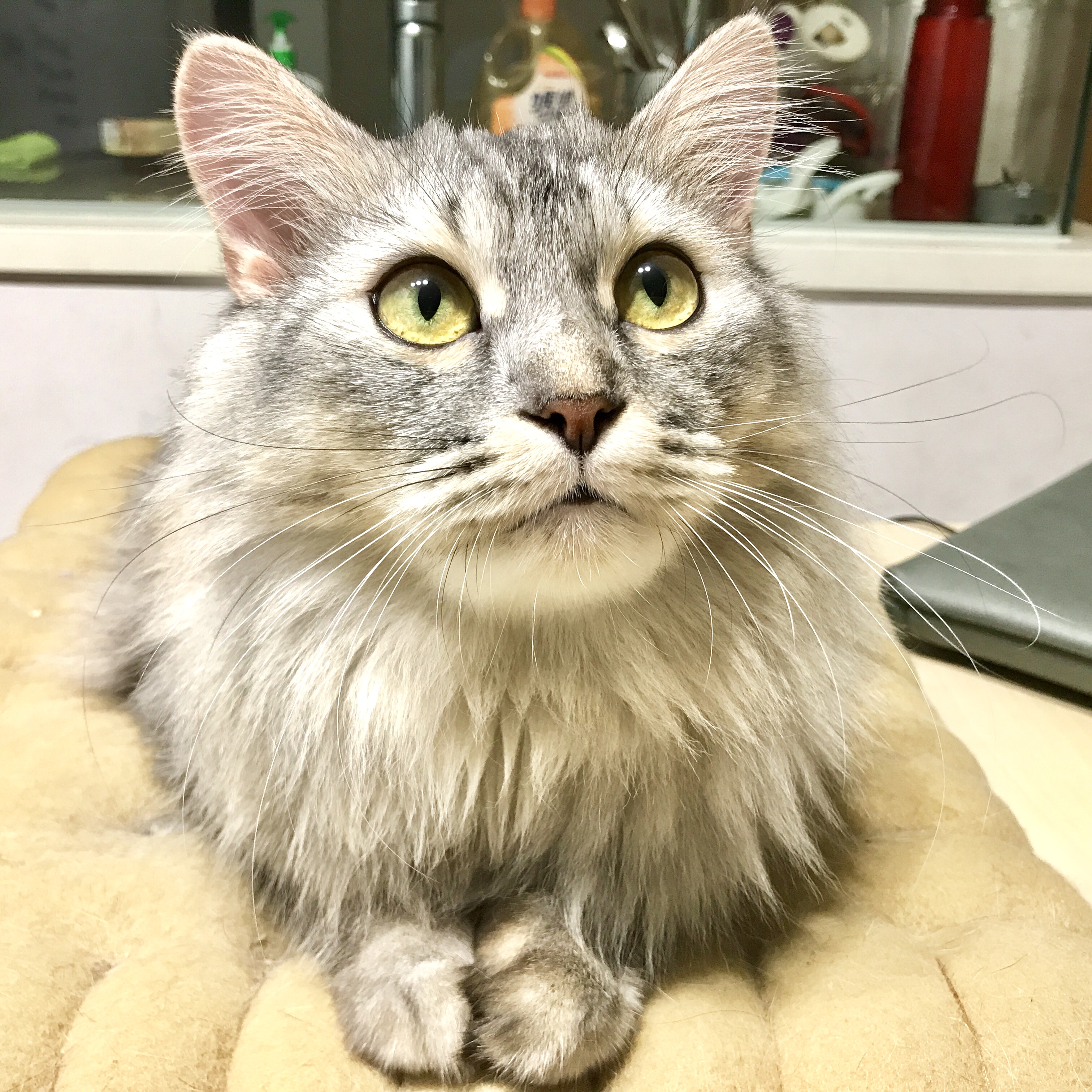
**The most useful things to do in Punggol for cat lovers begin at home, not at a pet café.** Singapore’s cat-keeping framework changed substantially by September 2026: pet cats now need microchips and AVS licences, and owners must prevent roaming and falls from high-rise homes. A new cat household in Punggol can do something genuinely worthwhile this weekend by checking its licensing records, making a window or service-yard area safe, and designing a gentle enrichment routine suited to its cat.
This top-ten guide covers understanding the post-transition AVS licensing rules, checking the HDB or private-home pet limit, reviewing high-rise meshing and safe confinement, creating an enrichment circuit indoors, planning food and veterinary care, practising calm carrier use, building a lost-cat and emergency-contact plan, learning ethical adoption through an AVS-listed animal group, observing community cats responsibly without disturbing them, and helping recognised animal-welfare partners through appropriate channels. Each is a distinct activity. The list is not ten cat cafés, nor is it permission to take a free-roaming pet into parks, shops or sensitive wildlife habitats.
The **current 2026 legal distinction is important**. AVS says the two-year licensing transition ended on 31 August 2026, with licensing mandatory from 1 September. Up to two pet cats are generally allowed in an HDB flat, with special grandfathering conditions for additional existing cats licensed during the transition. A private residence generally allows a maximum of three cats and/or dogs, subject to the specific framework and management rules. A first-time licence applicant completes AVS’s online Pet Ownership Course, and the cat must be microchipped. The old free transition-period licence fees should not be advertised as a new October 2026 offer.
A cat lover does not need to own a cat to participate responsibly. Someone who admires community cats can learn AVS’s respectful encounter and TNRM guidance or seek an authorised welfare-group role. The valuable part is protecting animals and neighbours, not feeding, moving, handling or photographing a vulnerable cat without regard for its safety. This article provides the current authority sources and concrete steps so readers can choose a genuinely appropriate activity.
At a glance: ten cat-friendly activities that respect the animal
- 1. Audit your cat’s microchip and AVS licence after the 2026 deadline — At home in Punggol using the official Pet Animal Licensing System, with veterinary help for any unchipped cat.
- 2. Understand your HDB flat or condominium pet limit before adding another cat — Your actual Punggol home and the relevant AVS, HDB or estate management rules.
- 3. Inspect the high-rise home for safe windows and escape routes — An owned or lawfully occupied Punggol HDB or private residence, especially windows and service yards.
- 4. Design a calm indoor enrichment circuit from the cat’s natural behaviours — A secure, familiar room or series of safe indoor spaces in the Punggol home.
- 5. Make a veterinary and nutrition care map rather than guessing quantities — A licensed veterinary clinic selected by the owner, with home planning and verified booking.
- 6. Practise carrier comfort and a safe trip without taking cats on forced outings — A quiet room at home, with controlled transport only when legitimately needed.
- 7. Build a lost-cat and household emergency plan that protects personal details — The Punggol home, using AVS traceability, neighbours’ legitimate contacts and a secure private record.
- 8. Learn ethical adoption from a recognised animal-welfare group — Official AVS-listed cat rescue or adoption-group programmes, joined only by the group’s current process.
- 9. Observe Punggol community cats respectfully without turning them into attractions — Ordinary lawful neighbourhood public spaces where community cats happen to be present; no guaranteed ‘cat-spotting’ location.
- 10. Support AVS-recognised TNRM partners without trapping cats on your own — Authorised partner animal-group outreach and volunteer roles; not an unsupervised Punggol trapping trip.
Several activities are intentionally at home or with an authorised agency. A real cat’s welfare, a high-rise home’s safety and neighbours’ comfort are more important than creating a travel itinerary around an animal. Visitors without cats have meaningful roles through education and legitimate welfare support.
How to choose responsible cat activities
Know whose cat it is
First identify whether you are a cat owner, prospective adopter, fosterer or neighbour. Pet cats need an owner, microchip and licence; community cats are managed under a different AVS framework. Treating every cat found outside as available for adoption or every friendly community cat as an unlicensed pet is a mistake. Respect the status and health of the animal before deciding what action is needed.
Use the post-transition 2026 requirements
Check the calendar on cat law. AVS’s free transition-period licensing ran from September 2024 to August 2026. From 1 September 2026, normal applicable licence charges and enforcement requirements apply. An older guide saying ‘licensing is free for two years’ is historical, not a current promise. Use official PALS and AVS pages for real ownership, sterilisation and licence details.
Start with safe high-rise living
Make high-rise safety a daily practice. In an HDB flat or condominium, open windows, balconies and service yards pose risks of falling or roaming. AVS recommends suitable mesh, screens or barriers and requires reasonable safeguards. Security and enrichment belong together: a cat can enjoy climbing, scratching and exploring indoors without being allowed to wander into neighbours’ homes or public corridors.
Use individual veterinary guidance
Follow veterinary advice for the individual cat. AVS provides general food and enrichment information, but an animal’s age, body condition, medical history, pregnancy or special needs change its care. Do not invent a feeding quantity, dose or treatment from a generic online plan. Licensed veterinary professionals can evaluate illness, vaccination, microchipping and sterilisation suitability.
Respect community cat caregiving
Respect community cat caregivers and neighbours. AVS advises moving calmly, allowing the cat to approach voluntarily, supervising children and never chasing or cornering an animal. Formal TNRM work is handled with animal groups and approved caregivers. If you want to help, find the legitimate partner rather than trapping, relocating or feeding an animal in a way that creates nuisance.
Choose a small verified improvement
Choose one achievable action and document it accurately. A weekend of safe home inspection or improving a cat’s hiding space may help more than purchasing a basket of new accessories. For a community activity, successful participation may mean asking a welfare group about an existing need and waiting for its approval, rather than arriving at a location to take over somebody else’s caregiving.
Ten Punggol cat-lover activities explained
1. Audit your cat’s microchip and AVS licence after the 2026 deadline
Where: At home in Punggol using the official Pet Animal Licensing System, with veterinary help for any unchipped cat.
What AVS verifies
AVS confirms that all pet cats must be licensed, that the two-year transition ended 31 August 2026, and that an offence can arise from keeping an unlicensed pet cat after that date. A microchip is required before licensing and first-time applicants complete the free Pet Ownership Course. The 2026 post-transition fee table differs from the previous free-licence window, so avoid quoting an old offer as today’s price.
How to do the activity
Check that your cat’s implanted microchip number matches the identification on its current PALS licence. If you are a first-time applicant, read the current AVS course and licence instructions, then have a veterinarian handle microchipping if needed. Verify the address and owner records are correct. Keep confirmation information securely, without posting the chip number or personal details in a public social-media group.
Worked Punggol example
A household adopted its cat before the licensing requirement and remembers registering with a welfare group. On checking the current AVS FAQ, it learns that an earlier animal-group database entry does not replace PALS licensing. The owner confirms the microchip and applies using the official process, rather than assuming the old rescue paperwork alone is sufficient.
Safety, legality and practical limits
This guide is not a licence application service or a fee quote for every household. Sterilised, unsterilised and additional cats can have different fees and grandfathering status. AVS determines eligibility and enforcement. Never share login credentials or identifying numbers with an unofficial page promising instant registration.
Why it is worth doing
This is the most time-sensitive and concrete 2026 cat-lover activity. It protects traceability and makes later emergency planning possible, instead of building an attractive cat corner while a mandatory ownership requirement remains unmet.
One useful next result
Create a private record containing the vet clinic contact, licence status, next relevant date and official PALS link. Keep pet identification out of public-facing photos.
Authority: Official AVS guidance for this cat-welfare activity. Current legislation, eligibility and veterinary care outrank any older social-media advice.
2. Understand your HDB flat or condominium pet limit before adding another cat
Where: Your actual Punggol home and the relevant AVS, HDB or estate management rules.
What AVS verifies
AVS’s ownership-limit page, updated September 2026, states up to two cats may be kept in an HDB residential unit alongside one dog of an approved breed. Private premises generally allow a maximum of three cats and/or dogs. Owners with additional cats existing before September 2024 could qualify under transition conditions if they licensed those existing animals by August 2026; buying an additional cat later is not the same situation.
How to do the activity
Count the actual animals in the household, distinguish a pet from a registered community animal, and consult the AVS ownership table that applies to your premises. If you live in a condominium, also check relevant management restrictions and the licence requirements. Ask questions through AVS rather than deciding independently that a foster arrangement overrides the law.
Worked Punggol example
A family with two cats in a Punggol HDB flat wants to adopt a third after seeing an appealing photograph. Instead of assuming the 2024–2026 transition provision allows unlimited future adoptions, they check AVS and recognise that grandfathering applies to defined existing cats with timely licensing, not newly acquired animals. They support the shelter through other means.
Safety, legality and practical limits
Do not equate a particular HDB household’s grandfathered animals with the default limit for a new buyer. Private residence rules may have additional estate conditions. Animal welfare is a lifelong obligation, and space, enrichment, household preferences and finances matter even where the numerical limit allows another pet.
Why it is worth doing
This activity prevents well-intentioned but impractical adoption decisions. A responsible cat enthusiast can choose not to add a pet and still improve welfare through donations, approved volunteering or assistance to existing caregivers.
One useful next result
Write down the actual household pet count, applicable residence type and authority reference. Keep household details private and verify with AVS before a proposed change.
Authority: Official AVS guidance for this cat-welfare activity. Current legislation, eligibility and veterinary care outrank any older social-media advice.
3. Inspect the high-rise home for safe windows and escape routes
Where: An owned or lawfully occupied Punggol HDB or private residence, especially windows and service yards.
What AVS verifies
AVS’s licensing conditions require owners to keep cats in a safe environment and take reasonable steps to prevent roaming and falling from heights. Mesh, grilles, screens and suitable barriers are listed approaches. This is especially important in a high-rise neighbourhood, where windows and balcony openings can be hazards even if a cat has never tried to escape before.
How to do the activity
Walk through the home room by room without stressing the animal. Check accessible windows, balcony gaps, service-yard openings and places where the cat could climb to reach a ledge. Inspect whether barriers are suitable and reliably secured; if structural or window work is required, use approved professionals and comply with estate rules. Choose a safe supervised indoor place for the cat while work is done.
Worked Punggol example
A Punggol resident believes a cat will never jump because it is quiet during the day. A window-safety review reveals that a movable shelf gives the cat access to an open window. The resident changes the furniture arrangement and obtains suitable protection rather than testing whether the cat ‘knows not to jump’.
Safety, legality and practical limits
Do not provide unsafe DIY installation instructions for exterior windows or cut HDB fixtures without the necessary permissions. A screen that keeps insects out is not necessarily strong enough for an animal. Avoid leaving tools, cords, or unattached mesh panels where the cat can chew or become trapped.
Why it is worth doing
Prevention is more useful than treating a fall or a runaway cat afterward. The visit can be a simple household checklist, and the benefit comes from correcting a specific risk instead of buying unnecessary decorative accessories.
One useful next result
Create a room-by-room hazard checklist with an owner for each action and a date of confirmation, avoiding photos that expose your home address or security arrangements.
Authority: Official AVS guidance for this cat-welfare activity. Current legislation, eligibility and veterinary care outrank any older social-media advice.
4. Design a calm indoor enrichment circuit from the cat’s natural behaviours
Where: A secure, familiar room or series of safe indoor spaces in the Punggol home.
What AVS verifies
AVS’s October 2026 cat-care guide encourages indoor living with enrichment for scratching, climbing, hiding, play and foraging. It names safe scratchers, elevated resting platforms, hiding boxes and interactive feeders. The guide specifically warns against unsupervised string, yarn, rubber bands and aluminium foil because swallowing them can cause dangerous obstruction.
How to do the activity
Observe whether the cat likes a quiet hiding place, a vertical resting view or brief prey-like play. Choose one safe existing object or appropriate enrichment item, introduce it without forcing contact, and allow the animal to leave when finished. Rotate activities gradually rather than filling the room with several new scents and noises at once. Follow the care guide for toy safety.
Worked Punggol example
A cat owner worries that an indoor cat is ‘bored’ and buys multiple noisy toys. The cat ignores them but repeatedly chooses a cardboard hiding box. The owner recognises that the animal may value control of its resting place, keeps the box in a safe location and uses short, supervised play rather than insisting on a single entertainment style.
Safety, legality and practical limits
Toys with swallowable pieces, strings and unstable climbing furniture create hazards. Enrichment should fit the individual cat’s age, health and tolerance; anxious cats can react poorly to sudden changes. A care article cannot diagnose behavioural illness or prescribe treatment.
Why it is worth doing
This is a genuinely cat-centred leisure activity in Punggol because the cat, not the owner, decides whether an environment feels useful. It is inexpensive when an existing safe box or resting spot meets the need.
One useful next result
Keep a small observation log: preferred location, play response, rest habits and any issue to discuss with a veterinarian if behaviour changes.
Authority: Official AVS guidance for this cat-welfare activity. Current legislation, eligibility and veterinary care outrank any older social-media advice.
5. Make a veterinary and nutrition care map rather than guessing quantities
Where: A licensed veterinary clinic selected by the owner, with home planning and verified booking.
What AVS verifies
AVS explains that cats are obligate carnivores and need complete, age-appropriate diets. It highlights changes in nutrition needs for kittens and pregnant or nursing animals, body condition monitoring and appropriate veterinary support. No single feeding amount or vaccination protocol applies to all cats, and an online article should not invent a local clinic’s appointment availability or fee.
How to do the activity
Record your cat’s approximate age, current diet, relevant veterinary history, known allergies or prescribed items and routine questions for a licensed professional. Read the product’s feeding information but ask the veterinarian about amounts, body condition and any individual health concerns. Confirm actual clinic booking and transport before a medical visit. Prepare the carrier as part of the plan rather than improvising on appointment day.
Worked Punggol example
An owner compares two foods marketed for different life stages. Instead of choosing by a dramatic health claim alone, they check whether the food is complete for the animal’s age and ask their veterinarian about its suitability. They keep the existing feeding pattern stable until appropriate professional advice is available.
Safety, legality and practical limits
Do not recommend medications, parasite treatments, supplements or raw-food changes without relevant professional advice. Veterinary bills, operating hours and availability vary. An apparently healthy cat can still require preventive care, while unusual symptoms may warrant prompt assessment.
Why it is worth doing
A clear care plan makes everyday pet ownership more manageable and protects the animal from enthusiastic but incorrect internet experimentation. It also avoids turning a recreational article into a diagnosis.
One useful next result
Prepare a private one-page vet visit checklist, with emergency contact, carrier readiness, diet record and specific questions—not sensitive household details posted publicly.
Authority: Official AVS guidance for this cat-welfare activity. Current legislation, eligibility and veterinary care outrank any older social-media advice.
6. Practise carrier comfort and a safe trip without taking cats on forced outings
Where: A quiet room at home, with controlled transport only when legitimately needed.
What AVS verifies
AVS requires cats in public to remain under physical control, such as in a carrier or appropriate harness, rather than roaming freely. The general cat-care guidance also emphasises enrichment and reduction of avoidable stress. A quiet cat is not necessarily comfortable with being placed in a busy mall, nature reserve or crowded transport interchange for photographs.
How to do the activity
Place a stable appropriate carrier in a familiar safe part of the home, with the door open for voluntary inspection when supervised. Pair brief calm interactions with normal positive routines and avoid forcing the cat inside for entertainment. For an actual veterinary journey, check the current transport operator’s pet policy, secure the carrier properly and plan to minimise waiting and heat exposure.
Worked Punggol example
A cat owner wants to bring the family pet to Coney Island for a social-media video. The animal becomes agitated when handled. They decide the outing would not serve the cat’s welfare, keep enrichment at home and use carrier acclimation only for essential journeys such as veterinary appointments.
Safety, legality and practical limits
Public transport, malls, parks and taxis have different animal entry rules; do not assume every venue in Punggol is pet-friendly. Harnesses must be properly fitted and should not be treated as universally suitable for cats. Distress or escape risk may require professional advice.
Why it is worth doing
Learning to make necessary transport safer is a much better cat-lover activity than staging forced scenic adventures. The pet’s comfort and public access rules are the deciding factors.
One useful next result
Write a veterinary-trip plan specifying approved transport, carrier, needed paperwork and a quiet route home. Do not promise that any named venue accepts cats without current confirmation.
Authority: Official AVS guidance for this cat-welfare activity. Current legislation, eligibility and veterinary care outrank any older social-media advice.
7. Build a lost-cat and household emergency plan that protects personal details
Where: The Punggol home, using AVS traceability, neighbours’ legitimate contacts and a secure private record.
What AVS verifies
AVS explains that a microchip and current licence or registration help identify animals that are found and support reunion with their owners. The PALS system handles owner and pet details, while changes such as a lost animal should be reported according to AVS’s licensing guidance. This matters in Punggol high-rise corridors where an open door can create a sudden escape.
How to do the activity
Confirm licence and microchip records, select a trusted household contact and decide who will secure remaining pets during an emergency. Keep a recent clear cat photo and official support contacts privately. If the pet becomes missing, follow AVS’s current reporting guidance and contact appropriate authorised channels. Distribute necessary lost-pet information thoughtfully without exposing family identity numbers or sensitive home security details.
Worked Punggol example
A family has a clear photo of its cat but the licensing record still shows a previous address. During a routine review, they correct the official information and create a checklist for what to do if a corridor door is left open. The exercise takes less effort than a weekend outing but has clear welfare value.
Safety, legality and practical limits
Do not post microchip IDs, household access codes or unnecessary personal details on open platforms. Avoid searching dangerous drains, water edges or work areas without appropriate assistance. A social-media message should not be used to accuse neighbours or spread rumours about an animal’s whereabouts.
Why it is worth doing
Preparedness is a concrete responsibility, not an alarming story. A short accurate plan can be kept current and shared only with the people who genuinely need it.
One useful next result
Create a confidential cat emergency sheet with photo, vet, authority link, backup contact and household responsibilities. Test that every adult knows where it is stored.
Authority: Official AVS guidance for this cat-welfare activity. Current legislation, eligibility and veterinary care outrank any older social-media advice.
8. Learn ethical adoption from a recognised animal-welfare group
Where: Official AVS-listed cat rescue or adoption-group programmes, joined only by the group’s current process.
What AVS verifies
AVS’s adoption guide lists cat rehoming partners including Cat Welfare Society, Love Kuching Project and LUNI Singapore. It explains why responsible adoption can give animals a new home and why medical preparation or an adoption fee may be involved. A listing of an animal group does not establish that a specific kitten is available for same-day pickup or that anybody may enter a foster home uninvited.
How to do the activity
If you are considering an adoption, first check the HDB or private-home cat limit, family agreement and ability to provide lifelong care. Study the actual group’s process, eligibility, matching and medical arrangements. Ask about temperament, transition and any ongoing care needs. When adding a cat is not suitable, enquire about an authorised donation, supplies or volunteer role instead.
Worked Punggol example
A young adult loves cats but lives with relatives who are uncomfortable with new pets. Rather than taking home a kitten and hoping the household adapts, they learn about welfare-group needs and choose a realistic way to help while planning responsible ownership for the future.
Safety, legality and practical limits
A rescue group is not a walk-in cat café or public play attraction. Screening, fees and home conditions vary. Do not pressure volunteers, adopt impulsively, or assume cats that have been rehomed are always free of illness or behavioural adjustment needs.
Why it is worth doing
This activity channels affection into understanding welfare and realistic commitment. The decision not to adopt can be the responsible outcome when circumstances are unsuitable.
One useful next result
Write an adoption readiness checklist with housing limit, secure environment, vet costs, lifelong care and official adoption contacts. Share no fosterer’s private address without consent.
Authority: Official AVS guidance for this cat-welfare activity. Current legislation, eligibility and veterinary care outrank any older social-media advice.
9. Observe Punggol community cats respectfully without turning them into attractions
Where: Ordinary lawful neighbourhood public spaces where community cats happen to be present; no guaranteed ‘cat-spotting’ location.
What AVS verifies
AVS’s September 2026 community cat guidance tells people to remain quiet, keep distance, let cats approach voluntarily, supervise children and avoid staring, chasing or cornering animals. It distinguishes community cats from owned pet cats, whose licences are mandatory. A cat found in an HDB neighbourhood is not automatically abandoned or available for rescue.
How to do the activity
If you encounter a cat naturally during an ordinary errand, stop only at a safe distance that does not block neighbours. Observe behaviour quietly, and move on if the animal retreats or seems stressed. Ask children not to pick up, chase or feed unfamiliar animals. If you want to learn about community care, read AVS’s published caregiver guidance instead of taking control of an established feeder’s work.
Worked Punggol example
A Punggol resident sees a friendly community cat on a block walkway and wants to take it home immediately. Reading AVS’s advice, they realise the cat may have a registered community caregiver and a stable territory. They observe respectfully and seek authorised assistance only if there is a genuine welfare concern.
Safety, legality and practical limits
Do not advertise precise feeding or sleeping locations to attract crowds, handle an animal without need, relocate it or leave food waste in public. Cat photographs should avoid showing identifiable residents or private home entrances. Protect public hygiene and coexistence even when the cat is friendly.
Why it is worth doing
This is a meaningful no-cost activity for people who love animals but cannot keep pets. Respect, patience and careful reading are contributions in their own right.
One useful next result
Keep a short private natural-history note about behaviour observed and identify one piece of AVS guidance it illustrates. Do not publish sensitive location details.
Authority: Official AVS guidance for this cat-welfare activity. Current legislation, eligibility and veterinary care outrank any older social-media advice.
10. Support AVS-recognised TNRM partners without trapping cats on your own
Where: Authorised partner animal-group outreach and volunteer roles; not an unsupervised Punggol trapping trip.
What AVS verifies
AVS’s October 2026 TNRM programme describes Trap-Neuter-Rehome/Release-Manage for community cats, involving microchipping, sterilisation, marking and appropriate rehoming or managed return. It lists Cat Welfare Society as lead partner alongside other animal groups and explains that caregivers can seek professional help. This is a managed animal-welfare system, not permission for enthusiasts to trap or relocate animals informally.
How to do the activity
Choose an official animal group from AVS’s TNRM partner list and check whether it currently needs volunteers, fosterers or financial support. Read the requirements before offering to handle animals. For a specific cat welfare concern, use AVS or partner instructions rather than undertaking capture yourself. Record the agreed task, training and confidentiality conditions before participation.
Worked Punggol example
A student sees several community cats and announces an independent trapping weekend. An adult helps them read AVS’s TNRM framework and contact the appropriate animal-welfare channel. They learn that safe capture, sterilisation and release require coordination, medical expertise and knowledge of territory. The student instead volunteers for a permitted support task.
Safety, legality and practical limits
Never move a community cat casually, release an owned pet outdoors, or perform medical or trapping work without suitable authorised expertise. Shelter intake, volunteer shifts and foster capacity can change. Avoid escalating neighbour tensions by distributing accusations or private caregiver details.
Why it is worth doing
A real contribution respects the infrastructure of long-term animal welfare rather than creating a short-term spectacle. Community cats and residents both benefit from predictable, qualified stewardship.
One useful next result
Make an official-source contact sheet and record whether the requested help is a confirmed role, pending enquiry or unavailable. Only claim volunteer hours actually completed.
Authority: Official AVS guidance for this cat-welfare activity. Current legislation, eligibility and veterinary care outrank any older social-media advice.
A real first-week care plan in Punggol
If a household has just adopted a cat, the first week should not be a festival of outings. Confirm the permitted ownership and microchip/licence process, prepare a calm secure indoor area and allow the animal to settle. Review windows and balconies before opening access to rooms with height hazards. Learn the pet’s preferred resting spot and discuss individual health questions with a veterinary professional. Do not force the cat to greet guests or pose for photographs.
When the household is ready, gradually introduce a safe scratcher, hiding space or short supervised play. Watch the cat’s actual responses. An animal that withdraws from stimulation is communicating something useful; it should not be chased into a ‘fun’ activity. A gradual routine can be more helpful than buying an expensive climbing system immediately.
Cat owners also need an honest plan for absence and emergencies. Work shifts, holidays, hospital visits or a move can all interrupt care. Identify the genuinely available person responsible for feeding, water and checking welfare, and confirm what that person can do. Leaving a full food bowl without a proper care arrangement is not a robust plan for extended absence.
What to do if you love cats but cannot own one
Loving cats does not require acquiring one. The AVS ownership limits and responsible-adoption principles are reasons to consider housing, family consent, long-term finances and capacity before making a commitment. If the timing is wrong, contact a recognised animal-welfare organisation about a legitimate volunteer, educational or support role, or simply learn how to coexist respectfully with community cats in your estate.
Community cat feeding is not a spontaneous photo activity. Registered caregivers and animal welfare partners can have structured responsibilities around food, hygiene, sterilisation and neighbours’ concerns. An interested resident should learn from AVS and cooperate with existing coordinators rather than establishing an unofficial feeding station or moving cats between blocks.
If a cat naturally approaches during a walk, observe its behaviour calmly, leave it an exit and avoid surrounding it with a group of children. It is entirely acceptable to walk past without touching or feeding. Ethical distance is part of animal appreciation, not indifference.
Five 2026 myths to correct
**’My cat was registered before, so licensing cannot apply.’** AVS specifically distinguishes other registration records from its mandatory PALS licence. Check official current status rather than relying on a rescue-group spreadsheet or a past microchip receipt.
**’The two-year period means licences are free in October 2026.’** That period ended 31 August 2026. Fee and licence types now follow AVS’s post-transition table and any applicable individual conditions.
**’Any Punggol home can keep as many cats as it can fit.’** HDB and private-residence limits differ, with tightly defined grandfathering. Always check the actual premises and licence status before adopting another cat.
**’Indoor cats have no need for activities.’** AVS advises enriched indoor living, including appropriate hiding, climbing, scratching and play. Enrichment does not mean forcing overstimulating toys, hazardous strings or outdoor adventures.
**’A friendly outdoor cat wants to be rescued.’** Community cats may have established caregivers and recognised TNRM arrangements. Observe first, keep distance and seek proper help when there is a genuine welfare concern.
Punggol cat-lover checklist
- Check microchip and PALS licence status.
- Verify the actual household limit and any prior transition conditions.
- Secure windows, balconies, doors and service yards appropriately.
- Keep the cat safely indoors with suitable enrichment.
- Plan nutrition and routine healthcare with a veterinarian.
- Practise safe carrier use for necessary travel.
- Maintain an emergency contact and lost-cat procedure.
- Use recognised adoption groups rather than impulsive acquisition.
- Respect community cats, residents and wildlife boundaries.
- Volunteer, foster or support only through appropriate approved channels.
Frequently asked questions
How many cats may a Punggol HDB household keep in October 2026?
AVS generally allows up to two cats in each HDB unit, with special grandfathering for qualifying existing extra cats licensed during the transition. Check your exact situation rather than assuming an unlimited exception.
Do pet cats now need licences?
Yes. AVS says the 2024–August 2026 transition ended and pet-cat licensing is mandatory from September 2026, including microchipping and a course for first-time applicants.
Is cat licensing still free after August 2026?
The free transition-period scheme has ended. Consult the AVS post-transition fee table for your cat’s actual applicable licence; do not rely on older promotional wording.
Can I have more than two cats in a private condominium?
AVS generally permits a maximum of three cats and/or dogs in private premises, with specific arrangements and estate management conditions. Check actual rules and any grandfathering.
Can I allow my cat to roam along the Punggol Waterway?
No free roaming. AVS requires pet cats in public to remain under physical control, and the pet’s welfare and the venue’s rules determine whether any public outing is appropriate.
How can I cat-proof high-rise windows?
AVS recommends reasonable safety barriers such as secure mesh, grilles or screens. Have structural or specialist work done with appropriate approvals and do not assume an insect screen alone is safe.
What is good indoor enrichment?
AVS describes suitable scratchers, secure elevated spaces, hiding spots and interactive toys, while warning about swallowed strings or other small items. Choose according to the individual cat.
Can I pick up a community cat and adopt it?
Do not assume a neighbourhood cat is abandoned. AVS advises respectful distance; consult animal groups or AVS for genuine welfare concerns and verified adoption procedures.
Are there fixed Punggol community-cat watching spots?
A community cat is a living animal, not a public attraction. Sightings vary and precise resting or feeding locations should not be used to attract crowds.
Can I volunteer to trap and sterilise cats?
TNRM roles are organised through AVS and partner animal groups, with expert handling and veterinary procedures. Contact the partner before volunteering; do not improvise trapping.
What if I find an injured cat?
Protect yourself and others, avoid unsafe handling, and contact an appropriate veterinary or animal-welfare authority for guidance. Do not offer home medications based on an online article.
Does cat ownership qualify me to enter cat-friendly cafés with my pet?
No general access right exists. Every venue controls animal admission, and a cat’s welfare must come before the owner’s outing plans.
Official cat welfare and related Punggol references
These are live AVS resources updated through October 2026, including the mandatory licensing framework, home limits, safe enrichment and community-cat management. Changes to licence charges or eligibility must be checked directly with AVS; individual veterinary treatment requires a professional. The related local links help readers distinguish cat rules from dog-owner and neighbourhood guidance.
- AVS mandatory 2026 cat licensing and fees
- AVS HDB and private home ownership limits
- AVS cat licensing requirements and indoor safety
- AVS PALS application guidance
- AVS cat care and enrichment
- AVS ethical pet adoption and cat groups
- AVS living with community cats
- AVS October 2026 community cat TNRM
- Punggol dog owner guide (separate pet rules)
- Punggol neighbourhood knowledge atlas
- eduKate Punggol owner-cat Pebbles photograph context
The most useful cat-lover activity this week
If you own a cat, check its lawful registration and high-rise safety, then make one small improvement that suits the animal’s behaviour. If you do not own one, learn AVS’s community-cat advice and investigate an ethical way to support a recognised welfare organisation. Punggol is a better place for cats when people value their wellbeing over novelty.


