
The future of bilingual education in Punggol is not confined to classrooms or examinations. In March 2026, Singapore’s Ministry of Education announced $33 million in funding for the Mother Tongue Language Learning and Promotion Committees across FY2026 to FY2030, up from $30 million for FY2021 to FY2025. The intention is to widen language activities for students and parents, build stronger community partnerships and help families become more confident partners in everyday language learning.

For a Punggol parent, the useful question is not ‘Will my child receive a share of $33 million?’ The answer to that is no individual allocation was promised. The question is what kinds of worthwhile language experiences schools, cultural groups, community organisations and families might make accessible as programmes develop during the five-year period, and how to distinguish a confirmed activity from an attractive but unapproved idea.
This is a different initiative from MTL SOAR, the structured Primary reading programme being progressively extended to all Primary levels by 2029. MTL SOAR focuses on reading habits within school learning; the 2026–2030 committee funding concerns a broader ecology of Mother Tongue use outside and alongside school, from conversations and cultural performances to media, storytelling and creative participation. Both can reinforce language learning, but they have different administrative owners, conditions and evidence.
The 50-Second Answer
Confirmed policy: MOE’s 2026 Committee of Supply announcement allocates $33 million to Mother Tongue Language Learning and Promotion Committees for FY2026–FY2030, compared with $30 million in the preceding five-year period.
Intended purpose: Support a wider range of programmes for students and parents, strengthen families as language-learning partners, build collaborations with community groups and use digital outreach to reach more people.
Relevant languages: Singapore’s Mother Tongue learning and promotion ecosystem includes Chinese, Malay and Tamil language initiatives with their own committees, programme formats and current eligibility arrangements.
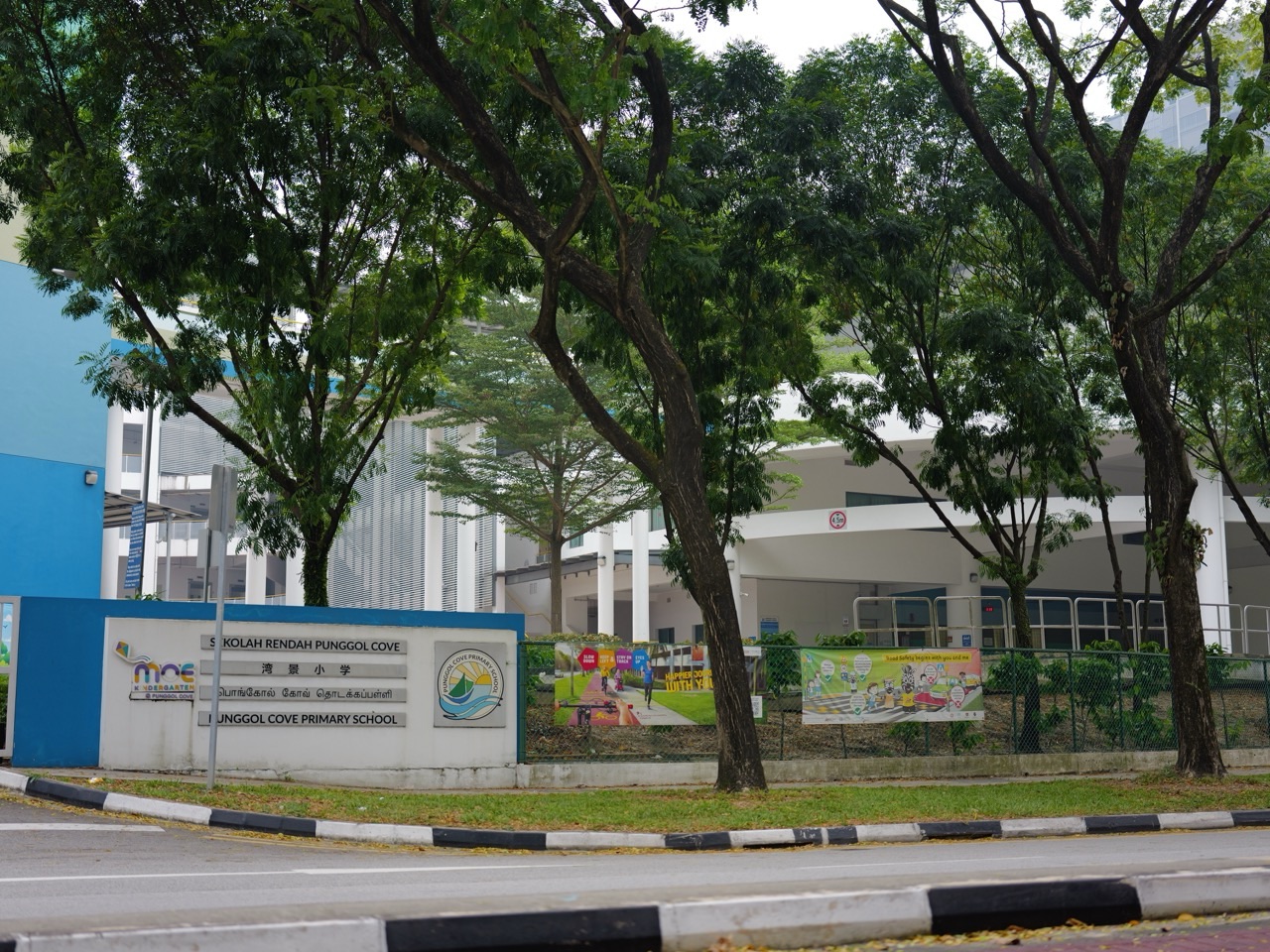
Local examples already visible: Punggol Primary School publishes Mother Tongue Fortnight, cultural awareness, celebrations, reading, and conversational Chinese and Malay activities. Punggol Cove Primary School describes a thematic reading programme and Mother Tongue cultural camp. These are existing examples, not projects we are claiming were financed by the newly announced fund.
What to do now: Check the current official language committee or school calendar, choose an activity matched to the child’s interests and level, and plan one small way to use language beyond a classroom answer. Confirm entry, dates, costs and permissions with the organiser.
What the Five-Year Funding Figure Does and Does Not Say
The published comparison is clear: $30 million across FY2021–FY2025 and $33 million across FY2026–FY2030. It represents additional national support for Mother Tongue learning and promotion. It does not imply that all funds are distributed equally among languages, towns, schools, projects or households. The announcement also does not publish a fixed calendar of events for every community from 2026 until the end of 2030.
The committees and programme administrators will have their own processes. Some activities may be organised directly, some may be supported through eligible partners and others may be available through schools or community institutions. An adult who wants to propose an event must use the applicable committee’s published grant rules, not interpret the headline amount as a standing open cheque.
For families, five-year funding is most useful as a sign of policy direction. It suggests that outreach, varied learning formats and partnerships remain a public priority over several years. The actual experience of a child depends on whether a suitable programme is offered, whether the family knows it exists and whether the child can participate meaningfully.
When reporting future developments, always separate an allocated amount from a delivered programme. A funding decision enables activity; it does not prove the effectiveness of an unlaunched activity.
Why Mother Tongue Learning Needs a Life Outside Examinations
Language learned only for a test can become fragile. A pupil may memorise a list of phrases in Chinese, Malay or Tamil and use them correctly in a controlled composition exercise, but hesitate when speaking to a relative or explaining a real event. The gap arises because a memorised answer and a spontaneous conversation place different demands on attention, vocabulary and confidence.
Community and family settings allow language to serve a genuine purpose. The child might ask a question at a cultural event, understand a song, follow a recipe, interview a grandparent, describe a local place or explain the meaning of a festival. Each task requires the learner to connect words to people and ideas rather than merely retrieve them for a mark.
The best experiences are purposeful, not decorative. Watching a performance without understanding the story may provide exposure, but a short conversation afterward can help make the language meaningful. Listening to a relative without opportunities to respond may be pleasant, but regular supported exchanges can develop confidence.
A wider funding programme can support many different formats. Parents should evaluate them using the child’s actual participation, not simply the sophistication of an event poster.
Three Different Institutions, Three Different Responsibilities
MOE: announces the national funding direction and broader education policy. Its 2026 Committee of Supply page is the central source for the $33 million figure and stated objectives.
Mother Tongue Language Learning and Promotion Committees: develop or support language-specific activities and may publish calls for projects, programme information or funding guidelines. Chinese, Malay and Tamil programmes need to be checked with the relevant committee rather than treated as identical.
Schools and community organisers: implement their own published activities, select participants according to current arrangements and provide operational details. A school may run a programme that is aligned with national goals without that particular activity being funded under the new committee allocation.
This distinction protects families from two common errors. One is assuming a national fund guarantees a place in a named school event. The other is assuming an existing Punggol activity is new or funded through this announcement merely because both involve Mother Tongue.
A responsible education guide connects the institutions but preserves their boundaries.
The Local Evidence: Punggol Primary School’s Mother Tongue Activities
Punggol Primary School’s official 2026 Mother Tongue activities page describes a programme of learning that extends beyond textbook drills. It lists Mother Tongue Fortnight, cultural awareness talks, festive celebrations, conversational Chinese and Malay, reading activities and participation in Tamil debate. These examples reveal how language can be linked to actual social and cultural settings.
A school celebration is not automatically a language lesson of equal depth for every student. The learning value depends on what pupils are invited to notice, say, read, ask or create. A child might attend an assembly on a cultural tradition and recall one specific practice. A more advanced learner might compare how the tradition is described in two languages or explain its historical significance.
The school’s published information does not establish that each event is open to the general public, that every pupil participates in the same format or that the new $33 million allocation paid for it. Families must use official school channels for schedules and eligibility.
It does, however, provide a strong local example of the principle behind national language promotion: language is more memorable when it operates within meaningful community life.
The Local Evidence: Punggol Cove Primary’s Reading and Cultural Camp
Punggol Cove Primary School publishes an iCharacter Reading Programme that uses thematic books and follow-up activities to develop language learning alongside values. It also describes an MTL Cultural Camp intended to provide hands-on encounters with different traditions and support better understanding among students.
These details are significant because they connect four capacities that are often separated in educational planning: listening, speaking, reading and writing. A child can listen to a story, discuss its choices, read a related passage and produce a short response. The sequence moves language through several modes rather than isolating vocabulary in one worksheet.
A cultural camp can likewise provide authentic reasons to speak and listen. Students may need to follow instructions, ask for clarification or work with peers. But the existence of a camp does not mean every learner automatically benefits. The activities should be age-appropriate, accessible and guided by teachers who understand the pupils’ proficiency levels.
Punggol Cove’s programmes are existing school-specific examples. They should not be advertised as new public registrations funded by the FY2026–FY2030 committees unless the organisers themselves make that connection.
Chinese Language Opportunities Beyond the School Gate
The Committee to Promote Chinese Language Learning publishes a varied range of initiatives. Its 2026 programme lists include community Chinese reading, poetry creation, reading competitions, cultural performance exposure, recitation, journalism, creative comics and media-oriented activities. The range shows that language proficiency can be developed through storytelling, interpretation and production as well as conventional comprehension.
A Punggol pupil interested in drawing may engage more deeply with a short comic-writing task than with a generic call to read another long passage. A pupil who enjoys argument may benefit from debate or reasoned discussion. A student fascinated by music might attend an appropriate Xinyao-related activity and investigate how a song expresses identity, memory or place.
The official committee pages are the right starting point for programmes, rules and deadlines. Some activities may be national school events requiring school entry rather than individual registration. Others may have age or language-level requirements. Never promise a family can attend without checking the particular event.
The educational aim is to create repeated opportunities to understand and use Chinese with an authentic audience.
Malay Language Opportunities in Community and Family Life
The Malay Language Learning and Promotion Committee describes supported programmes involving Malay language, literature and culture. Its funding guidance includes competitions, workshops, courses, seminars, publications and performances, with eligible organisers and target groups defined by current rules.
One confirmed 2026 example is Kembara Nusantara, a preschool Malay-language initiative run with Mandai Wildlife Group. It is intended to make Malay a living language through engaging experiences for children, strengthen educator capacity and encourage parent–child interaction. It is a national programme example, not an assertion that a Punggol family may directly book a zoo session without following its participation arrangements.
A preschool child learning language through a visit can label animals, notice sounds, ask simple questions and discuss what happened afterward. A Primary child may read a short related text. A Secondary learner may compare how the same experience is described for different audiences.
The value lies in continuity between an event and later language use. A memorable outing is an opening, not a guarantee that proficiency will improve without further practice.
Tamil Language Opportunities Across Age Groups
The Tamil Language Learning and Promotion Committee publishes funding guidance for activities promoting Tamil language, literature and cultural appreciation. Its stated programme forms include competitions, workshops, courses, seminars and performances. The eligible audience may range from preschool children through higher education, teachers and parents, subject to individual funding and project rules.
For a younger child, an appropriate storytelling or performance experience may make vocabulary easier to remember through characters and action. For a more confident Primary or Secondary learner, debate, recitation or an age-appropriate creative project can require closer attention to word choice and audience.
Families should not assume every activity requires advanced spoken proficiency. Equally, a beginner should not be placed in a competitive environment far above their current level without support. Match the learning format to the learner’s readiness and interest.
The Tamil committee’s official resources should determine whether an activity is open, funded, age-appropriate and accessible. A five-year national allocation does not establish an automatic personal grant for buying resources or attending a private class.
Parents as Language Partners, Not Substitute Schoolteachers
MOE’s 2026 announcement expressly places greater emphasis on empowering families as primary language-learning partners. This does not mean parents must replicate a professional language curriculum after dinner. For most families, the useful contribution is regular, meaningful use: listening, responding, naming, questioning, reading together and sharing cultural experiences.
A parent who speaks the Mother Tongue fluently can naturally expand a child’s response. If the child says one word, the adult can use it in a fuller sentence and invite a small reply. If the child describes an event in English, the adult might introduce one useful Mother Tongue phrase without demanding a complete translated essay.
For parents less fluent in the language, participating alongside the child can still be valuable. Learn a few expressions, explore a school-recommended story, listen to an authorised recording or ask a relative to share a short anecdote. The message is that language learning matters enough for adults to be curious too.
Avoid making every exchange a correction. Children need enough psychological safety to attempt imperfect language, notice useful feedback and try again.
A Diagnostic-First Approach to Community Activities
Before booking a workshop or encouraging a child to enter a competition, identify the learning need. Does the student understand everyday conversation but struggle to speak? Can the child decode text but not infer meaning? Is vocabulary narrow? Does the pupil avoid speaking in public despite having adequate language knowledge?
An event can be impressive and still miss the limiting skill. A fast-paced public debate may not help a hesitant beginner who needs safe small-group speaking practice. A cultural performance may provide motivation, but a learner with weak reading comprehension might need guided discussion of a short script afterward.
The support sequence is to observe, choose the right level of challenge, model a skill, let the learner attempt it and look for transfer to another setting. If the child can understand and use a phrase only during the workshop but not a week later, the family should plan a modest follow-up rather than declaring permanent mastery.
Community events should extend learning, not become another badge-collecting exercise.
Designing an Activity Around a Real Audience
Language becomes purposeful when the learner knows who they are speaking or writing for. A Primary child might create a short invitation to a relative, with help checking essential vocabulary. A Secondary child might interview a family member about a festival and write a short account with accurate attribution. An older student might create a bilingual guide to a familiar place.
Audience changes the task. A short note to a grandparent may need warmth and clarity. A poster for younger children may need simple words and strong visual cues. A report intended for classmates may need a clear introduction and evidence.
After completing the activity, ask whether the intended reader or listener understood the message. That feedback is often more useful than treating every piece of language as a composition to be marked. A child can revise because communication failed at a specific point, not merely because an adult found three grammar errors.
This kind of practical activity is possible without a funded programme. Community initiatives can strengthen it by offering guidance, authentic audiences and diverse content.
Listening Skills: Learning to Understand Before Responding
A learner who appears shy may actually be working hard to decode speech, especially when unfamiliar vocabulary or a different accent is involved. Asking for a long spontaneous answer too early can make the interaction overwhelming.
An accessible listening activity begins with a short narrative or conversation and one clear purpose. The child might identify where an event happens, follow a sequence of actions or notice whether a speaker is pleased or worried. Repeat selected parts and discuss the clues rather than replaying an entire long recording without guidance.
With progress, vary the speaker or context. A child who understands a familiar caregiver may benefit from hearing age-appropriate language from another source, while keeping the topic initially familiar. The goal is transfer beyond a single memorised voice.
In a cultural event, an adult can support listening by preparing the child for a few key words and then talking afterward about what was actually understood. Attendance alone is not proof of comprehension.
Speaking Skills: From One Safe Sentence to a Real Conversation
Speaking practice should begin at a level where the learner can contribute. For a young child, this might mean choosing between two foods or describing one picture. A more confident learner can explain a preference, ask a follow-up question or clarify a misunderstanding.
A useful conversational pattern has three turns: make a statement, ask a genuine question and respond to the answer. The third turn is important because it requires listening and flexible language use rather than reciting a prepared line.
For example, a child discussing a community celebration may say what they enjoyed, ask a relative about an unfamiliar practice and then connect the response to their own experience. This creates a real exchange and exposes the learner to cultural knowledge in context.
Families should resist the temptation to correct every error instantly. Choose errors that block meaning, model a more natural expression and return to it later. Repeated safe conversation often builds willingness more effectively than demands for polished performance from the first attempt.
Reading Skills: Making Community Content Comprehensible
A festival poster, event description, recipe or short article can be used as reading material. It may be easier for a child to care about a text when it connects to an experience that is about to happen. The parent can preview key vocabulary, explain the purpose and invite the child to predict what they will see.
After the event, return to the same text and ask what information was accurate, what the child did not understand at first and which new expressions have acquired meaning. A short rereading now becomes connected to a memory, not merely a second attempt at decoding print.
The school-based MTL SOAR programme addresses reading habits directly. A community activity can support that aim by providing relevant contexts, but should not be marketed as an official substitute for school reading or as a guaranteed PSLE advantage.
The strongest reading outcome is independence: a learner increasingly uses textual clues, background knowledge and questions to understand material not previously memorised.
Writing Skills: Creating Something Worth Sharing
Writing becomes more meaningful when there is an authentic reason to create text. A pupil may write a caption for a family photo, a short review of a performance or a message thanking a volunteer. The adult can help with spelling, clarity and organisation without taking over the student’s voice.
Start with a small product. Ask what the message should tell the reader and which facts must be accurate. Use a short plan, write a first version, read it aloud and revise one or two important points. The process is more valuable than producing an elaborate final page that an adult essentially authored.
For older students, the task can involve comparing two sources, citing where information came from and distinguishing observation from opinion. Digital content creation should include privacy and copyright awareness, especially when using photos of other people or adapting music and published texts.
A programme involving journalism, radio, songwriting or video can support language only when learners genuinely contribute to planning, expression and revision rather than copying generated scripts.
Chinese-Language Project Example: A Family Food Story
Imagine a Punggol Primary 4 child who often hears Chinese at home but rarely uses it to describe an event. A family meal offers a manageable project. The child asks a grandparent to explain how a familiar dish is prepared, then records three stages with permission and makes a short illustrated sequence using simple Chinese descriptions.
The first challenge may be verbs for cutting, mixing or cooking. Rather than assign an unrelated vocabulary list, the adult models those expressions while the actions are visible. The child then tries to explain the sequence to another family member who did not watch the preparation.
The second attempt reveals whether language has transferred. If the listener understands the order and purpose of the steps, the student has used language successfully. Corrections can focus on one phrase that caused confusion.
This is an original home-learning illustration, not a funded Chinese committee programme or a claim that cooking alone teaches advanced literacy.
Malay-Language Project Example: A Short Community Interview
Imagine a Secondary 1 pupil who understands much of a Malay conversation but rarely asks questions in Malay. The learner selects a respectful, age-appropriate topic such as a family memory of an old neighbourhood shop or a traditional game.
Before the interview, the pupil prepares three clear questions and practises asking for clarification. During the conversation, the student listens and follows up on one surprising answer. Afterward, they make a short oral or written summary, checking factual details with the speaker rather than inventing missing information.
The exercise integrates listening, speaking, note-taking and cultural knowledge. Its success is not measured by the length of the interview but by whether the student understood the response and could convey its essential meaning.
No private recording or public posting should occur without informed permission. The activity can remain a small family exchange, preserving intimacy and respect.
Tamil-Language Project Example: A Two-Minute Storytelling Session
Imagine a Punggol Primary 3 pupil who enjoys stories but becomes hesitant when expected to speak at length in Tamil. A caregiver helps the child choose a familiar tale and divide it into three events. The child practises telling one event with visual support before combining the parts.
The adult does not demand a flawless performance. Instead, the child works on sequence, key expressions and a clear ending. A family member listens, asks one genuine question and provides feedback on meaning. Later, the child tells a different short story using the same structure.
A community storytelling event might provide inspiration, but the underlying learning progression can begin at home. The objective is to move from supported speech to a new independent explanation, not to imitate an adult’s elaborate version.
If the student needs more structured language help, the teacher can advise on age-appropriate vocabulary and expected forms.
Cross-Cultural Learning Without Treating Traditions as Costumes
Punggol’s schools and community venues bring families with different languages and traditions into contact. A well-designed cultural activity can build curiosity and respect, but poor design can reduce complex cultures to a costume or food label.
Invite students to ask what a practice means to the people who observe it, how it has changed and what details should not be assumed. A pupil might learn that families celebrate the same occasion in varied ways, and that not everyone from a language community has identical beliefs.
Language activities can create opportunities to listen across differences. A child learning conversational Chinese or Malay outside their own home language may develop practical social confidence, but should not claim native-level proficiency from a brief course.
The point is authentic understanding. When a programme gives students a chance to ask respectful questions and revise simplistic assumptions, it contributes to education beyond memorising cultural facts.
How to Use Punggol Regional Library Without Assuming a Special Event
Punggol Regional Library at One Punggol is an existing public learning resource. It can provide a setting to discover books, audio and other materials related to languages and cultures. Families should consult NLB’s official catalogue and event information for specific holdings, opening hours and registration conditions.
A productive visit could involve choosing one appealing text in the child’s Mother Tongue, previewing it together and later discussing a meaningful passage. A Secondary student might compare sources on a historical or cultural topic, learning to distinguish a documented claim from an unverified anecdote.
Do not assume that every nationally funded Mother Tongue programme will operate at One Punggol, or that library staff are running a specific workshop without an announcement. The venue and the national committee allocation are separate facts.
The broader lesson is that education opportunities become useful when households know how to use existing resources regularly and selectively, instead of waiting for a headline event to provide all their learning.
Digital Language Projects: Opportunity and Safeguards
MOE’s 2026 announcement identifies digital outreach as one way for Mother Tongue committees to extend their impact. Digital tools can help families access materials at different times, explore multimedia storytelling or hear speakers beyond their immediate circle. They can also introduce problems of quality, privacy and distraction.
A student might make a short bilingual caption for an authorised family photo, practise a scripted recording or compare how two versions of a story convey meaning. The learning lies in drafting, rehearsing, making choices and revising, not merely uploading content.
Generative AI can be tempting because it produces polished scripts rapidly. But if a child copies a fluent paragraph without understanding the vocabulary, the activity may showcase a machine’s output rather than the student’s learning. AI translations can also mishandle nuance, register or culturally specific terms.
Use approved and appropriate tools, verify important claims and avoid exposing student identities or private family material. A digital project is successful when the learner becomes more capable and discerning, not when the output looks most professional.
The Role of Community Organisations and Funding Applicants
A community group interested in offering an activity should begin with the relevant language committee’s current funding guidance. The Malay committee, for example, publishes rules for supported programmes and identifies eligible applicants such as non-profit organisations, schools, institutes of higher learning and appropriate community organisations. Tamil committee resources likewise outline potential activity types and target audiences.
An eligible organisational category does not mean an application will succeed. Review priorities, dates, requested documents, financial conditions and reporting requirements. Different committees may operate different processes, and previous approvals do not guarantee future funding.
A credible proposal states which learners it serves, the language skill or cultural understanding it targets, the activity format, the safeguards and the evidence that progress can be assessed. ‘We will hold a big event’ is less informative than ‘Students will prepare questions, conduct supported interviews and demonstrate new expressions in a subsequent task.’
Families should avoid treating this as a personal cash-grant scheme. The public funding decision is primarily about supporting organised language programmes, with access determined by each programme’s published arrangements.
Designing a Small Parent Workshop That Has Educational Value
Suppose a community organiser proposes a workshop for parents of P1 and P2 children who feel uncertain about encouraging Mother Tongue conversation. A strong design would begin by asking what parents find difficult: perhaps vocabulary, lack of time, uncertainty about correcting errors or the child’s reluctance to speak.
The facilitator could model short routines around common situations: preparing a meal, travelling to school or reading a picture book. Parents then practise with one another, receive feedback and leave with a few expressions and questions suitable for their families.
A follow-up session could ask which routines were actually used and where they failed. That evidence would help refine the programme. It would be more meaningful than counting attendance alone or asking parents whether the workshop was enjoyable.
This is a design example, not an announcement of a free workshop at a named Punggol community centre. Real events must be checked through their actual organisers and official channels.
Designing a Secondary Student Media Project
An older student might be more interested in audio, video or journalism than in a conventional language worksheet. A worthwhile project could ask a team to create a short, fact-checked report in their Mother Tongue about a local public space, using only lawfully collected material.
The team would decide the intended audience, plan questions, distinguish facts from opinions, obtain permissions where needed and write a concise script. They would practise delivery, check unfamiliar vocabulary and revise statements that exceed the evidence.
Assessment could focus on accuracy, intelligibility, teamwork, clarity of reasoning and the ability to explain each editorial choice. The technology is a vehicle for authentic language work, not the learning objective itself.
School and community organisers must handle filming consent, copyright and student data carefully. An activity should never require pupils to expose themselves or other children online as the price of participation.
Designing a Primary Student Cultural Experience
A Primary 2 cultural activity may work better when it centres on an object, a short story or one familiar action. A facilitator could introduce a song, explain two key expressions, invite children to respond with gestures and provide an age-appropriate story related to the theme.
The learning should be adjusted for different levels. A beginner might identify a key word and answer a choice question. A more confident child might describe a sequence or explain why a character acted in a particular way. Both can participate in one event without being expected to produce identical language.
After the session, a small follow-up matters. Students might draw a scene and label it, retell a story or ask an adult one question about the tradition. A month later, the teacher can observe whether selected expressions are still available.
This example illustrates the design of useful language exposure; it is not a claim about the exact content of an announced event.
A Four-Stage Family Plan, 2026–2030
Stage one: discover. In 2026, identify the language activities the child’s school already offers. Visit the relevant committee’s current official resources. Choose one suitable activity rather than collecting every registration link.
Stage two: participate. Attend or undertake the activity with appropriate preparation. Encourage the child to listen, ask questions and use language at a manageable level. Confirm the actual venue, time, cost and consent rules.
Stage three: consolidate. During the following weeks, revisit one useful phrase, story, cultural idea or skill from the experience. Ask the learner to apply it in a different conversation or text.
Stage four: review and extend. As programmes evolve through 2027, 2028, 2029 and 2030, assess whether the child needs a more demanding task, a different genre, a new audience or additional teaching support. Follow official programme updates, not an assumed fixed annual schedule.
The four stages are a suggested family framework. They are not the administrative milestones of the $33 million funding cycle.
What to Measure Besides Event Attendance
The number of people at a performance or workshop can show reach, but it does not by itself show language learning. A useful programme should define the capability it hopes participants develop, then look for evidence proportionate to the age group.
For preschoolers, indicators might include willingness to respond to a familiar word, participating in a story or using a new expression in everyday play. For Primary learners, retelling a story and understanding an age-appropriate text may be useful. For older students, evidence might include constructing a reasoned argument, checking sources or adapting language to an audience.
Retention and transfer are particularly important. Can the child use a word or strategy a week later, without the original prompt? Does a new skill appear in another context? Do parents know how to provide useful practice without taking over?
Evaluation should also protect privacy and avoid turning community participation into another stressful test. The best measure is often a small, authentic demonstration of a capability that matters to the learner.
How to Support Learners with Different Needs
Children differ in oral confidence, reading level, attention, sensory preferences and language exposure. An event that suits one learner may overwhelm another. Programme organisers should consider accessible routes, reasonable sensory conditions, understandable instructions and alternative ways to participate where appropriate.
A student who hesitates to speak publicly may begin with a paired exchange or a recorded response shared only with the facilitator under suitable consent arrangements. A child with difficulty reading dense text may benefit from an illustrated version or pre-teaching of key words. A fluent learner may need richer questions instead of more repetitive basic tasks.
Support is not the same as lowering every expectation. It means setting a task at a level where the child can participate, learn and gradually extend. A successful programme makes progress possible without comparing every learner against the strongest speaker.
Families should discuss relevant needs with organisers through authorised channels and avoid publishing sensitive information in public registration comments or parent groups.
A Realistic Home Routine After a Cultural Event
Suppose a child attends an age-appropriate Mother Tongue performance. On the journey home, ask one open question: ‘Which part stayed with you?’ If the child struggles, offer two choices or retell one event together. Avoid turning the journey into a long oral examination.
The next day, return to two expressions the child heard. Use them in an ordinary conversation and invite the child to try one. Later in the week, find a short related story or picture. Ask the learner to connect the new text to the earlier experience.
After two weeks, see whether the child can explain the central idea without detailed adult prompts. If not, the original material may have been too unfamiliar, too fast or insufficiently supported. Adjust the next choice accordingly.
The whole routine may take only a few short sessions. Its purpose is to turn one enjoyable event into durable language learning, not to fill every evening with compulsory revision.
The Difference Between Cultural Appreciation and Language Proficiency
A child may genuinely enjoy a cultural performance yet learn few words. Another may gain useful vocabulary from a short workshop without immediately developing a deep understanding of the tradition involved. These are related but distinct outcomes, and a good programme is honest about which one it prioritises.
Cultural appreciation can involve history, values, identity and respectful curiosity. Language proficiency involves understanding and using communication systems with increasing accuracy and flexibility. Neither outcome should be reduced to an exam score or a photograph of participation.
The strongest activities can connect them, allowing children to encounter cultural meaning through language and then use that language to ask deeper questions. But simply attending more events is not guaranteed to improve spoken fluency.
Parents can ask organisers what participants are expected to learn. A clear answer helps the family choose the right experience and provide an appropriate follow-up.
When a Competition Is Useful—and When It Is Not
Debates, writing contests, recitation events and media challenges can motivate students to practise intensively. They provide goals, an audience and sometimes valuable feedback. A student who enjoys public speaking may find a competition meaningful.
Yet competitions can also reward polished performance more than broad participation. A child who is still learning basic comprehension may gain more from a supportive storytelling session than from rehearsing a difficult script repeatedly for an event.
The decision should depend on readiness, interest and the opportunity to develop. Ask whether preparation includes understanding, independent expression and useful feedback, or merely pressure to memorise an adult-authored answer.
A pupil who enters and does not win can still have learned substantially. Conversely, an award obtained mainly through adult writing and coaching may say little about the learner’s independent proficiency.
What Punggol Families Should Not Assume
Do not assume that $33 million is divided into equal amounts for Chinese, Malay and Tamil programmes, or that every Punggol school receives a fixed grant. The published policy does not establish such allocations.
Do not assume that a public library, community club or school will host a particular workshop merely because national committees are encouraged to strengthen partnerships. An event requires its own confirmed organiser and schedule.
Do not assume that an activity advertised by a commercial provider is funded or endorsed by MOE. Verify claims directly against official committee programme information or a genuine approval notice.
Do not assume that exposure immediately improves PSLE or SEC grades. It may build skills, interest and confidence, but examination performance depends on many abilities and circumstances.
Above all, do not treat cultural appreciation as a competition between families. A modest, regular language habit can be more useful than several expensive events attended without follow-up.
Questions to Ask Before Registering for a Programme
Who is the organiser and which official page confirms the programme? What age range and proficiency level is it designed for? Is registration through the school, an institution or directly with the organiser? Is there a cost, an attendance commitment or a selection procedure?
What will the child actually do with the language? Will they listen, read, converse, write, perform or create something? Is the activity mainly cultural exposure, a specific language-skills workshop or a competition? How will the organisers support learners with different readiness levels?
Where is the event, how does the family travel there, what supervision is provided and what consent is required? Are photographs, recordings or public postings involved? What data is collected and how will it be used?
Finally, ask how the family can reinforce the learning afterward. Even the best event can have limited lasting effect without a chance to revisit its central ideas.
Frequently Asked Questions
How much funding did MOE announce for Mother Tongue committees?
MOE announced $33 million across FY2026 to FY2030, compared with $30 million across FY2021 to FY2025.
Is the money allocated specifically to Punggol?
No. It is a national funding announcement for language learning and promotion committees, not a Punggol-only budget.
Will parents receive cash or a voucher?
The announcement does not provide a universal individual cash entitlement. Programmes and organisational funding have their own criteria and procedures.
Is this the same as MTL SOAR?
No. MTL SOAR is a structured Primary reading initiative being rolled out to all Primary levels by 2029. The committee funding addresses a wider range of language and cultural activities.
Which languages are involved?
The language-promotion ecosystem described here includes Chinese, Malay and Tamil initiatives. Check the relevant official committee for current programme information.
Can community organisations apply for support?
Relevant committees publish funding guidance for eligible applicants and projects. Application approval is not automatic and requirements differ.
Are the activities only for Primary pupils?
No. Committee programme descriptions can cover preschool, Primary, Secondary, post-secondary students, parents and educators, depending on the specific initiative.
Does Punggol Primary’s Mother Tongue Fortnight come from this new allocation?
Do not make that assumption. It is an existing school programme listed publicly; an individual funding source requires separate evidence.
Can Punggol residents attend events outside their neighbourhood?
Some national or public activities may allow participants from different parts of Singapore, but eligibility and registration must be checked for each event.
Can a child participate without being fluent?
It depends on the programme. Choose a suitable level and ask organisers about beginner-friendly or supported formats.
Are online activities automatically safe for children?
No. Check the organiser, platform, permissions and how any personal information or student work is used.
Will joining a programme guarantee stronger PSLE Mother Tongue marks?
No. Engagement may support language development, but no uniform examination improvement is guaranteed.
Does the five-year funding period mean the same event returns annually?
No. An individual programme has its own schedule, resources and approvals. Check current listings rather than assuming repetition.
May parents propose a new cultural workshop?
They may explore the relevant committee’s current funding and partnership channels, but eligibility, organisational requirements and approval procedures apply.
Why involve families when schools already teach Mother Tongue?
Because language is strengthened through repeated, meaningful use beyond formal lessons. Family and community interaction can provide authentic settings for speaking, listening, reading and writing.
How do we find confirmed events?
Use official school pages and the appropriate committee websites, checking the publication date, eligibility and registration instructions.
Primary Sources and Connected Punggol Reading
The central funding source is MOE’s 2026 Committee of Supply announcements. The Committee to Promote Chinese Language Learning publishes Chinese programme information. The Malay Language Learning and Promotion Committee publishes programme and grant guidance, while the Tamil Language Learning and Promotion Committee explains relevant funding opportunities.
For Punggol-specific examples, see Punggol Primary’s Mother Tongue activities and Punggol Cove Primary’s Mother Tongue department. The MTL SOAR 2025–2029 reading guide covers the distinct school-based reading rollout, and the Punggol Education and Town-Life Index contains related family and school-stage resources.
The Future of Bilingualism Happens in Ordinary Conversations
A five-year allocation can make more activities and partnerships possible, but the child does not learn a language from the existence of a budget. Language grows when children have a reason to listen, understand, speak, read and write, with enough support to succeed and enough freedom to make genuine choices.
Punggol families already have visible examples of schools connecting language to reading and culture. The FY2026–FY2030 funding direction points toward a broader national environment in which families, educators and community organisations can contribute. The task is to keep that opportunity concrete: use confirmed events, choose appropriate learning experiences, protect student privacy and return to what a child can actually do after participating.
One thoughtful story, one respectful question, one small project and one conversation repeated later may be more educationally valuable than an impressive programme title remembered for a day. That is the enduring purpose behind expanding Mother Tongue learning beyond the school gate.
Reviewed on 23 October 2026. MOE’s national funding allocation is distinct from existing Punggol school activities and illustrative home projects. Check official programmes for current dates, requirements and availability.


