
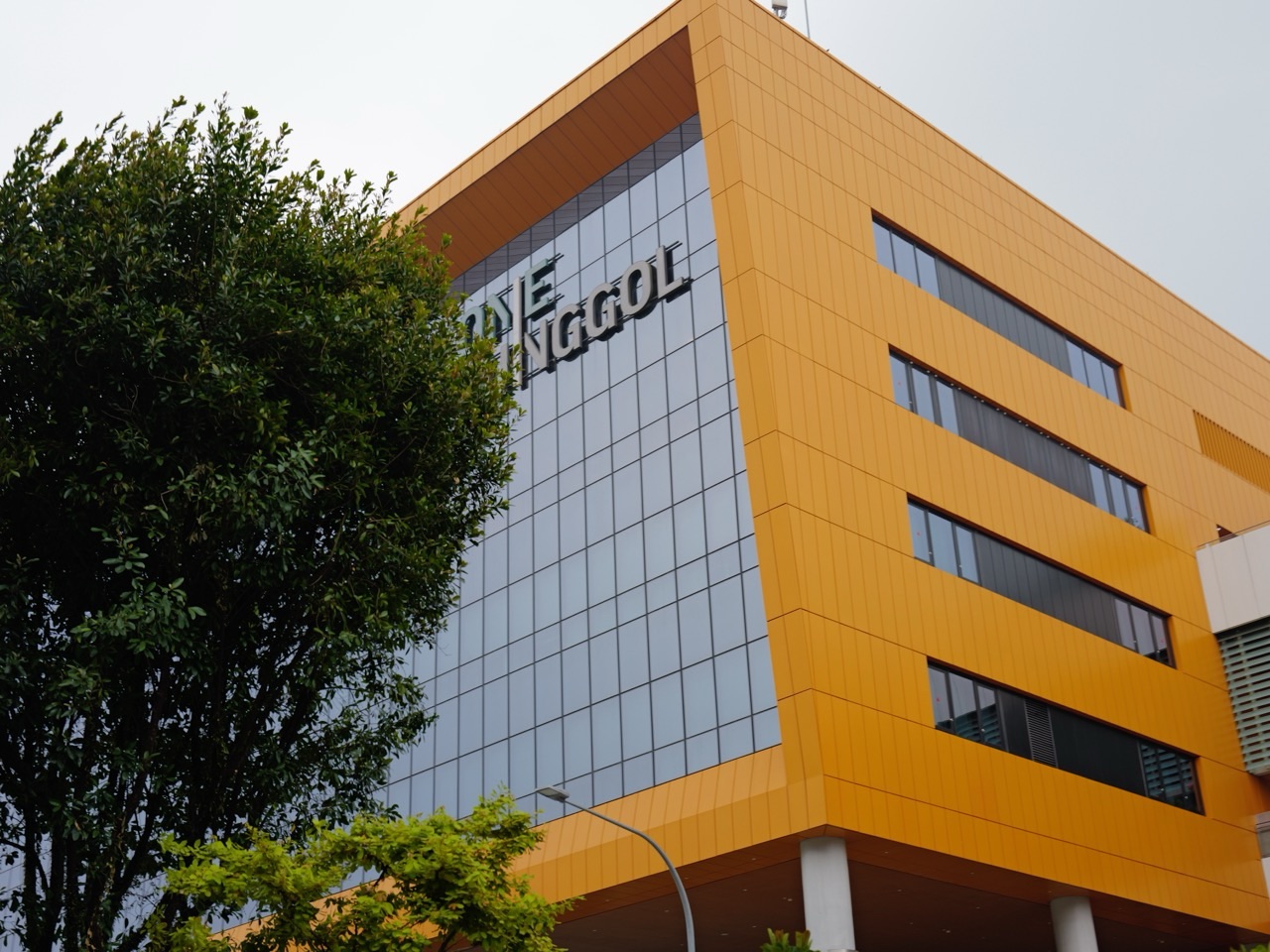
Living in Punggol as a Singapore Permanent Resident (PR), a Long-Term Visit Pass (LTVP) holder or a foreign employee involves very different legal rights and renewal responsibilities. A PR has been granted permanent-resident status but normally travels on their foreign passport and needs a valid Re-Entry Permit (REP) to preserve PR status while abroad. An ICA-issued LTVP allows an eligible foreign family member or another qualifying applicant to remain for a longer period under its conditions, but does not itself authorise ordinary employment. Singapore citizenship is a separate status acquired only after the prescribed approval and formalities.
A major immigration change has applied since 1 December 2025. A Singapore PR who leaves the country without a valid REP, or whose REP expires while overseas, is subject to the revised 180-day application framework. The person must apply for a REP within 180 days from the relevant departure or expiry date, and the application must ultimately succeed to preserve PR status. Returning to Singapore during the period is not an automatic cure if the application is later rejected. This is a legal timing issue, not an invitation to deliberately travel without a valid permit; ICA recommends renewing before travelling.
There is another common misunderstanding about marriage: marrying a Singapore Citizen does not automatically grant citizenship, PR status, an LTVP or work permission. ICA’s free Pre-Marriage LTVP Assessment (PMLA) helps eligible Singapore Citizen–non-resident couples understand likely LTVP suitability and may shorten the later spouse LTVP processing period from an ordinary six months to approximately six weeks when the applicable process is satisfied. Formal approval is still required.
This Understanding Punggol | Things to Know article is for mixed-nationality families, students, employees, sponsors and homeowners, grounded in ICA and MOM guidance checked 22 October 2026. It explains which status does what, the important deadlines, the correct official portals and how to avoid dangerous assumptions. Immigration outcomes are case-specific; no article can guarantee a permit or citizenship approval.
First answers for foreign residents and their families
- PR status: permanent residence granted by ICA after a formal assessment; the blue IC is not a Singapore passport.
- REP: permission needed for a PR’s foreign travel to preserve PR status while away; check validity before departure.
- REP renewal: normally online through ICA within three months before expiry; general processing is about one week but can be longer.
- REP fee: S$10 per approved year or part-year, so an approved five-year REP normally costs S$50.
- 2025 legal change: revised 180-day REP application framework applies from 1 December 2025, including consequences of a rejected application.
- New foreign passport: a PR must transfer REP details to the new passport promptly through ICA.
- Applying for PR: eligible family members, qualifying pass holders, selected students, and investors can apply under their categories; approval is discretionary.
- PR application fee: S$100 per applicant at submission; successful formalities attract separately specified fees.
- LTVP: long-term permission to stay under an ICA-approved category; not a standalone authorisation to take any job.
- Spouse LTVP: citizen or PR spouse normally sponsors the relevant application; marriage alone is not approval.
- PMLA: free assessment for Singapore Citizen–non-resident couples before marriage; may support faster later LTVP processing.
- Working on LTVP: eligible people need a suitable Letter of Consent (LOC), Pre-approved Letter of Consent (PLOC) or other appropriate MOM work authorisation.
- Citizenship: some adults who have been PRs for at least two years may be eligible to apply, with family or other criteria.
- Ordinary visitor: a short-term visit pass or entry visa is not the same as PR or an LTVP.
- Legal priority: track actual permit dates, ICA application status and National Service responsibilities for eligible males.
1. Punggol is home to residents with different legal statuses
Two households can live in adjacent Punggol flats while having different citizenship or immigration status. A family may include a Singapore Citizen, a PR spouse, a foreign parent on an LTVP and children whose statuses require separate confirmation. The household address does not merge their legal identities.
Immigration status affects overseas travel, permitted employment, schooling fees, housing eligibility and other administrative matters. The consequences differ by programme. A person should not assume they receive a citizen-only payment merely because another household member qualifies.
A useful family document register lists each person’s nationality, Singapore status, pass or permit expiry, responsible government agency and the next action required. Store it privately rather than posting identity documents in a shared chat.
2. A Singapore Citizen is not a PR
A Singapore Citizen and a Permanent Resident have different legal relationships with Singapore. Citizens may obtain a Singapore passport and have certain citizenship-specific rights and obligations. PRs hold their existing foreign nationality unless changed through lawful nationality processes and have Singapore permanent-resident status, normally evidenced by a blue identity card.
A PR’s long-term right to reside should not be confused with citizenship or a foreign passport’s right of travel. PRs can still face specific conditions around absence from Singapore, national service, and access to certain housing schemes.
When applying for a programme, read whether it requires citizenship, PR status or merely lawful residence. Those categories are not interchangeable.
3. What an Entry Permit establishes
A successful PR applicant completes ICA’s Entry Permit and associated formalities to obtain permanent-resident status. The Entry Permit is not the same as a Re-Entry Permit. Their names sound similar, but they serve different parts of the immigration framework.
The Entry Permit relates to being granted permanent residence. The REP relates to preserving that status while travelling outside Singapore. The foreign passport remains the travel document for a PR.
A new PR should retain the official grant information and understand REP validity immediately, rather than wait until booking the first trip abroad.
4. Why a PR still needs an REP
ICA states that a PR needs a valid Re-Entry Permit whenever travelling outside Singapore to retain PR status while abroad. It supports multiple entries during its validity period under the rules. A person’s blue IC alone is not proof that the REP is valid for an overseas trip.
An immigration officer may need to see that the PR’s foreign passport details match the valid electronic REP record. Airline requirements and the destination’s visa conditions also remain relevant.
Check the REP before buying non-refundable flights where possible. A family should not assume a previously valid five-year permit has been automatically renewed because the IC has no prominent expiry printed on the front.
5. REP expiry dates must be checked independently
The ICA REP validity e-Service allows a PR to inspect the actual authorised permit status. Record the expiry date and set reminders with enough lead time for a normal online renewal and any additional documents ICA may request.
A household calendar entry is helpful but not authoritative if the real record changes after an application. The issued REP and ICA status display govern the person’s entitlement. An approved new permit is not simply a handwritten extension on the old card.
Check again before departure, especially when the trip is long or the REP is approaching expiry during the time abroad.
6. Ordinary REP renewal opens three months before expiry
ICA says a PR may apply to renew the REP online within three months before the current REP expires. Eligible applicants use the official ICA e-Service and Singpass, with additional documents requested if needed. The general processing period is within one week, excluding submission day, though some cases take longer.
A person should not assume that submitting the application automatically produces approval. Check the official outcome, complete payment and retain the new validity record. An expired permit creates serious risks for overseas travel.
If an overseas PR cannot use Singpass and must go through a Singapore Overseas Mission, ICA says the application should generally be submitted at least two months before expiry.
7. How the REP fee works
ICA’s current REP fee is S$10 for every year or part of a year of approved validity. An approved five-year permit therefore ordinarily costs S$50. If an application has a different approved duration, the actual fee follows that decision.
ICA states that the new REP validity begins from its issuance date, not automatically from the previous permit’s expiry date. A renewal made early can therefore change the new anniversary date.
This is an administrative cost, not a guarantee of renewal. The outcome depends on eligibility and ICA’s assessment; payment and approval are separate milestones.
8. What changed on 1 December 2025?
Previously, losing REP validity while overseas could produce immediate loss of PR status subject to limited reinstatement arrangements. ICA implemented a new framework from 1 December 2025 that uses a 180-day deadline to apply for a REP when a PR is outside Singapore without a valid REP.
This does not mean a PR receives an automatic 180-day REP. The person must submit the required application within the specified time and receive approval. A later rejection can still cause loss of PR status even if the applicant returned to Singapore while the decision was pending.
The safe approach remains renewing before travel. The revised rules should be understood as a defined legal process, not a recommended method of travelling without valid status.
9. Leaving Singapore without a valid REP starts one clock
Under the post-December-2025 rule, if a PR departs Singapore without a valid REP, the relevant 180-day application period generally runs from the departure date. The person must apply within that period and obtain an approved REP to preserve PR status.
That is different from treating the deadline as “180 days from whenever you happen to notice the problem”. The departure date matters in the legal calculation.
A person discovering that the permit was not valid at departure should seek ICA guidance immediately and avoid making assumptions from an older internet article.
10. REP expiring while overseas starts a different clock
If a PR departs with a valid REP but the REP expires while they remain outside Singapore, the relevant 180-day period generally runs from the REP expiry date, subject to the statutory conditions. The official guidance uses these two scenarios separately.
A family working overseas should track the date even when travel and employment arrangements become busy. A change of foreign passport can also require REP transfer, a separate technical step.
Do not treat the expiry of an overseas employment contract as the immigration deadline. The actual REP date is what matters for this purpose.
11. A rejected REP application can cause loss of PR status
ICA’s revised guidance explains that a timely REP application does not guarantee preservation of status if it is later rejected. The applicant can lose PR status following that rejection, even if they returned to Singapore before receiving the outcome.
This is a particularly important distinction because some people interpret returning within 180 days as an unconditional cure. The law and ICA’s official instructions do not support that conclusion.
A family facing this situation should obtain current case-specific advice from ICA. Online anecdotes about someone else’s successful renewal are not reliable proof of the likely result.
12. An REP application is subject to assessment
ICA assesses REP renewal according to the current legal and policy framework, considering relevant circumstances and submitted information. Holding an REP today does not create an unconditional entitlement to another five years. People living abroad for long periods should make informed plans.
A PR should supply truthful details and any requested documents promptly. False declarations can have serious immigration consequences. When a permit is refused, the individual needs to follow the actual ICA process rather than assume a third-party agent can guarantee reversal.
Keep written application acknowledgements and official communications as the main record of the case.
13. A new foreign passport requires REP transfer
When a PR receives a new passport of the same nationality, ICA requires the remaining REP validity to be transferred to the new travel document through its authorised service. The previous REP record may not be sufficient for straightforward PR clearance when passport details have changed.
This is easy to overlook when a foreign passport is renewed shortly before an overseas holiday. Passport issuance and Singapore REP transfer are transactions managed by different authorities.
Check that the new travel document and REP details match before departure or return. A valid foreign passport does not itself establish a valid Singapore REP.
14. Singapore PR applications use defined eligibility categories
ICA accepts PR applications from defined categories, including certain spouses and children of Singapore Citizens or PRs, aged parents of eligible Singapore Citizen adults, Employment Pass or S Pass holders, qualifying students and investors under the specified programme.
Being in an eligible category means one may submit an application; it is not a guarantee of approval. ICA assesses family ties, economic contribution, qualifications, length of residence, age, family profile and integration considerations.
A person should use the actual correct category and supporting documents rather than submit an application built on a friend’s very different status.
15. Applying as the spouse of a Citizen or PR
An eligible Singapore Citizen or PR spouse generally uses Singpass to sponsor the foreign spouse’s PR application through ICA’s portal. The marriage must be genuine and documented appropriately, and further eligibility conditions apply.
Legal marriage is one factor; the couple’s combined circumstances still receive assessment. A wedding banquet, shared residence and joint bank account do not convert a pending PR application into an approved outcome.
Before planning major housing or employment decisions on a hoped-for approval, distinguish the actual current immigration status from what the family wants to achieve in the future.
16. PR applications for children have separate conditions
ICA identifies eligible unmarried children under 21 born within the context of a legal marriage or legally adopted by a Singapore Citizen or PR. The parent acts as sponsor under the relevant process and provides prescribed evidence.
A child’s foreign passport, birth certificate and family relationships need accurate documentation. A family should not assume that a baby born at a Singapore hospital is automatically a Singapore Citizen or PR simply because one parent has a local status.
The child may need a separate current residence pass while a future immigration application is considered. The legal record for each person matters.
17. Elderly parents can have a defined PR application route
ICA permits certain aged parents of Singapore Citizens aged 21 or older to apply for PR, sponsored by the adult citizen child under the criteria. A parent-in-law’s situation or a parent of a PR may have different pathways and should not automatically be fitted into this category.
Families preparing to move an older relative to Punggol should consider care needs, insurance, medical access and lawful stay separately. An application can take time, and the older person must have appropriate permission for their present stay.
A desire to provide family care is important, but it does not remove ICA’s individual assessment process.
18. Work pass holders can apply under eligible categories
Certain Employment Pass and S Pass holders may apply for PR through ICA’s e-Service. Their present work authorisation is issued through MOM’s framework, while PR is a different legal immigration decision administered by ICA.
An employer cannot promise PR approval as part of an ordinary job offer. A person’s salary or job title alone does not guarantee citizenship or permanent residence.
A worker in Punggol Digital District should verify the actual work pass, dependants’ immigration position and employment contract while any PR application is pending.
19. Qualifying students have a different PR route
ICA’s student eligibility includes certain students studying in Singapore who passed at least one specified national examination such as PSLE, N-, O- or A-Level, or who are in the Integrated Programme, subject to the relevant conditions.
An overseas student who merely attends a short private course is not automatically in the same category. A minor’s application may require a special non-Singpass route or parental arrangements, depending on age.
Families should not enrol a child solely on the unverified promise that a local course guarantees permanent residence. Admission, immigration stay and PR assessment are distinct systems.
20. National Service duties can affect PR families
ICA explicitly warns that NS-liable males must fulfil relevant Enlistment Act obligations. Renouncing or losing PR status without meeting duties can have adverse effects on future immigration, employment or study applications, including possible consequences involving family sponsors.
This is not a purely administrative detail to be ignored when an overseas school offers a place. Families with NS-liable sons need to check Exit Permit, registration, deferment and other statutory requirements.
Our Understanding Punggol National Service guide explains the applicable age and education milestones.
21. PR application fees have separate stages
ICA’s ordinary PR application fee is S$100 per applicant at submission. Where PR is approved, ICA lists S$20 for the Entry Permit, S$50 for a five-year REP and S$50 for the Singapore identity card at completion under the relevant schedule.
These fees belong to different services. The initial S$100 payment does not mean PR has been approved, and a service provider’s optional handling fee is not a government requirement.
Keep the official payment record and follow instructions only after the relevant stage becomes available. Do not pay an unknown agent who promises “guaranteed PR approval”.
22. PR processing can take several months
ICA says complete PR applications are generally processed within six months, while some take longer. The timing starts from a properly submitted application with required documentation; a missing or unverified item can affect progress.
A person should plan their present immigration and employment conditions while waiting. A pending PR application does not automatically extend a visit pass or work authorisation.
Use MyICA to monitor the actual status. A case remaining under review is not evidence of either approval or refusal unless ICA communicates a decision.
23. Approval in principle is not final completion
Successful applicants may receive an In-Principle Approval (IPA) that specifies necessary formalities. Permanent residence becomes effective after those conditions are fulfilled and ICA completes the relevant process.
A family should not publicly announce that every legal consequence of PR already applies solely because an IPA letter was received. The actual official confirmation and record matter.
This distinction also affects HDB eligibility, employment arrangements and family documentation where PR status is relevant. Wait for the authoritative legal milestone rather than infer it from progress toward approval.
24. LTVP addresses long-term stay for specified people
An ICA-issued Long-Term Visit Pass can allow qualifying people, including some spouses, parents and other identified family or education-related categories, to remain in Singapore beyond an ordinary short visit. The particular eligibility and sponsor requirements differ by category.
A foreign visitor cannot simply request an LTVP because they prefer living in Punggol. A sponsor may be necessary, and supporting evidence is required. The eventual validity is determined by ICA.
An LTVP is a lawful immigration status with conditions, not a Singapore PR blue IC or a work pass issued by MOM.
25. A Singapore Citizen can sponsor an eligible foreign spouse
ICA’s spouse-of-Singapore-Citizen LTVP page explains how the Citizen spouse sponsors the foreign spouse through ICA after marriage. The current ordinary application fee is S$45, with S$60 issuance fee and an additional multiple-journey visa fee where applicable upon approval.
Eligibility still depends on assessment. Marriage does not guarantee approval of an LTVP or permit the foreign spouse to stay indefinitely while awaiting a decision.
The couple should keep the current visit or other authorised immigration status in order and plan the application realistically rather than assume the wedding itself creates a permanent pass.
26. The free PMLA is an important pre-marriage tool
ICA offers a Pre-Marriage Long-Term Visit Pass Assessment (PMLA) for Singapore Citizen–non-resident couples. It collects relevant information and helps the couple understand likely suitability for an LTVP before marriage.
A favourable PMLA can result in a Letter of LTVP Eligibility, generally valid for a defined period, and can shorten a later qualifying spouse LTVP processing period from an ordinary six months to about six weeks. But a positive PMLA is not the LTVP itself.
This is helpful for planning employment, housing and family travel, while preserving the distinction between a preliminary assessment and final government approval.
27. Some Work Permit holders need MOM marriage approval
MOM rules require certain current and former Work Permit holders, including specified Training Work Permit holders, to obtain approval from the Controller of Work Passes before marrying Singapore Citizens or PRs in relevant circumstances. The requirement can apply whether the ceremony takes place in Singapore or overseas.
A couple should clarify their exact work-pass history before paying non-refundable wedding deposits. A ROM appointment or religious solemnisation booking does not override MOM’s separate requirement.
Our Understanding Punggol marriage, ROM and ROMM guide covers the legal marriage process separately from immigration status.
28. PR sponsors and Citizen sponsors may have different timelines
ICA’s spouse-of-PR LTVP guidance gives an ordinary processing time of about six weeks for complete applications, while the spouse-of-Citizen route without the qualifying PMLA arrangements can take longer. Individual cases may still require additional examination.
That difference is why one couple’s success story is not a universal processing guarantee. A family must check the actual application category and supporting documents.
Avoid scheduling the first day of employment or a long international trip based on the shortest published estimate before the LTVP has been issued.
29. LTVP by itself does not allow ordinary work
MOM states that an ICA-issued LTVP/LTVP+ holder needs suitable work authorisation to take employment in Singapore. Eligible spouses or children of citizens and PRs may qualify for a Letter of Consent (LOC) or Pre-approved Letter of Consent (PLOC) under defined conditions.
A foreign spouse should not assume that obtaining a visit pass means they can immediately accept paid shifts in a Punggol shop. The correct MOM route and occupation rules apply.
This is an important administrative boundary: ICA authorises stay, while MOM regulates employment under the relevant framework.
30. A PLOC can assist eligible family members
A Pre-approved Letter of Consent is available to specified eligible ICA LTVP/LTVP+ holders, including certain spouses and unmarried children under 21 of Singapore Citizens or PRs. They can request it during the LTVP application or renewal process under the current rules.
The PLOC supports eligible employment without first identifying a specific employer, but it is linked to the LTVP’s validity and has occupation restrictions. It does not automatically permit self-employment or every regulated profession.
A Punggol resident considering a job should show the employer the actual authorised pass and review MOM’s PLOC conditions before starting.
31. An LOC involves the prospective employer
Where an individual cannot use a PLOC or the intended role requires other permission, the prospective employer may need to apply for an appropriate Letter of Consent. Approval is not guaranteed simply because the employee has a foreign-spouse LTVP.
An employer should verify the worker’s legal eligibility rather than accept a photograph of an unrelated family member’s pass. A worker should not rely on a verbal assurance that paperwork can be completed after weeks of paid work.
Correct authorisation protects both parties and avoids unnecessary immigration complications.
32. Short-Term Visit Pass is not LTVP
A Short-Term Visit Pass (STVP) allows qualifying short-term stays for purposes such as tourism, social visits or medical treatment. The actual stay period is specified through the permitted immigration record. It does not automatically allow ordinary paid or unpaid work, except where a lawful specific exemption or pass applies.
A visitor helping relatives in Punggol must understand the difference between legitimate family visitation and engaging in regulated employment or business. Visa conditions and the issued stay period are separate.
If a person needs long-term residence, they should identify the appropriate ICA or MOM pass route rather than overstay a short visit.
33. An entry visa is not the permitted stay duration
ICA explicitly explains that a Singapore entry visa, where required, permits a person to travel to seek entry; it does not guarantee actual admission. The duration of allowed stay is governed by the Visit Pass issued on arrival, not necessarily the visa’s expiry date.
A foreign family member should therefore read the electronic e-Pass details after immigration clearance rather than assume a multiple-entry visa allows continuous residence for its entire validity.
Overstaying can have serious consequences. Track the correct permitted stay and apply for an extension only through the authorised route where eligible.
34. Short-term visit extensions are time-sensitive
ICA currently allows qualifying STVP holders to request an extension online when their pass has fourteen days or less of remaining validity under the relevant conditions. The decision is discretionary, and the original expiry date must still be respected until a new approval is given.
A submitted extension application should not be treated as a guaranteed authorisation to remain beyond the existing pass. Check official status and leave on time unless ICA has granted the relevant permission.
Do not rely on an unofficial intermediary promising that every tourist can convert a short visit into long-term residence.
35. SG Arrival Card is another separate system
The SG Arrival Card (SGAC) is a free arrival and health-declaration-related service required for many travellers before entering Singapore under its rules, with exemptions for identified groups and travel modes. It is not an entry visa.
A foreign relative flying to Singapore may need both appropriate travel documents and a properly submitted SG Arrival Card. Singapore Citizens, PRs or LTP holders can have exemption arrangements when entering through certain land checkpoints.
Use ICA’s free e-Service and MyICA Mobile rather than a paid third-party “arrival visa” website. The fact that a form was submitted does not replace immigration clearance.
36. Citizenship application is another legal stage
Singapore citizenship is not a natural consequence of buying a flat, marrying a citizen or holding PR for a certain number of years. ICA lists eligibility categories, formal evidence and assessment criteria, followed by completion of approved formalities for successful applicants.
A person may apply when eligible but still be refused after assessment. The government considers various circumstances, and applicant-specific decisions cannot be predicted from an article’s checklist.
A new citizen’s rights and obligations begin only when citizenship has actually been granted under the lawful process.
37. Adult PRs may qualify after two years
ICA lists adults aged 21 and above who have been PRs for at least two years among the categories eligible to apply for Singapore citizenship. It also has a category for PRs married to a Singapore Citizen for at least two years, subject to the correct conditions and sponsorship.
Meeting a minimum residence or marriage threshold is not an automatic approval. The applicant needs accurate documents and successful formal assessment.
People should use the exact ICA citizenship application page for current eligibility and completion steps.
38. Students and young people have specific citizenship routes
ICA’s citizenship framework includes certain children of Singapore Citizens and eligible PR students who meet educational, residence and other requirements. A student who studies at a school in Punggol does not automatically acquire citizenship after one academic year.
The legal status of the parents, child’s age, adoption or birth circumstances and required residency evidence can affect the correct route. National Service obligations may also apply to eligible males.
Families should address the child’s actual present immigration and education status first, rather than rely on promises that a course or school automatically confers nationality.
39. Singapore Citizenship Journey can be compulsory
ICA says successful Singapore citizenship applicants aged 16 to 60 generally must complete the Singapore Citizenship Journey (SCJ) as part of the approved formalities under its requirements.
An in-principle outcome is therefore not necessarily the final date of citizenship status. Applicants should follow the assigned programme and other official instructions rather than assume the ceremony or associated documentation happens without further action.
The objective is meaningful civic integration together with proper legal completion. A community event elsewhere in Punggol is not a substitute for an officially required SCJ component.
40. Housing eligibility depends on the actual status and scheme
PRs, Citizens and foreign pass holders have different eligibility to purchase HDB or private property. An HDB couple’s nationalities, ages, household nucleus, MOP and other conditions can determine which housing pathways are available.
Immigration status may change a family’s future possibilities, but an application in progress does not automatically make a buyer eligible for a citizen-only subsidy. A real flat purchase must satisfy HDB’s current rules and financing requirements.
Our Understanding Punggol housing guide addresses housing eligibility separately from ICA status.
41. Healthcare, education and subsidies also use status tests
Some healthcare subsidies, school fees, preschool assistance and government payouts depend on citizenship or PR status, while certain services support other lawful residents under different conditions. A mixed-status family should read the eligibility for each programme rather than assume one household member’s approval covers everyone.
An LTVP holder may qualify for some services but not the same financial support as a Singapore Citizen. An official programme page is more reliable than a friend’s experience or old spreadsheet.
Keeping identity and status records current helps institutions make the correct assessment without promising entitlement before verification.
42. Worked example: an REP expiring during an overseas posting
A fictional PR working abroad holds an REP expiring on 30 November 2026. The person should normally renew through ICA within the permitted pre-expiry window and check approval, rather than wait until the last day.
If it expires while overseas, the post-December-2025 law sets a specific 180-day application period from expiry. Applying within the period does not guarantee success, and a rejection can cause loss of PR status even if the person has returned.
The example explains risk, not legal advice to use the grace period. Advance renewal is the safer ordinary choice.
43. Worked example: renewing a foreign passport
A PR parent living in Punggol renews a foreign passport through their country’s embassy. The document number changes, but the existing REP might still have remaining validity. The parent uses ICA’s official transfer service to update the REP association with the new passport.
They then verify the new record before travelling. The child’s documents may require separate action; a parent’s permit transfer does not automatically renew the entire family.
This is a straightforward administrative task that can prevent severe inconvenience at immigration clearance.
44. Worked example: a Singaporean with a foreign spouse
A Singapore Citizen plans to marry a foreign partner and hopes to live together in Punggol. The couple checks whether the PMLA is appropriate before marriage and completes the lawful ROM or ROMM and other relevant approval processes.
After marriage, the citizen spouse submits the appropriate ICA LTVP application. When LTVP is approved, the couple separately checks whether MOM work authorisation is available before the foreign spouse begins employment.
The family does not assume marriage, LTVP, work permission and PR are one automatic approval. Each is a distinct legal milestone.
45. Worked example: a visiting parent wants to stay longer
A foreign parent enters Singapore to visit an adult child living in Punggol. The parent checks the actual STVP duration shown in the e-Pass, not merely a visa’s printed expiration. If a short extension is needed, they use the authorised ICA online process within the eligible period and await the outcome.
If long-term caregiving is contemplated, the family assesses the relevant LTVP or other lawful route rather than repeatedly treating ordinary tourist entry as guaranteed residence.
This planning respects the person’s needs while recognising that each immigration status has specific conditions.
46. Frequent misunderstandings about Singapore immigration
Myth one: a PR’s blue IC is a Singapore passport. PRs generally travel on their foreign passports. Myth two: an REP and PR status are identical. The REP preserves status during overseas absence. Myth three: the post-2025 180-day period guarantees renewal. An application must succeed.
Myth four: returning to Singapore automatically cures a later rejected REP. ICA warns it does not. Myth five: marriage to a citizen automatically gives PR or citizenship. Formal assessment is needed. Myth six: an ICA LTVP allows every job without MOM authorisation. Correct work permission is separate.
Myth seven: an entry visa determines every day’s permitted stay. The visit pass controls stay. Myth eight: SG Arrival Card is an entry visa. It is a separate free submission process.
47. Punggol mixed-status household checklist
- Record each member’s actual nationality and lawful Singapore status.
- For PRs, keep foreign passport and REP expiry information separate.
- Renew REP early through ICA within the normal pre-expiry window.
- Understand the 180-day application rules effective December 2025 without treating them as guaranteed renewal.
- Transfer REP information to a replacement foreign passport.
- Check the application and approval records in MyICA.
- For PR or citizenship applications, identify the actual eligible category and sponsor.
- Prepare genuine identity, marriage, education and income records.
- Use authorised translations when necessary.
- Distinguish application fee, IPA and completion-of-formalities stages.
- For foreign spouses, consider free PMLA where applicable.
- Check MOM marriage approval if relevant to prior Work Permit status.
- Obtain lawful work authorisation before employment on an LTVP.
- For visitors, read actual STVP and e-Pass expiry, not only visa validity.
- Use free official SG Arrival Card services where required.
- Consider National Service obligations for NS-liable male family members.
- Verify housing, schooling and healthcare benefits against each person’s real status.
- Never pay a private agent for a “guaranteed” immigration outcome.
- Keep official confirmations and identity documents secure.
Frequently asked questions
Can a Singapore PR living in Punggol travel on their blue IC alone?
No. A PR ordinarily travels using their foreign passport and needs a valid REP to preserve Singapore PR status while overseas.
When can a PR renew an REP?
ICA ordinarily allows online renewal within three months before expiry, with general processing around one week for complete applications, although some take longer.
What does a five-year REP cost?
ICA charges S$10 per approved year or part-year. A standard approved five-year REP is therefore generally S$50.
What changed about REP expiry from December 2025?
The law introduced a 180-day application framework for PRs outside Singapore without a valid REP, measured from the applicable departure or expiry date. A timely application still must be approved.
Does returning to Singapore within 180 days guarantee PR status if the REP application fails?
No. ICA explains that a rejected application can result in loss of PR status even if the person returned during the period.
Can I apply for PR because I hold an Employment Pass?
Eligible Employment Pass or S Pass holders may apply under ICA’s prescribed category, but approval depends on individual assessment, not the pass alone.
Does marriage to a Singapore Citizen grant an LTVP automatically?
No. The citizen spouse must sponsor a separate ICA application. The free PMLA may help qualifying couples prepare before marriage.
Can an ICA LTVP holder take a job immediately?
Not merely on the LTVP alone. Eligible holders need suitable LOC, PLOC or other MOM work authorisation, subject to occupation and other requirements.
What is the difference between an entry visa and a Visit Pass?
A visa permits a qualifying person to seek entry; the Visit Pass issued at immigration clearance determines the permitted stay. Neither is automatically a long-term residence pass.
Can a PR apply for citizenship after two years?
Certain PRs aged 21 or older and holding PR for at least two years are eligible to apply, but ICA approval is discretionary and other eligibility and completion requirements apply.
Official sources and related eduKate Punggol guides
- ICA: Becoming a Singapore Permanent Resident.
- ICA: Apply for or renew a Re-Entry Permit.
- ICA: Check current REP validity.
- ICA: Entry Permit and REP legal conditions from December 2025.
- ICA: Revisions to the REP process—official 2025 FAQ.
- ICA: Long-Term Visit Pass eligibility and applications.
- ICA: Foreign spouse of a Singapore Citizen.
- ICA: Foreign spouse of a PR.
- ICA: Free Pre-Marriage LTVP Assessment.
- ICA: Applying for Singapore citizenship.
- ICA: Entering Singapore and SG Arrival Card.
- ICA: Seeking extension of a Short-Term Visit Pass.
- MOM: Work passes for ICA-issued LTVP holders.
- MOM: Pre-approved Letter of Consent conditions.
- Understanding Punggol: ICA passports, NRIC and address changes.
- Understanding Punggol: Marriage registration and housing.
- Understanding Punggol: HDB buying and resale rules.
- Understanding Punggol: National Service and overseas deferment.
- Understanding Punggol: Digital government, Singpass and ServiceSG.
- Understanding Punggol: Work rules, payslips and employee rights.
Bottom line: a household’s immigration system is made of separate permissions and legal statuses. A PR needs a valid REP to travel safely without risking status, an LTVP holder needs suitable work authorisation, and citizenship or PR applications require official approval. Check actual dates and current ICA records rather than rely on the fact that the family already lives in Punggol.


