
The top 10 things to do in Punggol for Dance students are to develop an eight-count waterway-inspired phrase, train musical timing, choreograph pathways using an imaginary bridge, build a consent-first duet, research dance traditions respectfully, check genuine One Punggol folk-dance programmes, create inclusive movement variations, interpret a Punggol Stories theme, diagnose an exact rehearsal mistake and assemble an original choreography portfolio.
Best first activity: take a simple movement idea such as approach, turn and pause, then organise it into eight comfortable counts at home. Repeat only until the rhythm and movement are clear; don’t turn Waterway Park’s public bridges into unbooked dance studios. People’s Association and onePA list genuine local community facilities and dated dance programmes, but the current booking and age conditions must be checked directly rather than guessed.
This October 2026 guide is written for beginner dance learners, school CCAs, parents and students considering performing-arts pathways. It is distinct from a general dance-class directory. Every activity combines an artistic goal with a short worked example, a correction strategy and practical movement boundaries. History and venue claims come from authorities; original choreography does not pretend to reproduce a documented local tradition.
Choose the dance skill to practise
- Rhythm: organise counts and accents without rushing the music.
- Spatial awareness: understand facing, pathways, entrances and safe clearances.
- Composition: make a recognisable original movement motif and an intentional variation.
- Partnering: listen, alternate and mirror while maintaining agreed boundaries.
- Cultural understanding: research actual contexts before borrowing terms or gestures.
- Inclusion: offer meaningful choices for different movement preferences and capacities.
- Technical progression: identify the first error rather than endlessly repeat the whole routine.
- Portfolio: document one revision, music rights and participant permissions.
Why dance learning needs both creativity and a controlled process
Dance students can remember an entire sequence while still rushing one transition, losing a spatial formation or interpreting the music without clarity. A teacher may see the mistake immediately, but the learner needs to understand which decision caused it. A strong beginner exercise therefore uses a short phrase, controlled pacing and specific feedback. Complexity comes later when timing and bodily control are stable.
Dance also depends on relationships. A move that looks confident alone may become confusing in a duet if performers do not agree on who leads, when the response begins and how close they may travel. Artistic cooperation includes asking consent, respecting physical boundaries and adapting movement intelligently. Public performances introduce still more requirements: venue authorisation, crowd management, audio rules and rights in music and choreography.
The source of inspiration should be truthful. Waterway Park’s bridges provide physical motifs; they do not encode an official dance. NLB’s local history exhibition provides researched themes; it does not authorise invented quotations or cultural reconstructions. An informed dancer can be imaginative precisely because the artistic interpretation is labelled as such.
Ten Punggol dance learning activities
Make an original eight-count movement phrase from a Punggol waterway sketch
Where: A private clear practice space, using NParks Waterway Park imagery only as creative inspiration.
Why this is useful
Dance can express the idea of a flowing waterway without copying natural movement literally or using a bridge as a public performance space. NParks documents the Waterway Park’s four themed areas and scenic crossings. This provides a real place to think about shape and direction, but choreography requires deliberate count, body coordination and safe spatial choices. A beginner’s success is completing a small phrase with a clear beginning and ending, not achieving difficult flexibility or dramatic leaps.
How to practise safely
Sketch a simple line that curves, straightens and pauses. Translate it into three small movements that feel comfortable: a side step, a gentle turn within one’s balance and a still pose. Allocate the phrase across eight counts using a slow steady pulse. Practise first without music, then with an appropriate original or licensed rhythmic track at modest volume. Make the movements accessible to the participants and stop if balance becomes uncertain. Repeat the phrase and identify which transition is not yet clear.
Original worked example
An original phrase uses counts one-two for two side steps, three-four for a slow change of facing, five-six for a reach within comfortable range and seven-eight for returning to a neutral stance. The performer initially tries to complete the turn too quickly and loses the planned final direction. The correction is to reduce turn size while keeping the count, producing a more controlled phrase. The aim is not complexity; it is intentional movement matched to time.
What to improve next
Change only the dynamics: perform the same steps gently, then with a stronger but still safe quality. Ask whether a viewer interprets calm, urgency or uncertainty. Reverse the direction of travel and consider what changes in meaning. An older learner can compare motif, variation and contrast while recording whether the new version remains recognisable.
Safety, access and permission
Do not rehearse choreography on public bridges or shared cycling paths. Avoid barefoot work on unsuitable surfaces, high-risk spins, lifts or acrobatics. Public park rules and any organised performance permissions are separate from ordinary visitor access.
Official reference: Make an original eight-count movement phrase from a Punggol waterway sketch. Check current organiser information before any class or venue booking.
Train musical phrasing and timing through two eight-count sequences
Where: Home or school dance practice, using an original pulse instead of amplified public music.
Why this is useful
A dancer can memorise a movement sequence while still entering late, rushing an accent or losing the musical phrase. Count structures help beginners identify exactly where movement relates to sound, but not every style uses identical phrasing. The educational problem is hearing and executing deliberate timing rather than mechanically counting forever. Music and Dance appear as distinct NAC-AEP arts disciplines with overlapping skills, and students should learn to listen while moving.
How to practise safely
Choose a simple original loop of steady beats and count two sets of eight. Place one movement idea at the start of each group, a shorter accent in the middle and a deliberate pause at the end. Practise speaking the count, then tapping the rhythm and finally moving to it. If a step consistently falls one beat late, rehearse only the transition leading to that beat. Reduce tempo before increasing difficulty and use music whose rights and household-volume conditions are appropriate.
Original worked example
A learner has planned a change of direction on count five but repeatedly turns on count six. Repeating the entire routine from the start produces no improvement. The student isolates counts four to six, speaks ‘four, change, six’ while performing slowly and then reconnects the sequence. They can now demonstrate the intended musical accent without the teacher calling the count every time.
What to improve next
Repeat the movement phrase with a different pulse but the same count structure. Compare whether the performer can respond to musical accents or only to memorised audio. Introduce a short syncopated movement accent at a level suitable for the student. The goal is to transfer rhythmic understanding, not exhaust the body through repetition.
Safety, access and permission
Keep practice volume reasonable and allow breaks. Do not force faster tempo or movements that cause pain. If a dance class has an instructor, follow their safe progression and technique guidance rather than substituting a blog’s exercise for supervision.
Official reference: Train musical phrasing and timing through two eight-count sequences. Check current organiser information before any class or venue booking.
Use an imaginary bridge crossing to practise pathways and facing
Where: An empty, level private rehearsal floor inspired by NParks bridges.
Why this is useful
Choreography uses pathways—straight, curved, diagonal or circular—and changes in facing to guide attention. Punggol Waterway Park’s named bridges can inspire the concept of crossing from one side to another, but students should not treat real pedestrian infrastructure as a dance studio. An imaginary bridge mapped with paper on a private floor is enough to teach space, direction and the audience’s viewpoint.
How to practise safely
Clear the area of obstacles and use a small, safe paper diagram before moving. Mark starting point, destination and a neutral centre. Walk the planned route at normal pace and check whether turns are comfortable and there is sufficient space. Only then attach simple arm gestures. Draw the same pattern as it would appear from the audience’s side; compare that with the dancer’s left and right. Keep the spatial plan appropriate to the room rather than enlarging steps to fit an outdoor concept.
Original worked example
A dancer sketches a diagonal route to the audience’s right but repeatedly travels to their own right, which is the opposite side when facing the audience. The discrepancy is discovered by placing a direction arrow on the floor diagram and labelling audience-right separately. The performer now understands that stage directions depend on the chosen frame of reference.
What to improve next
Ask a viewer to identify which movement suggests arrival and which suggests hesitation. Reduce the phrase to three positions with one clear pause. Try a duet with two consenting participants moving on separate non-intersecting pathways. Their spacing should remain deliberate rather than becoming a collision risk.
Safety, access and permission
Do not place floor markers on public paths, block handrails or dance on stairs and park structures. Treat all proposed lifts or acrobatic moves as requiring proper instruction, equipment and supervision.
Official reference: Use an imaginary bridge crossing to practise pathways and facing. Check current organiser information before any class or venue booking.
Learn how to design a duet with clear consent and spacing
Where: Private home or school rehearsal area suitable for two participants.
Why this is useful
A duet is not simply two people doing the same movement. They can mirror, alternate, follow, contrast or respond, and the audience learns about their relationship through space and timing. The strongest beginner lesson is listening and mutual awareness while keeping a clear boundary around physical contact. Two dancers should agree on the scope and comfort of movement before rehearsal; neither should be surprised by grabbing, weight-sharing or being lifted.
How to practise safely
Start with two parallel floor lanes and two short safe movements that each person can perform independently. Rehearse a mirror phrase without touching. Next, one dancer begins and the other responds after two counts. Check clearance at the nearest point and define a spoken stop cue. Ask a consenting observer to name which dancer appears to lead and whether leadership shifts. Only if both performers are comfortable should the choreography add a small shared visual gesture without contact.
Original worked example
In the first duet both performers move at once, and the intended dialogue between them is invisible. The director delays the second dancer’s response by two counts, making the interaction clearer. The change is not about one performer being weaker: it clarifies the choreography’s intention. The class records the first and revised patterns in a simple two-lane diagram.
What to improve next
Experiment with symmetry versus asymmetry by letting the dancers use the same action at different levels within comfortable range. Discuss how eye contact, pause and direction communicate cooperation or disagreement. Have the viewer describe the relationship without a verbal explanation; revise if the intended meaning does not appear.
Safety, access and permission
Do not require body contact, lifts, pushes or weight transfer in a self-directed exercise. A trained dance educator should supervise technically demanding partnering. Respect age, consent, boundaries and injury precautions.
Official reference: Learn how to design a duet with clear consent and spacing. Check current organiser information before any class or venue booking.
Build a culturally respectful dance-research notebook
Where: Punggol Regional Library and National Arts Council school-arts resources.
Why this is useful
NAC-AEP’s Dance programmes cover creative movement and varied traditional and contemporary forms. A course name alone does not explain the cultural history, social context or technique of a whole tradition. Dance students can learn to distinguish a performance observed in a particular situation from universal statements about a community. Punggol’s library and nationwide arts directory are useful starting points for research, but they do not authorise copying ceremonial choreography or presenting unverified origin stories.
How to practise safely
Select one dance form represented in reputable NAC or library resources. Record the specific source, date, featured performer, context and artistic features such as spatial patterns or rhythmic structure. Identify what you can see directly and what the reference explains. Make an original creative-movement study using a general principle such as group formation or call-and-response, without impersonating a ceremonial tradition or using a specific protected choreography without permission.
Original worked example
A student watches one online traditional-dance demonstration and writes, ‘All dancers from this culture always move this way.’ One performance cannot support the universal claim. The revised analysis identifies the particular group, occasion and choreography, notes its characteristics and asks whether other interpretations differ. The work becomes more respectful and more reliable.
What to improve next
Compare two properly attributed performances from different contexts within the same named form, if suitable. Ask how costume, music, location and audience shape what is being presented. A learner should not rank cultural authenticity from a short video without expert context. Teachers may bring in appropriately qualified artists through school-approved programmes.
Safety, access and permission
Check copyright and performer permissions for videos, movement material and music. Avoid treating sacred or private community performance as free public imitation. Do not record library users or copy entire videos into class material without authorisation.
Official reference: Build a culturally respectful dance-research notebook. Check current organiser information before any class or venue booking.
Explore actual community folk-dance opportunities without assuming a vacancy
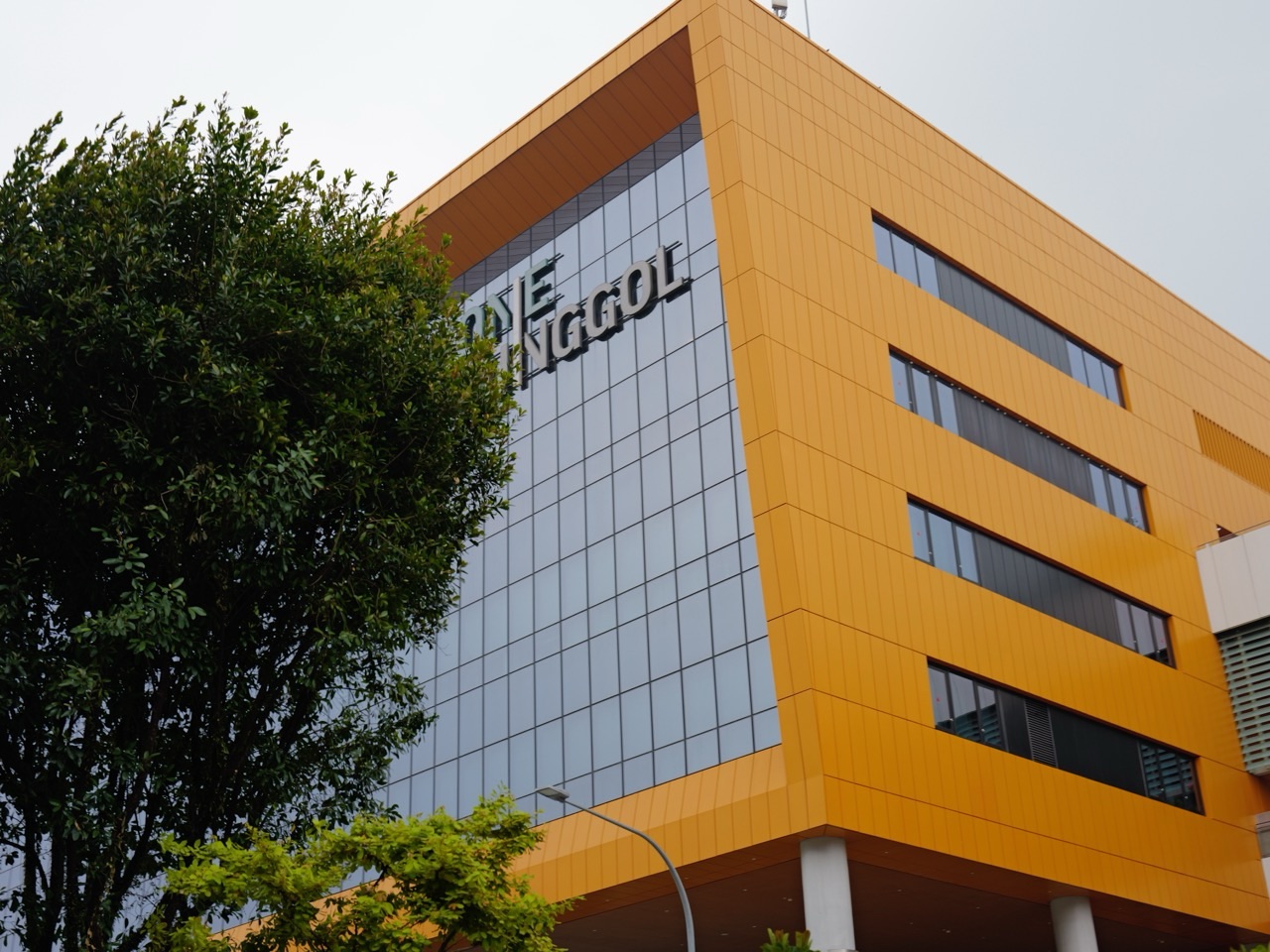
Where: One Punggol Community Club, 1 Punggol Drive, and current onePA course listings.
Why this is useful
People’s Association lists One Punggol’s community facilities, and onePA currently displays dated Recreational Folk Dance courses organised by One Punggol CC. Such listings can show the kind of class offered and the instructor’s stated focus, but an activity start date is not proof that spaces remain available. This is a practical lesson in choosing a supervised dance environment: compare the level, physical demands, style and actual schedule rather than turning a generic course page into a guaranteed local booking.
How to practise safely
Use onePA’s course search filtered to the genuine One Punggol CC location and the date you want. Read the latest class information, equipment or props requirements, eligibility, actual fees, number of sessions and refund terms. Contact the organiser or use its formal booking process rather than turning up with a group unexpectedly. If the class is not suitable or registration is closed, develop a safe non-technical phrase at home until an appropriate approved session appears.
Original worked example
A learner sees a community folk-dance course described as elementary and concludes that all teenagers can enrol immediately. The listing may have an age range, a dated closing time or current capacity conditions that were overlooked. A correct enquiry checks those conditions first. The ability to distinguish an interesting opportunity from a confirmed place is useful for families budgeting time and money.
What to improve next
Make a programme-comparison card with objective, movement style, level, instructor, supervision, duration, venue, total price and participation needs. Compare it with the student’s real goal, such as musicality or technical dance foundations. Avoid assuming the cheapest or nearest class necessarily provides the right type of feedback.
Safety, access and permission
A live course page is not a confirmed registration. One Punggol CC’s hall or studio does not automatically become a private rehearsal venue. Follow the organiser’s actual booking and safety rules.
Official reference: Explore actual community folk-dance opportunities without assuming a vacancy. Check current organiser information before any class or venue booking.
Create inclusive seated and standing versions of one original phrase
Where: Accessible private rehearsal environment with voluntary participant preferences.
Why this is useful
An inclusive choreographic task should consider different movement preferences and capacities rather than assuming every dancer must travel, jump or change level in the same way. BCA’s Universal Design principles include flexibility, equitable use and low physical effort, although a dance exercise is not a building-code inspection. A beginner can preserve rhythmic intention and artistic relationship while varying which body parts move. Good adaptation comes from listening to the individual dancer, not simulating a disability as a performance trick.
How to practise safely
Choose a simple original phrase based on reach, turn of attention and pause. Write its artistic intention first—for example, signalling invitation and response. Offer a seated version using comfortable torso, head or arm movement and a standing version using small steps where appropriate. Ask participants what works for their bodies, and never require disclosure of medical details. Rehearse the same musical accent and ensemble cue in both versions, then discuss what expressive qualities remain consistent.
Original worked example
In the first version, a choreographer demands everyone travel two metres on counts one to four. A participant prefers to remain seated. The group revises the phrase so the spatial ‘arrival’ can be expressed through a sustained arm path and change of focus, while standing dancers use a small step. The audience still understands the intended invitation. The correction improves inclusion without reducing the participant to a demonstration of limitation.
What to improve next
Compare variations in energy, direction, gaze and timing. Ask whether the adapted phrase preserves the ensemble’s shared dramatic objective and gives each performer meaningful contribution. Record feedback voluntarily and make one new iteration. For a professional inclusion question, involve relevant qualified educators or accessibility practitioners.
Safety, access and permission
Do not ask dancers to simulate impairment, perform painful ranges, use unfamiliar mobility devices or undertake contact work without training. Obtain consent for recordings and keep personal circumstances private.
Official reference: Create inclusive seated and standing versions of one original phrase. Check current organiser information before any class or venue booking.
Translate a Punggol Stories theme into an original contemporary movement motif
Where: NLB Punggol Stories exhibition and a private dance-rehearsal space.
Why this is useful
NLB’s Punggol Stories traces changing local livelihoods, seasides, housing and the contemporary town. Dance can interpret ideas of transition or memory without pretending to reconstruct an actual historical dance from old Punggol. The ethical distinction is clear: the archive documents historical themes, while the student’s movement is an imaginative response. A programme note helps an audience understand that connection and prevents invented cultural gestures being passed off as documented heritage.
How to practise safely
Choose one NLB exhibition theme and record what the caption actually establishes. Write one sentence of personal artistic response, such as ‘A journey changes but a memory remains.’ Invent a four-movement motif using approach, pause, turn and return. Rehearse it in a private clear area with a manageable level of intensity. Prepare a short programme note separating historical reference, fictional character or emotion and original choreography. Invite a viewer to describe the theme they perceived.
Original worked example
A learner stages a movement sequence around the claim that everyone in historical Punggol had the same experience of village relocation. No single exhibition theme can justify that universal story. The corrected programme note identifies the change in the area’s landscape while presenting the dance as one fictional perspective on memory and transition. The work remains expressive without claiming documentary authority.
What to improve next
Repeat the motif with one movement omitted. Ask whether the sense of transition is still apparent. Compare silence with an original short rhythmic accompaniment. Advanced students can use a simple scene map showing how costume, gesture and music create associations that require cultural sensitivity.
Safety, access and permission
Do not copy a complete historical dance or claim an exhibition holds an approved choreography for reproduction. Respect NLB’s content rights and avoid staging in the public library without appropriate permission.
Official reference: Translate a Punggol Stories theme into an original contemporary movement motif. Check current organiser information before any class or venue booking.
Plan a safe dance-CCA rehearsal and learn to spot the first error
Where: School-approved rehearsal floor, not a public Punggol footpath.
Why this is useful
Dance improvement depends on targeted feedback. A learner may lose a turn’s direction, rush a count, misalign with the group or struggle with a specific transition. Repeating the whole routine can reinforce the error and create fatigue. A small practice cycle should identify the exact moment of confusion and choose a controlled correction that the dancer can transfer into the complete phrase. A good school CCA also needs risk controls, rest and age-appropriate technical supervision.
How to practise safely
Select one eight- or sixteen-count phrase already approved by the teacher. Perform it at a comfortable pace and note the first specific technical or rhythmic discrepancy. If the issue is spacing, use a floor diagram. If timing, count subdivisions and rehearse the transition. If balance, reduce the movement and seek the instructor’s technical guidance. Practise the repaired fragment briefly, reconnect the preceding and following counts and complete one safe full run. Ask what still feels uncertain.
Original worked example
An ensemble repeatedly misses a formation change on count seven. The original rehearsal repeats the entire three-minute routine, but the missed transition persists. The teacher isolates the preceding two counts and has dancers confirm their destination and facing on a paper floor map. After a measured re-entry, the next run is clearer. The successful change came from diagnosing a precise spatial cue.
What to improve next
Test the same spatial idea with a changed entry direction or alternate performer role. A student who can only reproduce one memorised formation may need more conceptual work on audience-facing directions. Keep rehearsal logs concise: mistake, cause suspected, correction, outcome and next test.
Safety, access and permission
Do not push through pain, fatigue or dizziness. Avoid unsupported flexibility forcing, acrobatics or aerial work. Trained supervisors and school safety policies control technical demands and group rehearsal duration.
Official reference: Plan a safe dance-CCA rehearsal and learn to spot the first error. Check current organiser information before any class or venue booking.
Create a short original choreography portfolio with a reflection
Where: Private school or home setting, with appropriate consent and music rights.
Why this is useful
A dance portfolio becomes useful when it captures why a movement was chosen and how it improved. A visually attractive video without an artist statement, rehearsal evidence or proper music rights may reveal little about the dancer’s thinking. IPOS explains that dramatic works such as choreographic scripts and music can be protected, as can film and sound recordings. A student should distinguish self-created choreography from borrowed movement sequences and know who agreed to be filmed.
How to practise safely
Prepare a twenty-to-sixty-second original movement phrase with a written title, counts, movement map and artistic intention. Make a private first recording only with all participants’ consent. Ask one or two trusted viewers to identify the change of direction, key motif and intended feeling. Revise a single element and record again under comparable conditions. Store the versions with dates, source notes and suitable music rights. If using a school or formal programme, follow its rules on student work and publication.
Original worked example
A first portfolio sequence contains three attractive moments but no clear phrase ending. A reviewer cannot tell when the dance is complete. The choreographer adds a still closing pose on the final two counts and retests. The revised version communicates closure more clearly. Their written reflection explains the decision instead of simply stating ‘I worked harder’ or claiming audience acclaim without evidence.
What to improve next
Analyse whether the audience’s interpretation differs from the choreographer’s intention and identify a plausible reason: dynamics, spacing or timing. Consider a second version accessible to a different participant while preserving the motif. A portfolio can honestly describe an unsuccessful idea and why it was removed; learning is shown through revision.
Safety, access and permission
Do not publish identifiable minors or private family rooms without consent. Credit or license external music and choreography properly, and never treat a public hall’s existence as permission to stage an event.
Official reference: Create a short original choreography portfolio with a reflection. Check current organiser information before any class or venue booking.
Three practical Punggol dance learning plans
A twenty-minute movement idea
At home or in a suitable school space, start with a simple sketch of a waterway curve. Make three comfortable movements and assign them eight counts. Perform without music, then with an appropriate original rhythmic track. Ask an observer which movement seems to be the turning point. Make one correction, repeating the short phrase rather than attempting a long acrobatic routine. Stop when movement is no longer comfortable or attention has faded.
A duet and ensemble rehearsal
Choose a privately authorised floor and two consenting performers. Use separate paths and a shared musical cue. Rehearse first as independent solos, then alternate the starting cue. Test what happens when one performer misses an entry, and agree on a respectful recovery. Avoid contact, lifts and sudden speed increases. Draw a formation map with audience-facing directions so learners can correct spatial misunderstandings without using extra physical repetitions.
A heritage-inspired choreography portfolio
Read a genuine NLB Punggol Stories theme and record the factual source. Write one original artistic statement about changing places or memory. Compose a short, safe phrase that communicates that idea, preserving the first version and the revised version. Add a programme note that separates documented Punggol history from an imaginary character or emotional response. A complete portfolio can be created without booking the regional library or performing on a public bridge.
A four-week progression for a beginning dancer
Week one: find an eight-count rhythm the learner can follow without being pushed beyond comfort. Week two: use the same phrase in two directions or spatial paths, keeping facing and transitions deliberate. Week three: introduce a partner response if both participants consent and the rehearsal has safe spacing. Week four: present the original sequence, one purposeful revision and an explanation of what changed. Each stage tests a different skill rather than adding complexity by default.
Ten rehearsal mistakes that can be repaired early
- Counting quickly without hearing the musical pulse.
- Confusing audience-left with the performer’s left.
- Making a phrase difficult before its simple version is secure.
- Treating a large gesture as proof of strong expression.
- Crossing two dancers’ paths without safe spacing.
- Adding physical contact without prior agreement.
- Assuming every folk-dance category is a live Punggol class.
- Borrowing culturally specific gestures without understanding or permission.
- Repeating an entire routine instead of diagnosing one inaccurate transition.
- Publishing rehearsal footage or music without rights and participants’ consent.
Frequently asked questions
Where can Dance students practise in Punggol?
A suitable home or school-approved space works for basic movements. Public parks and community halls require compliance with their own access and event rules.
Does One Punggol offer folk dance classes?
OnePA has listed Recreational Folk Dance courses organised by One Punggol CC, with specific dates and terms. Confirm real registration availability.
Can I book a class through a published course listing?
Only if the provider’s current booking process confirms eligibility and space. A saved listing is not a reservation.
Does a dance course directory guarantee a nearby instructor?
No. Programme categories and dates vary by venue; check the correct location and organiser.
What is an eight-count phrase?
A movement sequence organised against eight counted beats for a particular choreographic purpose.
Do all dance traditions use eight counts?
No. Eight counts are a useful training tool in some contexts but not a universal rhythmic structure.
What is choreographic motif?
A recognisable movement idea that can recur or be varied during a dance.
What is a pathway in dance?
The route a performer traces through available space, such as straight, curved or diagonal travel.
What does facing mean?
The orientation of the performer’s body relative to the stage, audience or another performer.
How can a beginner improve timing?
Identify the first late or early cue, rehearse that short transition at a manageable pulse and then test in the full phrase.
Is a duet required to include lifts or contact?
No. Mirroring, alternating, responding and contrasting movement can create an effective duet without touching.
Can children learn inclusive choreography?
Yes, with age-appropriate choices, voluntary participation and adaptations that preserve artistic intention without forcing painful movements.
Can we dance on Waterway Park bridges?
Do not block public pedestrian or cycle circulation or treat a working bridge as an unbooked rehearsal venue.
Can Punggol Stories inspire a dance?
Yes, if the historical source is cited and the movement is clearly the student’s original interpretation rather than a claimed archival reconstruction.
Does NAC support Dance education in schools?
Yes. Dance is one of the art forms in NAC’s school arts-education framework, with programme selection and provider conditions.
How do I avoid cultural stereotyping in dance?
Research a specific tradition and performance context, credit the source and avoid claiming one example represents an entire culture.
Should rehearsals be physically demanding?
Intensity should match training and the participant’s needs; technical or risky movements require proper supervision.
Can we use popular recorded music publicly?
Applicable music rights, venue and performance permissions must be checked. A credit alone may not provide licensing.
What should a choreography portfolio include?
An original phrase, count or formation diagram, first recording, one correction, artist note and relevant consent and rights documentation.
What if an activity hurts or causes dizziness?
Stop the activity and seek appropriate trained or medical guidance where necessary rather than forcing completion.
Official references and related eduKate Punggol guides
- Make an original eight-count movement phrase from a Punggol waterway sketch
- Train musical phrasing and timing through two eight-count sequences
- Use an imaginary bridge crossing to practise pathways and facing
- Learn how to design a duet with clear consent and spacing
- Build a culturally respectful dance-research notebook
- Explore actual community folk-dance opportunities without assuming a vacancy
- Create inclusive seated and standing versions of one original phrase
- Translate a Punggol Stories theme into an original contemporary movement motif
- Plan a safe dance-CCA rehearsal and learn to spot the first error
- Create a short original choreography portfolio with a reflection
- NAC 2026–2028 Arts Education Programme
- onePA current course and location search
- IPOS rights in musical works and recordings
- Punggol Music rhythm and composition
- Punggol acting, physical storytelling and rehearsal
- Punggol visual arts and composition
- eduKateSG step-by-step learning reference
Make the movement meaningful, safe and repeatable
A Punggol-inspired dance need not involve a spectacular leap, a crowded public bridge or a paid studio. Start with a short original phrase, match it to the music, check direction and spacing, and respond to specific feedback. Respect cultural context, participants’ boundaries and venue permissions. Thoughtful dancers grow by refining the movement they understand, not by increasing risk or volume.


