
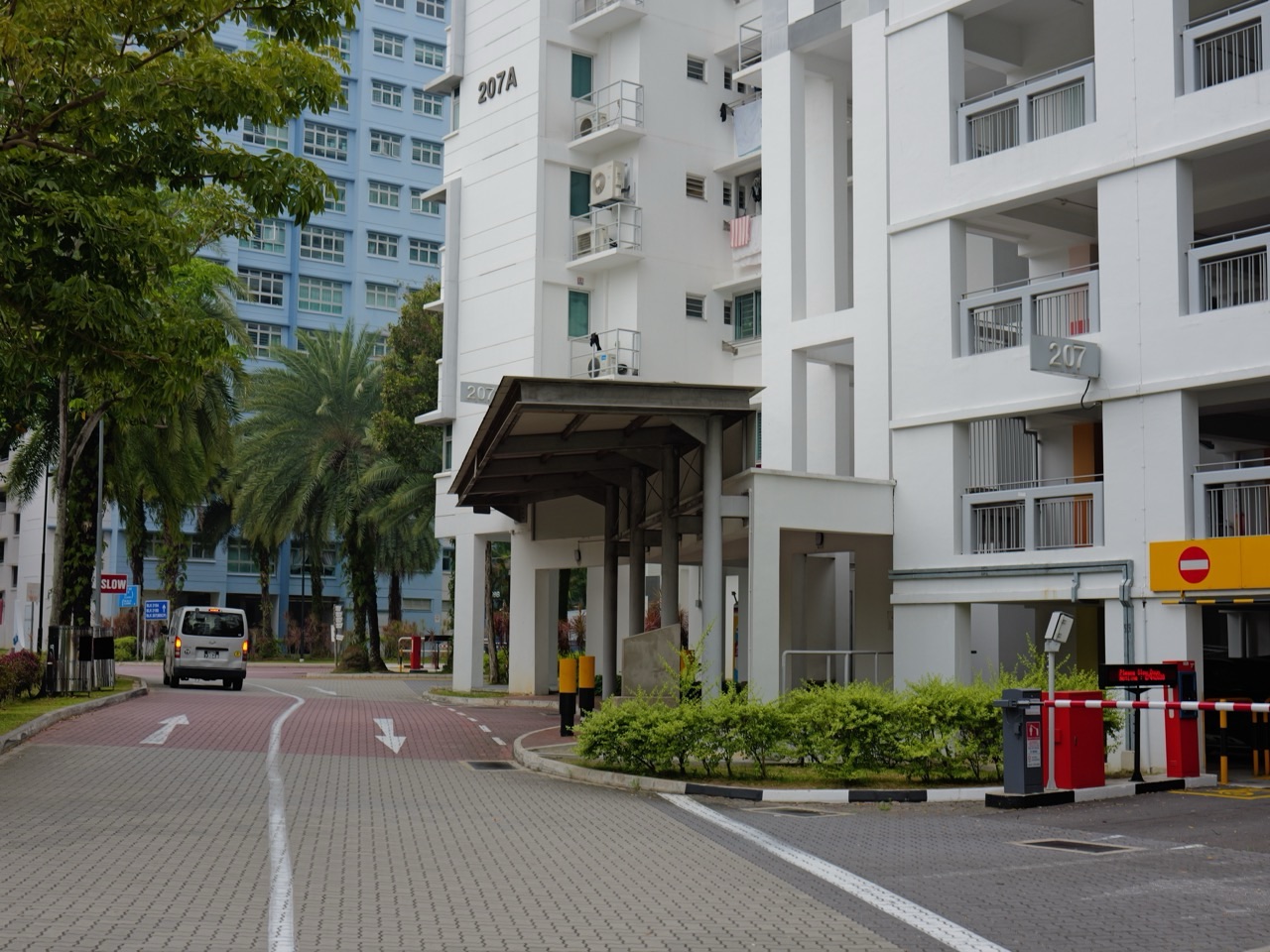
A Punggol home has several essential systems, and each has a different operator. Electricity reaches flats through the national power network, but residents may buy electricity from SP Group or a licensed retailer. The SP utilities account supports household billing and other services. PUB governs public water supply and water-service standards. Town gas, where installed, involves the licensed gas supply network and qualified installers. Fibre broadband is ordered from a telecommunications provider, and a fast internet subscription does not guarantee strong Wi-Fi in every room.
The first action when moving into a Punggol HDB flat is to arrange your utilities account and any required supply turn-on before moving day. SP Group’s residential guide says to allow seven business days’ lead time after opening an account, and to keep the appointment confirmation. Regardless of whether you buy electricity from a separate retailer, SP says the utilities account still needs to be opened. For gas connections, City Energy’s residential appointment page states that lead time can be up to four working days or longer at peak periods. Those are planning instructions, not guaranteed installation dates.
This Understanding Punggol | Things to Know guide, checked against official Singapore sources on 18 October 2026, shows how electricity, water, gas, broadband, meter readings, billing, outages and recycling fit together for residents. It explains the hidden mechanisms, common contract mistakes, examples and a practical moving-house sequence. The exact availability, tariff, subsidy entitlement or appointment for an individual block must be checked through the responsible provider; this is an operating guide, not a bill quote.
Quick answers for Punggol residents
- Opening or closing a household utilities account: use SP Group’s official utilities service or app.
- Buying electricity: consumers may stay on the regulated SP Group tariff or choose a licensed retailer; switching is optional.
- Electricity network: SP operates the national grid infrastructure, irrespective of your chosen retailer.
- Water supply: PUB manages Singapore’s water system and can handle urgent major pipe bursts or water interruptions through its published channels.
- Gas: where piped town gas is available, use authorised arrangements and licensed workers; a gas leak requires immediate safety action.
- Broadband: select an ISP plan based on actual household needs, address availability, installation conditions and the contract.
- Power outage: first assess the extent safely, consult SP and EMA updates, use battery lighting and avoid improvised electrical repairs.
- Water leak: distinguish private internal plumbing from shared supply infrastructure; for regulated plumbing work use an appropriate licensed plumber.
- Recycling: paper, plastic, glass and metal accepted in blue bins are distinct from batteries and electronic waste, which require e-waste facilities.
- Financial assistance: U-Save and related rebates depend on specific eligibility and current policy; they are not general cashback for every address.
- Important caution: a Punggol utility bill, an electricity retail contract, a gas turn-on appointment and a broadband package are four different records.
1. A flat is a collection of operating systems
When a family gets a key, the flat may appear complete, yet essential services still need administrative activation and correct equipment. Electricity has metering, grid delivery and a choice of commercial supplier. Water has public supply, plumbing and consumption measurement. Gas may have network access, installation checks and appliance safety. Broadband has a physical network, service-provider subscription and a local Wi-Fi network inside the home.
These layers explain why a resident cannot necessarily resolve every service question by calling one number. SP may handle the utilities account and meter information, but an electricity retailer may handle a contracted rate, City Energy may arrange a gas appointment, and an ISP may handle a router fault. A Town Council may manage common property while the resident is responsible for an issue inside the dwelling, subject to the actual tenancy and property conditions.
The most useful organising method is a one-page household service map: service, provider, account or contract, technical asset, emergency route and next review date. Keep sensitive account details in a secure private location. The goal is to find the correct service quickly without broadcasting a bill photograph or wasting time explaining a broadband problem to a water supplier.
2. Open your SP utilities account before moving day
SP Group’s residential utilities guide describes opening an account, arranging a supply turn-on appointment where required and receiving confirmation of the appointment by SMS, email or letter. Applicants must meet the stated identity and age requirements, and the official portal allows dates to be selected subject to availability. SP asks residents to allow lead time so the home is ready when occupation begins.
A recurring mistake is to assume that collecting keys automatically transfers the previous occupant’s utility service or account into the new resident’s name. SP’s account and billing processes are separate from HDB’s handover and from the private sale or tenancy agreement. The new occupant should verify the intended account start date and whether access is needed for a turn-on appointment.
For households moving from another address, review the closing procedure at the former home too. SP’s guide distinguishes closing the old account from opening a new one. A family that forgets the first may continue receiving charges for a period after moving; a family that forgets the second may face an inconvenient supply delay. Manage them as two related, but separate, tasks.
3. Keep supply appointments distinct from retail shopping
A retailer sells an electricity price plan; a network operator delivers electricity; an account administrator handles relevant records. These roles overlap in ordinary speech because consumers use the phrase “electricity company” for all three. In Singapore’s Open Electricity Market, they have different responsibilities. EMA says the national grid continues delivering electricity even when a household chooses a licensed retailer.
SP’s guide states that a residential utilities account is required whether electricity is purchased from SP or a separate retailer. Therefore, a household should not sign a new electricity contract and assume that all moving-in administration is complete. The supply connection, meter and billing arrangements still need to be coordinated through official processes.
A helpful sequence is to establish the property and account first, then compare retail options after understanding the likely consumption and contract obligations. A salesperson’s promise of a monthly saving is not a substitute for a working supply and an accurate start date. Electricity reaches the home through the same national grid regardless of a change in retailer.
4. Regulated tariffs and retail plans are not identical
EMA says consumers may stay with SP Group at the regulated electricity tariff or choose a retailer. Switching is not compulsory and has no imposed deadline. Retailers may offer fixed-price plans, discounts off the regulated tariff and other arrangements. Standard plans have defined terms, while non-standard plans may include different pricing features or charges.
A fixed price can improve predictability over the contract term, but it does not guarantee that it will be cheapest across every future quarter. A discount-off-tariff plan may move with changes to the regulated tariff. A non-standard arrangement requires close attention to how charges are calculated. The answer depends on actual usage and the contract, not merely the number displayed in a promotion.
Before choosing, request the Fact Sheet and Consumer Advisory that EMA says retailers should provide. Check the total energy rate, recurring fees, deposit, start date, contract length, renewal mechanism and termination conditions. Someone moving again within a few months has different contract risks from a household expecting to stay at one address for years.
5. Why a low advertised rate can still be costly
Imagine two fictional plans. Plan A has a slightly lower per-kWh rate but charges a recurring fee. Plan B has a slightly higher rate without that fee. At low consumption, the fee can outweigh the small unit-price advantage; at higher consumption, the result may reverse. The correct comparison multiplies the rate by an actual expected quantity and adds contractual charges.
The important distinction is between a unit price and a total bill. An electricity bill may also sit alongside water, gas and refuse charges; it should not be compared with a promotion that covers only energy supply. Rebates and taxes can further affect what a household pays. Comparing a total utilities bill against a quoted electricity-only rate produces an invalid conclusion.
For a fair calculation, use recent consumption from the same household if available, not an unrelated neighbour’s bill. If you have just moved, work with a conservative range rather than pretending that a single month’s estimate is guaranteed. Keep this as a planning exercise; obtain current official rates before signing.
6. A simple electricity-cost worked example
Suppose a hypothetical household expects 300 kWh of electricity use in a month. To understand a unit price, first calculate the energy component: at an illustrative S$0.30 per kWh, 300 × 0.30 = S$90 before any relevant taxes or additional charges. If a different illustrative rate is S$0.28 per kWh, the equivalent amount is S$84. The difference is S$6 for that usage and those example rates.
These are mathematical examples, not current tariff quotes. If the cheaper per-unit plan also has a S$10 monthly fee, the total of the illustrative energy component and fee becomes S$94, versus S$90 for the first plan before other bill items. This reversal is why a reader should understand the whole contract rather than compare the smallest headline number.
Repeat the comparison at different usage levels and check renewal conditions. A household that uses substantially more air-conditioning or has more people at home may consume differently across months. Do not choose a plan solely by the result of a single invented example.
7. What happens if a retailer exits the market?
EMA has safeguards for electricity retailers exiting the market. Its official guidance explains that the exiting retailer must first try to arrange a transfer on equivalent terms, and that affected residential customers may return to SP Group as the default last-resort arrangement. The electricity supply itself is not meant to be interrupted by a retailer’s exit, because the national grid continues to operate.
That distinction is especially valuable during alarming market headlines. An electricity seller can cease trading without the physical cables to an HDB block vanishing. The price or account arrangements may change, so the household must read the relevant notice and understand its options. But “retailer closure” is not automatically “power blackout”.
If you receive a notice, verify it through the official retailer and EMA or SP channels. Check what happens to any deposit, contractual rights and final bill. Avoid signing a replacement contract in a panic without comparing the real terms. A good household file preserves the original agreement and later change notices.
8. Meter readings are data, not a promise of identical bills
Electricity, water and gas consumption is measured through appropriate meters and recorded for billing. SP’s residential guide says users can monitor consumption through the app or portal and submit water or gas readings where applicable. Depending on metering arrangements, bills may reflect actual readings, estimated readings or adjustments when actual measurements are received. The bill’s statement explains what was used.
A household that changes from estimated to actual readings may notice a larger or smaller bill, even if its everyday habits did not change dramatically. Do not immediately assume fraud. Compare the billing period, reported units, reading dates and any adjustment. If the readings seem inconsistent, follow the provider’s official query process and avoid attempting to open sealed metering equipment.
Regular checking also helps identify unusual consumption. A sudden sustained increase may indicate a change in household use, a problem with equipment or a leak that needs investigation. The number alone does not identify the cause; it tells you what question to examine next.
9. How electricity reaches a Punggol flat
The national electricity system includes generation, transmission, distribution and delivery to end-users. Households see the result as power available at outlets and appliances, but numerous components and safety systems operate outside their flat. EMA and SP explain that the retailer is not the operator of the national grid. Electricity regulation and technical network management have different roles.
This distinction matters when diagnosing a power problem. If lights fail in multiple blocks, the issue is different from one household circuit tripping. A household should first check the extent of the problem without taking unsafe action. The relevant official updates and qualified technical personnel can then help determine whether the fault is upstream, part of a building system or inside the flat.
Do not open electrical risers, interfere with meter seals or attempt complex wiring repairs. Such infrastructure is managed under strict technical rules. Residents are responsible for using appliances safely and engaging appropriate qualified workers for relevant work inside their home.
10. The safe first minute of a power outage
EMA advises residents to assess whether the outage affects only their home or a wider area, use battery-operated lighting instead of candles and avoid unsafe interventions. It recommends keeping an emergency bag with lights and backup power and knowing the contacts for essential building services. This is practical advice for Punggol’s high-rise housing environment.
Start by remaining calm, especially if it is dark or children are frightened. Avoid using lifts when the power situation is uncertain. Do not open or force lift doors if trapped; use the lift alarm and the appropriate maintenance or emergency channels. Keep refrigerator doors closed where practical, conserve phone battery and check the official update sources. Serious threats to life require emergency services.
A power cut is not automatically a reason to call an ambulance. But if someone depends on electrically powered medical equipment or another urgent life-supporting service, follow that person’s professional contingency plan and seek urgent assistance as appropriate. Preparedness must account for real household vulnerabilities, not just convenience.
11. Common-area electricity and household electricity have different owners
A corridor light or lift is not the same as the ceiling light inside your living room. HDB estate common property is typically maintained through the relevant Town Council, while a private condominium has its own management arrangements. Building service systems can affect several homes at once, and the exact responsible party depends on the physical asset.
Suppose a stairwell light fails but your flat still has electricity. That points towards a common-area maintenance report, not an instruction to change your electricity retailer. If only your flat is dark, the circumstances may relate to your internal supply or wiring, and the safe next step is the authorised building or electrical support pathway. If several buildings are affected, national grid information may be relevant.
The general rule is to report location plus asset. “Block X, staircase beside lift lobby, level Y, shared light not working” is more actionable than “Punggol no electricity”. For estate feedback, the Town Council or OneService may be relevant. For dangerous electrical conditions, avoid contact and seek appropriate urgent qualified assistance.
12. Water supply is a separate infrastructure system
PUB, Singapore’s National Water Agency, manages the national water system. It oversees matters beyond the decorative water features residents see near Punggol Waterway. Clean piped water delivered to homes involves supply, treatment, distribution, metering and regulated plumbing. A reservoir is part of catchment infrastructure but is not a household tap.
A reliable mental model separates three spaces: the public supply network, the building or estate’s water systems and the internal plumbing or fixtures. A low-pressure issue affecting an entire block may not have the same cause or responsible maintenance process as one dripping kitchen tap. A water stain on a shared corridor ceiling may involve common services rather than the resident’s private faucet.
Contact the relevant provider based on the problem. PUB publishes a 24-hour contact route for major pipe bursts and water interruptions. Internal regulated plumbing work may require a licensed professional. Keep your exact block, unit and observations ready, but do not dismantle mains equipment in an attempt to help.
13. Why a high water bill needs a specific diagnosis
A sudden increase in water consumption can arise from changed household patterns, billing-period differences or a leak. PUB explains that showering, toilet flushing, kitchens and laundry make up a substantial share of household use. That suggests the right place to begin: compare how many people were at home, how often water-intensive tasks occurred and whether taps or toilet cisterns appear to be running continuously.
Do not immediately conclude that the meter is defective. Read the units and dates on the bill, then check relevant official meter-reading guidance. A hidden toilet-cistern leak can continue even when nobody is visibly using water. PUB offers leak-detection guidance and explains common clues such as unwanted water flow, dampness and unexpectedly high charges.
If a suspected leak involves plumbing work governed by licensing rules, use the appropriate qualified provider. Someone who is unsure which supply is affected should contact PUB, the managing agent or the Town Council as suitable to the asset. Accurate evidence is more useful than guessing at a technical cause.
14. Water-use numbers can improve understanding
PUB reported that Singapore’s average household water consumption was 141 litres per capita per day in 2025, down from 142 litres in 2024. This is a national average, not a personal entitlement or target assigned to every Punggol resident. A household with infants, health needs or different working arrangements may have a different pattern. The number is most useful for understanding the scale of water use.
For a simple illustration, imagine three people each using 140 litres per day. The hypothetical household uses 3 × 140 = 420 litres per day. Over a 30-day month that becomes 12,600 litres, or 12.6 cubic metres. This is a worked example, not a prediction of the actual meter reading. Real consumption varies day to day.
A practical water-conservation plan should focus first on meaningful activities and leaks rather than micromanaging trivial quantities. PUB’s studies identify showering, flushing, kitchens and laundry as major categories. Looking at a family’s own usage and selecting a sustainable improvement is more useful than assuming everyone must match a published average exactly.
15. Licensed plumbing is a safety and compliance issue
A home may need repair or modification to taps, sanitary fixtures, water pipes or related systems. PUB identifies licensing requirements for regulated water service and sanitary plumbing work and provides sources to locate appropriate licensed plumbers. The homeowner should verify that a worker is qualified for the proposed task, not only that they appear in a search advertisement.
For a minor observable drip, record the location and when it occurs. If a repair will involve regulated supply equipment, do not improvise a connection or bypass a valve’s designed use. A badly performed repair can lead to leaks, property damage, contamination or later service failures. A short-term saving may become an expensive problem.
Residents living in rented flats should check tenancy responsibilities and notify the landlord or authorised manager where appropriate. During an HDB defect-liability period, a different process may apply. The correct route depends on the property, problem and contract rather than a generic instruction to call the cheapest plumber.
16. Punggol Waterway is not the household water pipe
Because the neighbourhood is known for its Waterway, newcomers may imagine its water directly enters homes. Singapore’s water systems are more complex. Punggol Waterway links managed freshwater reservoirs, while household water is supplied through the regulated national system following the necessary treatment and distribution processes. Reservoir water seen beside a path should never be treated as drinking water.
This distinction also prevents unsafe assumptions about recreation. Swimming or washing in reservoirs is not permitted merely because the water is part of a supply catchment. PUB’s water activities involve authorised operators and safety rules. Household water quality questions belong to water-supply authorities, not to photographs of the nearest park channel.
Understanding the two systems together is still useful. Rainfall catchment and domestic conservation are connected through the national water story, while everyday responsibilities differ. A resident can keep public waters clean and also repair wasteful leaks at home without confusing the separate infrastructure and management functions.
17. Town gas needs both an account and safe appliance arrangements
Some Singapore homes have access to piped town gas, while others rely on different cooking arrangements. A Punggol household must first establish whether the particular property has a gas connection and suitable appliances. The existence of gas supply in another block does not prove that your flat has the same fittings. City Energy operates relevant town-gas services and has official residential supply appointment processes.
City Energy’s appointment page covers gas pipe installation and supply turn-on. It also notes an important 2026 authorisation requirement: from 1 January 2026, only the authorised account holder can schedule appointments, with a formal authorisation route where applicable. Applicants should check current instructions, lead times and any charges rather than relying on what a former occupier says.
Gas supply is not something to switch on by improvising pipework or using unqualified installers. Appliance compatibility, inspection and maintenance matter. If the home uses another cooking fuel or an induction hob, its safety and operating requirements will differ. The right household plan begins with actual installed equipment, not a generic assumption about every HDB flat.
18. Know the gas-leak emergency rule
EMA’s gas-safety guidance is specific: if a gas leak is suspected, shut the gas meter control valve when safe, open doors and windows, extinguish flames, avoid operating electrical switches or appliances, and contact City Energy’s 24-hour gas emergency hotline at 1800 752 1800 from a safe distance. Do not use a naked flame to search for the source. Where the situation involves immediate danger to life, appropriate emergency services may also be required.
This procedure is different from a routine request to install a cooker. A booking line and an emergency hotline serve different purposes. Save the correct emergency contact if the property uses piped town gas, and make sure household members know where the relevant safe shut-off arrangements are, without attempting technical modifications.
A strong safety plan is preventive as well. EMA advises regular professional attention to relevant pipes and appliances and keeping access to the meter valve unobstructed. Do not ignore repeated abnormal smells or sounds. A qualified professional should assess equipment concerns rather than an unverified video tutorial.
19. Choosing a home broadband plan is a contract decision
Broadband providers sell internet access plans, while the physical telecommunications infrastructure and the household’s Wi-Fi setup affect the experience. IMDA’s consumer guides emphasise comparing price, throughput, latency and real usage requirements. Advertising may highlight a maximum line speed that is not identical to what a phone receives through several walls inside a flat.
A family that mostly reads, joins occasional video calls and streams television may have different requirements from a home with multiple simultaneous heavy users, game downloads and a remote worker. Start by listing what actually happens in the home. Identify the busiest period and which activities must work reliably, such as online meetings or educational access.
Then compare the complete offer: address eligibility, installation appointment, equipment supplied, contract period, recurring price after promotion, installation charges and termination rules. Broadband marketing is not a substitute for checking whether the particular fibre service can be activated at the precise unit.
20. Why faster fibre does not always mean faster Wi-Fi
Internet performance has multiple stages. A fibre plan delivers a capacity to the home under defined conditions. The router distributes connectivity through the home, using Wi-Fi or wired connections. Distance, walls, interference, device capabilities, router placement and simultaneous users can all affect performance. Even an expensive high-speed plan may feel slow in an awkward room.
IMDA explains that achieving advertised broadband speeds depends on the home network and compatible devices. It notes that a 1 Gbps plan is usually adequate for basic email and web browsing and that households with heavier simultaneous use may benefit from more capacity. That is guidance for matching needs, not a guarantee that a specific speed solves weak wireless coverage.
Before paying to upgrade, test in a sensible order: identify whether the slowdown affects one device or many; compare Wi-Fi performance near the router with a compatible wired connection where possible; check the router and device capabilities; then contact the ISP if the service appears below its expected standard. Buying a faster package before identifying an internal Wi-Fi problem can waste money.
21. A broadband performance example without misleading speed claims
Suppose a household is offered a 2 Gbps package, but most of its devices have wireless or wired interfaces that cannot independently use that full capacity. The connection may still benefit several simultaneous devices, but it does not follow that one ordinary phone will show a 2 Gbps speed test. The bottleneck could be the phone, router, cable, server, wireless environment or a plan-related condition.
Now imagine a family that struggles with video calls only in a bedroom far from the router. If other rooms work normally, the first question should concern the in-home network rather than the total fibre subscription. A better access point or a properly designed wired arrangement may help, subject to the property’s layout and professional advice. Replacing a modem or drilling cables without planning can introduce safety and tenancy issues.
The lesson is to distinguish access speed, local network performance and application experience. Each is measurable in a different way. This diagnostic method helps consumers ask the provider a precise question and evaluate whether a suggested upgrade genuinely addresses the problem.
22. Contract end dates matter as much as promotional prices
A broadband or mobile contract may have an initial discount, a minimum commitment period, device-bundle conditions and termination charges. IMDA’s Telecom and Media Competition Code and supporting guidance provide rules concerning consumer protections and contract practices. However, the details of an individual agreement still require reading the signed terms.
Someone moving to Punggol may want to transfer an existing service rather than starting a second overlapping contract. Check whether relocation is supported, whether the old address is still under contract, what installation charges apply and whether a port or transfer interrupts connectivity. Some providers can arrange service at a new address, but the process is not universal.
A household that relies on connectivity for work or school should schedule installation with a realistic buffer and use a temporary legitimate connection if needed. Avoid canceling the old service before confirming how and when the new one will become usable. This is a planning problem, not something a headline internet speed can solve.
23. When an internet outage is not a power outage
A broadband outage can occur while the flat’s electrical sockets, lights and appliances work normally. Conversely, a power outage can stop a powered router even when the wider broadband network is functioning. The symptoms look similar on a phone — “no internet” — but the responsible service and solution differ.
The first diagnostic question is therefore whether the router has power and whether other electrical devices are working. Next, check whether the problem affects one device, the Wi-Fi network or the broadband service more generally. A known ISP outage should be reported or tracked through the operator’s channels; an internal electrical hazard should be handled through the appropriate qualified pathway.
Do not repeatedly reset equipment containing unsaved configurations without knowing how it will be restored. A family can keep a note of the provider’s support route and the basic information it may request, without sharing router admin passwords or Wi-Fi credentials with strangers. Clear fault isolation reduces unnecessary replacement purchases.
24. Electricity, gas and broadband providers do not share one cancellation
Moving out involves closing or transferring each service according to its contract. SP’s utilities account closure can affect electricity, water and related billing. A gas supply termination may have an additional fee or appointment consideration. Broadband contracts may require a relocation or cancellation request. A retailer’s electricity agreement may have its own rules. One moving-company form cannot automatically terminate all these arrangements.
SP’s close-account page states that a final bill and deposit settlement follow closure, and advises customers with electricity retailers to contact the retailer appropriately before closure. It also describes arrangements when a new occupant takes over supplies and notes possible gas-termination fees. The household should check effective dates carefully so it does not pay unnecessarily or leave a service disconnected before moving furniture.
A secure moving checklist should record each provider, notice date, requested end date, return of any equipment, final bill and refund. Take legitimate evidence of the handover and keep the accounts separate. If the previous occupant refuses to resolve a charge, use official support rather than exposing documents in a public group.
25. U-Save rebates are eligibility-based and time-specific
Singapore’s U-Save support helps eligible HDB households with utilities costs. The government has announced ordinary and additional 2026 assistance, and the applicable conditions can include citizenship, ownership or occupation circumstances and other property interests. The amount varies with the relevant policy and flat category. Being located in Punggol does not independently guarantee a particular rebate.
An important mistake is to compare two neighbours’ net bills without understanding eligibility, previous credit, usage and billing period. One may be applying a rebate accumulated earlier, while another has a different household circumstance. A lower net payment does not necessarily mean lower electricity consumption.
Read the current government benefits eligibility page and the actual SP bill. Keep subsidy enquiries within official channels and do not upload complete household identification records to public websites. The goal is accurate entitlement, not guessing an amount from social media.
26. Everyday conservation is different from deprivation
Using electricity and water efficiently is not about making a home uncomfortable or unsafe. It is about understanding which habits and appliances drive meaningful consumption and reducing avoidable waste. PUB identifies showers, toilet flushing, kitchens and laundry as major household water uses. Electricity may be influenced by cooling, lighting, cooking, appliance efficiency and time of use, but the balance varies by household.
A useful method is to measure one category, change one practical behaviour and compare later readings while accounting for other changes. For water, repair a leak or choose appropriate water-efficient fittings. For electricity, maintain equipment and avoid unnecessary operation. Do not turn off necessary medical devices, compromise safe food storage or make a child’s study environment unreasonably hot simply to reduce a bill.
Some changes involve a purchase, but the cheapest measure is sometimes better operation of existing equipment. Before buying something marketed as an “energy saver”, verify the product’s safety and evidence. A sustainable routine is one that helps without creating new risks or costs.
27. Recycling depends on the waste type, not on good intentions
NEA’s National Recycling Programme uses blue commingled bins for accepted paper, plastic, glass and metal recyclables. This does not mean all discarded objects belong in those bins. Food-contaminated material, hazardous items, batteries and electronics may require different disposal. Mixing inappropriate materials can contaminate recyclables or create fire and safety hazards.
For a Punggol household, a simple internal system is more useful than an elaborate storage area. Separate ordinary waste, clean accepted recyclables and electronic or hazardous items requiring specialist collection. Do not leave oversized devices beside recycling bins or in common corridors. Check the current local instructions from NEA and the actual estate management body.
Moving home creates an unusual amount of packaging, furniture and electronic waste. Planning reuse, donation and appropriate disposal ahead of moving day prevents a large pile appearing in a shared lobby. A green neighbourhood works best when routine household actions match the infrastructure provided.
28. Batteries and electronics need special disposal
NEA advises residents not to put batteries or e-waste into general or blue recycling bins. Its published e-waste guide explains designated collection points and the need to reduce short-circuit hazards by covering the terminals of certain batteries and properly containing leaking batteries. Mobile phones, power banks, routers, lamps and computers may be accepted at specific e-waste facilities depending on their category and the bin.
Do not assume a recycling point accepts every device. A small 3-in-1 e-waste bin is not designed for an entire washing machine. For bulky appliances, check an authorised take-back, collection or disposal service. Remove personal data from devices according to suitable security guidance before disposal where practical.
This is particularly relevant when a family upgrades its router or television after moving. A still-working device may be repaired, reused or donated; a failed device may need e-waste recycling. The responsible choice is not necessarily buying the newest replacement but matching the item to a safe end-of-life route.
29. Fault reports work better when you name the correct layer
Imagine five problems reported from the same Punggol block. In Flat A, an internal faucet drips. In the corridor, a shared light flickers. In Flat B, the Wi-Fi fails only in one bedroom. At the entrance, there is an exposed public cable. In Flat C, a resident smells gas. These problems should not be combined into one general “estate utilities” complaint.
The dripping tap may require plumbing maintenance with the correct tenancy responsibility. The corridor light may be a common-area issue for the Town Council. Wi-Fi performance may involve the subscriber’s equipment or ISP. A hazardous cable should be avoided and reported to the appropriate responsible operator. A suspected gas leak calls for EMA’s immediate gas-safety steps and the published gas emergency line, not an ordinary appointment ticket.
This is why systems thinking is practical. The operator of the physical asset can be different from the person receiving a monthly payment. Report what you observe, include a precise location and choose a channel that matches urgency. Do not diagnose live electrical or gas infrastructure yourself.
30. The first seven days in a newly occupied home
Before moving in: confirm the legal occupancy date, open the SP account, arrange any necessary supply appointment, and check whether gas service is present or required. Ask the ISP about service activation at the exact address. Prepare a realistic buffer around installations. On moving day: confirm that electricity and water are operating safely, test essential fixtures, locate the relevant household controls, and record problems through the authorised handover route.
During the first week: verify that the broadband connection supports actual devices in the rooms where it is needed. Read SP’s account information and check that the address and payer are correct. Create a secure folder for electricity contracts, appointments, official correspondence and bills. If the home has piped gas, ensure household members know the relevant safety protocol without touching service equipment unnecessarily.
Before the first full billing cycle: decide whether to compare retail electricity plans, review water and energy usage, check any eligible rebates and identify the correct contacts for emergencies. These actions make a household operational without demanding that everything be optimised immediately.
31. A realistic home-utility budget example
A fictional household has five cost categories: electricity, water, gas if used, home internet, and other municipal or housing charges. These are not identical services, and a single promotional offer rarely includes them all. To create a useful budget, enter actual bills from the previous home where available, then mark which new-home amounts are uncertain.
Suppose the household allocates a provisional total of S$250 a month across utilities and broadband solely for planning. That number is not a Punggol average. It is a user-created budget placeholder. After one or two actual billing periods, replace the estimate with real charges and consumption. If a significant difference appears, investigate what changed rather than immediately blaming a supplier.
A sound budget also accounts for one-time deposits, installation, equipment, termination and moving costs. It may be cheaper to choose a slightly higher monthly broadband price with reasonable relocation terms than a headline bargain that becomes expensive to leave. Exact totals should be derived from actual contracts.
32. Common misconceptions residents should correct
“All Punggol flats have the same gas connection.” No. Verify the specific property. “Buying from an electricity retailer changes the power grid.” No. EMA says the national grid continues delivering electricity. “The lowest kWh number equals the lowest total bill.” Not without accounting for fees and terms. “A broadband upgrade solves every slow connection.” Not if the bottleneck is the home Wi-Fi network or device.
“Blue recycling bins are for all electronics.” No; use suitable e-waste collection points. “If my household account is closed, my ISP contract also ends.” Those are different services. “Every high water bill proves a leak.” Not necessarily; compare readings, use and any billing adjustments. “An unverified installer is fine if the job is small.” Regulated work and gas or electrical safety require qualified professionals.
The recurring lesson is that essential services combine physical infrastructure, commercial contracts and household behaviour. Understanding the boundaries makes it easier to spend wisely and resolve problems without unsafe guesses.
33. The Punggol household utility checklist
- Record the exact home address, handover date and account-holder details securely.
- Arrange SP account opening and required supply appointments with lead time.
- Verify the actual energy retailer and distinguish it from the SP utilities account.
- Read electricity contract fees, rates, duration, renewal and termination terms.
- Keep meter readings and bills organised so changes can be checked.
- Identify PUB contacts for major water interruptions and a suitable licensed-plumber route.
- Check whether town gas is installed, and keep EMA’s gas-safety protocol and City Energy emergency contact if relevant.
- Test actual broadband performance in the rooms where the household uses it.
- Read the ISP contract and installation terms before paying for more speed.
- Keep appropriate battery lighting, charged power banks and essential emergency contacts.
- Separate common-property defects from internal household maintenance.
- Check current U-Save eligibility and do not assume a neighbour’s bill applies to you.
- Keep batteries and electronic waste out of ordinary blue recycling bins.
- Plan closure or transfer of every service before moving away.
- Review contracts and bills periodically; do not rely on a one-time sign-up.
Frequently asked questions
Do I need an SP utilities account if I buy electricity from a separate retailer?
Yes. SP Group’s residential utilities guide says residents need to open an SP utilities account even if they choose a licensed electricity retailer. The retailer agreement and utilities-account administration are related but distinct.
Does switching electricity retailers change the wires to my flat?
No. EMA explains that SP Group continues to operate the national power grid and electricity delivery regardless of the chosen retailer. Switching is a commercial choice, not a physical rewiring of the home.
Must every household switch to an electricity retailer?
No. EMA says switching is optional, and consumers can continue buying at the applicable regulated tariff from SP Group. Compare total contract terms against your real needs before making a choice.
When should I apply for utilities before moving in?
SP’s official residential guide advises allowing lead time and identifies supply-turn-on appointments where required. It notes a seven-business-day lead time after account opening. Actual appointment availability depends on the chosen date and provider confirmation.
What if I suspect a gas leak?
Follow EMA’s gas-safety steps, including avoiding electrical switches or flames, ventilating and shutting the meter valve if safe, then call City Energy’s 24-hour gas emergency hotline at 1800 752 1800 from a safe distance. If there is immediate life-threatening danger, use appropriate emergency services as well.
Who should I call for a major water pipe burst or water interruption?
PUB publishes a 24-hour call centre for urgent feedback concerning major pipe bursts and water interruptions. Its listed numbers include 1800 2255 782 and 6521 6470. For an internal minor plumbing defect, the responsible plumber or property manager may be more appropriate.
Does paying for 10 Gbps broadband guarantee 10 Gbps on my phone?
No. IMDA says actual performance depends on the home’s networking equipment, devices and other conditions. The provider’s installation speed tests and performance information help assess the contracted connection, while Wi-Fi performance is a separate issue.
Should batteries go into the HDB blue recycling bin?
No. NEA says batteries and electronic waste require appropriate e-waste collection and must not be placed in ordinary or blue recycling bins. Check the type accepted at the nearest authorised e-waste point.
Will I lose electricity if my retailer goes out of business?
EMA’s framework is designed to prevent power-supply disruption when a retailer exits. Residential customers can move to another retailer or ultimately to SP Group’s regulated tariff. Commercial account, rate and deposit questions should be checked through the official communications.
Do all Punggol HDB households receive the same U-Save amount?
No. Eligibility and amounts depend on the current government policy and household circumstances. Check official government benefits information and the household’s own bill; location within Punggol alone does not determine entitlement.
Official source desk and related Punggol guides
- SP Group: Residential Utilities Quick Guide and moving arrangements.
- SP Group: Official open-utilities account portal.
- SP Group: Official close-account process and final bills.
- SP Group: Utilities, billing and tariffs overview.
- EMA: Buying electricity from a retailer.
- EMA: Open Electricity Market and optional switching.
- EMA: Consumer safeguards and retailer exits.
- EMA: Power-outage readiness for individuals.
- PUB: Contact information for pipe bursts and water interruptions.
- PUB: Household water conservation and consumption.
- PUB: 2026 national household water-use update.
- EMA: Town-gas safety and gas-leak emergency instructions.
- City Energy: Residential gas installation and supply appointment.
- IMDA: Nationwide Broadband Network and home internet advice.
- IMDA: Broadband plan comparisons and latency.
- NEA: National Recycling Programme.
- NEA: Where to Recycle E-Waste.
- Government benefits: Budget 2026 U-Save eligibility and assistance.
- Understanding Punggol | HDB housing, BTO, resale and daily estate life.
- Understanding Punggol | Town Council and municipal service routing.
- Understanding Punggol | Punggol Waterway, reservoirs and drainage.
Bottom line: A reliable Punggol household does not need to memorise every government and company name. It needs to know which layer failed — physical network, common property, internal equipment, account or contract — and use the right official route. That distinction prevents wasted money, repeated complaints and unsafe decisions.


