
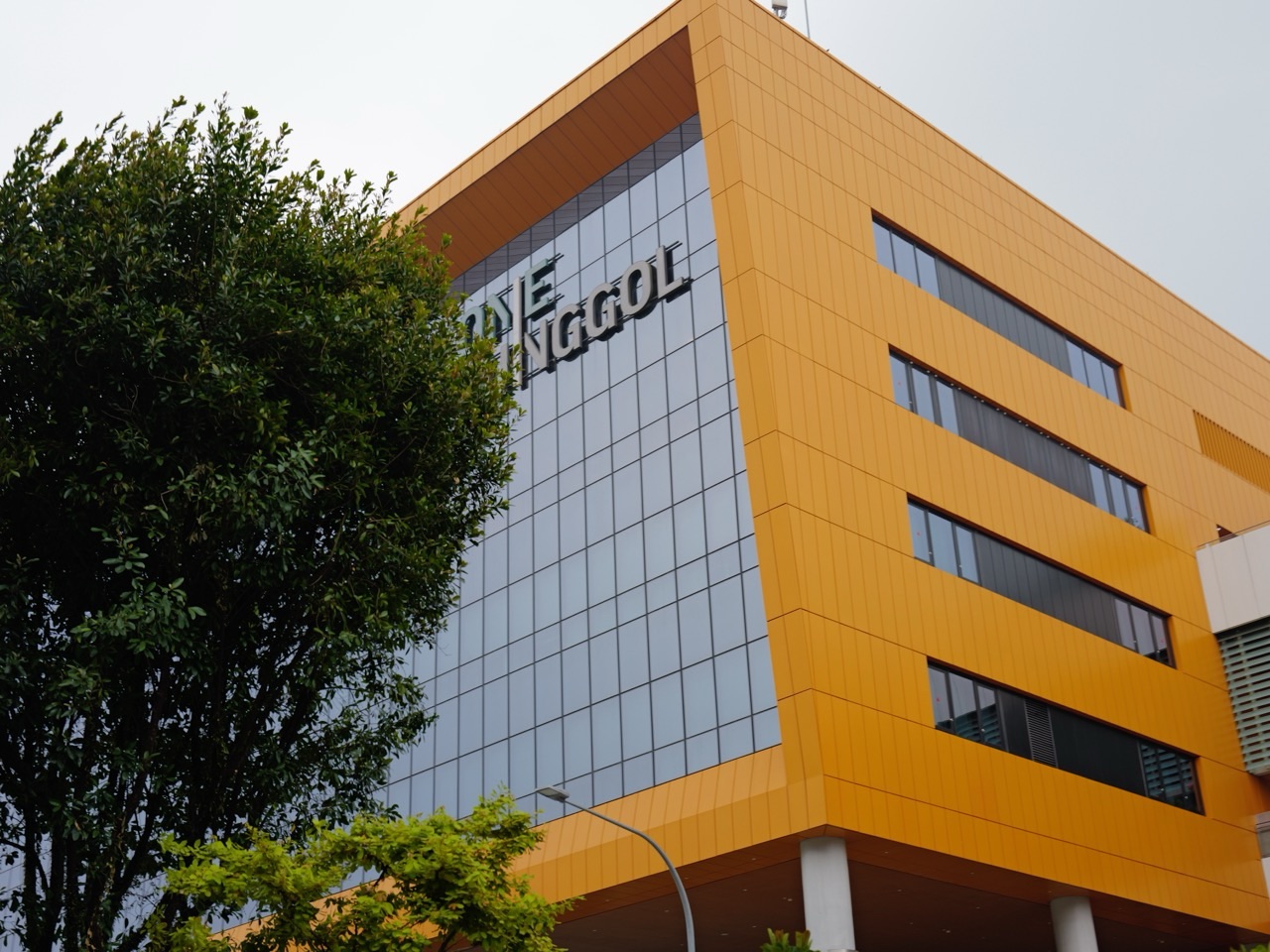
Understanding support for older residents in Punggol starts with distinguishing active ageing, medical care, day care, help at home, accessible housing and disability services. An Active Ageing Centre is not automatically a nursing home; a wheelchair ramp does not provide personal care; a dementia-friendly activity is not a clinical assessment; and a nearby community hub does not prove a place is available in a particular programme. These services work together, but they have different entry points.
The most useful first contacts are the Agency for Integrated Care (AIC) for senior and community-care navigation, Age Well SG for the national ageing-in-place framework, HDB for its Enhancement for Active Seniors (EASE) home-improvement scheme, and SG Enable for disability-support information. One Punggol also hosts the Enabling Services Hub @ Punggol, at 1 Punggol Drive #04-01, operated by SPD according to the official Enabling Guide. That hub covers Punggol, Hougang, Sengkang and Serangoon for relevant disability-community support.
This article is an answer-first guide to how those systems relate to daily Punggol living, checked against official sources available on 18 October 2026. It does not provide individual medical, legal or financial eligibility decisions. It gives readers an agency map, route checks, worked family scenarios, application questions and authoritative references. Current programme slots, local addresses, subsidies and care recommendations must be verified directly.
Fast guide: choose the appropriate kind of support
- Want social activity, exercise or friendship? Start with a nearby Active Ageing Centre (AAC); most ordinary AAC programmes are free, though some activities have a fee.
- Need supervised day care? Look at AIC’s Day Care services, which are distinct from casual AAC participation.
- Need nursing, therapy or personal care at home? Seek an assessment and enquire about suitable AIC-listed home-care services.
- Need safer fittings in an HDB home? Check HDB’s EASE scheme for eligible household members and technically feasible improvements.
- Need disability-related referrals and inclusion activities? SG Enable and ESH@Punggol can explain appropriate community support.
- Need health assessment or ongoing treatment? Use an appropriate healthcare professional, GP, polyclinic or referred specialist.
- Need accessible transport? Check the exact station, lift and entrance plus relevant public transport or assisted-transport arrangements.
- Need caregiver help? Ask about training, respite, local support and eligibility rather than assume one family member must do everything.
- Need immediate emergency help? Use the correct emergency response, not a routine community-service booking.
- Universal rule: ageing itself does not imply disability, frailty or inability to make decisions. Start with the person’s own wishes and actual needs.
1. What Age Well SG is trying to achieve
Age Well SG is a national initiative led by the Ministry of Health, Ministry of National Development and Ministry of Transport. Its aim is to help older residents remain active, independent and connected in their homes and communities, with appropriate support as needs change. That is broader than building more residential care institutions.
At neighbourhood level, its priorities include social participation, preventive care, accessible environments, community-care capacity and better links between services. Punggol’s mix of HDB housing, public transport, community facilities and waterfront routes makes these policy questions concrete: can an older adult reach friends, appointments and essential errands without an exhausting journey?
The objective is neither to assume that everyone must live alone nor to insist that all care can be delivered at home regardless of circumstances. It is to preserve choice and dignity while coordinating the support a person actually needs. A family should begin by asking the older adult what they value most rather than immediately selecting a service from a directory.
2. Active ageing does not mean attendance at a medical centre
An Active Ageing Centre (AAC) provides social, physical, cognitive, learning and volunteer opportunities. AIC describes activities such as exercise, crafts, music, social interaction and befriending. These are community participation services, not hospital treatment or a guaranteed diagnostic consultation.
Age Well SG’s official information says older adults may generally walk in to enquire at their nearest AAC and that most activities are free, subject to certain programmes that may charge. It provides a locator and AIC assistance at 1800-650-6060. A centre’s programme calendar and suitability can still change, and a particular activity may require registration.
For someone moving to Punggol, a meaningful starting point is one activity they actually enjoy, not ten classes selected by relatives. A regular low-pressure social connection may be easier to maintain than an ambitious schedule with long transport legs. Participation should be voluntary and respectful of physical capacity.
3. The nearest AAC is not automatically the best one
An older person may prefer a centre close to home, while another may choose one near a sibling, place of worship or regular shopping route. Programme type, language, mobility requirements, group atmosphere and transport all affect the experience. A nearest-centre list is an entry point, not a recommendation that overrides the person’s preferences.
Ask what activities are offered on the desired day, whether the programme accommodates an individual’s needs, how to register and whether a companion can attend where appropriate. Do not presume that every programme is a clinical exercise class or that a walk-in guarantees a place in a small group.
A sensible first visit may be short: travel to the centre, ask staff about the available sessions, observe the actual environment with permission and choose one manageable commitment. Confidence grows from a workable experience rather than a schedule designed by someone who does not have to travel the route.
4. An AAC (Care) has an expanded service role
AIC distinguishes an ordinary AAC from Active Ageing Centres (Care), which provide active ageing services and may additionally offer care such as day care or community rehabilitation. The label does not mean that every activity at the centre is a treatment or that every visitor qualifies for its care services.
This distinction matters when a family says, “We need somewhere for Mum to go during the day.” Does the person want social activity and company, or require structured supervision, help with daily living and professional care? Those needs lead to different assessments and providers. Choosing the right service prevents an enjoyable community programme from being burdened with expectations it was not set up to meet.
Check AIC’s current directory and the centre’s own scope. Service availability, referral requirements and programme hours should be confirmed rather than inferred from the word “care” on a signboard.
5. Day care is different from an informal social visit
AIC describes Day Care as a service for older people and others with care needs who require supervision during the day. Depending on the centre and the person’s assessment, services can include meals, help with personal care, basic nursing-related support, activities and some physical therapy or rehabilitation support. A family should not assume every listed centre provides every service.
Day care can support someone who needs consistent supervision while relatives work. It may also offer respite for caregivers. The relevant questions are the person’s care needs, suitability, referral or assessment, transport, operating hours, available places and expected costs after applicable subsidies.
For an older adult who can travel independently and simply wants friends, a day-care place may not be appropriate. For a person who cannot safely remain alone, an ordinary hobby class may be insufficient. The distinction protects both dignity and safety.
6. Home care can bring appropriate services to the resident
Home-care arrangements may involve nursing, rehabilitation, personal-care support or other professional services, depending on the assessed need and programme. AIC helps families understand available options. The person may remain in their familiar Punggol home while receiving appropriate visits, but service schedules and suitability depend on the provider and clinical or functional assessment.
Home care is not automatically 24-hour supervision. A scheduled visit may last for a defined period, while other hours remain the family’s responsibility or require additional services. A household should clarify exactly what the provider will do, what it will not do and what should happen in a crisis.
The physical flat is part of the decision. A narrow bathroom, difficult entrance or lack of suitable equipment can make care harder. Coordination with occupational or rehabilitation professionals may help identify appropriate modifications, subject to the actual programme and provider.
7. Respite is a planned part of sustainable caregiving
Respite means a period of suitable alternative support so a regular caregiver can rest, attend to other obligations or recover from fatigue. It is not a sign that the caregiver lacks commitment. Different respite services may operate through day care, short-term arrangements or other care models, with eligibility and assessment conditions.
For a Punggol family with one primary caregiver, waiting until an emergency to look for respite can create additional stress. Ask the relevant community-care navigator about available options early, even if immediate admission is unnecessary. A provider may need time to assess the care recipient and coordinate health information.
A clear care plan names who usually provides help, which times are most demanding and who can assist when the usual caregiver is unwell. It should also reflect the older person’s consent, comfort and personal dignity. An arrangement that looks convenient on paper can fail if nobody has agreed to its role.
8. One Punggol’s community services connect different needs
One Punggol is a civic hub rather than a medical institution. The People’s Association identifies various community, health-related and senior-oriented partners at the development, alongside its library and community-club functions. That proximity can make it easier to combine an ordinary social activity with an errand, but each provider has separate eligibility and hours.
For example, St Luke’s Eldercare is among the co-location partners described by PA. It would be wrong to assume every eldercare service or place is immediately available because its name appears on a directory. Families must enquire about the precise programme, referral, fees and operating arrangements through the actual operator.
One Punggol is also accessible through local transport connections, but the best route depends on where the resident lives. For someone who uses a wheelchair, the building’s actual service entrance and lift matter more than a map pin at the centre of the complex.
9. ESH@Punggol is a real local disability-support contact
The official Enabling Guide lists Enabling Services Hub @ Punggol, operated by SPD, at One Punggol, 1 Punggol Drive, #04-01, Singapore 828629. The listed service region is Punggol, Hougang, Sengkang and Serangoon. Its role includes information and referrals, accessible social and recreational activity, caregiver support and learning opportunities.
The hub’s existence matters to families who might otherwise believe that disability services are only available at distant specialist institutions. However, an Enabling Services Hub is not a guaranteed placement into a therapy programme, a financial-assistance approval office or an emergency health centre. Certain services and courses are available only to eligible participants.
Check the official Enabling Guide ESH directory for the current contact details, and arrange a suitable visit rather than relying on an old social-media poster.
10. Disability services and senior services overlap but are not identical
A person with a disability may be young, working, a parent or an older adult. A person of advanced age may have no disability. Treating all disability support as “elderly care” overlooks different needs, rights and pathways. SG Enable works across disability and inclusion, while AIC covers many ageing and community-care functions.
There can be overlap when a person has mobility limitations, rehabilitation needs or requires a caregiver. Coordination can then matter more than choosing one agency exclusively. Families should state the actual functional challenge and desired outcome, rather than assume an age label determines which provider is appropriate.
Respectful language also matters. Ask the person how they wish to participate and what assistance helps; do not assume that using a wheelchair or having a communication difference removes their ability to make decisions. Accessibility is a feature of the environment and service interaction, not merely a characteristic of the person.
11. The role of SG Enable and specialist support
SG Enable is Singapore’s national disability agency. It provides information and navigation across areas including daily living, learning, employment, care, accessibility and assistive technology. A family member who is uncertain where to begin can use its official directory to identify relevant services without guessing at eligibility from a social-media advertisement.
The person might need vocational support, caregiver training, accessible recreation, assistive devices or a service referral. These are distinct from clinical treatment, and they may involve separate providers. SG Enable’s information can help organise the options, but a listed programme is not a promise that every applicant will qualify or receive an immediate place.
A practical enquiry includes the individual’s age, needs, location, current support and desired outcome, shared privately with authorised staff. Avoid publishing diagnosis details or identity numbers in a neighbourhood chat simply to ask which office to contact.
12. HDB’s EASE improves the home environment
HDB’s Enhancement for Active Seniors (EASE) programme offers subsidised home improvements for eligible households. HDB’s current page lists items including grab bars, slip-resistant treatment, shower seats, entrance kerb modifications, ramps, wheelchair lifters and home fire alarm devices, subject to site conditions. The selected package should address actual mobility and safety needs.
This scheme is not a general interior-design renovation grant. It has defined eligibility, approved items and technical assessment. For example, a grab bar must be installed in a position that is structurally suitable and useful for the resident, not wherever a family member happens to think it looks good.
A household should read the current programme information and seek an appropriate professional assessment where needed. Modifying a bathroom without considering how a person transfers, turns or uses support could introduce new hazards. The most effective home modification is one designed around the person and the specific layout.
13. Who may qualify for EASE Direct Application?
HDB states that Singapore Citizen households in sold flats and eligible registered rental tenants may apply under EASE Direct Application where a household member is 65 or older, or 60 to 64 and requires assistance with at least one activity of daily living, subject to the full conditions. A 60–64-year-old applicant in the latter category needs an appropriate functional assessment report.
The phrase *activity of daily living* refers to tasks such as washing, dressing, feeding, toileting, mobility or transferring, not merely a preference for more attractive fittings. The eligibility rules have a purpose: direct subsidised improvement for genuine age-related or functional needs.
A resident should not infer that every Punggol flat qualifies because it is in an HDB block or because one occupant is retired. Check tenure, citizenship, age, functional requirements, programme coverage and technical feasibility on HDB’s EASE page.
14. EASE and the Home Improvement Programme follow different routes
EASE can be offered alongside the Home Improvement Programme (HIP) for selected blocks, while eligible households may apply directly when the appropriate circumstances apply. A block not selected for HIP is therefore not proof that every resident must pay for all senior-friendly work privately. The available route depends on the scheme rules.
HDB has refreshed the EASE improvement items and publishes current choices and cost information. Families should not quote a ten-year-old brochure as if its fittings and payment amounts still apply. Read the live information and request the actual package relevant to the flat.
When work is scheduled, coordinate the resident’s movement and bathing needs during installation. Some improvements require temporary disruption, a technical survey or special fabrication. A thoughtful schedule matters, especially if the resident has limited access to another bathroom.
15. EASE for private housing is a separate programme
HDB’s updated information states that EASE (Private Housing) began a phased rollout from 1 April 2026. This matters to older residents of Punggol condominiums who should not simply assume HDB sold-flat eligibility rules apply unchanged to their private property.
Different schemes can have their own application and technical conditions. For a condominium, the location of proposed work and the management corporation’s requirements may also matter. A modification inside the apartment is not automatically authorised to extend into a shared corridor or alter fire escape routes.
Use the official HDB EASE information and the indicated private-housing channel. Do not mistake an advertised national programme launch for a guaranteed individual subsidy.
16. A worked safety example: the bathroom journey
Consider a fictional older resident who feels unsteady stepping across a raised bathroom kerb. The family could immediately buy a random portable ramp, but that may create a slippery surface or interfere with door clearance. A safer process is to describe the actual movement problem and obtain appropriate assessment of the person’s needs and the flat’s configuration.
HDB’s EASE programme may consider technically feasible kerb modification, grab bars, slip-resistant treatment or other suitable items, depending on eligibility and site conditions. A qualified assessor or programme contractor can help match the solution to the real layout. The family should not treat a photograph of another flat’s bathroom as an installation specification.
The lesson is that accessibility is person + task + environment. A fitting that helps one person may be unnecessary or awkward for another. The correct outcome is safer daily use, not the maximum number of devices.
17. Why a step-free route must be continuous
A Punggol resident may be able to exit a flat using a lift but encounter a high kerb on the way to a bus stop. Another route may have a suitable ramp but require an exposed detour in heavy rain. Accessibility is a chain of segments; the least accessible segment can determine whether the complete trip works.
Plan a journey from the actual unit or pickup point to the intended destination entrance. Check corridor access, lifts, kerb ramps, crossings, platform access, seating and toilets as needed. Temporary construction or a lift outage can alter the best route, so real-time service information and venue confirmation matter.
For a caregiver moving with a wheelchair, wheelchair dimensions, turning space and transfer arrangements may also matter. Do not assume that every accessible-looking path works with every mobility device. Ask the user what is comfortable and safe.
18. Punggol MRT and LRT: route choice matters
Punggol has an MRT spine and neighbourhood LRT loops, and Punggol Coast MRT serves a different area from Punggol MRT. A person with mobility limitations should plan the full route, including lifts, station exits and the pedestrian link at the final destination. A station being nearby does not settle whether the chosen journey is accessible.
If a lift is unavailable, an alternative station or transport method may be necessary. The caregiver should check the operator’s current accessibility and service-disruption information and avoid an unsafe improvised stair journey. The most direct route on a schematic map is not always the route best suited to an individual’s mobility.
Our Punggol transport guide covers the transport network. This article adds the care and accessibility decisions that a generic visitor itinerary can miss.
19. Bus stops, drop-off areas and rain shelter
Older adults and people using mobility aids may be affected by exposed walks and long waits in Punggol’s tropical weather. A bus route may be accessible in principle but inconvenient if the walk from the stop to the clinic is difficult. Taxi pickup points are not always positioned at a building’s most accessible entrance.
When arranging transport for a medical appointment, identify the exact destination and ask about suitable drop-off. Consider seating, toilet access and the return journey after a tiring consultation. Where specialised transport is necessary, ask the service provider or the relevant community-care navigator about appropriate options rather than assuming a regular ride-hailing service meets medical or accessibility needs.
Do not attempt to lift a heavy occupied wheelchair in an unsafe way merely to save several minutes. Safety and comfort should determine the plan.
20. A senior-friendly outing can be short and still meaningful
Punggol Waterway Park, community facilities and shopping centres offer opportunities for recreation and connection, but a full waterfront hike is not the only valid way to enjoy the neighbourhood. A seated conversation, library visit, comfortable meal or short accessible stroll may provide greater satisfaction than an itinerary designed to cover many landmarks.
Ask what the older adult actually enjoys. Some people may prefer a quiet space and another may enjoy a more active group outing. Check weather and seating, allow time to rest and preserve a straightforward return route. An outing becomes less inclusive when family members insist on completing a fixed loop despite discomfort.
For multigenerational groups, make room for different paces. A pleasant day should not require the slowest member to hurry continuously or feel guilty for shortening the activity.
21. Dementia-friendly planning is more than a signboard
Supporting a person living with dementia can involve clear directions, familiar routines, appropriate supervision, supportive community attitudes and professional care. An environment described as dementia-friendly should not be interpreted as one where a person can never become disoriented or lost. Families need an individual plan suited to the person’s circumstances.
Useful planning questions include whether the person can recognise familiar landmarks, which routes are safe for independent travel, whom to contact if expected arrival fails and what identity information can be carried appropriately. Any location-sharing or tracking technology should be considered with consent, privacy and the person’s dignity in mind.
For an actual diagnosis or management plan, consult qualified healthcare professionals. AIC and relevant providers can advise on appropriate dementia-support services, but no general Punggol article can assess an individual’s level of supervision.
22. Caregiver burnout has logistical as well as emotional causes
A caregiver may manage medication collection, appointments, meals, work schedules and household tasks. Even if each task is small, the cumulative load can be substantial. A good care plan therefore documents recurring responsibilities and identifies which can be shared, automated safely or supported by formal services.
Do not assume that a family member living closest to Punggol must automatically take every appointment. Relatives should discuss what they can realistically contribute. Some may handle transport, others administration or food preparation, while a qualified provider performs tasks requiring professional expertise.
A caregiver-support enquiry can begin with one concrete need: “We require supervised daytime care twice a week” or “We need advice about safe bathroom movement”. A well-defined request makes it easier for AIC or another navigator to identify suitable options.
23. Caregiver training helps, but it does not replace professional roles
Families sometimes need practical instruction to assist with transfers, communication, safe routines or management of equipment. Appropriate caregiver training can build skills and confidence. AIC and disability-support services provide information on relevant training or support options, subject to programme eligibility.
However, watching a general demonstration is not sufficient to perform an unfamiliar medical procedure or potentially unsafe transfer. The correct method may depend on a patient’s condition, equipment and physical capacity. Seek instruction from qualified practitioners for tasks with injury risk.
A family can keep a concise written routine that records the professional’s advice, relevant contacts and agreed responsibilities. It should be accessible to authorised caregivers, but not posted publicly or shared beyond those who need it.
24. Day care, home care and residential care have different thresholds
Day care provides scheduled daytime services. Home care provides defined assistance in the home. Residential care, such as a nursing home, supports people whose care needs may be difficult to meet through ordinary household and community arrangements. These are broad service descriptions, not instructions to move someone into a particular setting.
An appropriate recommendation depends on functional status, clinical needs, the person’s wishes, caregiver capacity, safety and assessment by relevant professionals. Cost structures and subsidy rules differ. A nursing-home price cannot be used to estimate a few hours of day care, and a day-care programme cannot be assumed to manage every form of complex medical need.
Families benefit from discussing transitions early but should avoid representing institutional care as inevitable or community care as universally sufficient. The right mix can change over time.
25. Subsidies are specific to programmes and circumstances
Community-care services and financial support may use criteria involving Singapore citizenship or permanent residency, assessed care needs and means-testing. Different programmes may consider different household details and caps. A resident should not transfer an amount quoted for one service to another or assume all care becomes free at a particular birthday.
The practical approach is to ask the actual provider or authorised navigator for eligibility and the full expected bill after assessment. Request clarity on transport, deposits, consumables, optional services and recurring charges where relevant. Keep the person’s information private and gather only documents the administrator requires.
Subsidy rules change, so this article does not publish an unsupported universal figure. Official AIC or programme pages and a formal approval remain the basis of an individual financial decision.
26. A worked monthly care-budget comparison
Imagine a fictional family assessing two care arrangements. Option A has a hypothetical S$650 monthly service fee and S$140 transport cost, totalling S$790. Option B has a hypothetical S$720 service fee with transport included, totalling S$720. If the quality and suitability of the services are comparable for the assessed person, the more expensive headline fee can still mean a lower total.
But this simple comparison cannot tell you whether either programme is clinically appropriate or how government subsidies would be calculated. Programme eligibility, actual attendance requirements and out-of-pocket charges must be confirmed before comparing real options.
The teaching point is to measure the complete service pathway, not only a quoted monthly fee. Transport and the caregiver’s ability to maintain the schedule matter.
27. A worked accessibility audit for a Punggol household
Suppose an older resident wants to visit One Punggol weekly. The family writes down the route from the actual block. They identify the nearest appropriate public-transport stop, station lift, crossing, destination entrance, indoor lift and accessible toilet. They note where the resident can rest and what route works if a planned segment is closed.
During an initial visit, the resident explains which parts feel tiring or uncomfortable. The family adjusts the plan based on that feedback. A route may be slightly longer but far easier if it avoids awkward crossings or excessive exposure. The successful outcome is the person confidently reaching a meaningful activity.
This process is transferable to a polyclinic appointment, shopping trip or library visit. It does not require assuming that every person over 65 has the same needs.
28. Punggol’s weather makes flexibility important
High heat, heavy rain and haze can change an outdoor journey. A person with relevant medical or mobility vulnerabilities may need to adjust plans, but the proper precautions depend on professional guidance and current conditions. Use NEA’s environmental information and official weather alerts rather than fixed claims about which Punggol route is always cool or safe.
A caregiver can prepare an alternative indoor activity, suitable transport or a shorter route. It is reasonable to postpone a non-essential waterfront outing when conditions deteriorate. If a person needs urgent medical attention, do not delay solely to preserve an ordinary leisure schedule.
The most useful age-friendly environment is one that lets people make safe choices rather than forcing a single itinerary regardless of conditions.
29. Lift outages are social access problems
A broken lift can prevent someone from attending healthcare, school, community events or basic shopping. For a wheelchair user on an upper floor, the effect may be far more serious than an inconvenience. The resident or caregiver should report the problem with the exact block and lift number through the responsible estate manager or available municipal reporting channel.
Do not attempt to pry open lift doors or improvise an unsafe mechanical rescue. If someone is trapped, use the lift’s emergency communication system and follow authorised instructions. Where there is immediate danger, contact appropriate emergency responders.
Longer-term planning can include identifying which essential routes depend on one lift and what alternative arrangements are available. This is particularly important when a household member has recurring appointments or limited flexibility.
30. Respecting privacy and consent in family care
An adult’s age or disability does not automatically permit relatives to make every medical or financial decision without authorisation. Clinics, social-service providers and government agencies have requirements around consent and information sharing. Families should confirm the correct caregiver or representative arrangements before applying for services on someone else’s behalf.
Discuss preferences while the person can participate meaningfully, and record relevant wishes according to suitable processes. Avoid posting health records, NRIC images or sensitive financial documents in an open Punggol social-media group to seek recommendations. A short general question and a direct official enquiry protect privacy.
Good care combines practical help with respect for autonomy. A caregiver should support communication and decision-making, not unnecessarily substitute their judgment for the person’s own.
31. Healthier SG and community participation can support each other
Healthier SG is a national preventive-care programme involving enrolled primary-care providers and health plans for eligible residents. Age Well SG’s AAC framework aims to make social and active living more accessible. A clinician may recommend an appropriate activity, but community participation and clinical treatment retain different roles.
An older Punggol resident might attend a regular community exercise class and also visit a chosen family doctor for scheduled review. The activity can support wellbeing within individual limits, while the doctor handles clinical assessment and treatment. Do not assume a general fitness programme is a prescribed rehabilitation service.
People who are uncertain what activity is suitable for a health condition should seek professional advice. The community centre can explain its programme, but should not be asked to diagnose the attendee.
32. What a senior-friendly public space should offer
Practical elements include step-free access, rest opportunities, clear signs, sufficient lighting, safe crossings and toilets that suit different users. They are not luxuries for a narrow age category. Parents with strollers, injured adults, delivery workers and people with disabilities may benefit from the same features.
Observe specific places rather than describing all of Punggol as “accessible” without checking. A new public building may have good lifts while a connecting pavement is temporarily diverted. A park bench may be useful for one person and too low for another. Accessibility must be evaluated as an actual experience.
Residents can report maintenance or access problems through the appropriate managing body, while proposals for wider improvements may use community feedback channels. A precise location and clear description help the responsible agency evaluate a problem.
33. How to welcome a new older neighbour without being intrusive
Community connection can begin with ordinary courtesy: greeting neighbours, sharing verified information about a community event or offering specific practical help that the person can accept or decline. It should not involve assuming an older resident is lonely, incapable or in need of unsolicited supervision.
If a person wishes to participate in a programme, help them locate its official registration information. Do not sign them up without consent or disclose their phone number to a third party unnecessarily. Where there is a genuine welfare or safety concern, use an appropriate official support or emergency channel rather than spreading rumours.
A neighbourhood grows more inclusive when residents can choose the amount of involvement they want. Respectful social contact is valuable even when nobody needs formal care.
34. A worked family scenario: a parent after hospital discharge
Imagine a fictional older Punggol resident returning home after a hospital episode. The family has discharge instructions and is concerned about safe bathroom access, follow-up appointments and the adult child’s ability to provide daytime support. These are three different tasks: a clinical follow-up, possible functional home modifications and an assessment of community care or day support.
First, follow the hospital’s clinical plan and obtain any necessary referrals. Next, ask whether the household is eligible for HDB EASE improvements and whether a professional recommends relevant fittings. Finally, enquire with AIC about appropriate community-care services and any support for the caregiver. The family plans transport to each appointment and confirms the responsibilities involved.
There is no universal package that solves all three matters. The strength of the system is that each organisation can address the function it is responsible for, coordinated around the person’s wishes.
35. A worked family scenario: an active senior who wants more social connection
A retired resident can live independently yet wish to meet people more often. The family may be tempted to organise day care, but the resident does not necessarily require supervised care. Start with an AAC programme that matches their interest. Confirm the day, location and whether registration is needed, then test the route together if requested.
Suppose the activity is a weekly craft session. If the resident enjoys it and the journey is manageable, a single reliable commitment may be more successful than five activities across multiple neighbourhoods. If the person also wants to volunteer, ask AAC staff about suitable options.
This example shows why need-based service selection matters. The correct response to a desire for companionship is not automatically a medical or institutional programme.
36. A worked family scenario: an adult with disability in Punggol
An adult resident with a disability wants a locally accessible social and learning programme. The family checks SG Enable’s directory and ESH@Punggol at One Punggol #04-01, operated by SPD. They ask which activities are open to everyone, which require registration or client eligibility, and whether the building and transport route meet the person’s needs.
They should not assume every programme is suitable from its title alone or that the hub itself provides all specialist treatment. The enquiry can focus on the person’s preferred activity, communication and access requirements, with personal information shared only through authorised channels.
This illustrates how a neighbourhood service hub complements national schemes while maintaining an appropriate scope. The person participates as a community member with preferences, not as a passive object of care.
37. Myths about ageing and care in Punggol
Myth one: everyone over 65 needs day care. Many older people are active and independent; AAC participation is distinct from supervised care. Myth two: one subsidy covers all senior services. Eligibility varies by programme, citizenship or residency, care need and financial assessment.
Myth three: a ramp makes an entire route accessible. The next segment may have a lift outage or unsuitable crossing. Myth four: an Enabling Services Hub is only for seniors. ESH supports persons with disabilities and caregivers across relevant age groups. Myth five: a care centre is always a medical clinic. Social activity, day care, therapy and clinical treatment have different roles.
Myth six: relatives can automatically access every private record. Consent and lawful authorisation matter. Myth seven: age-friendly changes are only for HDB owners. There is an EASE private-housing programme with its own rules. All these myths can be replaced by a precise needs assessment and appropriate official contact.
38. A practical age-friendly Punggol checklist
- Ask the person what support or activity they actually want.
- Distinguish social participation, day care, home care, health care and disability support.
- Locate the nearest AAC through Age Well SG or AIC.
- Confirm programme dates, fees, registration and accessibility directly.
- Check the precise role and service region of ESH@Punggol where relevant.
- For HDB home modifications, read current EASE eligibility and technical conditions.
- Check whether a private-housing EASE pathway applies to a condominium.
- Test important routes including block lifts, station access, crossings and toilets.
- Plan realistic time for appointments, with rest and weather alternatives.
- Keep medical treatment decisions with qualified clinicians.
- Ask about respite and caregiver training before a crisis develops.
- Calculate complete service and transport cost, not only headline fees.
- Share sensitive health or financial information only through authorised channels.
- Document agreed responsibilities and emergency contacts privately.
- Report faults in lifts or common areas to the proper managing body.
- Reassess arrangements when mobility, care needs or household routines change.
Frequently asked questions
What is the most useful first contact for senior care in Punggol?
The Agency for Integrated Care provides navigation across community-care services and senior support. For ordinary active ageing, check an AAC through Age Well SG or call 1800-650-6060 for locator assistance.
Are Active Ageing Centres free?
Age Well SG says most AAC activities are free, though some special activities may charge a small fee. Confirm the exact programme’s cost and availability directly.
Is an AAC the same as a day-care centre?
No. An AAC offers social and active ageing programmes. Day care is a more structured service for people with assessed care or supervision needs, sometimes available through an AAC (Care).
Where is Enabling Services Hub @ Punggol?
The official Enabling Guide lists One Punggol, 1 Punggol Drive, #04-01, Singapore 828629, operated by SPD, for Punggol and surrounding service areas. Check its current hours and registration requirements.
Does ESH@Punggol only serve older people?
No. The hub is for persons with disabilities and their caregivers, with a range of information, social, learning and caregiver-support functions. Eligibility depends on the particular service.
Who is eligible for HDB EASE?
The current HDB Direct Application framework covers defined Singapore Citizen households in sold flats and registered tenants with a family member 65 or older, or aged 60–64 with relevant daily-living assistance needs, subject to conditions.
Can condominium residents apply for age-friendly improvements?
HDB’s information says EASE (Private Housing) began phased rollout on 1 April 2026. It has its own rules; use the official programme source to check eligibility.
Does an AAC provide medical treatment?
Ordinary AAC social activities are not medical appointments. For clinical assessment or treatment, use suitable licensed health professionals. AAC (Care) providers may offer additional services with defined scope.
Can a family arrange respite care through a community provider?
Potential options depend on the older person’s care needs, eligibility and service availability. AIC and relevant providers can explain the assessment and suitable respite pathways.
Is Punggol fully accessible for every mobility device?
No blanket statement can establish that. Assess the complete route from the person’s home to the destination, including lifts, crossings, surface and current disruptions.
Official sources and related reading
- Age Well SG: National ageing-in-place programme.
- Age Well SG: Active Ageing Centres and AIC locator.
- Age Well SG: Age Well Neighbourhoods and accessible environments.
- AIC: Active Ageing Centres and AAC (Care).
- AIC: Day Care services.
- AIC: Community care and ageing well.
- HDB: Enhancement for Active Seniors and private-housing rollout.
- HDB: Home Improvement Programme and optional EASE works.
- Enabling Guide: Enabling Services Hub @ Punggol directory.
- SG Enable: National disability support and directory.
- People’s Association: One Punggol hub and partners.
- Understanding Punggol: Transport, MRT, LRT and accessible journeys.
- Understanding Punggol: Community services, Town Council and OneService.
- Understanding Punggol: Polyclinics, healthcare and emergencies.
- Punggol: Rest stops, accessible toilets and family routes.
Bottom line: Good ageing and disability support begins with the person’s own goals and needs, followed by the service that actually fits: an AAC for social activity, appropriate day or home care where needed, EASE for eligible home improvements, healthcare for clinical questions and SG Enable or ESH@Punggol for relevant disability-community navigation. A place is truly age-friendly when people can use it safely and with dignity.


