
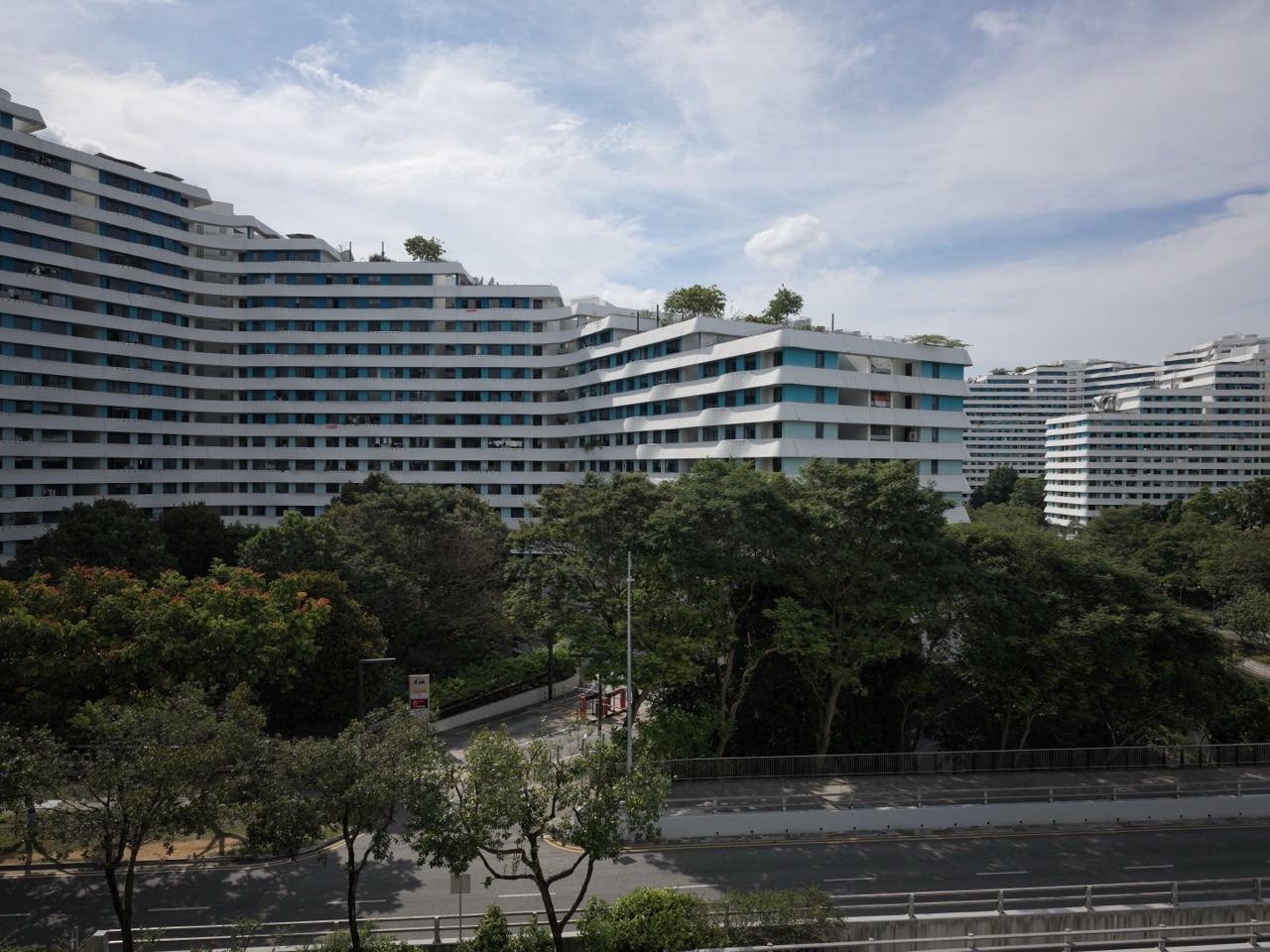
Punggol Opal launched on 31 July 2012 as a 526-home Standard BTO project, with applications open until 6 August. Its original mix—128 two-room, 144 three-room and 254 four-room flats—shows a project designed around several household sizes rather than a single dominant flat type.
For readers searching Punggol Opal history, Punggol Opal BTO 2012 or how many flats the project originally offered, the important number is 526 homes. The larger 4,191-flat figure belonged to the entire seven-project national exercise and should never be reassigned to Opal alone.
Did you know? Punggol Opal launched alongside Waterway Cascadia, but the two developments were separate projects with different classifications and later histories. One sales exercise can contain several projects without merging their identities.
The Crazy-Rich Idea: Housing Variety Is a Form of Neighbourhood Capacity
A town grows more resilient when its housing stock can accommodate households at different stages of life.
- Two-room flats can support smaller households;
- three-room flats add another affordability and size option;
- four-room flats accommodate larger household needs.
The historical launch mix therefore tells us something about who the project was designed to serve, even before any resident moved in.
526 Is the Project Total; 4,191 Is the Exercise Total
This distinction is one of the most important habits in housing-history research.
national exercise total ≠ town total ≠ project total ≠ flat-type count.
The numbers can all be correct at the same time because they answer different questions.
Opal and Cascadia Shared a Launch Week, Not a Project Identity
Waterway Cascadia later developed its own design and construction award history. That later recognition should stay with Cascadia rather than being transferred to Opal merely because both appeared in July 2012 launch material.
For Cascadia’s later chapter, see the Waterway Cascadia awards history.
Launch Is the First Housing Milestone, Not the Last
The 31 July 2012 date establishes when applications opened.
It does not establish:
- construction completion;
- lease commencement;
- key collection;
- household move-in;
- later resale conditions.
Those require their own dated evidence.
A Mathematics Lesson: Check the Sum Before Interpreting the Story
The published project counts add cleanly:
128 + 144 + 254 = 526.
The arithmetic confirms the project total, but arithmetic alone cannot tell us why each flat type was offered or how demand later developed.
A Civics Lesson: Housing Supply Is Also Household Policy
Every mix of flat sizes embeds assumptions about household diversity, affordability and how a town should accommodate different residents. A project table therefore records more than architecture; it records a public-housing offer.
An English Lesson: “Launched Alongside” Does Not Mean “Part Of”
Opal and Cascadia were launched alongside each other in the same exercise. That phrase preserves their shared timing without erasing their separate project identities.
Evidence Anchors
The crazy-rich Punggol lesson is that housing abundance is not only a large headline number. It is the ability to offer different household pathways inside a growing town while keeping every project’s identity and evidence precise.
Punggol Opal launched on 31 July 2012 in a seven-project HDB BTO exercise. Applications ran until 6 August 2012.
The Opal offering comprised 526 Standard flats: 128 two-room, 144 three-room and 254 four-room homes. It was launched alongside Waterway Cascadia, a separate Punggol development.
For readers researching Punggol Opal history, the 4,191 homes reported for the exercise refer to all seven projects across Singapore. They should not be mistaken for Opal’s own unit total.
Choose your reading route
The dated launch record · Why project boundaries matter in the timeline
A contemporary reproduction of HDB’s announcement records the exercise dates and flat-type table.
Its Opal counts total 526. The table distinguishes Opal’s Standard flats from Waterway Cascadia’s premium offering, helping identify two projects within one local sales exercise.
The nationwide exercise also included projects in Choa Chu Kang, Bukit Merah, Clementi and Geylang. Opal formed one part of that wider programme.
Housing reports often move between estate-specific and exercise-wide figures. Keeping those boundaries visible avoids turning a national release into an inflated local development.
The mix of two-room to four-room homes also distinguishes Opal from projects whose offering included five-room flats. These are launch-era categories, not a statement about current availability.
The historical July 2012 exercise listing separately corroborates the project names.
Opal’s sales history and Cascadia’s later awards history are related through place and timing, but each estate retains its own identity and milestones.


