
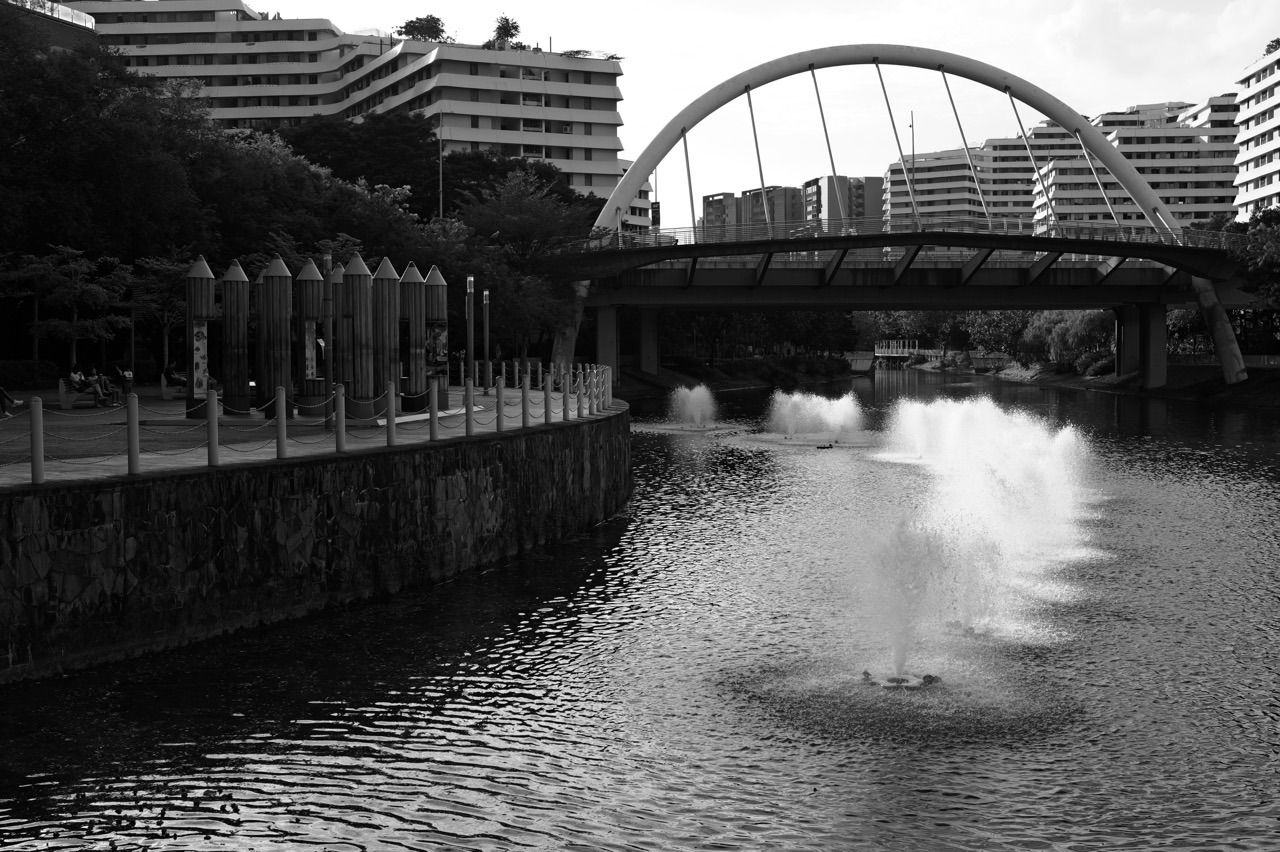
Nature journaling in Punggol needs only a notebook, a pencil and something that makes you pause. Record where you are, draw or describe one visible detail, and add a question. You do not need polished artwork or a long list of species.
Punggol Waterway Park offers a convenient subject: you can observe water, plants, bridges and animal movement from public paths. Choose one comfortable stopping point rather than trying to document every part of a walk.
This eduKatePunggol guide gives you a page format you can use alone or with children. Check the NParks visitor information, then build the notebook around your own observations rather than copying a guide’s description.
eduKatePunggol neighbourhood guide
Choose your reading route
Contents
Choose something you can examine from your stopping point: a leaf outline, a branch, the edge of a reflection or a bird’s brief action. A smaller subject makes it easier to distinguish what you saw from what you assumed.
Write the date and a recognisable location. Add whether the subject was close, distant, partly hidden or moving. These details explain the limits of the observation when you revisit the page.
Draw the main shape first. For a leaf, begin with its outline and central line. For a moving bird, a rough body shape and an arrow can record direction without pretending to preserve every feather.
Use words wherever drawing feels awkward. ‘Long narrow leaf; tip hidden behind another leaf’ is a useful entry. A notebook can mix a sketch, a sentence and a photograph reference.
Divide the page into three areas: ‘I saw’, ‘I think’ and ‘I want to check’. Put direct observations in the first area. A visible mark or a direction of movement belongs there.
Use the second area for an interpretation. ‘The bird may have been looking for food’ is different from seeing it swallow something. The wording preserves that difference without stopping you from asking interesting questions.
Put a plant or bird identification question in the final area. You can compare the entry with an official reference later. Do not rewrite your original observation just to make it fit the answer.
This separation is useful for children and adults. It keeps curiosity alive while giving the notebook a clear record of how an idea developed.
Bring a simple kit you can pack away quickly. A pencil and a small notebook are enough for a first outing. Extra materials are useful only if they make the activity easier for you.
Choose a position that leaves the shared route clear. If there is no suitable place to pause, make a short spoken note and write it later. The page should fit the visit rather than hold everyone in an awkward spot.
Follow NParks etiquette and observe plants where they grow. Sketching does not require removing a leaf, moving a branch or approaching an animal.
Keep sessions brief when visiting with a child. One careful page can be enough. An adult can write the child’s spoken description while the child draws, so handwriting does not become the main task.
Choose one entry to revisit. Has the view changed? Can you see the previously hidden part? Keep the new date separate so the notebook records two visits rather than blending them into one impression.
Compare conditions as well as subjects. A different viewing angle or moving water can explain why an image looks different. Record those possibilities before declaring that the object itself changed.
For bird details, use our beginner birdwatching guide. For waterside planting, see the Waterway Park aquatic plant guide.
End with a sentence about what you now understand better. A nature journal becomes rewarding when its pages preserve discoveries and unanswered questions, rather than judging the quality of the drawing.


