
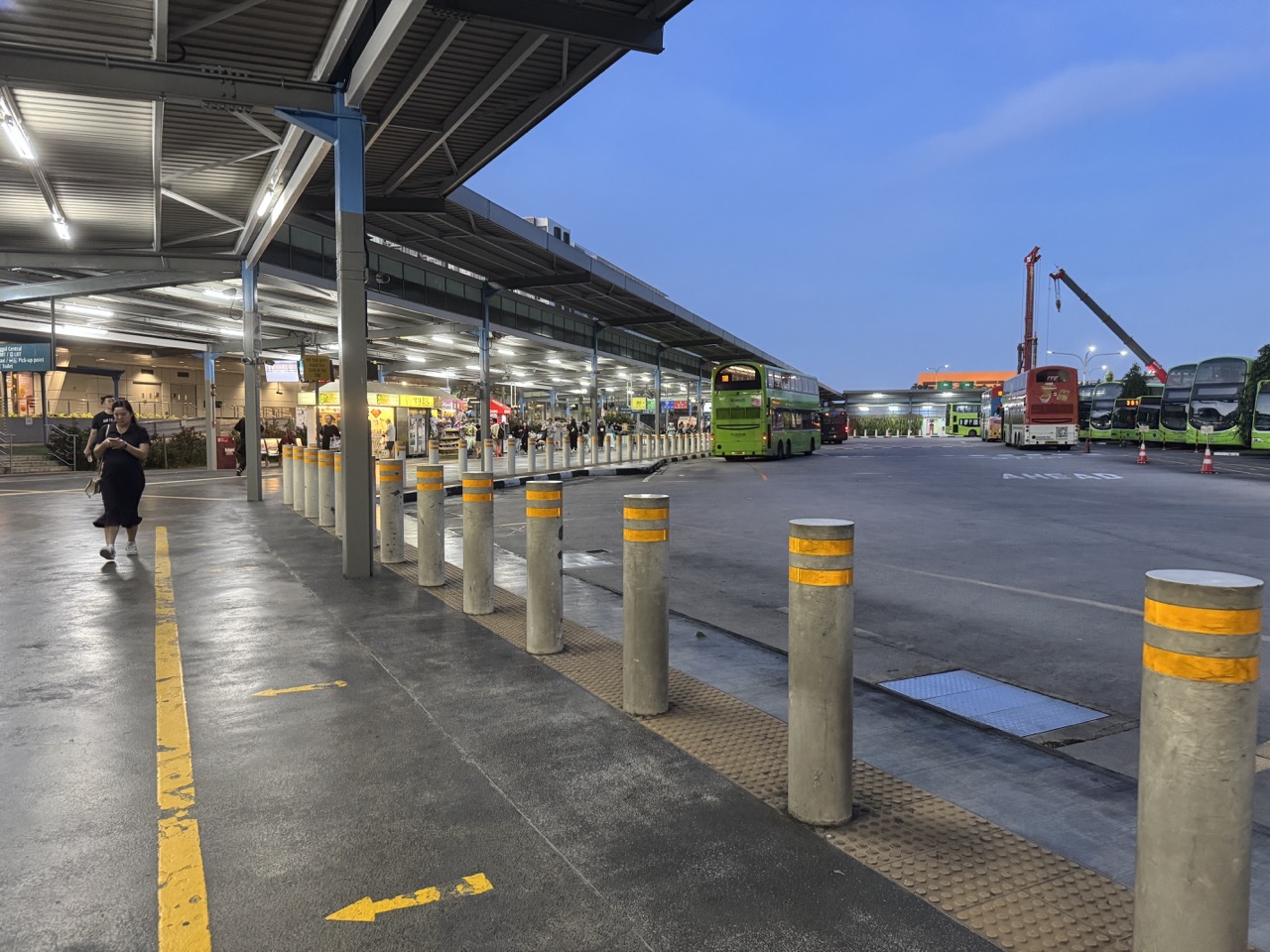
Bus Service 386 began on 17 August 2014 as a feeder between Punggol Bus Interchange and Edgefield Plains. It then expanded in 2015 and 2016 as more homes around Punggol East and northern Edgedale Plains needed a direct local connection to the town-centre transport hub.
For readers searching Punggol Bus 386 history, Bus 386 launch 2014 or how feeder services followed new housing, the route has three clean milestones: 17 August 2014 introduction, 14 February 2015 extension and 24 April 2016 expansion.
Did you know? the route’s growth mirrors the town’s physical growth. The bus number stayed the same while the service reached farther into newly occupied residential streets. This is transport adapting to settlement in real time.
The Crazy-Rich Idea: Feeder Routes Are the Fine-Grained Circulation System of a Town
MRT and trunk buses move people over longer distances. Feeders solve the last neighbourhood kilometres between homes and the main transport node.
regional network + local feeder = usable door-to-network journey.
2014, 2015 and 2016 Tell a Housing-Growth Story
The route did not begin in its later form. Each extension corresponds to more of the surrounding residential geography becoming relevant to the service.
A Feeder Route Makes the Main Hub More Valuable
The interchange and MRT are most useful when residents can reach them reliably from deeper inside the estate. Service 386 increased the catchment of the central transport node.
Operator Change Is a Separate Layer
The later transfer to Go-Ahead in September 2016 changed the operator, not the route’s 2014 founding date.
For that systems chapter, read Crazy Rich Punggol | Go-Ahead’s 2016 Bus Handover and the Luxury of Changing the System Behind Familiar Route Numbers.
A Geography Lesson: Catchment Areas Expand With Route Extensions
Every new stop can bring another cluster of homes within easier walking distance of public transport. Route extension therefore changes the practical catchment of the network.
An English Lesson: “Launch”, “Extension” and “Operator Transfer” Are Different Events
- launch = service begins;
- extension = service reaches farther;
- operator transfer = management changes.
Evidence Anchors
The crazy-rich Punggol lesson is that a town becomes easier to live in when its transport network can keep redrawing the last mile. Service 386 grew outward as homes did, turning new housing clusters into connected neighbourhoods.
Punggol bus service 386 started on 17 August 2014, connecting Punggol Bus Interchange with Edgefield Plains. Its launch gave residents a feeder connection to Punggol MRT and the interchange under the Bus Service Enhancement Programme.
The original history of bus 386 is different from its later route. The launch announcement described a loop through Punggol Central, Edgefield Plains and Punggol Drive; subsequent extensions added connections around Punggol East and northern Edgedale Plains.
The key bus 386 milestones are the August 2014 introduction, the 14 February 2015 extension and the 24 April 2016 expansion. Together, they show how a local bus route changed as more Punggol housing estates were served.
Choose your reading route
The original feeder route in August 2014 · Extensions in 2015 and 2016 · What the changes tell us about Punggol
The LTA and SBS Transit launch poster announced a daily service between the interchange and Edgefield Plains. It identified new stops outside Punggol Secondary School and near Blocks 672A and 670A.
The poster positioned 386 as a connection to the town’s main transport node. Its advertised departure window was 5.45am to 12.35am. Those are launch-era details, useful for reconstructing the original service rather than planning a journey today.
Land Transport Guru’s route history records the February 2015 extension, with the launch brought forward from 15 February to 14 February. This explains why older advance notices can show a different date.
The April 2016 change took the route to the northern end of Edgedale Plains, serving Waterway View and Waterway Sundew. The same history records the transfer from SBS Transit to Go-Ahead on 4 September 2016.
Previous chapter · Contents · Next chapter
These milestones illustrate a practical part of town-building: reaching the main station is only one part of a household’s journey. A feeder route brings the transport network into the streets around residents’ homes.
Compare this route’s development with the earlier interchange and LRT histories in the Punggol history directory. Housing completion, route extension and operator change are separate events in the same transport story.


