
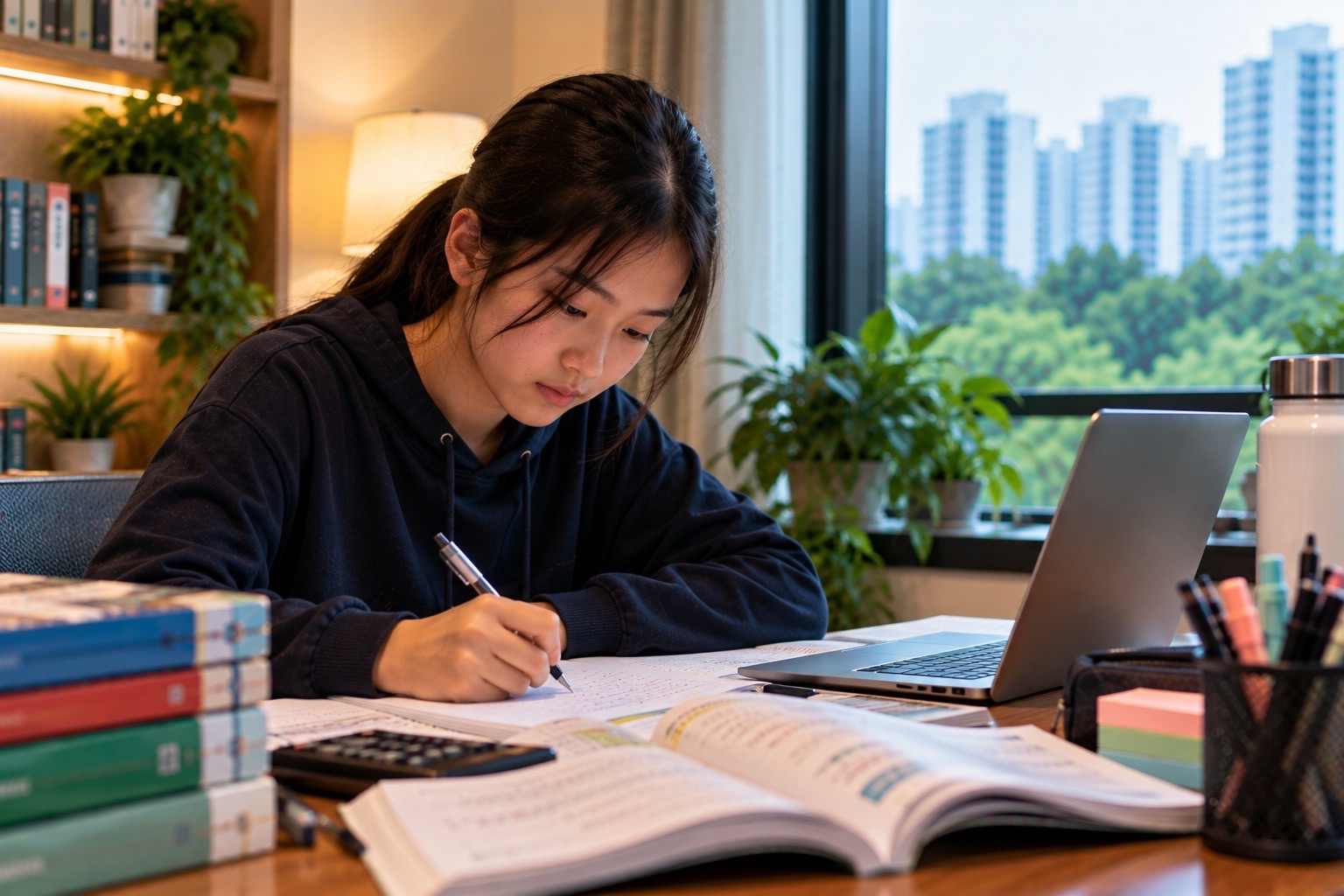
Primary 5 writers often suffer from a wonderfully frustrating abundance of imagination. Give them the title “An Unexpected Discovery”, and they offer a lost family heirloom, a mysterious tunnel, a secret note, a rare bird and a football trophy—all before writing the first sentence. For parents searching for Primary 5 creative writing ideas, P5 English composition planning, how to plan an English composition or PSLE preparation in Punggol, the useful question is not how to make the list even longer. It is how to choose a story that can actually be written well.
The core aim of Primary 5 idea-selection and composition-planning enrichment is to build disciplined creativity: generate several plausible routes, test them against the actual task, select one strong central problem and plan enough cause and consequence to write independently. The learner should know how to reject a favourite idea without treating that decision as failure. Originality is valuable when it becomes a coherent piece another reader can follow.
Imagine a child remembering a notebook found beside the Punggol library. One story route is a mystery about its owner. Another is a responsibility story about returning it without reading private pages. A third explores a disagreement between friends who both believe it belongs to someone they know. All can be interesting. Which route is appropriate depends on the topic, the reader and the kind of consequence the writer can develop.
This article owns the Primary 5 alternatives-to-committed-plan learning job. The broader Primary 5 English Composition and PSLE Readiness guide covers overall upper-primary development, while Creative Writing Prompts and Story Ideas teaches open-ended generation across ages. Here the focus is choosing a manageable route for a real P5 writing task and proving that the child can make that choice without a tutor.
The Core Aim: Choosing Is a Creative Skill
Children can become stuck because they believe their first idea must be the perfect one. Others continue brainstorming until half the writing time has vanished. Both problems reflect a missing decision process.
Teach a short routine: generate three possibilities, compare them against meaningful criteria, choose one and begin. The writer is not closing the door on imagination. They are selecting the part of imagination most useful for this piece.
A story can be original and still too complicated to finish. An apparently ordinary story can become engaging through distinctive motives, well-chosen details and a believable decision.
The best Primary 5 plan is not the one with the most exciting ideas. It is the one that turns one good idea into a complete story.
Three Tests Before a Plot Deserves the Page
- Relevance: Does this route actually demonstrate the assigned topic?
- Causality: Can the important events follow from each other, rather than arriving at random?
- Feasibility: Can the writer develop and finish the story with their present language control and available time?
Add a fourth test for children ready for greater depth: distinctive choice. Does the story contain a particular motive, viewpoint or detail that makes it recognisably the child’s own rather than a stock model?
A plot that passes the first three is already a viable starting point. Distinctiveness grows through development, not necessarily through supernatural events or unlikely disasters.
What Makes a Topic Different from a Story?
“Friendship” is a theme. “Two friends must decide who will take responsibility for a damaged group project” is a possible story. A theme alone does not provide a specific action or consequence.
Pupils sometimes prepare lists of titles and assume each title corresponds to one memorised narrative. That can create a rigid habit: “Kindness means helping an elderly person”, or “Courage means rescuing someone in danger.” Such examples may sometimes fit, but they are not definitions of the themes.
Instead, ask what event would let a reader recognise the idea. For friendship, perhaps two people disagree yet work towards a fair decision. The theme becomes visible through an action, not only a concluding moral.
The Three-Idea Sprint
Give a single topic and a small set of plausible picture cues, if the teaching task uses them. Set a short brainstorming interval. Ask the pupil to produce three one-sentence routes, not three completed introductions.
Each route should contain a person, a problem and a consequence. Compare them quickly. If one requires numerous coincidences, mark it as difficult to control. If another barely relates to the topic, reject or adapt it.
Then commit. The learner can revise the chosen story after drafting if it genuinely develops in a better direction, but should not restart whenever the opening seems imperfect.
A Worked Example: ‘An Unexpected Discovery’
This is an invented Primary 5 writing task, not an actual examination question or a claim about a school assessment.
Route A — The hidden object
A child finds a locked box behind a cabinet. The story requires an explanation of who owns the box, how it can be opened and why its contents matter.
Route B — The mistaken assumption
A pupil discovers that the classmate thought to have lost a project folder was actually the person who protected it from rain. The discovery changes how the pupil responds to their friend.
Route C — The surprising message
A child finds a forgotten thank-you letter inside an ordinary library book, and must decide how to return it without exposing its contents.
All three involve discoveries. They differ in what the discovery makes the main character do. If the learner wants an everyday character-driven piece, B or C may be easier to develop without an elaborate explanation of fictional objects.
The “best” route is not fixed. A confident fantasy writer could develop A brilliantly. A pupil still struggling with too many plot events might choose B because its central misunderstanding and consequence are immediately clear.
Use the Relevance Sentence
After choosing an idea, the writer completes this private planning sentence: “My story shows the topic because ____ happens and changes ____.”
For Route B: “My story shows an unexpected discovery because I learn that the person I blamed was actually helping, and that changes how I treat them.”
If the sentence cannot be completed without inventing a different story, the chosen route may need adjustment. The child has detected that before writing a long opening.
Planning Is Not Writing a Second Composition
A plan should release working memory, not consume it. When pupils write full descriptive paragraphs in their planning box, they may spend so long preparing that the actual composition remains unfinished.
Use a handful of purposeful notes: main character, goal, trigger, attempted solution, turning point, consequence. Add one clue or detail if it will matter later.
An efficient plan is compact enough for the learner to see the whole story at once.
The Six-Line P5 Story Map
- Character: who is experiencing the problem?
- Goal: what do they want and why?
- Trigger: what new event changes their plan?
- First attempt: what sensible action do they try?
- Turning point: what choice or discovery changes the outcome?
- Consequence: what happens because of it, and how does it answer the topic?
The map can support five paragraphs, three scenes or another suitable structure. It is not a demand for six equal paragraphs or a fixed number of sentences.
Its purpose is to protect the central story while leaving the writer room to choose the most effective language.
The ‘Because—But—So’ Stress Test
Try describing the narrative in connected clauses: “She wanted to return the book because she had promised, but the library had closed, so she contacted the appropriate adult to explain and arrange the return.”
If the story cannot be connected without introducing a new unrelated incident at every stage, the route may be too random. Revise the cause-and-effect chain before adding vocabulary.
This technique is a diagnostic tool. A mature final composition should not repeat the exact formula mechanically.
A Second Worked Example: The Poster That Wasn’t Lost
A P5 pupil imagines a class group preparing a poster. Mira thinks Arun has misplaced the folder containing the original drawing. She begins a message blaming him, then notices a photograph sent earlier showing Arun placing the folder safely inside the library return trolley by mistake.
This setting is intentionally fictional and should not be interpreted as a real incident. It offers a misunderstanding with two possible choices: accuse Arun publicly or ask what happened privately.
The learner selects a route in which Mira speaks to Arun, learns that he misunderstood where the folder belonged and seeks help retrieving it. The resolution follows from new information and a decision to clarify before blaming.
The story can be interesting without introducing a rescue helicopter, sudden villain or unrelated prize. Its originality lies in the perspective and the choice.
A Planning Table Without a Rigid Template
Use a small handwritten grid with the headings What the reader needs, what the character knows, what changes, and what the character decides. The child fills one phrase under each heading.
This helps distinguish background from action. A writer might know a whole history of the classroom project, but the reader only needs the part that makes the misunderstanding understandable.
After drafting, compare the plan with the finished story. A deliberate improvement is welcome. An uncontrolled change of topic is something to repair.
What if the Child Keeps Changing Their Mind?
Some pupils change ideas because they have not chosen a central conflict. Others restart because they fear that a plain first draft will not sound impressive. The tutor needs to identify which issue is present.
For the first child, set a clear planning decision and a small scene target. For the second, make drafting provisional: write the straightforward version first and revisit the opening after the ending exists.
The goal is not to ban revision. It is to distinguish thoughtful improvement from endless avoidance of the writing itself.
Choose One Main Conflict, Not Four Adventures
A draft about returning a lost item can develop through linked obstacles: the usual owner is absent, an identification label is unclear and time is running short. These belong to the same central problem.
If the character also wins a football tournament, encounters a famous visitor and discovers a secret tunnel without those events affecting the return, the story may be wandering.
Teach pupils to circle the central question and underline the events that advance it. Cut or reconsider the others.
Where to Spend the Most Writing Attention
A common planning error is devoting equal attention to every action. Breakfast receives a long paragraph; the crucial choice receives one sentence. Teach pupils to put more detail where the character makes a meaningful decision.
A brief transition can move the person from home to school. A developed scene can show the conversation that resolves a misunderstanding. This allocation makes a composition feel complete rather than merely long.
The age-neutral Story Structure and Plot Development article explains whole-story architecture. Primary 5 pupils now need to choose their architecture under an actual task.
Build a Character Goal Before Writing a Villain
The most interesting obstacle may be another person’s reasonable priority. One pupil wants to protect the team’s work; another wants to make a necessary correction. Their difference can create a strong story without making either person cruel.
A character goal makes events coherent. When a protagonist cannot explain what they want, dramatic incidents become disconnected entertainment.
Before drafting the argument, write one sentence about each person’s purpose. The ensuing dialogue should emerge from those purposes.
One Object Can Carry a Theme
A folded note, borrowed book, damaged sketch or familiar key can remain important through several scenes. Its meaning may change as the character learns more.
For a promise story, the object might represent responsibility. For a discovery story, it might provide evidence. For a friendship story, it might reveal a misunderstanding.
Use a physical detail when it helps the plot, rather than decorating the opening with a catalogue of objects.
Keep a Story Notebook with Ideas, Not Memorised Essays
A child’s notebook can collect observations, unusual objects, lines of dialogue and “what if” questions. It need not store complete essays to be copied into every future task.
Try a page called “three ways this object could matter”. A bus card could reveal someone’s identity, be borrowed with permission or prompt an honest discussion after it is misplaced.
The exercise creates flexible material. The story still needs to be chosen afresh when the topic and audience are known.
Primary 5 Vocabulary Should Follow the Chosen Route
A learner may remember attractive synonyms for fear and excitement, but the story might actually be about quiet disappointment and a difficult apology. Using the wrong emotional vocabulary can make the character seem implausible.
Plan the central action first, then choose verbs and details that communicate its meaning. “He hesitated at the classroom door” may fit better than an exaggerated sentence about total terror.
The right word helps a story do its job; it does not decide what the story will be about.
Use Dialogue Only Where Information Changes
A conversation can reveal a mistaken belief, a promise or a practical response. A line like “I thought you had taken it,” followed by “I was keeping it dry,” can shift the entire story.
But a page of greetings rarely strengthens a short composition. The learner should be able to explain which line altered the characters’ next actions.
Pupils who have difficulty punctuating dialogue should practise a short focused exchange before trying several pages of speech.
Picture Prompts: Choose the One You Can Integrate
Some upper-primary practice tasks include pictures or other stimuli. Encourage the child to ask which visual element can affect the chosen story’s events, not which one looks most dramatic.
Suppose a fictional practice topic concerns responsibility and offers pictures of a lost wallet, an umbrella and a handwritten note. One learner may develop the note as a promised message; another may use the umbrella as an object that must be returned.
These are invented teaching prompts, not genuine PSLE images. The exercise trains the pupil to adapt a story route to available stimulus rather than force a prepared plot onto any picture.
The PSLE Runway Without Premature Final-Year Panic
Primary 5 pupils benefit from developing task selection and writing stamina. They do not need every creative writing lesson to become a simulated final-year examination.
Singapore’s MOE Primary English Language Syllabus includes idea generation, selection, organisation, development, expression and revision, with awareness of purpose and audience. These are the underlying abilities to strengthen.
When preparing for a later PSLE year, use the syllabus applicable to that year. Do not assume that a 2026 examination document predicts the exact format of all future papers.
What a Suitable P5 Practice Session Looks Like
- Opening: read the task and state its meaning in one sentence.
- Explore: generate three short and genuinely different routes.
- Decide: compare relevance, causality and manageable scope.
- Plan: write a six-line event and choice map.
- Draft: compose the important scene and a complete ending.
- Review: identify one place where the story drifted or a motive was unclear.
- Transfer: use the same selection process on a new topic with fewer prompts.
The sequence is a teaching design, not a current class timetable or a rule that every learner must spend the same number of minutes on each stage.
A Thirty-Minute Home Exercise
- Minutes 0–4: select an age-appropriate practice topic.
- Minutes 4–9: create and compare three story ideas.
- Minutes 9–12: commit to one route and write a short plan.
- Minutes 12–24: draft a complete miniature story or central scene, as appropriate.
- Minutes 24–28: check whether each major event advances the topic.
- Minutes 28–30: revise or remove one weak event.
This is not a substitute for full-length writing practice when needed. Its purpose is isolating the decision skill so a child who struggles to choose can learn without also managing a whole examination paper.
Seven Story-Planning Challenges
1. Three Plots, One Title
Generate three stories that genuinely answer the same topic. Explain the differences in their central choice.
2. The Topic Mismatch
Take an attractive plot and change the title. Can the child see why the original route no longer fits?
3. The Cost of a Choice
Give the character two possible actions that each have a consequence. Select a plausible response rather than a moral shortcut.
4. The Unnecessary Disaster
Remove one dramatic event that does not affect the central problem and replace it with a smaller meaningful complication.
5. Plan Backwards From an Ending
Choose a believable outcome, then identify which earlier choice must make it possible. Ensure the route is causal.
6. One Detail with Two Jobs
Select an object that helps establish both setting and later consequence. Avoid repeating it without purpose.
7. The Unseen Topic
Remove the usual story bank and present a new topic. Ask the child to choose a route, plan and justify the selection without adult phrasing.
Feedback: Evaluate the Choice Before the Sentences
A tutor may be tempted to correct individual vocabulary while the underlying story is irrelevant. Begin by asking whether the route answers the question and whether the events follow logically.
If the chosen plan is viable, move to scene development and language accuracy. If it is not, help the pupil make a new decision before spending a whole lesson polishing an unrelated opening.
This order protects both writing time and the child’s understanding of what caused the improvement.
A Three-Stage Writing Portfolio
- Idea stage: retain three short candidate routes and the reason one was chosen.
- Draft stage: save the child’s original prose and mark the first missing link.
- Transfer stage: show a fresh topic where the pupil applies the selection process more independently.
These receipts reveal something a final essay cannot: whether the child owns the planning choices. A polished tutor-corrected composition may hide complete dependence on an adult.
How to Measure Primary 5 Independence
- The child generates more than one plausible story route.
- The chosen route fits the task rather than a memorised title.
- The plot is achievable without a chain of coincidences.
- The protagonist has a clear goal and meaningful decision.
- The writer knows which scene needs development.
- The ending responds to the opening question.
- Revisions improve relevance or causality before style alone.
- The student can explain why another idea was rejected.
- A later unfamiliar topic is handled with fewer adult prompts.
These are educational indicators rather than official marks or guaranteed future examination results.
When Idea Planning Is Not the Right First Intervention
A child whose ideas are clear but sentence grammar is unstable needs targeted language support. A pupil who plans well but cannot finish may need drafting fluency and pacing. A student who copies opening sentences may need confidence to begin with plain original language.
Choose the first recurring bottleneck instead of assigning the same brainstorming worksheet to every learner.
Creative enrichment should stretch real capacity, not create a larger workload around a problem the lesson is not solving.
Transition Into Primary 6
The Primary 6 challenge is integrating these decisions under the correct examination conditions while completing an accurate response. Primary 5 can prepare by making route selection reliable before increasing timed demands.
The developmental target is a pupil who can face a new topic, select a manageable plot and know how the story ends before becoming lost in decorative introductions.
Continue with Primary 6 PSLE English Composition and Independent Writing for the final-year integration milestone.
Questions Punggol Parents Can Ask a Tutor
- Will my child compare several possible story routes instead of memorising one?
- How is a plot’s relevance checked before drafting?
- Does the pupil choose and explain a central decision?
- Can the tutor identify when a story is too complicated for its purpose?
- Are writing plans concise and flexible?
- Does the child complete a later task without adult plot suggestions?
- How does Primary 5 preparation support Primary 6 without premature examination pressure?
A valuable learning moment is a child saying, “That was a fun idea, but it doesn’t really answer this topic. I’ll save it for another story.” That is creative maturity.
Frequently Asked Questions
How should a Primary 5 student plan an English composition?
Interpret the topic, generate a few viable ideas, choose one that fits, sketch goal–problem–choice–consequence and draft the story. The plan should be concise enough to support writing rather than replace it.
How many story ideas should children brainstorm?
Three is a useful exercise constraint, not a universal requirement. The important skill is comparing alternatives without spending so long planning that the composition remains unfinished.
Should Primary 5 students memorise composition topics?
Studying different themes can broaden understanding, but memorised plots can fit poorly when questions change. Teach flexible story-generation and selection.
Are fantasy stories too risky for upper-primary writing?
Fantasy can be excellent creative enrichment and sometimes suit an assigned task. Relevance, internal consistency, development and the instructions determine whether a particular story route works.
Does a longer plan guarantee a higher composition mark?
No. A plan is useful when it helps produce a relevant, coherent, complete piece. Excessively elaborate planning may use time without improving the result.
How can parents help without writing the story for their child?
Ask one or two planning questions—what does the character want, why does the complication matter—and let the learner choose the actual events and wording.
Continue Through eduKatePunggol
- Primary 5 English Composition and PSLE Readiness
- Primary 4 Composition and Scene Writing
- Primary 6 PSLE English Composition and Independent Writing
- Creative Writing Prompts and Story Ideas
- Story Structure and Plot Development
- Creative Writing to PSLE Composition Skills
- Primary 5 English Composition: Pre-PSLE Writing Runway
- Primary 5 Writing Diagnostic Guide
The Primary 5 Planning Principle
Imagination is generous. It offers more stories than a child could ever finish. Primary 5 creative writing should teach the delightful discipline of choosing one route that matters for the task in front of them.
The core aim of Punggol Primary 5 creative writing enrichment for original ideas and planning is a learner who can explore, compare, commit, develop and revise without somebody else supplying every plot decision. When the title changes and the child can still create a relevant story, originality has become a dependable ability.


