
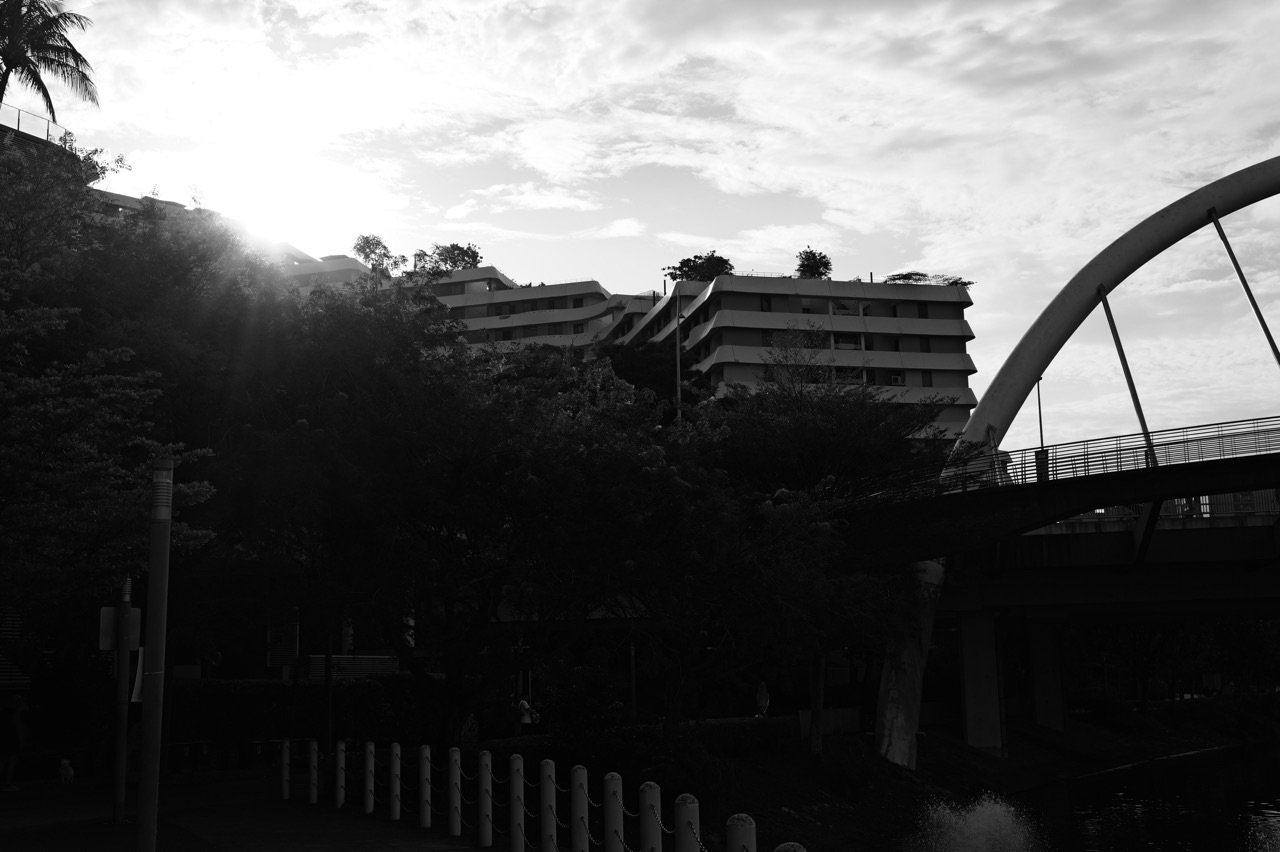
Photography classes in Punggol may be one of the nicest ways to discover the neighbourhood again. Someone photographs a sunset at the waterway and wonders why the sky looks pale. A parent takes a picture of a birthday cake but finds the background distracting. A teenager has a wonderfully imaginative eye and an ordinary phone. A senior wants to remember a family outing without relying on someone else to operate the camera. None of these learners needs expensive equipment before beginning.
The core aim of Punggol smartphone photography courses for beginners is to teach people to observe light, make deliberate framing choices, understand their device and tell a clear visual story while respecting others. Taking more photographs is not the same as learning to see. A good course helps the learner explain why a picture works, what could improve it and when the camera should be put away.
The Core Aim in One Sentence
Photography education helps a learner notice the subject, decide what matters, use light and framing deliberately, and produce images they can evaluate and share responsibly. The tool may be a smartphone, a compact camera, a DSLR or a mirrorless system. The underlying questions remain surprisingly similar.
Imagine two pictures of the same bridge. One includes the bridge, a large distracting bin, a tilted horizon and no obvious subject. The other places the bridge deliberately, uses the water’s reflection to guide attention and leaves the viewer with a sense of place. The second photographer may have used the cheaper device. What changed was the decision-making.
A beginner course should give learners that agency. Rather than promising “professional photos in one hour,” it should develop a small number of habits that can be repeated with an unfamiliar subject and changing light.
Verified Punggol Photography Learning Opportunities
The official onePA listing for the Punggol Coast Children’s Day Celebration on 11 October 2026 included a Photography Workshop as one of several activities at One Punggol. The event was scheduled for Sunday, 10 am–1 pm, with free Level 1 activities and a ticketed Level 5 programme. The listing described $8 tickets for the Level 5 activities, while photography-specific slots were limited to fifty and required the appropriate ticket category. Verify availability and ticket details on the official event page; a general event ticket should not be mistaken for a guaranteed place in a limited workshop.
That event is a one-day learning opportunity, not evidence of a permanent weekly smartphone photography course. Its specific camera curriculum, devices and completed learner outputs were not detailed on the public event page checked on 9 October 2026. Families should contact the organiser rather than assume the session teaches manual exposure or a particular phone model.
The Punggol 21 Community Club page also lists a Punggol 21 CC Photography Club among its interest groups. It is presented as a free interest-group option on the club page, not as a separately confirmed certificate course with published weekly lesson dates. Residents should contact the club about meeting frequency, membership, age suitability, activity format and vacancies.
If neither route matches the learner’s needs, use the onePA course and event search for current photography training, and check the venue on every listing. A course elsewhere in Singapore can be suitable for a Punggol resident without being falsely presented as a class held within Punggol.
A Workshop, Interest Group and Formal Photography Course Are Different Things
A one-off workshop introduces a narrow topic in a short period. Learners may discover one or two useful techniques and decide whether they enjoy the subject. It is a taster, not necessarily a systematic curriculum.
A photography interest group can offer community, inspiration, informal feedback and opportunities to discuss work. Whether formal instruction is provided depends on the group’s actual activities. An interest group should not automatically be advertised as a school.
A structured multi-session course can teach a planned progression, repeated practice, critique and a portfolio. Ask how the lessons move from basic exposure and composition toward independent storytelling, and what form of instructor feedback is available.
A specialist course may focus on portraits, product photographs, landscape work, photojournalism, wildlife or post-processing. These are not interchangeable merely because they involve cameras. Someone hoping to improve family photographs may not need a workshop devoted to complicated studio flash equipment.
The best route starts with the learner’s purpose rather than a provider’s favourite device or the number of technical terms in the brochure.
Why Smartphone Photography Is an Excellent First Medium
A smartphone is already available to many learners and can provide immediate visual feedback. A beginner can practise subject selection, light, balance and framing with no additional lens purchase. This lowers the cost of exploring photography and makes it easier to repeat experiments in ordinary life.
Modern phones may automatically combine exposures, sharpen details or apply computational processing. Those features can help but may also make it difficult to understand why an image looks the way it does. A thoughtful course explains which decisions the device makes automatically and which decisions the photographer can still control.
Do not confuse phone-camera convenience with universal superiority. Interchangeable-lens cameras may offer useful controls and equipment for particular situations. Yet a costly camera can also make a new learner spend more attention on buttons than on the subject. Buy equipment after the intended learning outcome is clear.
The Six Foundations of an Effective Photograph
Subject: What do you want the viewer to notice? If the answer is “everything,” the photograph may lack direction. A strong beginner can point to the subject before pressing the shutter.
Light: Direction, quality and contrast shape appearance. The same scene may look very different in strong midday light and softer late-afternoon light. Photographing safely is more important than chasing a dramatic effect.
Composition: Position, balance, lines, negative space and background guide attention. The rule of thirds can be a useful exercise but should not become a law that forbids other arrangements.
Timing: Expressions, movement, gestures and changing weather alter a scene from moment to moment. Patience is often more valuable than firing dozens of shots without thought.
Technical control: Focus, exposure, stability, lens choice and file handling matter because they help translate the intended scene into a readable image. Teach the controls necessary for the task, not every menu option at once.
Ethics and meaning: A technically perfect photograph may still be inappropriate to take or publish. Respectful boundaries, privacy, accurate captions and honest editing are part of photography, not an optional afterthought.
Light: Start by Looking Before Touching Settings
The camera records reflected light, and the source of that light changes the picture. A child may notice that a face near a bright window looks different from the same face facing away. An adult may realise that an object photographed beneath a ceiling light casts distracting shadows.
A beginner can compare two safe arrangements with the same stationary object, controlling one variable at a time. The instructor helps the learner describe direction and contrast. The point is not immediately memorising aperture, shutter speed and ISO; it is understanding that exposure settings respond to light and that the photographer can often improve the scene by changing position or timing.
Be cautious near roads, water edges and areas requiring restricted access. No sunset or skyline is worth stepping into an unsafe place. The most reliable photography habit includes deciding where it is safe and permitted to stand.
Composition: Give the Eye a Path
An image has a frame, and that frame inevitably excludes most of the world. A teacher can help learners explore foreground, background, symmetry, leading lines and negative space through familiar local examples: a curved park path, repeating railings, the shape of a bridge or a flower against uncluttered greenery.
The famous rule of thirds can be a useful starting test. Place the same subject centrally and off-centre; compare how the viewer’s attention changes. But if the subject calls for perfect symmetry, there is no reason to force it away from the middle merely to obey a diagram.
A strong class teaches the learner to ask, “What in this frame helps my idea, and what distracts from it?” That question outlives any camera model.
Focus, Exposure and Motion Without Technical Overload
Focus concerns which parts of a scene appear sharp. Smartphone cameras often allow a tap to choose the point of interest, though behaviour varies by model. A learner should test focus on an inanimate object before relying on the automatic choice for a meaningful photograph.
Exposure concerns how light or dark an image is recorded. Bright skies can fool automatic settings when the foreground is much darker. Teaching should show that some scenes exceed a device’s ability to preserve detail everywhere and that thoughtful compromises are normal.
Motion introduces another dimension: moving people, vehicles, plants and water can appear frozen or blurred depending on conditions and settings. The learner need not start with manual technical calculations. They should first understand what they wanted motion to look like.
A course should gradually connect these concepts to the device’s actual tools, while keeping safety and privacy boundaries clear. Avoid intrusive photographing of strangers to practise a shutter setting.
Editing Is Interpretation, Not a Licence to Invent
Small edits to crop, straighten, adjust brightness or correct colour can help a photograph communicate the original scene. Learners should keep the original file so they can compare decisions and recover from over-editing.
More extensive manipulation can change what the picture means. If a photograph is used as evidence for a news report, school project or public claim, removing people, inventing an object or changing the scene with generative tools raises important honesty questions. The editor should disclose alterations whenever they could mislead the viewer about what actually happened.
Aesthetic art and documentary evidence have different purposes. A whimsical composite can be a fine creative work if presented as one. It is not appropriate to pass the same composite off as an untouched recording of a real event.
Respect the People in the Frame
A public place is not an invitation to ignore privacy, dignity or safety. Photographers should pay particular attention to children, vulnerable people, private activities, residential windows and images that could embarrass or identify someone without a good reason.
Event organisers may publish their own photography notices and consent rules. For example, the official Punggol Shore Children’s Day event page explains that event photography and videography may be used for publicity. An event notice does not make every image a visitor takes automatically appropriate to publish. Respect explicit refusals, follow venue policies and seek permission in sensitive circumstances.
Singapore’s personal data rules can be nuanced, including differences between personal, organisational and publicly available information. Avoid giving a sweeping claim that every public photograph is automatically legal or that consent is always legally required. The safer editorial principle for beginners is to make images thoughtfully and respect the people who appear in them.
Punggol Waterway Park as a Photography Classroom
The official NParks Punggol Waterway Park page describes four themed areas: Nature Cove, Recreation Zone, Heritage Zone and Green Gallery. It identifies features such as the preserved old Punggol Road bus stop, Jewel Bridge, Kelong Bridge, aquatic plants and birdlife. These give photographers a wealth of different subjects within one neighbourhood.
The park’s walking environment is useful because the learner can revisit a subject under changing light. A bridge that looked flat at noon may form a striking silhouette later; a patch of aquatic plants may become more interesting when photographed from a lawful path at a lower angle. The educational outcome is the observation, not an endless hunt for a secret Instagram location.
NParks lists park rules and visitor guidance. Follow designated paths, do not disturb or feed wildlife, avoid damaging plants and respect other park users. Even if the park is listed as open 24 hours, that does not mean every location is equally safe, illuminated or appropriate for a photography activity at night.
Punggol Point Park and the Question of Scale
Punggol Point Park offers a coastal setting at the end of Punggol Road. Its official NParks page describes a viewing deck and views towards Pulau Ubin and nearby coastal features. This provides a different visual subject from the inland waterway: more horizon, sky, water and large-scale shapes.
A beginner can try three compositions of the same safe coastal view: one with a broad horizon, one focusing on a foreground object and one using symmetry or a strong diagonal. Compare how much the sky contributes to each image. The aim is not to capture the most glamorous sunset every time but to learn that changing a camera position changes the meaning of a picture.
Avoid approaching unsafe water edges or interfering with cyclists and other visitors. Do not use drones or specialist equipment without checking the applicable rules and permissions. A smartphone and a safe public viewpoint are enough for a first photographic exploration.
A Realistic Four-Session Photography Course
Session one: observation and framing. Identify subjects, check backgrounds and create two deliberately different pictures of the same harmless object.
Session two: light and exposure. Compare safe lighting conditions and practise the device’s basic focus and brightness controls. Explain what the learner intended to preserve.
Session three: story and sequence. Make a short series with beginning, middle and end, using only subjects and locations that are appropriate to photograph.
Session four: selection and ethical editing. Choose a small portfolio, make restrained edits, explain choices and decide which images are suitable to share. This is an illustrative curriculum, not the timetable or content of the One Punggol Children’s Day workshop or Punggol 21 Photography Club.
A full photography course may include many more techniques. For beginners, depth is often better than racing through a hundred camera settings with no time to interpret a single picture.
A Twenty-Six-Exercise Punggol Photography Studio
These original exercises are intended for ordinary cameras and smartphone users working safely in public places or at home. Many use objects, textures and landscapes rather than identifiable people. They are not claims about the programme of any named community workshop. Keep original files and choose a small number of tasks rather than photographing everything indiscriminately.
Photo Studio 1: Three frames of one cup
Try this. Place an unbreakable cup in a safe indoor setting and take a central, left-weighted and right-weighted image. Decide what the audience should notice before taking the first picture, and avoid photographing anybody who has not agreed to be part of the exercise.
Look carefully. Notice how surrounding space changes the photograph even though the cup remains still. A useful instructor asks the learner to name evidence visible in the frame rather than praising every picture indiscriminately.
Make one revision. Choose the version that best communicates the intended mood and explain why. Keep the comparison and explain what changed. The learning is in the photographer’s decision-making, not the number of images captured.
Photo Studio 2: Light from one window
Try this. Photograph a harmless stationary object using ordinary daylight from a window. Decide what the audience should notice before taking the first picture, and avoid photographing anybody who has not agreed to be part of the exercise.
Look carefully. Compare the object’s lit and shadowed sides without looking into bright lights or placing equipment dangerously. A useful instructor asks the learner to name evidence visible in the frame rather than praising every picture indiscriminately.
Make one revision. Explain how a different direction of light changed the apparent shape. Keep the comparison and explain what changed. The learning is in the photographer’s decision-making, not the number of images captured.
Photo Studio 3: The distracting background
Try this. Make a first picture of a book on a cluttered table, then remove irrelevant objects or change position. Decide what the audience should notice before taking the first picture, and avoid photographing anybody who has not agreed to be part of the exercise.
Look carefully. Ask what the viewer notices before the book in each image. A useful instructor asks the learner to name evidence visible in the frame rather than praising every picture indiscriminately.
Make one revision. Repeat with a new subject to see whether the skill transfers. Keep the comparison and explain what changed. The learning is in the photographer’s decision-making, not the number of images captured.
Photo Studio 4: A horizon in the right place
Try this. Use a safe landscape viewpoint or a printed photograph with a clear horizontal line. Decide what the audience should notice before taking the first picture, and avoid photographing anybody who has not agreed to be part of the exercise.
Look carefully. Identify whether the horizon appears unintendedly tilted or deliberately angled. A useful instructor asks the learner to name evidence visible in the frame rather than praising every picture indiscriminately.
Make one revision. Compare a straightened version with the original and explain the improvement. Keep the comparison and explain what changed. The learning is in the photographer’s decision-making, not the number of images captured.
Photo Studio 5: The diagonal path
Try this. Find a safe walkway that creates a natural line through the scene. Decide what the audience should notice before taking the first picture, and avoid photographing anybody who has not agreed to be part of the exercise.
Look carefully. Notice how the line directs attention without standing where it obstructs walkers or cyclists. A useful instructor asks the learner to name evidence visible in the frame rather than praising every picture indiscriminately.
Make one revision. Try a second composition that leads the eye to a different background feature. Keep the comparison and explain what changed. The learning is in the photographer’s decision-making, not the number of images captured.
Photo Studio 6: A simple reflection
Try this. Photograph an object reflected in a safe shallow indoor surface or observe a public water reflection from a path. Decide what the audience should notice before taking the first picture, and avoid photographing anybody who has not agreed to be part of the exercise.
Look carefully. Compare what appears in the direct scene and the reflection. A useful instructor asks the learner to name evidence visible in the frame rather than praising every picture indiscriminately.
Make one revision. Describe what the reflection adds instead of merely doubling the image. Keep the comparison and explain what changed. The learning is in the photographer’s decision-making, not the number of images captured.
Photo Studio 7: Wide shot, detail shot
Try this. Make two photographs of a harmless object or garden feature: one showing context and one showing detail. Decide what the audience should notice before taking the first picture, and avoid photographing anybody who has not agreed to be part of the exercise.
Look carefully. Ask what information each image provides and what it omits. A useful instructor asks the learner to name evidence visible in the frame rather than praising every picture indiscriminately.
Make one revision. Present the pair in an order that helps a viewer understand the subject. Keep the comparison and explain what changed. The learning is in the photographer’s decision-making, not the number of images captured.
Photo Studio 8: A photograph with space
Try this. Position a small inanimate subject with deliberate empty space on one side. Decide what the audience should notice before taking the first picture, and avoid photographing anybody who has not agreed to be part of the exercise.
Look carefully. Discuss whether the empty area creates calm, loneliness or room for an imagined movement. A useful instructor asks the learner to name evidence visible in the frame rather than praising every picture indiscriminately.
Make one revision. Make an alternate version that uses the space differently. Keep the comparison and explain what changed. The learning is in the photographer’s decision-making, not the number of images captured.
Photo Studio 9: Repeat a pattern
Try this. Look for repeating tiles, railings or natural shapes from a permitted safe viewpoint. Decide what the audience should notice before taking the first picture, and avoid photographing anybody who has not agreed to be part of the exercise.
Look carefully. Identify where repetition is consistent and where it changes. A useful instructor asks the learner to name evidence visible in the frame rather than praising every picture indiscriminately.
Make one revision. Frame the change as the picture’s main point. Keep the comparison and explain what changed. The learning is in the photographer’s decision-making, not the number of images captured.
Photo Studio 10: Texture without touching
Try this. Photograph bark, stone or leaf texture without damaging a plant or disturbing wildlife. Decide what the audience should notice before taking the first picture, and avoid photographing anybody who has not agreed to be part of the exercise.
Look carefully. Compare how side light and distance affect visible detail. A useful instructor asks the learner to name evidence visible in the frame rather than praising every picture indiscriminately.
Make one revision. Choose which image most clearly communicates the surface. Keep the comparison and explain what changed. The learning is in the photographer’s decision-making, not the number of images captured.
Photo Studio 11: A colour story
Try this. Collect images of three unrelated harmless objects that share a colour family. Decide what the audience should notice before taking the first picture, and avoid photographing anybody who has not agreed to be part of the exercise.
Look carefully. Describe how the repetition links the photographs visually. A useful instructor asks the learner to name evidence visible in the frame rather than praising every picture indiscriminately.
Make one revision. Arrange them into a coherent short sequence. Keep the comparison and explain what changed. The learning is in the photographer’s decision-making, not the number of images captured.
Photo Studio 12: A monochrome comparison
Try this. Convert a copy of a photograph to black and white while retaining the original. Decide what the audience should notice before taking the first picture, and avoid photographing anybody who has not agreed to be part of the exercise.
Look carefully. Ask what remains important when colour information disappears. A useful instructor asks the learner to name evidence visible in the frame rather than praising every picture indiscriminately.
Make one revision. Explain whether line, texture or contrast becomes more noticeable. Keep the comparison and explain what changed. The learning is in the photographer’s decision-making, not the number of images captured.
Photo Studio 13: The subject at three distances
Try this. Photograph a safe still-life subject from three suitable positions. Decide what the audience should notice before taking the first picture, and avoid photographing anybody who has not agreed to be part of the exercise.
Look carefully. Discuss how context and perspective shift; avoid unsafe camera movement near edges. A useful instructor asks the learner to name evidence visible in the frame rather than praising every picture indiscriminately.
Make one revision. Choose one view and name its strongest trade-off. Keep the comparison and explain what changed. The learning is in the photographer’s decision-making, not the number of images captured.
Photo Studio 14: The quiet corner
Try this. Look for a small overlooked feature, such as a leaf shadow or interesting shape at home. Decide what the audience should notice before taking the first picture, and avoid photographing anybody who has not agreed to be part of the exercise.
Look carefully. Try to make its significance clear through framing alone. A useful instructor asks the learner to name evidence visible in the frame rather than praising every picture indiscriminately.
Make one revision. Ask a listener what they noticed without telling them the subject first. Keep the comparison and explain what changed. The learning is in the photographer’s decision-making, not the number of images captured.
Photo Studio 15: A before-and-after crop
Try this. Make a copy of a photo and create two different crops. Decide what the audience should notice before taking the first picture, and avoid photographing anybody who has not agreed to be part of the exercise.
Look carefully. Compare what each crop includes and whether it changes the implied story. A useful instructor asks the learner to name evidence visible in the frame rather than praising every picture indiscriminately.
Make one revision. Keep the original to preserve context and avoid misleading edits. Keep the comparison and explain what changed. The learning is in the photographer’s decision-making, not the number of images captured.
Photo Studio 16: Focus where it matters
Try this. Use the phone’s normal focus controls on two harmless objects at different distances. Decide what the audience should notice before taking the first picture, and avoid photographing anybody who has not agreed to be part of the exercise.
Look carefully. Check whether the intended subject is clear in the resulting pictures. A useful instructor asks the learner to name evidence visible in the frame rather than praising every picture indiscriminately.
Make one revision. Repeat when light changes and see if the device behaves differently. Keep the comparison and explain what changed. The learning is in the photographer’s decision-making, not the number of images captured.
Photo Studio 17: The movement question
Try this. From a safe, permitted location, photograph a moving non-person subject such as a gently swinging decoration. Decide what the audience should notice before taking the first picture, and avoid photographing anybody who has not agreed to be part of the exercise.
Look carefully. Compare whether motion appears sharp or blurred and what that communicates. A useful instructor asks the learner to name evidence visible in the frame rather than praising every picture indiscriminately.
Make one revision. Do not step into a roadway or near a moving cyclist to create an action shot. Keep the comparison and explain what changed. The learning is in the photographer’s decision-making, not the number of images captured.
Photo Studio 18: Sky versus foreground
Try this. Photograph a safe public landscape with a bright sky and darker ground. Decide what the audience should notice before taking the first picture, and avoid photographing anybody who has not agreed to be part of the exercise.
Look carefully. Notice which parts retain detail and what compromise the automatic exposure makes. A useful instructor asks the learner to name evidence visible in the frame rather than praising every picture indiscriminately.
Make one revision. Make another frame emphasising either sky or foreground with appropriate camera controls. Keep the comparison and explain what changed. The learning is in the photographer’s decision-making, not the number of images captured.
Photo Studio 19: A respectful no-portrait series
Try this. Tell a story about a fictional family outing using only objects, signs, paths and landscapes. Decide what the audience should notice before taking the first picture, and avoid photographing anybody who has not agreed to be part of the exercise.
Look carefully. See how much narrative can be communicated without photographing identifiable strangers. A useful instructor asks the learner to name evidence visible in the frame rather than praising every picture indiscriminately.
Make one revision. Discuss why privacy can become a creative constraint rather than an inconvenience. Keep the comparison and explain what changed. The learning is in the photographer’s decision-making, not the number of images captured.
Photo Studio 20: A four-picture sequence
Try this. Photograph the steps of arranging a small still life: preparation, process, result and final detail. Decide what the audience should notice before taking the first picture, and avoid photographing anybody who has not agreed to be part of the exercise.
Look carefully. Arrange the images so a viewer can follow the story without a long caption. A useful instructor asks the learner to name evidence visible in the frame rather than praising every picture indiscriminately.
Make one revision. Remove one image and see whether the sequence still makes sense. Keep the comparison and explain what changed. The learning is in the photographer’s decision-making, not the number of images captured.
Photo Studio 21: A bridge in different light
Try this. Using safe locations, photograph or compare a public bridge across two different times of day. Decide what the audience should notice before taking the first picture, and avoid photographing anybody who has not agreed to be part of the exercise.
Look carefully. Notice how shadow, sky and reflection alter the sense of place. A useful instructor asks the learner to name evidence visible in the frame rather than praising every picture indiscriminately.
Make one revision. Do not enter restricted spaces or return to unsafe areas merely for a sunset. Keep the comparison and explain what changed. The learning is in the photographer’s decision-making, not the number of images captured.
Photo Studio 22: A wildlife boundary
Try this. Read NParks rules before considering a bird or animal photograph in a public park. Decide what the audience should notice before taking the first picture, and avoid photographing anybody who has not agreed to be part of the exercise.
Look carefully. Discuss why distance, non-interference and respect for habitat matter more than filling the frame. A useful instructor asks the learner to name evidence visible in the frame rather than praising every picture indiscriminately.
Make one revision. Prefer a distant image over disturbing an animal for a closer shot. Keep the comparison and explain what changed. The learning is in the photographer’s decision-making, not the number of images captured.
Photo Studio 23: A truthful caption
Try this. Write a short caption describing when and where an image was made, without revealing private details. Decide what the audience should notice before taking the first picture, and avoid photographing anybody who has not agreed to be part of the exercise.
Look carefully. Separate direct observation from assumptions about people or events. A useful instructor asks the learner to name evidence visible in the frame rather than praising every picture indiscriminately.
Make one revision. Edit the caption to remove claims the photograph cannot support. Keep the comparison and explain what changed. The learning is in the photographer’s decision-making, not the number of images captured.
Photo Studio 24: A simple portfolio edit
Try this. Select five photographs that together show variety in light, composition and subject. Decide what the audience should notice before taking the first picture, and avoid photographing anybody who has not agreed to be part of the exercise.
Look carefully. Remove near-duplicates and discuss why each remaining image contributes. A useful instructor asks the learner to name evidence visible in the frame rather than praising every picture indiscriminately.
Make one revision. Keep the first versions so improvement can be traced. Keep the comparison and explain what changed. The learning is in the photographer’s decision-making, not the number of images captured.
Photo Studio 25: Ask for useful feedback
Try this. Show one harmless image to a trusted learner or instructor and ask what draws their eye first. Decide what the audience should notice before taking the first picture, and avoid photographing anybody who has not agreed to be part of the exercise.
Look carefully. Invite a concrete observation rather than a generic rating of good or bad. A useful instructor asks the learner to name evidence visible in the frame rather than praising every picture indiscriminately.
Make one revision. Retake the photo using one specific change and compare results. Keep the comparison and explain what changed. The learning is in the photographer’s decision-making, not the number of images captured.
Photo Studio 26: The independent neighbourhood story
Try this. Plan a mini photo essay about light and shape in Punggol using safe public locations. Decide what the audience should notice before taking the first picture, and avoid photographing anybody who has not agreed to be part of the exercise.
Look carefully. Choose a clear beginning, transition and closing image while respecting permissions and people. A useful instructor asks the learner to name evidence visible in the frame rather than praising every picture indiscriminately.
Make one revision. Present five pictures with captions, and explain one ethical choice and one technical revision. Keep the comparison and explain what changed. The learning is in the photographer’s decision-making, not the number of images captured.
Eight Punggol Photographers With Different Goals
The parent who takes every family photograph
This learner wants dependable pictures at birthdays, school milestones and trips, but may miss the actual moment while adjusting a phone. A suitable introductory course focuses on simple composition, light and quick, responsible decisions instead of overwhelming technical menus. The course should be chosen for its actual audience, device requirements, feedback and completed learning output rather than a vague promise to take beautiful pictures.
The child curious about photography
A young learner enjoys finding patterns and colours but needs age-appropriate supervision, privacy boundaries and manageable tasks. A one-day workshop may be a good taster; parents should not assume it replaces longer instruction or permits sharing other children’s photos. The course should be chosen for its actual audience, device requirements, feedback and completed learning output rather than a vague promise to take beautiful pictures.
The teenager interested in storytelling
This learner wants to create a photo essay rather than another set of random attractive pictures. They need guidance in sequencing, captions, ethical representation and maintaining truthful context, especially when images are presented as evidence. The course should be chosen for its actual audience, device requirements, feedback and completed learning output rather than a vague promise to take beautiful pictures.
The senior who uses only a phone
This learner may benefit from patient help finding camera controls, managing storage, identifying the saved picture and sharing it with the intended relative. Technical skill begins with device confidence; a class focused on professional studio gear may be the wrong starting point. The course should be chosen for its actual audience, device requirements, feedback and completed learning output rather than a vague promise to take beautiful pictures.
The hobbyist considering a DSLR
A newcomer may be tempted by expensive lenses but has not yet developed composition and light awareness. Renting or borrowing equipment in a suitable class may be more sensible than buying first. The learner should distinguish equipment limitations from observation skills. The course should be chosen for its actual audience, device requirements, feedback and completed learning output rather than a vague promise to take beautiful pictures.
The community event volunteer
A volunteer may photograph public activities for the organiser. Permission, event policy, identifiable people and the intended audience matter. The photographer should understand what the organiser expects and avoid assuming that volunteering confers unrestricted rights to publish. The course should be chosen for its actual audience, device requirements, feedback and completed learning output rather than a vague promise to take beautiful pictures.
The park and wildlife enthusiast
This learner enjoys Punggol’s greenery, bridges and birds. The direct educational goals are patience, distant observation, safe positioning and respect for protected spaces rather than approaching wildlife for dramatic framing. The course should be chosen for its actual audience, device requirements, feedback and completed learning output rather than a vague promise to take beautiful pictures.
The creator interested in AI editing
An adult experimenting with generative tools should distinguish artistic composites from documentary records. The learning outcome includes disclosure of meaningful changes and a clear distinction between an invented scene and a genuine photograph. The course should be chosen for its actual audience, device requirements, feedback and completed learning output rather than a vague promise to take beautiful pictures.
Frequently Asked Questions About Photography Courses in Punggol
Are there smartphone photography classes in Punggol?
An official One Punggol Children’s Day event on 11 October 2026 included a photography workshop, and Punggol 21 CC lists a Photography Club. Neither listing proves a regular smartphone-only course is currently accepting members. Confirm the exact format. The practical choice should follow the learner’s real goal and the verified organiser’s description, not a general advertisement suggesting that every photography activity offers the same curriculum.
Does the Children’s Day photography workshop cost $8?
The event page describes $8 ticketed Level 5 activities and a photography workshop with limited specific slots. Check the ticket category and vacancy rather than assuming every $8 ticket guarantees workshop participation. The practical choice should follow the learner’s real goal and the verified organiser’s description, not a general advertisement suggesting that every photography activity offers the same curriculum.
Is the Punggol 21 Photography Club a formal course?
It is listed as an interest group on the community club page. Meeting format, current availability and whether formal instruction is included need to be confirmed with the organiser. The practical choice should follow the learner’s real goal and the verified organiser’s description, not a general advertisement suggesting that every photography activity offers the same curriculum.
Can I learn photography with just a phone?
Yes. Framing, light, subject selection, timing and storytelling can all be practised with a suitable smartphone. Special equipment is not necessary for every beginner goal. The practical choice should follow the learner’s real goal and the verified organiser’s description, not a general advertisement suggesting that every photography activity offers the same curriculum.
Is an expensive camera better for a beginner?
Not automatically. Some devices provide additional control, but equipment cannot replace attention to subject, composition and light. Match purchases to actual learning needs. The practical choice should follow the learner’s real goal and the verified organiser’s description, not a general advertisement suggesting that every photography activity offers the same curriculum.
What should a photography class teach first?
Understanding the subject, light and framing is usually a more useful starting point than memorising complicated menus. Technical settings should connect to an observable purpose. The practical choice should follow the learner’s real goal and the verified organiser’s description, not a general advertisement suggesting that every photography activity offers the same curriculum.
What is the rule of thirds?
It is a composition exercise that divides a frame into approximate thirds to explore placement. It is a guide, not a universal law; symmetry or deliberate central framing can also work well. The practical choice should follow the learner’s real goal and the verified organiser’s description, not a general advertisement suggesting that every photography activity offers the same curriculum.
Do I need to learn manual mode?
Not for every everyday photography task. A learner should understand what their automatic camera does before deciding which manual controls are useful. The practical choice should follow the learner’s real goal and the verified organiser’s description, not a general advertisement suggesting that every photography activity offers the same curriculum.
Can children share workshop photos online?
Posting requires thoughtful attention to privacy, other participants’ wishes, school or event rules and any relevant legal obligations. Being at a public event does not make every sharing choice wise. The practical choice should follow the learner’s real goal and the verified organiser’s description, not a general advertisement suggesting that every photography activity offers the same curriculum.
Are public park photos always permitted?
Follow NParks rules and any current notices. General visitor photography should not involve damaging nature, unsafe access, disturbing wildlife or obstructing other park users. The practical choice should follow the learner’s real goal and the verified organiser’s description, not a general advertisement suggesting that every photography activity offers the same curriculum.
Can I photograph birds at Punggol Waterway Park?
Observe wildlife from a respectful distance, follow NParks rules and avoid feeding or disturbing animals. A distant photograph is preferable to disrupting natural behaviour. The practical choice should follow the learner’s real goal and the verified organiser’s description, not a general advertisement suggesting that every photography activity offers the same curriculum.
How should I edit a photograph?
Start with simple cropping, straightening and modest brightness changes while preserving the original. More extensive edits should reflect the purpose and should not mislead viewers. The practical choice should follow the learner’s real goal and the verified organiser’s description, not a general advertisement suggesting that every photography activity offers the same curriculum.
What if an AI tool changes the image?
Distinguish creative artwork from a photographic record, and disclose meaningful manipulations when authenticity matters. Do not present invented details as evidence of a real event. The practical choice should follow the learner’s real goal and the verified organiser’s description, not a general advertisement suggesting that every photography activity offers the same curriculum.
Can a workshop make me a professional photographer?
A short workshop can introduce skills, but professional work involves deeper technical, creative, legal, ethical and business competencies. One afternoon is not a qualification for every assignment. The practical choice should follow the learner’s real goal and the verified organiser’s description, not a general advertisement suggesting that every photography activity offers the same curriculum.
What should I bring to a photography workshop?
Confirm the organiser’s requirements for phone or camera, battery, storage, age and accompaniment. Do not buy accessories until the specific activity calls for them. The practical choice should follow the learner’s real goal and the verified organiser’s description, not a general advertisement suggesting that every photography activity offers the same curriculum.
What can I photograph for a beginner portfolio?
Still life, safe landscapes, patterns, public architecture and nature details are useful. These subjects allow practice without needing to photograph identifiable strangers. The practical choice should follow the learner’s real goal and the verified organiser’s description, not a general advertisement suggesting that every photography activity offers the same curriculum.
Is a photo club worthwhile for adults?
It may offer inspiration and peer learning, but ask about actual meetings, critique, membership rules and suitability. A club and a sequenced class serve different purposes. The practical choice should follow the learner’s real goal and the verified organiser’s description, not a general advertisement suggesting that every photography activity offers the same curriculum.
How do I measure progress?
Compare pairs of images with a specific goal, and ask whether the learner can explain a technical or compositional improvement. The number of photos or social-media likes is not a reliable measure of learning. The practical choice should follow the learner’s real goal and the verified organiser’s description, not a general advertisement suggesting that every photography activity offers the same curriculum.
A Local Photographer’s Course-Selection Plan
First decide what you want to create: better family photographs, a Punggol landscape portfolio, a child-friendly introduction, a community-event record or a technically ambitious camera project. These are different goals and may justify different types of teaching.
Then ask for the course or group’s real learning format. Does it offer hands-on practice and critique? Are participants expected to own specific equipment? Will there be an assignment, a photographic walk or a review of submitted work? How are images shared, stored and deleted? What rules apply to photographs of other people, particularly children?
For the 11 October Children’s Day photography workshop, verify the photography-specific ticket and limited capacity rather than relying solely on the broader event admission description. For the Punggol 21 CC Photography Club, confirm the current group arrangements with the club. The One Punggol CC venue page provides the event hub’s address.
Finally, practise with the device already in your hand. Choose one harmless subject at home, take two deliberate frames and explain the difference. This tiny experiment provides a baseline for knowing what you want a teacher to help you improve.
The Photograph That Means More Than a Thousand Random Shots
Picture a resident stopping beside Punggol Waterway, noticing how the light falls across a bridge and choosing where to stand without blocking anyone’s path. They take one photograph, look again and make a small adjustment. The second picture is not perfect, but the maker can explain the difference. That is photographic learning in action.
The core aim of Punggol smartphone photography classes for beginners is to make people better observers and more responsible storytellers. Cameras change. Software changes. The ability to look thoughtfully and make an honest image remains useful.
Official local learning and practice links: One Punggol Children’s Day photography workshop · Punggol 21 CC Photography Club listing · onePA course directory · NParks Punggol Waterway Park · NParks Punggol Point Park · Punggol community activities guide.
*Official local information checked 9 October 2026. A one-day workshop and an interest group are not interchangeable with an ongoing certified course; confirm availability, ticket category, fees, dates, device needs and activity rules directly. Studio exercises are suggested safe home and public-space practice, not a provider’s announced syllabus.*


