
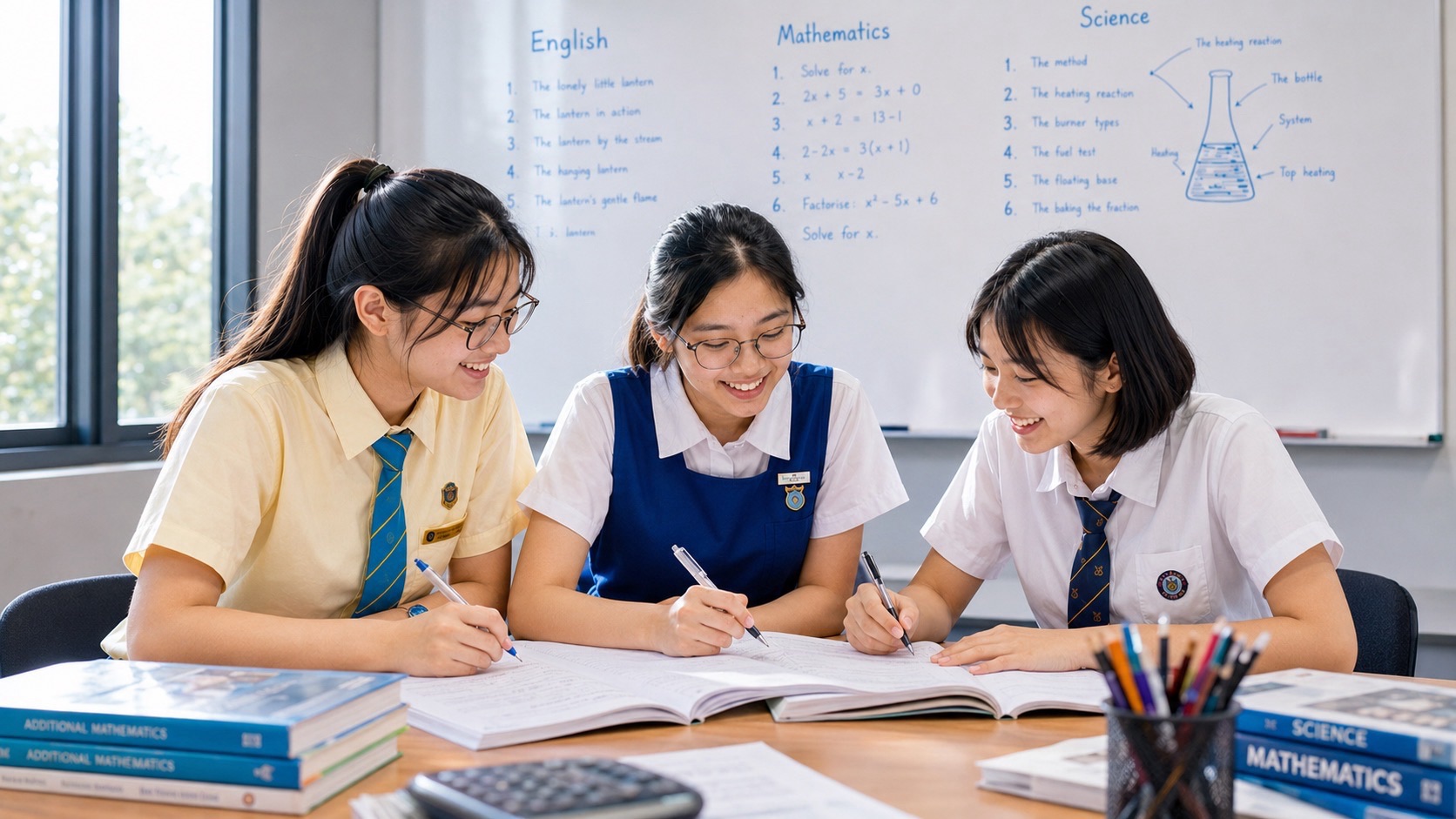
Education in Punggol can include learning to prepare before leaving home. Packing a school bag, CCA kit, tuition folder or day-trip bag looks simple, but it requires prediction: what will happen later, what will be needed, what can go wrong and what is worth carrying.
For families managing Punggol schools, Punggol tuition, CCAs, transport and weekend activities, packing is a practical form of planning. The child has to convert tomorrow’s timetable into today’s preparation.
The long-term goal is not a perfectly packed bag. It is a learner who can anticipate needs without an adult reconstructing every future situation for them.
1. Packing Begins With the Future
A child cannot pack well without imagining the next day. Which subjects are scheduled? Is there PE? CCA? Tuition? Rain? A project submission?
Packing therefore trains forward planning.
2. A Checklist Externalises Memory
Children do not need to remember everything internally. A short checklist can hold recurring information so attention is available for the exceptions.
This is the same principle adults use in aviation, medicine, events and operations: reliable systems reduce avoidable omission.
3. Do Not Let the Checklist Become the Parent
The child should be the one using the checklist. If the parent reads every item aloud each evening, dependence merely changed form.
The adult can audit occasionally and step back as reliability improves.
4. School Bags Need a Stable Core
Some items belong almost every day: stationery, water, access card or essential device where required. Other items change with the timetable.
Separating stable core from variable items makes packing easier.
5. CCA Gear Adds Another System
Uniforms, shoes, equipment, water and recovery items may need their own preparation. A child who relies on last-minute memory is more likely to forget one crucial piece.
A dedicated CCA checklist can remove repeated conflict.
6. Tuition Materials Should Be Predictable
Bring the correct subject file, recent corrections, homework and any specific question that needs help. Packing tuition materials well improves the quality of the lesson because the evidence arrives with the student.
7. Day Trips Teach Broader Planning
A family outing adds weather, water, transport, timing, chargers, tickets or activity-specific items. Older children can take responsibility for one category.
The task becomes a small logistics problem.
8. Overpacking Is Also a Planning Error
Preparation is not carrying everything. A heavy bag creates cost. Children should learn to distinguish essential, useful and unnecessary items.
This is prioritisation in physical form.
9. Missing Items Create Feedback
If the child forgets a safe, non-critical item, let the inconvenience teach something. Then update the system rather than simply adding another parental reminder.
The question is: what cue would have prevented this?
10. Pack the Night Before Where Possible
Morning packing happens under time pressure. Evening packing creates room to discover that something is missing while there is still time to fix it.
11. Younger Children Need Visible Systems
Pictures, colour-coded pouches or a short printed list can help Primary children. Older students should increasingly manage their own written or digital checklist.
12. Parents Should Shrink Their Role
Early on: “Let’s pack together.” Later: “What do you need tomorrow?” Eventually: “Anything you need from me?”
The changing prompt shows that ownership is transferring.
13. A Simple Packing Framework
- What am I doing tomorrow?
- What is always required?
- What is different tomorrow?
- What would be difficult to replace if forgotten?
- What am I carrying that I probably do not need?
14. Education in Punggol Includes Preparing Before the Moment Arrives
Good planning often looks boring because nothing dramatic happens. The correct book is there. The CCA gear is ready. The tuition question is packed. The family leaves on time.
That quiet reliability is exactly the capability worth building.


