
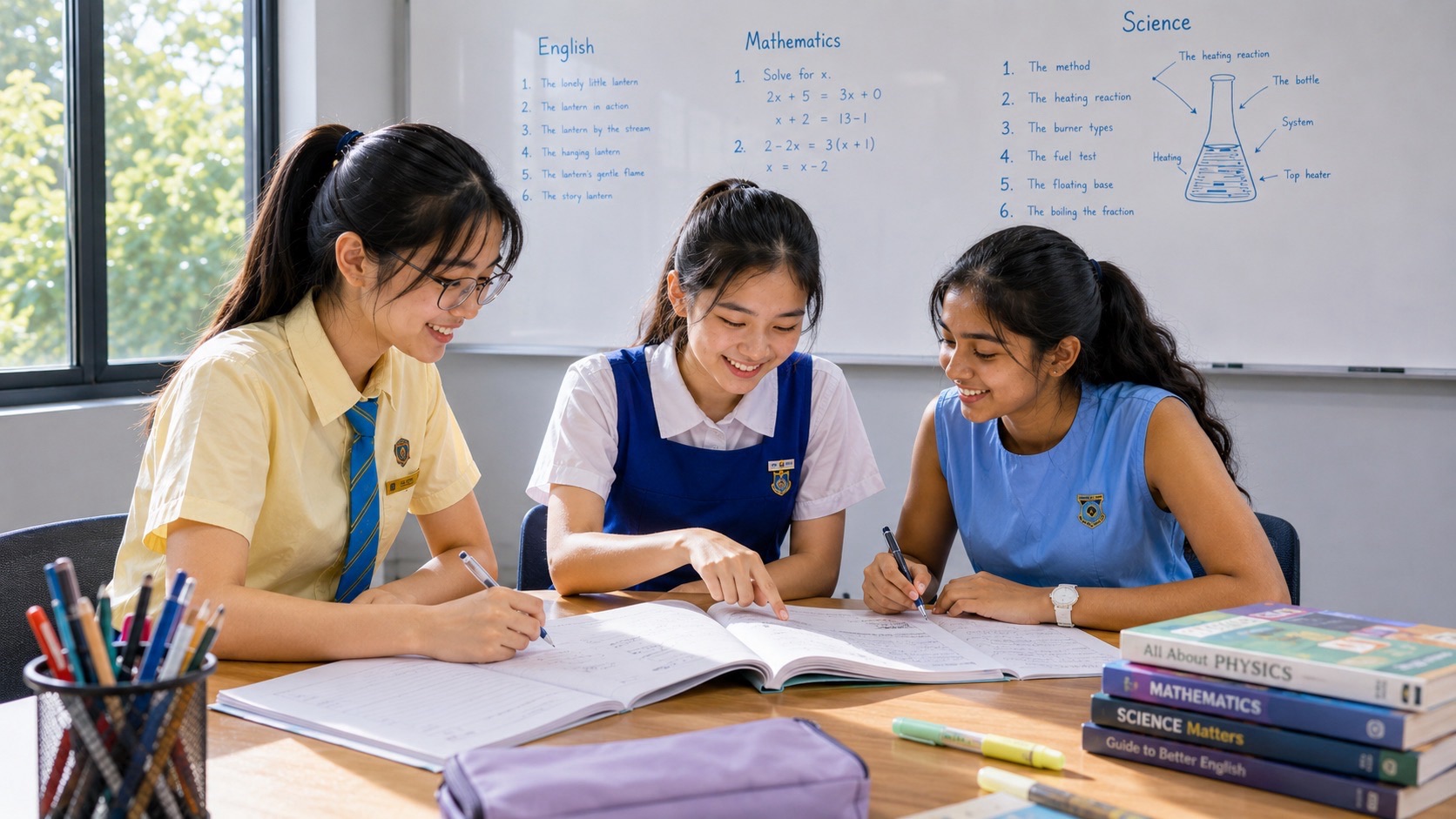
Parents searching for how to write subplots in English composition, how to add a second storyline without confusing the reader, how to deepen character without losing the main plot, or English tuition in Punggol are usually dealing with a story that has either become too thin or too crowded.
A subplot is a smaller narrative thread that runs alongside the main plot. In longer fiction, subplots can be extensive. In PSLE and Secondary school composition, they must be compact. A useful subplot may develop a relationship, test a character value, raise stakes, create contrast or supply information, but it should still feed back into the central story.
This guide is the subplot improvement owner inside the English Improvements In Punggol lane. It connects to Scene Goals and Obstacles, Character Relationships, Character Arc and Narrative Pacing.
The 50-Second Parent Answer
A school composition usually needs one main plot. Add a subplot only if it changes the main story. Ask: Does this secondary thread develop the character, relationship, stakes, information or theme? Does it reconnect before the ending? If the answer is no, cut it.
The best short subplots are compact pressure systems, not separate adventures. They echo, challenge or complicate the central problem and then feed back into it.
Main Plot Versus Subplot
The main plot owns the central question; the subplot supports or complicates it. A subplot is a secondary narrative thread that runs beside the main plot and should strengthen it through character development, stakes, contrast, theme, information or consequence. In school composition, the subplot must stay smaller than the main story because space and time are limited.
Example: Main plot: recover missing project. Subplot: tension with a teammate affects whether information is shared. The subplot works when its events influence how the main character thinks, chooses or acts in the central story. A useful subplot may complicate the main goal, reveal a relationship, test a value, or create a later consequence.
A common mistake is undefined. The repair is to ask what the subplot contributes to the main story and remove any thread that could disappear without changing character, stakes, theme or outcome. A subplot should support the central story, not become an unrelated second composition.
Character Subplot
A subplot can reveal a secondary character or relationship. A subplot is a secondary narrative thread that runs beside the main plot and should strengthen it through character development, stakes, contrast, theme, information or consequence. In school composition, the subplot must stay smaller than the main story because space and time are limited.
Example: While searching for the project, the narrator notices a friend’s unusual reluctance to help. The subplot works when its events influence how the main character thinks, chooses or acts in the central story. A useful subplot may complicate the main goal, reveal a relationship, test a value, or create a later consequence.
A common mistake is undefined. The repair is to ask what the subplot contributes to the main story and remove any thread that could disappear without changing character, stakes, theme or outcome. A subplot should support the central story, not become an unrelated second composition.
Relationship Subplot
A subplot can track trust, conflict or repair. A subplot is a secondary narrative thread that runs beside the main plot and should strengthen it through character development, stakes, contrast, theme, information or consequence. In school composition, the subplot must stay smaller than the main story because space and time are limited.
Example: Two teammates disagree throughout the search, and their cooperation later becomes necessary. The subplot works when its events influence how the main character thinks, chooses or acts in the central story. A useful subplot may complicate the main goal, reveal a relationship, test a value, or create a later consequence.
A common mistake is undefined. The repair is to ask what the subplot contributes to the main story and remove any thread that could disappear without changing character, stakes, theme or outcome. A subplot should support the central story, not become an unrelated second composition.
Theme Subplot
A subplot can echo the main value from another angle. A subplot is a secondary narrative thread that runs beside the main plot and should strengthen it through character development, stakes, contrast, theme, information or consequence. In school composition, the subplot must stay smaller than the main story because space and time are limited.
Example: The main story tests honesty; a smaller thread shows a character deciding whether to return borrowed notes. The subplot works when its events influence how the main character thinks, chooses or acts in the central story. A useful subplot may complicate the main goal, reveal a relationship, test a value, or create a later consequence.
A common mistake is undefined. The repair is to ask what the subplot contributes to the main story and remove any thread that could disappear without changing character, stakes, theme or outcome. A subplot should support the central story, not become an unrelated second composition.
Stakes Subplot
A secondary thread can raise the cost of failure. A subplot is a secondary narrative thread that runs beside the main plot and should strengthen it through character development, stakes, contrast, theme, information or consequence. In school composition, the subplot must stay smaller than the main story because space and time are limited.
Example: The missing project also contains a friend’s only copy of important notes. The subplot works when its events influence how the main character thinks, chooses or acts in the central story. A useful subplot may complicate the main goal, reveal a relationship, test a value, or create a later consequence.
A common mistake is undefined. The repair is to ask what the subplot contributes to the main story and remove any thread that could disappear without changing character, stakes, theme or outcome. A subplot should support the central story, not become an unrelated second composition.
Information Subplot
A subplot can reveal information the main plot needs. A subplot is a secondary narrative thread that runs beside the main plot and should strengthen it through character development, stakes, contrast, theme, information or consequence. In school composition, the subplot must stay smaller than the main story because space and time are limited.
Example: A side conversation with a librarian produces the clue that someone moved the folder. The subplot works when its events influence how the main character thinks, chooses or acts in the central story. A useful subplot may complicate the main goal, reveal a relationship, test a value, or create a later consequence.
A common mistake is undefined. The repair is to ask what the subplot contributes to the main story and remove any thread that could disappear without changing character, stakes, theme or outcome. A subplot should support the central story, not become an unrelated second composition.
Contrast Subplot
A subplot can show another character facing a similar issue differently. A subplot is a secondary narrative thread that runs beside the main plot and should strengthen it through character development, stakes, contrast, theme, information or consequence. In school composition, the subplot must stay smaller than the main story because space and time are limited.
Example: One student asks for help while the protagonist keeps hiding the problem. The subplot works when its events influence how the main character thinks, chooses or acts in the central story. A useful subplot may complicate the main goal, reveal a relationship, test a value, or create a later consequence.
A common mistake is undefined. The repair is to ask what the subplot contributes to the main story and remove any thread that could disappear without changing character, stakes, theme or outcome. A subplot should support the central story, not become an unrelated second composition.
Foil Subplot
A secondary character can act as a foil by highlighting the protagonist’s pattern. A subplot is a secondary narrative thread that runs beside the main plot and should strengthen it through character development, stakes, contrast, theme, information or consequence. In school composition, the subplot must stay smaller than the main story because space and time are limited.
Example: The organised friend keeps backups while the protagonist relies on memory. The subplot works when its events influence how the main character thinks, chooses or acts in the central story. A useful subplot may complicate the main goal, reveal a relationship, test a value, or create a later consequence.
A common mistake is undefined. The repair is to ask what the subplot contributes to the main story and remove any thread that could disappear without changing character, stakes, theme or outcome. A subplot should support the central story, not become an unrelated second composition.
Promise Subplot
A promise can run beneath the main plot and become relevant later. A subplot is a secondary narrative thread that runs beside the main plot and should strengthen it through character development, stakes, contrast, theme, information or consequence. In school composition, the subplot must stay smaller than the main story because space and time are limited.
Example: The narrator promised to meet a sibling after school but the main problem delays departure. The subplot works when its events influence how the main character thinks, chooses or acts in the central story. A useful subplot may complicate the main goal, reveal a relationship, test a value, or create a later consequence.
A common mistake is undefined. The repair is to ask what the subplot contributes to the main story and remove any thread that could disappear without changing character, stakes, theme or outcome. A subplot should support the central story, not become an unrelated second composition.
Deadline Subplot
A secondary deadline can complicate the main objective. A subplot is a secondary narrative thread that runs beside the main plot and should strengthen it through character development, stakes, contrast, theme, information or consequence. In school composition, the subplot must stay smaller than the main story because space and time are limited.
Example: The student must solve the missing-file problem before CCA begins. The subplot works when its events influence how the main character thinks, chooses or acts in the central story. A useful subplot may complicate the main goal, reveal a relationship, test a value, or create a later consequence.
A common mistake is undefined. The repair is to ask what the subplot contributes to the main story and remove any thread that could disappear without changing character, stakes, theme or outcome. A subplot should support the central story, not become an unrelated second composition.
Family Subplot
A short family thread can deepen stakes or character. A subplot is a secondary narrative thread that runs beside the main plot and should strengthen it through character development, stakes, contrast, theme, information or consequence. In school composition, the subplot must stay smaller than the main story because space and time are limited.
Example: The narrator has promised a parent to be more responsible after a previous mistake. The subplot works when its events influence how the main character thinks, chooses or acts in the central story. A useful subplot may complicate the main goal, reveal a relationship, test a value, or create a later consequence.
A common mistake is undefined. The repair is to ask what the subplot contributes to the main story and remove any thread that could disappear without changing character, stakes, theme or outcome. A subplot should support the central story, not become an unrelated second composition.
Friendship Subplot
A friendship can change during the main action. A subplot is a secondary narrative thread that runs beside the main plot and should strengthen it through character development, stakes, contrast, theme, information or consequence. In school composition, the subplot must stay smaller than the main story because space and time are limited.
Example: The friend initially refuses to help because trust was broken earlier. The subplot works when its events influence how the main character thinks, chooses or acts in the central story. A useful subplot may complicate the main goal, reveal a relationship, test a value, or create a later consequence.
A common mistake is undefined. The repair is to ask what the subplot contributes to the main story and remove any thread that could disappear without changing character, stakes, theme or outcome. A subplot should support the central story, not become an unrelated second composition.
Sibling Subplot
A sibling thread can reveal responsibility or competing priorities. A subplot is a secondary narrative thread that runs beside the main plot and should strengthen it through character development, stakes, contrast, theme, information or consequence. In school composition, the subplot must stay smaller than the main story because space and time are limited.
Example: The narrator must collect a younger sibling while dealing with the main problem. The subplot works when its events influence how the main character thinks, chooses or acts in the central story. A useful subplot may complicate the main goal, reveal a relationship, test a value, or create a later consequence.
A common mistake is undefined. The repair is to ask what the subplot contributes to the main story and remove any thread that could disappear without changing character, stakes, theme or outcome. A subplot should support the central story, not become an unrelated second composition.
Teacher Relationship Subplot
A teacher thread can reveal expectation or trust. A subplot is a secondary narrative thread that runs beside the main plot and should strengthen it through character development, stakes, contrast, theme, information or consequence. In school composition, the subplot must stay smaller than the main story because space and time are limited.
Example: The teacher gives the usually reliable student one chance to explain. The subplot works when its events influence how the main character thinks, chooses or acts in the central story. A useful subplot may complicate the main goal, reveal a relationship, test a value, or create a later consequence.
A common mistake is undefined. The repair is to ask what the subplot contributes to the main story and remove any thread that could disappear without changing character, stakes, theme or outcome. A subplot should support the central story, not become an unrelated second composition.
Moral Subplot
A smaller choice can echo the central moral decision. A subplot is a secondary narrative thread that runs beside the main plot and should strengthen it through character development, stakes, contrast, theme, information or consequence. In school composition, the subplot must stay smaller than the main story because space and time are limited.
Example: The character returns a small lost item before later facing a larger honesty test. The subplot works when its events influence how the main character thinks, chooses or acts in the central story. A useful subplot may complicate the main goal, reveal a relationship, test a value, or create a later consequence.
A common mistake is undefined. The repair is to ask what the subplot contributes to the main story and remove any thread that could disappear without changing character, stakes, theme or outcome. A subplot should support the central story, not become an unrelated second composition.
Competence Subplot
A subplot can show a skill or weakness before it matters. A subplot is a secondary narrative thread that runs beside the main plot and should strengthen it through character development, stakes, contrast, theme, information or consequence. In school composition, the subplot must stay smaller than the main story because space and time are limited.
Example: A teammate demonstrates how to use the school portal before a later technical problem. The subplot works when its events influence how the main character thinks, chooses or acts in the central story. A useful subplot may complicate the main goal, reveal a relationship, test a value, or create a later consequence.
A common mistake is undefined. The repair is to ask what the subplot contributes to the main story and remove any thread that could disappear without changing character, stakes, theme or outcome. A subplot should support the central story, not become an unrelated second composition.
Resource Subplot
A resource can be introduced through a secondary thread. A subplot is a secondary narrative thread that runs beside the main plot and should strengthen it through character development, stakes, contrast, theme, information or consequence. In school composition, the subplot must stay smaller than the main story because space and time are limited.
Example: A side task establishes that the library has a scanner that later becomes useful. The subplot works when its events influence how the main character thinks, chooses or acts in the central story. A useful subplot may complicate the main goal, reveal a relationship, test a value, or create a later consequence.
A common mistake is undefined. The repair is to ask what the subplot contributes to the main story and remove any thread that could disappear without changing character, stakes, theme or outcome. A subplot should support the central story, not become an unrelated second composition.
Misunderstanding Subplot
A smaller misunderstanding can complicate cooperation. A subplot is a secondary narrative thread that runs beside the main plot and should strengthen it through character development, stakes, contrast, theme, information or consequence. In school composition, the subplot must stay smaller than the main story because space and time are limited.
Example: The protagonist assumes a friend is refusing help out of anger when the friend is actually dealing with another issue. The subplot works when its events influence how the main character thinks, chooses or acts in the central story. A useful subplot may complicate the main goal, reveal a relationship, test a value, or create a later consequence.
A common mistake is undefined. The repair is to ask what the subplot contributes to the main story and remove any thread that could disappear without changing character, stakes, theme or outcome. A subplot should support the central story, not become an unrelated second composition.
Secret Subplot
A secret can run beneath the main plot if it changes decisions. A subplot is a secondary narrative thread that runs beside the main plot and should strengthen it through character development, stakes, contrast, theme, information or consequence. In school composition, the subplot must stay smaller than the main story because space and time are limited.
Example: A teammate knows where the file went but fears admitting why. The subplot works when its events influence how the main character thinks, chooses or acts in the central story. A useful subplot may complicate the main goal, reveal a relationship, test a value, or create a later consequence.
A common mistake is undefined. The repair is to ask what the subplot contributes to the main story and remove any thread that could disappear without changing character, stakes, theme or outcome. A subplot should support the central story, not become an unrelated second composition.
Trust Subplot
Trust can develop across several scenes while the main problem continues. A subplot is a secondary narrative thread that runs beside the main plot and should strengthen it through character development, stakes, contrast, theme, information or consequence. In school composition, the subplot must stay smaller than the main story because space and time are limited.
Example: The protagonist gradually relies on someone previously considered unreliable. The subplot works when its events influence how the main character thinks, chooses or acts in the central story. A useful subplot may complicate the main goal, reveal a relationship, test a value, or create a later consequence.
A common mistake is undefined. The repair is to ask what the subplot contributes to the main story and remove any thread that could disappear without changing character, stakes, theme or outcome. A subplot should support the central story, not become an unrelated second composition.
Rivalry Subplot
A rivalry can complicate a shared objective. A subplot is a secondary narrative thread that runs beside the main plot and should strengthen it through character development, stakes, contrast, theme, information or consequence. In school composition, the subplot must stay smaller than the main story because space and time are limited.
Example: Two students competing for recognition must cooperate when the group project is threatened. The subplot works when its events influence how the main character thinks, chooses or acts in the central story. A useful subplot may complicate the main goal, reveal a relationship, test a value, or create a later consequence.
A common mistake is undefined. The repair is to ask what the subplot contributes to the main story and remove any thread that could disappear without changing character, stakes, theme or outcome. A subplot should support the central story, not become an unrelated second composition.
Responsibility Subplot
A secondary task can test the same value as the main story. A subplot is a secondary narrative thread that runs beside the main plot and should strengthen it through character development, stakes, contrast, theme, information or consequence. In school composition, the subplot must stay smaller than the main story because space and time are limited.
Example: The character must remember to return a borrowed item while managing the main deadline. The subplot works when its events influence how the main character thinks, chooses or acts in the central story. A useful subplot may complicate the main goal, reveal a relationship, test a value, or create a later consequence.
A common mistake is undefined. The repair is to ask what the subplot contributes to the main story and remove any thread that could disappear without changing character, stakes, theme or outcome. A subplot should support the central story, not become an unrelated second composition.
Reputation Subplot
The character’s reputation can create pressure. A subplot is a secondary narrative thread that runs beside the main plot and should strengthen it through character development, stakes, contrast, theme, information or consequence. In school composition, the subplot must stay smaller than the main story because space and time are limited.
Example: Because the narrator is known as reliable, one mistake carries social weight. The subplot works when its events influence how the main character thinks, chooses or acts in the central story. A useful subplot may complicate the main goal, reveal a relationship, test a value, or create a later consequence.
A common mistake is undefined. The repair is to ask what the subplot contributes to the main story and remove any thread that could disappear without changing character, stakes, theme or outcome. A subplot should support the central story, not become an unrelated second composition.
Identity Subplot
A short thread can explore how the character sees themselves. A subplot is a secondary narrative thread that runs beside the main plot and should strengthen it through character development, stakes, contrast, theme, information or consequence. In school composition, the subplot must stay smaller than the main story because space and time are limited.
Example: The narrator wants to be seen as independent and therefore resists help. The subplot works when its events influence how the main character thinks, chooses or acts in the central story. A useful subplot may complicate the main goal, reveal a relationship, test a value, or create a later consequence.
A common mistake is undefined. The repair is to ask what the subplot contributes to the main story and remove any thread that could disappear without changing character, stakes, theme or outcome. A subplot should support the central story, not become an unrelated second composition.
Fear Subplot
A recurring fear can influence how the main plot is handled. A subplot is a secondary narrative thread that runs beside the main plot and should strengthen it through character development, stakes, contrast, theme, information or consequence. In school composition, the subplot must stay smaller than the main story because space and time are limited.
Example: The narrator fears disappointing a teacher and delays admitting the mistake. The subplot works when its events influence how the main character thinks, chooses or acts in the central story. A useful subplot may complicate the main goal, reveal a relationship, test a value, or create a later consequence.
A common mistake is undefined. The repair is to ask what the subplot contributes to the main story and remove any thread that could disappear without changing character, stakes, theme or outcome. A subplot should support the central story, not become an unrelated second composition.
Hope Subplot
A secondary hope can motivate persistence. A subplot is a secondary narrative thread that runs beside the main plot and should strengthen it through character development, stakes, contrast, theme, information or consequence. In school composition, the subplot must stay smaller than the main story because space and time are limited.
Example: The character wants to preserve a friendship while solving the practical problem. The subplot works when its events influence how the main character thinks, chooses or acts in the central story. A useful subplot may complicate the main goal, reveal a relationship, test a value, or create a later consequence.
A common mistake is undefined. The repair is to ask what the subplot contributes to the main story and remove any thread that could disappear without changing character, stakes, theme or outcome. A subplot should support the central story, not become an unrelated second composition.
Question Subplot
A secondary unresolved question can support the main mystery. A subplot is a secondary narrative thread that runs beside the main plot and should strengthen it through character development, stakes, contrast, theme, information or consequence. In school composition, the subplot must stay smaller than the main story because space and time are limited.
Example: Why did Ravi avoid the printer area after lunch? The subplot works when its events influence how the main character thinks, chooses or acts in the central story. A useful subplot may complicate the main goal, reveal a relationship, test a value, or create a later consequence.
A common mistake is undefined. The repair is to ask what the subplot contributes to the main story and remove any thread that could disappear without changing character, stakes, theme or outcome. A subplot should support the central story, not become an unrelated second composition.
Object Subplot
An object can carry a smaller narrative thread. A subplot is a secondary narrative thread that runs beside the main plot and should strengthen it through character development, stakes, contrast, theme, information or consequence. In school composition, the subplot must stay smaller than the main story because space and time are limited.
Example: A borrowed notebook passes between characters and later becomes evidence of trust. The subplot works when its events influence how the main character thinks, chooses or acts in the central story. A useful subplot may complicate the main goal, reveal a relationship, test a value, or create a later consequence.
A common mistake is undefined. The repair is to ask what the subplot contributes to the main story and remove any thread that could disappear without changing character, stakes, theme or outcome. A subplot should support the central story, not become an unrelated second composition.
Place Subplot
A location can become meaningful across repeated scenes. A subplot is a secondary narrative thread that runs beside the main plot and should strengthen it through character development, stakes, contrast, theme, information or consequence. In school composition, the subplot must stay smaller than the main story because space and time are limited.
Example: The same stairwell hosts both the argument and later repair. The subplot works when its events influence how the main character thinks, chooses or acts in the central story. A useful subplot may complicate the main goal, reveal a relationship, test a value, or create a later consequence.
A common mistake is undefined. The repair is to ask what the subplot contributes to the main story and remove any thread that could disappear without changing character, stakes, theme or outcome. A subplot should support the central story, not become an unrelated second composition.
Routine Subplot
A repeated routine can reveal change. A subplot is a secondary narrative thread that runs beside the main plot and should strengthen it through character development, stakes, contrast, theme, information or consequence. In school composition, the subplot must stay smaller than the main story because space and time are limited.
Example: The narrator usually checks the portal but skips it on the crucial day. The subplot works when its events influence how the main character thinks, chooses or acts in the central story. A useful subplot may complicate the main goal, reveal a relationship, test a value, or create a later consequence.
A common mistake is undefined. The repair is to ask what the subplot contributes to the main story and remove any thread that could disappear without changing character, stakes, theme or outcome. A subplot should support the central story, not become an unrelated second composition.
Before-and-After Subplot
A secondary thread can reveal character growth through repetition. A subplot is a secondary narrative thread that runs beside the main plot and should strengthen it through character development, stakes, contrast, theme, information or consequence. In school composition, the subplot must stay smaller than the main story because space and time are limited.
Example: Early the character avoids a small conversation; later handles a harder one directly. The subplot works when its events influence how the main character thinks, chooses or acts in the central story. A useful subplot may complicate the main goal, reveal a relationship, test a value, or create a later consequence.
A common mistake is undefined. The repair is to ask what the subplot contributes to the main story and remove any thread that could disappear without changing character, stakes, theme or outcome. A subplot should support the central story, not become an unrelated second composition.
Primary 3
Young writers rarely need formal subplots; use one small secondary thread at most. A subplot is a secondary narrative thread that runs beside the main plot and should strengthen it through character development, stakes, contrast, theme, information or consequence. In school composition, the subplot must stay smaller than the main story because space and time are limited.
Example: The main lost-item story includes a short friendship tension that changes help. The subplot works when its events influence how the main character thinks, chooses or acts in the central story. A useful subplot may complicate the main goal, reveal a relationship, test a value, or create a later consequence.
A common mistake is undefined. The repair is to ask what the subplot contributes to the main story and remove any thread that could disappear without changing character, stakes, theme or outcome. A subplot should support the central story, not become an unrelated second composition.
Primary 4
Primary 4 can add a compact relationship or promise thread. A subplot is a secondary narrative thread that runs beside the main plot and should strengthen it through character development, stakes, contrast, theme, information or consequence. In school composition, the subplot must stay smaller than the main story because space and time are limited.
Example: The narrator promised to wait for a friend but the main problem causes delay. The subplot works when its events influence how the main character thinks, chooses or acts in the central story. A useful subplot may complicate the main goal, reveal a relationship, test a value, or create a later consequence.
A common mistake is undefined. The repair is to ask what the subplot contributes to the main story and remove any thread that could disappear without changing character, stakes, theme or outcome. A subplot should support the central story, not become an unrelated second composition.
Primary 5
Primary 5 can connect subplot to motive or consequence. A subplot is a secondary narrative thread that runs beside the main plot and should strengthen it through character development, stakes, contrast, theme, information or consequence. In school composition, the subplot must stay smaller than the main story because space and time are limited.
Example: A secondary misunderstanding affects whether the protagonist receives help. The subplot works when its events influence how the main character thinks, chooses or acts in the central story. A useful subplot may complicate the main goal, reveal a relationship, test a value, or create a later consequence.
A common mistake is undefined. The repair is to ask what the subplot contributes to the main story and remove any thread that could disappear without changing character, stakes, theme or outcome. A subplot should support the central story, not become an unrelated second composition.
Primary 6 and PSLE
PSLE subplots should be small, relevant and integrated before the climax. A subplot is a secondary narrative thread that runs beside the main plot and should strengthen it through character development, stakes, contrast, theme, information or consequence. In school composition, the subplot must stay smaller than the main story because space and time are limited.
Example: A relationship thread raises the cost of the main decision but resolves through the same central event. The subplot works when its events influence how the main character thinks, chooses or acts in the central story. A useful subplot may complicate the main goal, reveal a relationship, test a value, or create a later consequence.
A common mistake is undefined. The repair is to ask what the subplot contributes to the main story and remove any thread that could disappear without changing character, stakes, theme or outcome. A subplot should support the central story, not become an unrelated second composition.
Secondary 1 and 2
Secondary students can use a stronger relational or thematic subplot. A subplot is a secondary narrative thread that runs beside the main plot and should strengthen it through character development, stakes, contrast, theme, information or consequence. In school composition, the subplot must stay smaller than the main story because space and time are limited.
Example: A rivalry thread complicates the main project and later changes through cooperation. The subplot works when its events influence how the main character thinks, chooses or acts in the central story. A useful subplot may complicate the main goal, reveal a relationship, test a value, or create a later consequence.
A common mistake is undefined. The repair is to ask what the subplot contributes to the main story and remove any thread that could disappear without changing character, stakes, theme or outcome. A subplot should support the central story, not become an unrelated second composition.
Secondary 3 and 4
Older students can layer a compact secondary arc beneath the main narrative. A subplot is a secondary narrative thread that runs beside the main plot and should strengthen it through character development, stakes, contrast, theme, information or consequence. In school composition, the subplot must stay smaller than the main story because space and time are limited.
Example: A private family expectation influences the protagonist’s public decision. The subplot works when its events influence how the main character thinks, chooses or acts in the central story. A useful subplot may complicate the main goal, reveal a relationship, test a value, or create a later consequence.
A common mistake is undefined. The repair is to ask what the subplot contributes to the main story and remove any thread that could disappear without changing character, stakes, theme or outcome. A subplot should support the central story, not become an unrelated second composition.
Subplot and Character Arc
Use Character Arc. A subplot is a secondary narrative thread that runs beside the main plot and should strengthen it through character development, stakes, contrast, theme, information or consequence. In school composition, the subplot must stay smaller than the main story because space and time are limited.
Example: A subplot can provide a smaller test of the same character pattern before the main test. The subplot works when its events influence how the main character thinks, chooses or acts in the central story. A useful subplot may complicate the main goal, reveal a relationship, test a value, or create a later consequence.
A common mistake is undefined. The repair is to ask what the subplot contributes to the main story and remove any thread that could disappear without changing character, stakes, theme or outcome. A subplot should support the central story, not become an unrelated second composition.
Subplot and Relationship
Use Character Relationships. A subplot is a secondary narrative thread that runs beside the main plot and should strengthen it through character development, stakes, contrast, theme, information or consequence. In school composition, the subplot must stay smaller than the main story because space and time are limited.
Example: The secondary thread changes trust while the main plot changes circumstances. The subplot works when its events influence how the main character thinks, chooses or acts in the central story. A useful subplot may complicate the main goal, reveal a relationship, test a value, or create a later consequence.
A common mistake is undefined. The repair is to ask what the subplot contributes to the main story and remove any thread that could disappear without changing character, stakes, theme or outcome. A subplot should support the central story, not become an unrelated second composition.
Subplot and Pacing
Use Narrative Pacing. A subplot is a secondary narrative thread that runs beside the main plot and should strengthen it through character development, stakes, contrast, theme, information or consequence. In school composition, the subplot must stay smaller than the main story because space and time are limited.
Example: The subplot may provide a quieter beat between main-plot pressures. The subplot works when its events influence how the main character thinks, chooses or acts in the central story. A useful subplot may complicate the main goal, reveal a relationship, test a value, or create a later consequence.
A common mistake is undefined. The repair is to ask what the subplot contributes to the main story and remove any thread that could disappear without changing character, stakes, theme or outcome. A subplot should support the central story, not become an unrelated second composition.
Subplot and Scene Goals
Each subplot scene still needs a goal, obstacle and change. A subplot is a secondary narrative thread that runs beside the main plot and should strengthen it through character development, stakes, contrast, theme, information or consequence. In school composition, the subplot must stay smaller than the main story because space and time are limited.
Example: The friend wants an explanation; the protagonist wants to avoid one. The subplot works when its events influence how the main character thinks, chooses or acts in the central story. A useful subplot may complicate the main goal, reveal a relationship, test a value, or create a later consequence.
A common mistake is undefined. The repair is to ask what the subplot contributes to the main story and remove any thread that could disappear without changing character, stakes, theme or outcome. A subplot should support the central story, not become an unrelated second composition.
Subplot and Foreshadowing
A subplot can prepare later main-plot information or behaviour. A subplot is a secondary narrative thread that runs beside the main plot and should strengthen it through character development, stakes, contrast, theme, information or consequence. In school composition, the subplot must stay smaller than the main story because space and time are limited.
Example: A small promise earlier explains why the friend stays later. The subplot works when its events influence how the main character thinks, chooses or acts in the central story. A useful subplot may complicate the main goal, reveal a relationship, test a value, or create a later consequence.
A common mistake is undefined. The repair is to ask what the subplot contributes to the main story and remove any thread that could disappear without changing character, stakes, theme or outcome. A subplot should support the central story, not become an unrelated second composition.
Subplot and Contrast
The subplot can present an alternative way of handling the same issue. A subplot is a secondary narrative thread that runs beside the main plot and should strengthen it through character development, stakes, contrast, theme, information or consequence. In school composition, the subplot must stay smaller than the main story because space and time are limited.
Example: One character asks for help while the protagonist refuses. The subplot works when its events influence how the main character thinks, chooses or acts in the central story. A useful subplot may complicate the main goal, reveal a relationship, test a value, or create a later consequence.
A common mistake is undefined. The repair is to ask what the subplot contributes to the main story and remove any thread that could disappear without changing character, stakes, theme or outcome. A subplot should support the central story, not become an unrelated second composition.
Subplot and Stakes
Secondary stakes should amplify, not multiply chaos. A subplot is a secondary narrative thread that runs beside the main plot and should strengthen it through character development, stakes, contrast, theme, information or consequence. In school composition, the subplot must stay smaller than the main story because space and time are limited.
Example: Losing the project also threatens trust with a teammate. The subplot works when its events influence how the main character thinks, chooses or acts in the central story. A useful subplot may complicate the main goal, reveal a relationship, test a value, or create a later consequence.
A common mistake is undefined. The repair is to ask what the subplot contributes to the main story and remove any thread that could disappear without changing character, stakes, theme or outcome. A subplot should support the central story, not become an unrelated second composition.
Subplot and Theme
A subplot can echo the main theme quietly. A subplot is a secondary narrative thread that runs beside the main plot and should strengthen it through character development, stakes, contrast, theme, information or consequence. In school composition, the subplot must stay smaller than the main story because space and time are limited.
Example: A small act of responsibility mirrors the main decision later. The subplot works when its events influence how the main character thinks, chooses or acts in the central story. A useful subplot may complicate the main goal, reveal a relationship, test a value, or create a later consequence.
A common mistake is undefined. The repair is to ask what the subplot contributes to the main story and remove any thread that could disappear without changing character, stakes, theme or outcome. A subplot should support the central story, not become an unrelated second composition.
Subplot and Ending
The subplot should reconnect before the story ends. A subplot is a secondary narrative thread that runs beside the main plot and should strengthen it through character development, stakes, contrast, theme, information or consequence. In school composition, the subplot must stay smaller than the main story because space and time are limited.
Example: The friendship tension is changed by the same confession that resolves the main plot. The subplot works when its events influence how the main character thinks, chooses or acts in the central story. A useful subplot may complicate the main goal, reveal a relationship, test a value, or create a later consequence.
A common mistake is undefined. The repair is to ask what the subplot contributes to the main story and remove any thread that could disappear without changing character, stakes, theme or outcome. A subplot should support the central story, not become an unrelated second composition.
Subplot and Resolution
A subplot may resolve fully, partially or through changed expectation. A subplot is a secondary narrative thread that runs beside the main plot and should strengthen it through character development, stakes, contrast, theme, information or consequence. In school composition, the subplot must stay smaller than the main story because space and time are limited.
Example: The friend does not fully forgive but agrees to talk. The subplot works when its events influence how the main character thinks, chooses or acts in the central story. A useful subplot may complicate the main goal, reveal a relationship, test a value, or create a later consequence.
A common mistake is undefined. The repair is to ask what the subplot contributes to the main story and remove any thread that could disappear without changing character, stakes, theme or outcome. A subplot should support the central story, not become an unrelated second composition.
The Removal Test
Delete the subplot mentally and see what changes. A subplot is a secondary narrative thread that runs beside the main plot and should strengthen it through character development, stakes, contrast, theme, information or consequence. In school composition, the subplot must stay smaller than the main story because space and time are limited.
Example: If the character, stakes and main outcome remain identical, the subplot may be unnecessary. The subplot works when its events influence how the main character thinks, chooses or acts in the central story. A useful subplot may complicate the main goal, reveal a relationship, test a value, or create a later consequence.
A common mistake is undefined. The repair is to ask what the subplot contributes to the main story and remove any thread that could disappear without changing character, stakes, theme or outcome. A subplot should support the central story, not become an unrelated second composition.
The Competition Test
Ask whether the subplot steals the strongest scenes. A subplot is a secondary narrative thread that runs beside the main plot and should strengthen it through character development, stakes, contrast, theme, information or consequence. In school composition, the subplot must stay smaller than the main story because space and time are limited.
Example: If readers care more about the side romance or friendship than the central problem, the subplot may be too large. The subplot works when its events influence how the main character thinks, chooses or acts in the central story. A useful subplot may complicate the main goal, reveal a relationship, test a value, or create a later consequence.
A common mistake is undefined. The repair is to ask what the subplot contributes to the main story and remove any thread that could disappear without changing character, stakes, theme or outcome. A subplot should support the central story, not become an unrelated second composition.
The Word-Budget Test
In school composition, every thread consumes limited words. A subplot is a secondary narrative thread that runs beside the main plot and should strengthen it through character development, stakes, contrast, theme, information or consequence. In school composition, the subplot must stay smaller than the main story because space and time are limited.
Example: A subplot may receive a few strategic scenes or references, not half the essay. The subplot works when its events influence how the main character thinks, chooses or acts in the central story. A useful subplot may complicate the main goal, reveal a relationship, test a value, or create a later consequence.
A common mistake is undefined. The repair is to ask what the subplot contributes to the main story and remove any thread that could disappear without changing character, stakes, theme or outcome. A subplot should support the central story, not become an unrelated second composition.
The Reconnection Test
The subplot should feed back into the main plot before the ending. A subplot is a secondary narrative thread that runs beside the main plot and should strengthen it through character development, stakes, contrast, theme, information or consequence. In school composition, the subplot must stay smaller than the main story because space and time are limited.
Example: The rival becomes the person who provides needed evidence. The subplot works when its events influence how the main character thinks, chooses or acts in the central story. A useful subplot may complicate the main goal, reveal a relationship, test a value, or create a later consequence.
A common mistake is undefined. The repair is to ask what the subplot contributes to the main story and remove any thread that could disappear without changing character, stakes, theme or outcome. A subplot should support the central story, not become an unrelated second composition.
The Causal Test
The subplot should change a decision, resource, relationship or consequence. A subplot is a secondary narrative thread that runs beside the main plot and should strengthen it through character development, stakes, contrast, theme, information or consequence. In school composition, the subplot must stay smaller than the main story because space and time are limited.
Example: A side promise causes the character to choose a different route. The subplot works when its events influence how the main character thinks, chooses or acts in the central story. A useful subplot may complicate the main goal, reveal a relationship, test a value, or create a later consequence.
A common mistake is undefined. The repair is to ask what the subplot contributes to the main story and remove any thread that could disappear without changing character, stakes, theme or outcome. A subplot should support the central story, not become an unrelated second composition.
The Theme Test
The subplot may reflect or challenge the same value as the main plot. A subplot is a secondary narrative thread that runs beside the main plot and should strengthen it through character development, stakes, contrast, theme, information or consequence. In school composition, the subplot must stay smaller than the main story because space and time are limited.
Example: The central story tests honesty while the subplot tests loyalty. The subplot works when its events influence how the main character thinks, chooses or acts in the central story. A useful subplot may complicate the main goal, reveal a relationship, test a value, or create a later consequence.
A common mistake is undefined. The repair is to ask what the subplot contributes to the main story and remove any thread that could disappear without changing character, stakes, theme or outcome. A subplot should support the central story, not become an unrelated second composition.
The Character Test
The subplot should reveal something the main plot alone would not show. A subplot is a secondary narrative thread that runs beside the main plot and should strengthen it through character development, stakes, contrast, theme, information or consequence. In school composition, the subplot must stay smaller than the main story because space and time are limited.
Example: A family expectation explains why the student fears failure. The subplot works when its events influence how the main character thinks, chooses or acts in the central story. A useful subplot may complicate the main goal, reveal a relationship, test a value, or create a later consequence.
A common mistake is undefined. The repair is to ask what the subplot contributes to the main story and remove any thread that could disappear without changing character, stakes, theme or outcome. A subplot should support the central story, not become an unrelated second composition.
Three-Student Tutorial
Student A identifies the main plot, Student B designs a supporting subplot, Student C performs the removal test. A subplot is a secondary narrative thread that runs beside the main plot and should strengthen it through character development, stakes, contrast, theme, information or consequence. In school composition, the subplot must stay smaller than the main story because space and time are limited.
Example: Compare which subplots strengthen and which distract. The subplot works when its events influence how the main character thinks, chooses or acts in the central story. A useful subplot may complicate the main goal, reveal a relationship, test a value, or create a later consequence.
A common mistake is undefined. The repair is to ask what the subplot contributes to the main story and remove any thread that could disappear without changing character, stakes, theme or outcome. A subplot should support the central story, not become an unrelated second composition.
Ninety-Minute Lesson
Ten minutes diagnose overcrowding; fifteen main-vs-subplot; fifteen relationship subplot; fifteen thematic subplot; fifteen integration; ten removal test; eight rewrite; two transfer. A subplot is a secondary narrative thread that runs beside the main plot and should strengthen it through character development, stakes, contrast, theme, information or consequence. In school composition, the subplot must stay smaller than the main story because space and time are limited.
Example: The lesson trains selection, not story multiplication. The subplot works when its events influence how the main character thinks, chooses or acts in the central story. A useful subplot may complicate the main goal, reveal a relationship, test a value, or create a later consequence.
A common mistake is undefined. The repair is to ask what the subplot contributes to the main story and remove any thread that could disappear without changing character, stakes, theme or outcome. A subplot should support the central story, not become an unrelated second composition.
Weekly Practice
Monday identify subplots in reading; Tuesday design one-line subplot; Wednesday connect to main plot; Thursday write one supporting scene; Friday removal test; weekend integrate in a short story. A subplot is a secondary narrative thread that runs beside the main plot and should strengthen it through character development, stakes, contrast, theme, information or consequence. In school composition, the subplot must stay smaller than the main story because space and time are limited.
Example: Keep the secondary thread compact. The subplot works when its events influence how the main character thinks, chooses or acts in the central story. A useful subplot may complicate the main goal, reveal a relationship, test a value, or create a later consequence.
A common mistake is undefined. The repair is to ask what the subplot contributes to the main story and remove any thread that could disappear without changing character, stakes, theme or outcome. A subplot should support the central story, not become an unrelated second composition.
Parent Practice
Ask: If we remove this side story, what changes? Does it affect the main character or ending? A subplot is a secondary narrative thread that runs beside the main plot and should strengthen it through character development, stakes, contrast, theme, information or consequence. In school composition, the subplot must stay smaller than the main story because space and time are limited.
Example: These questions reveal whether the subplot earns its space. The subplot works when its events influence how the main character thinks, chooses or acts in the central story. A useful subplot may complicate the main goal, reveal a relationship, test a value, or create a later consequence.
A common mistake is undefined. The repair is to ask what the subplot contributes to the main story and remove any thread that could disappear without changing character, stakes, theme or outcome. A subplot should support the central story, not become an unrelated second composition.
Progress Metrics
Track subplot word share, reconnection, causal effect on main plot, unresolved side threads and reader clarity about the central story. A subplot is a secondary narrative thread that runs beside the main plot and should strengthen it through character development, stakes, contrast, theme, information or consequence. In school composition, the subplot must stay smaller than the main story because space and time are limited.
Example: Improvement means the main plot stays unmistakable while secondary threads add depth. The subplot works when its events influence how the main character thinks, chooses or acts in the central story. A useful subplot may complicate the main goal, reveal a relationship, test a value, or create a later consequence.
A common mistake is undefined. The repair is to ask what the subplot contributes to the main story and remove any thread that could disappear without changing character, stakes, theme or outcome. A subplot should support the central story, not become an unrelated second composition.
Mastery
A student has subplot control when they can add or remove a secondary thread deliberately based on what the main story needs. A subplot is a secondary narrative thread that runs beside the main plot and should strengthen it through character development, stakes, contrast, theme, information or consequence. In school composition, the subplot must stay smaller than the main story because space and time are limited.
Example: The skill appears as restraint as often as addition. The subplot works when its events influence how the main character thinks, chooses or acts in the central story. A useful subplot may complicate the main goal, reveal a relationship, test a value, or create a later consequence.
A common mistake is undefined. The repair is to ask what the subplot contributes to the main story and remove any thread that could disappear without changing character, stakes, theme or outcome. A subplot should support the central story, not become an unrelated second composition.
Final Principle
A subplot should make the main story stronger, not merely make the story longer. A subplot is a secondary narrative thread that runs beside the main plot and should strengthen it through character development, stakes, contrast, theme, information or consequence. In school composition, the subplot must stay smaller than the main story because space and time are limited.
Example: In short school composition, the best subplot is often a compact relationship, promise, fear or secondary goal that changes how the central problem is faced. The subplot works when its events influence how the main character thinks, chooses or acts in the central story. A useful subplot may complicate the main goal, reveal a relationship, test a value, or create a later consequence.
A common mistake is undefined. The repair is to ask what the subplot contributes to the main story and remove any thread that could disappear without changing character, stakes, theme or outcome. A subplot should support the central story, not become an unrelated second composition.
Continue Through the English System
Explore the Punggol English reading library for related guides.


