
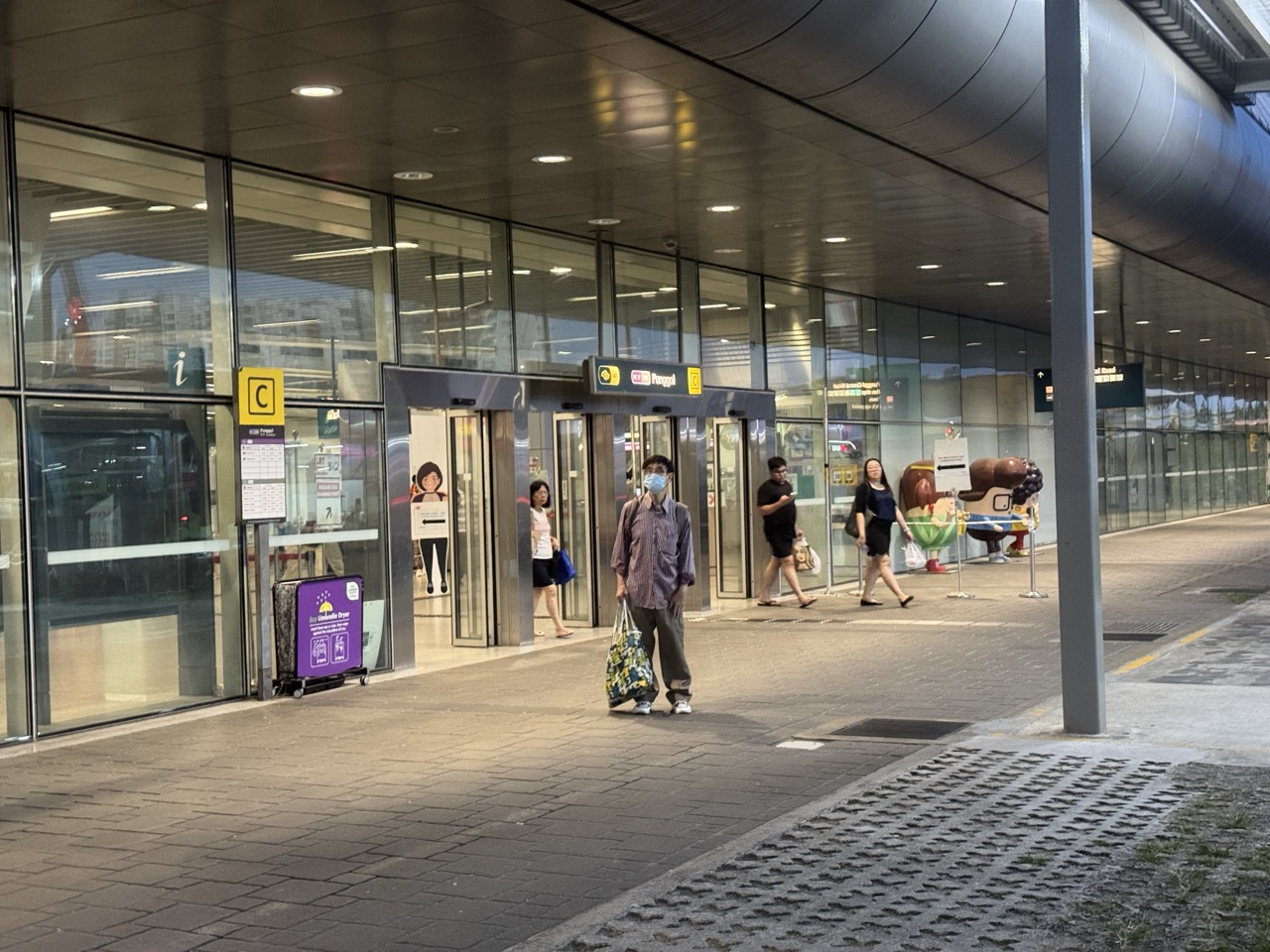
Parents searching for English tuition in Punggol often treat location as a simple convenience question: near home, near school, near Punggol MRT, or travel farther for a programme that looks stronger. The better question is not “Which centre is closest?” It is “How much of the child’s weekly energy will this tuition choice consume, and is the teaching difference large enough to justify that cost?”
Travel time affects English learning more than it first appears. A child who spends an extra hour commuting for a 1.5-hour lesson is not buying only a lesson. The family is also spending transition time, waiting time, transport cost, attention and often part of the evening homework window. For a strong-fit tutor, that trade can be worthwhile. For a marginal difference in programme quality, it may not be.
This local parent guide supports English Tuition at eduKatePunggol. eduKatePunggol teaches at 83 Punggol Central, near Punggol MRT. This article does not argue that the nearest tuition is always best. It explains how to compare proximity, fatigue and teaching fit so parents can make a rational weekly decision.
The total cost of tuition includes travel
Parents usually compare monthly fees but forget to compare time. A 90-minute class with 15 minutes of travel each way occupies about two hours of the week. The same class with 45 minutes each way occupies about three hours before waiting or delays are included.
That extra hour may come from:
- homework time;
- reading time;
- dinner;
- sleep;
- family time;
- revision for another subject;
- unstructured recovery after school.
The farther option should therefore offer enough additional teaching value to justify what it displaces.
Near Punggol MRT can be valuable because attendance becomes easier
Convenient tuition reduces friction. A centre near a familiar transport node can make weekly attendance easier for families coordinating school dismissal, CCA, siblings and work schedules.
Lower friction matters because consistency matters. A theoretically excellent programme is less useful if the child regularly arrives late, misses lessons or begins every class exhausted from the journey.
But proximity should not override teaching fit
A nearby class that does not diagnose the learner properly can waste many convenient hours. A slightly farther tutor who understands the child’s exact reading, comprehension, writing or grammar bottleneck may create more progress with less overall practice.
Compare the teaching job first:
- Does the tutor understand the syllabus level?
- Can the tutor explain the learner’s specific weak link?
- Is writing feedback detailed enough to be useful?
- Does the child receive real oral and comprehension interaction?
- Is practice tested on fresh tasks?
- Does the child become less dependent over time?
If the answer is no, a five-minute commute does not solve the educational problem.
Use a travel-to-learning ratio
A useful parent calculation is simple: compare total travel time with the amount of high-quality teaching time.
| Travel pattern | Possible interpretation |
|---|---|
| Short travel, strong teaching fit | Low-friction choice |
| Long travel, clearly superior specialist fit | May be worth the trade |
| Long travel, similar programme to local option | Question whether the extra weekly cost adds value |
| Short travel, poor fit | Convenient but educationally weak |
The point is not to reduce education to a formula. It is to remember that travel consumes the same finite week as learning.
Primary 1–2: travel fatigue is proportionally larger
Younger children have shorter attention reserves after school. A long commute can use a significant part of what remains. For Primary 1 and Primary 2, convenience deserves more weight unless the child needs a specialist intervention not available locally.
A nearby small-group class can also make it easier to preserve bedtime, reading and play.
Primary 3–4: consider the widening school week
From Primary 3, more subjects and school demands compete for attention. Travel that once felt manageable may begin displacing Science revision, independent reading or homework recovery.
Reassess the location decision when the school schedule changes. Convenience is not fixed across the child’s education.
Primary 5–6: proximity can protect exam-season recovery
During the PSLE runway and final year, families often add practice without removing anything else. A long commute can quietly extend an already heavy day.
If a local programme provides the required diagnosis and teaching quality, reduced travel may be especially valuable in Primary 5 and Primary 6 because the saved time can become sleep, reading, revision or rest.
Secondary school: CCA makes travel even more visible
Secondary students can finish school later and have substantial CCA commitments. A cross-island English lesson after CCA may begin when the learner is already depleted.
That does not make longer travel automatically wrong. It raises the threshold the teaching fit needs to clear. The farther programme should offer a real educational advantage, not just a stronger marketing impression.
Near home, near school or near MRT?
Each location strategy has a different advantage.
- Near home: easiest recovery and parent logistics.
- Near school: useful if tuition begins soon after dismissal and avoids returning home first.
- Near MRT or transport node: useful when the route is direct from school or home.
The best option is the one that reduces unnecessary transitions while preserving teaching quality.
Do not confuse prestigious location with teaching quality
A well-known tuition district, expensive building or long waiting list can signal demand, but none of those directly proves that the class fits your child. English improvement still depends on diagnosis, feedback, practice, transfer and independence.
Ask to understand the teaching system before paying a weekly travel premium.
A parent decision table
| Question | Why it matters |
|---|---|
| How long is door-to-door travel? | Shows the true weekly time cost |
| Is the route direct? | Transfers and waiting increase fatigue |
| What time does the child arrive? | Attention depends on the whole day |
| What teaching advantage does the farther option provide? | Tests whether extra travel buys real value |
| What is displaced by travel? | Reveals opportunity cost |
| Will attendance remain reliable in rain, CCA season and exam periods? | Tests sustainability |
At eduKatePunggol: local convenience is useful only when the teaching also fits
eduKatePunggol is based at 83 Punggol Central, near Punggol MRT, and teaches English in small groups of three students. The local position is useful for Punggol families because it can reduce travel friction. But proximity is not the educational argument by itself.
The educational argument is that the class should diagnose the learner accurately, provide close feedback, use peer contrast productively and test whether learning transfers. A short commute is valuable when it supports a strong teaching fit.
A final travel-fit checklist
- What is the real door-to-door time?
- How tired is my child at arrival?
- Does the farther option offer a clearly different teaching benefit?
- Will the commute reduce sleep or homework quality?
- Can we sustain this route every week for a year?
- Is there a strong local option with better total-week fit?
- Does the child actually improve under the chosen programme?
Location is part of tuition quality because learning happens inside a finite week. The strongest choice is not automatically the nearest or the farthest. It is the best teaching fit that the child can attend consistently without the journey consuming the conditions needed to learn.
Explore the Punggol English reading library for related guides.


